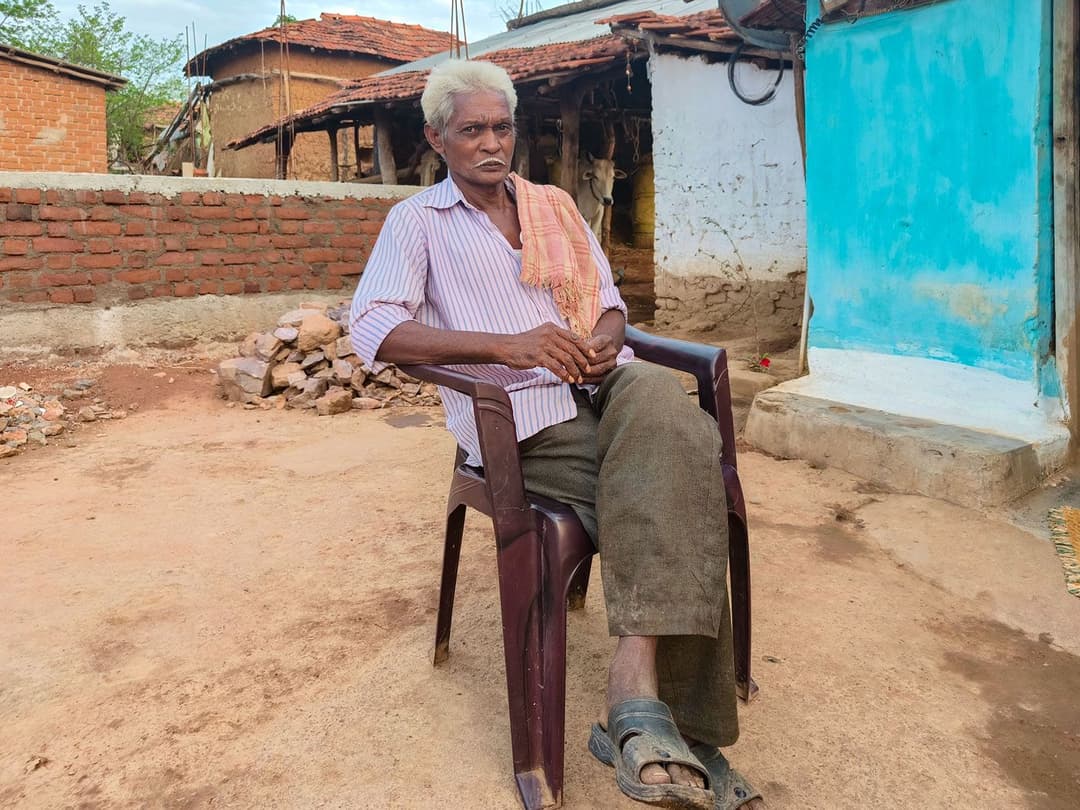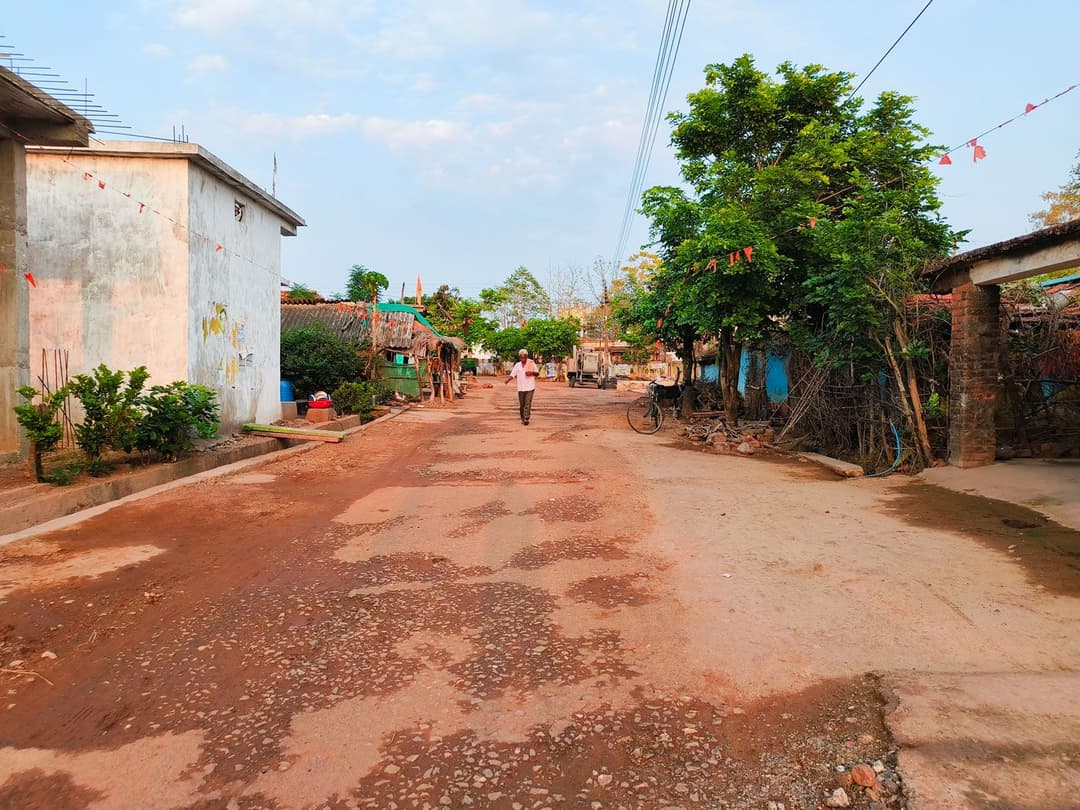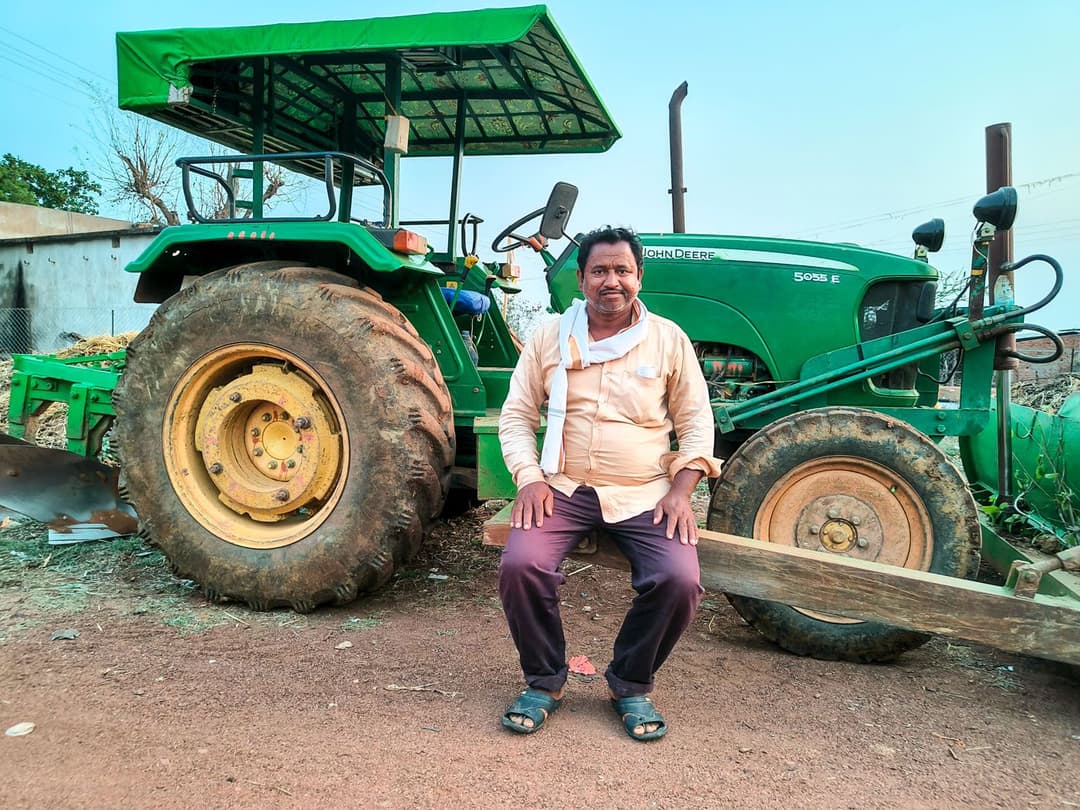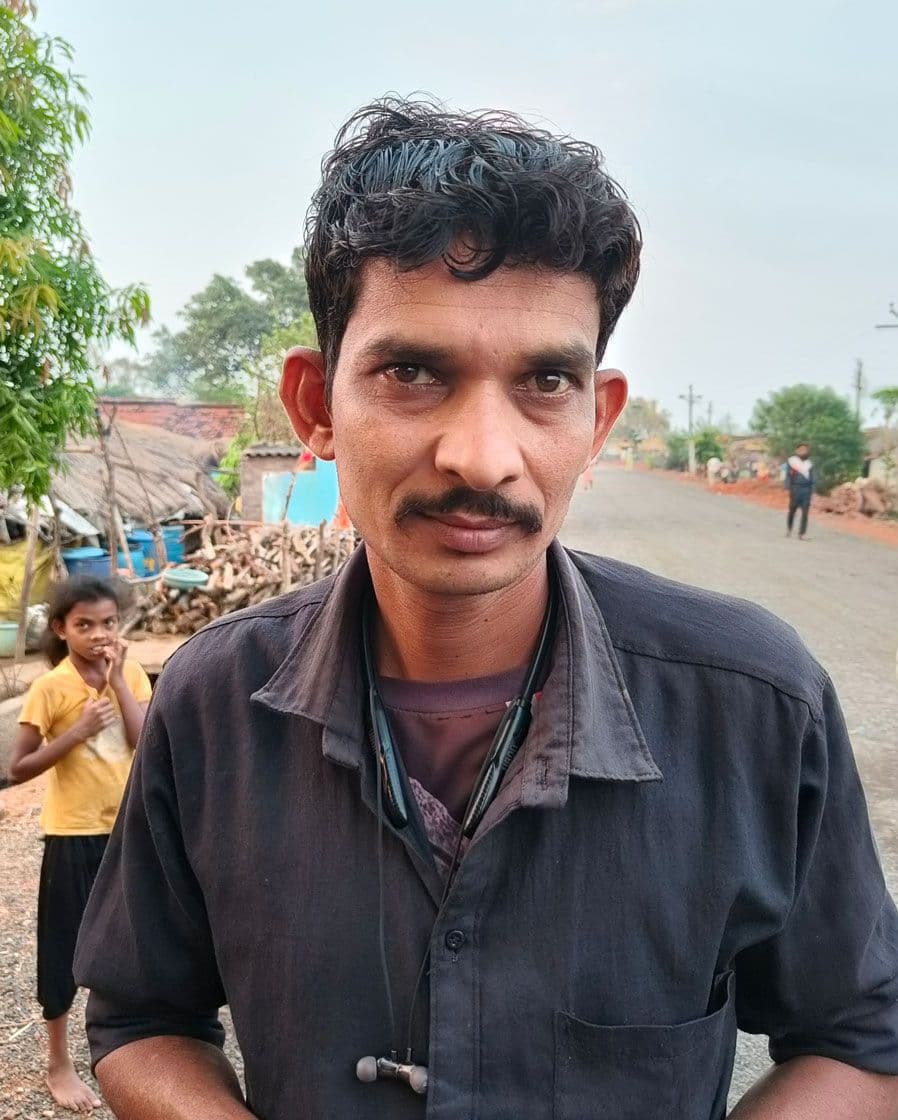

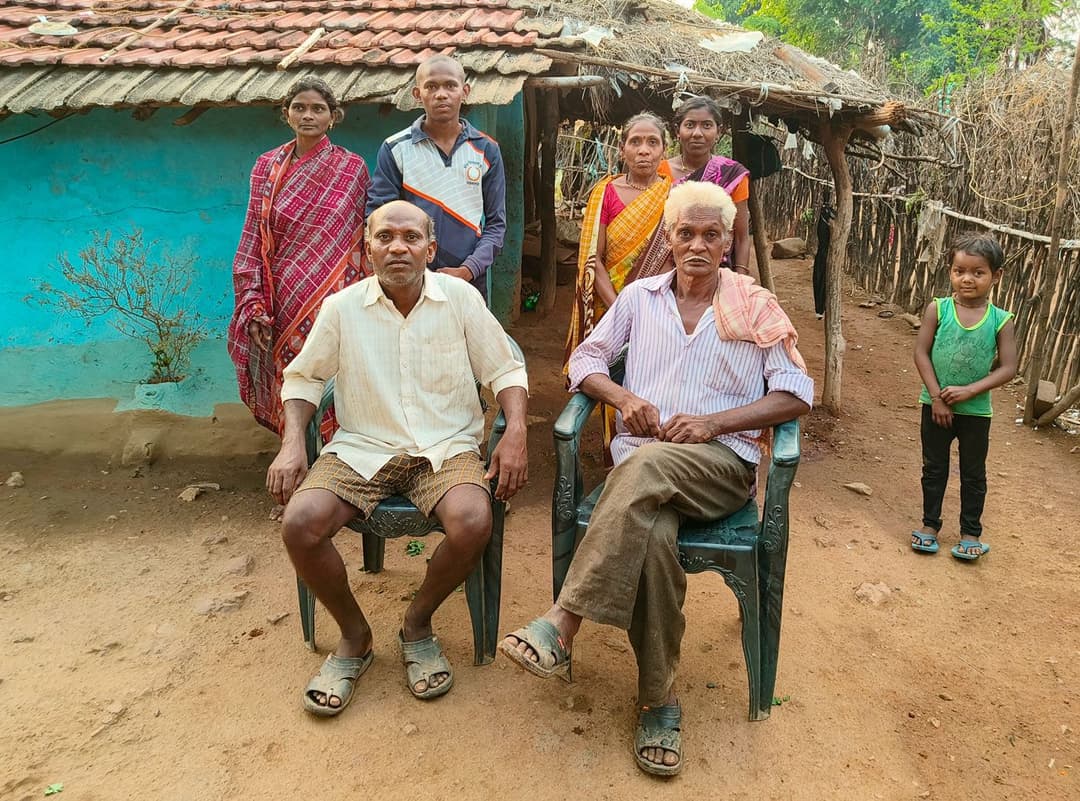
Sitting quietly on a chair inside his home, Goma Rama Hazare is whiling away his time, staring listlessly at the empty main road of his village.
Once in a while, he chit-chats with the passers-by who drop in to check on his well-being. The man lost his wife from a protracted illness just about a week ago.
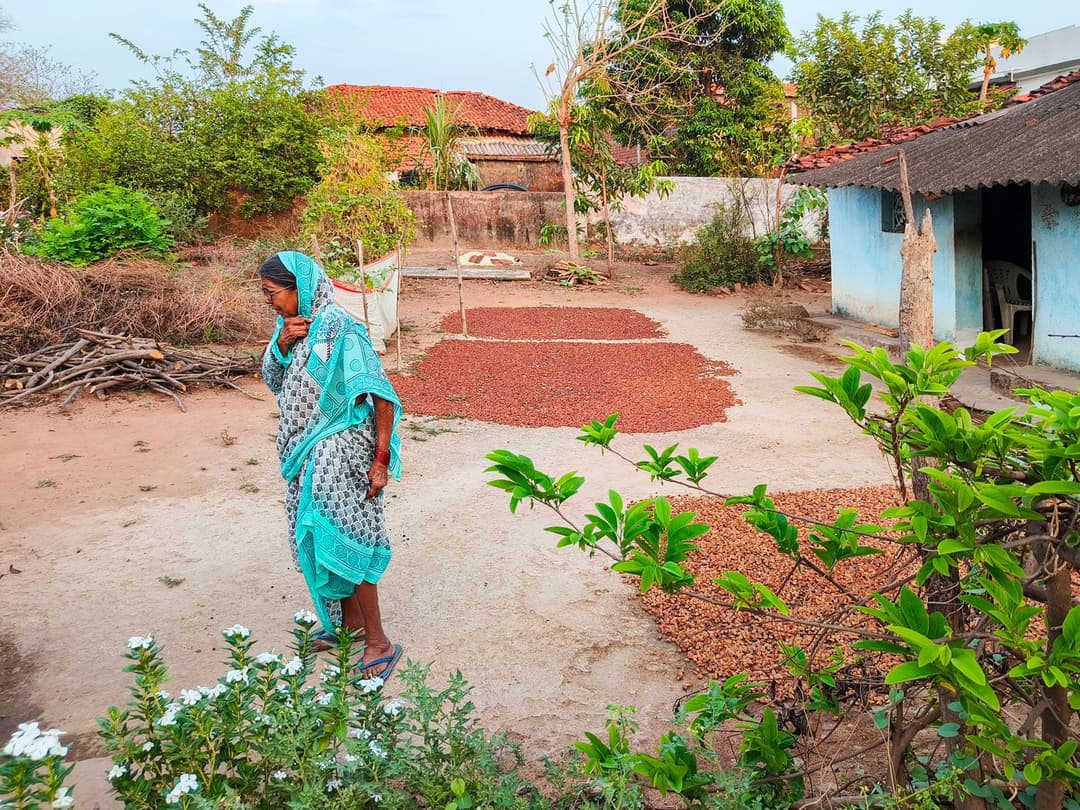
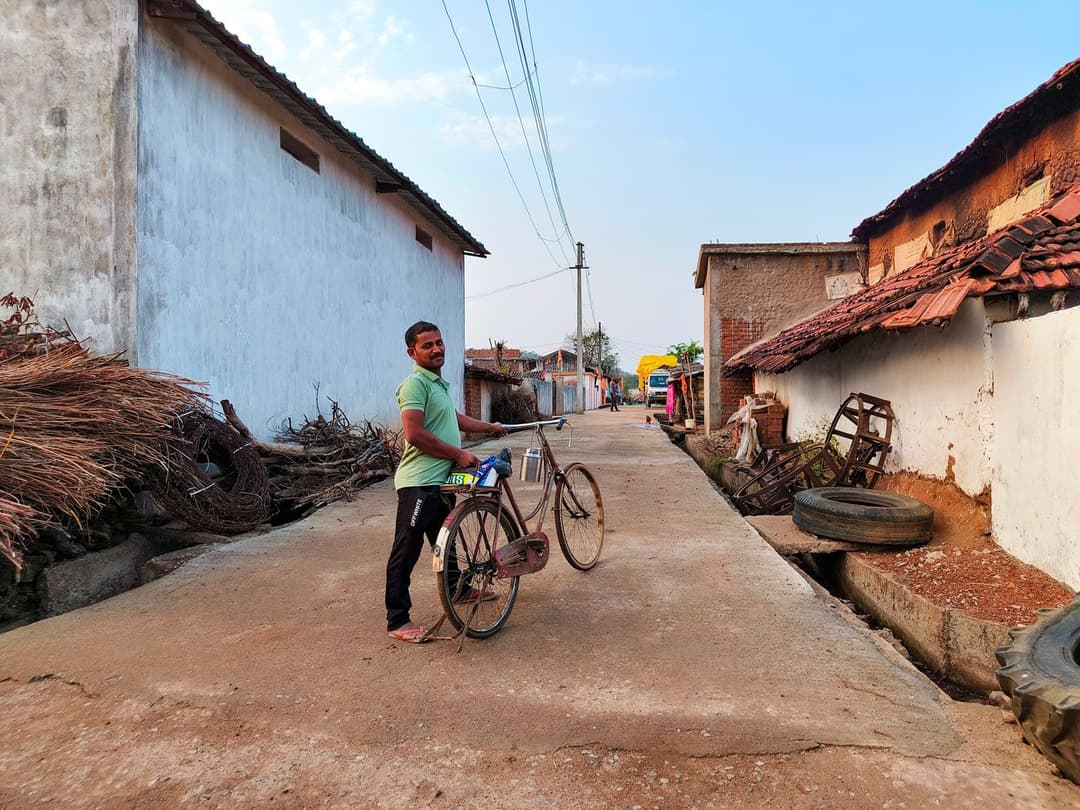
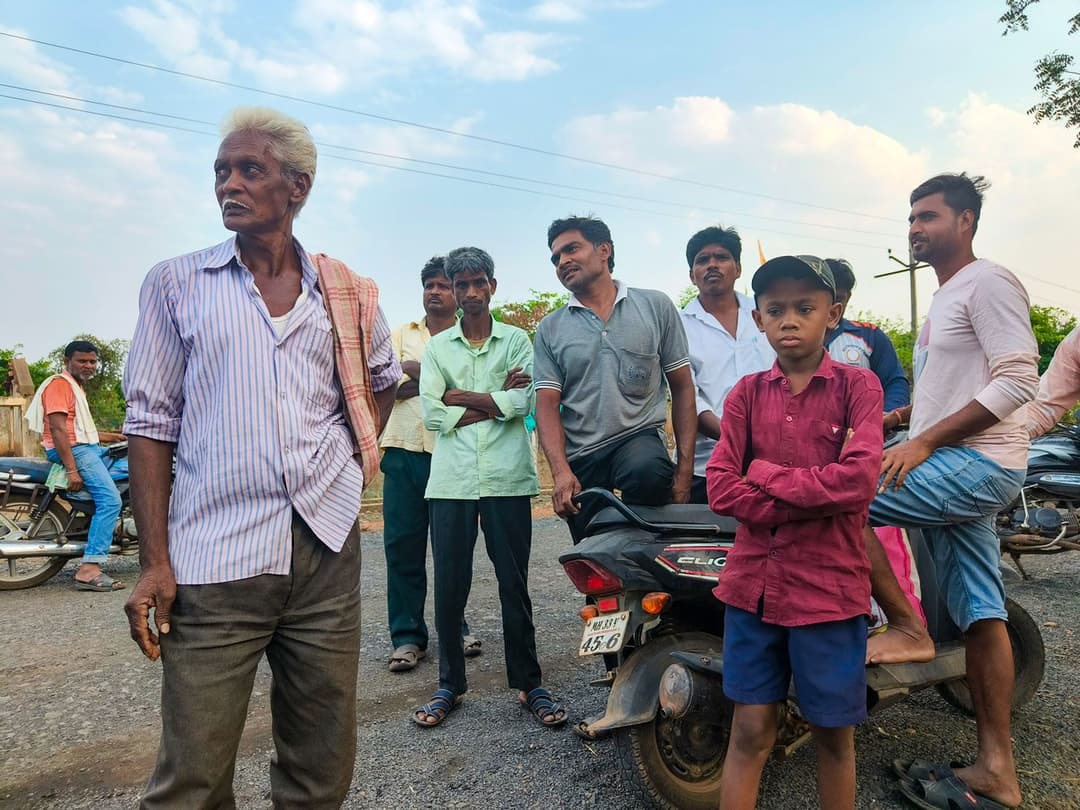
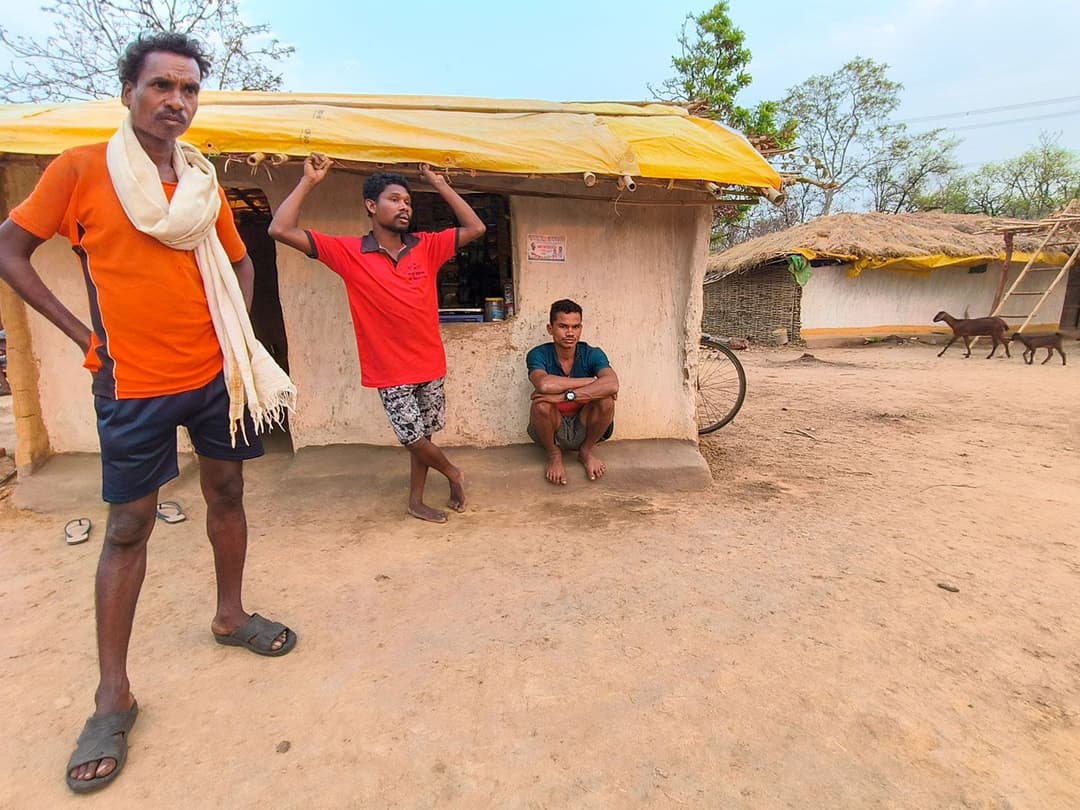
It’s 5 p.m., mid-April (2024), and very hot. Palasgaon, a village in the lap of rich bamboo and teak forests of Armori tehsil in north Gadchiroli is exceptionally quiet. Voting for the Gadchiroli-Chimur Lok Sabha constituency is due in a few days. The sitting BJP MP Ashok Nete is contesting for this seat again. But there’s no excitement. In fact, there’s worry.
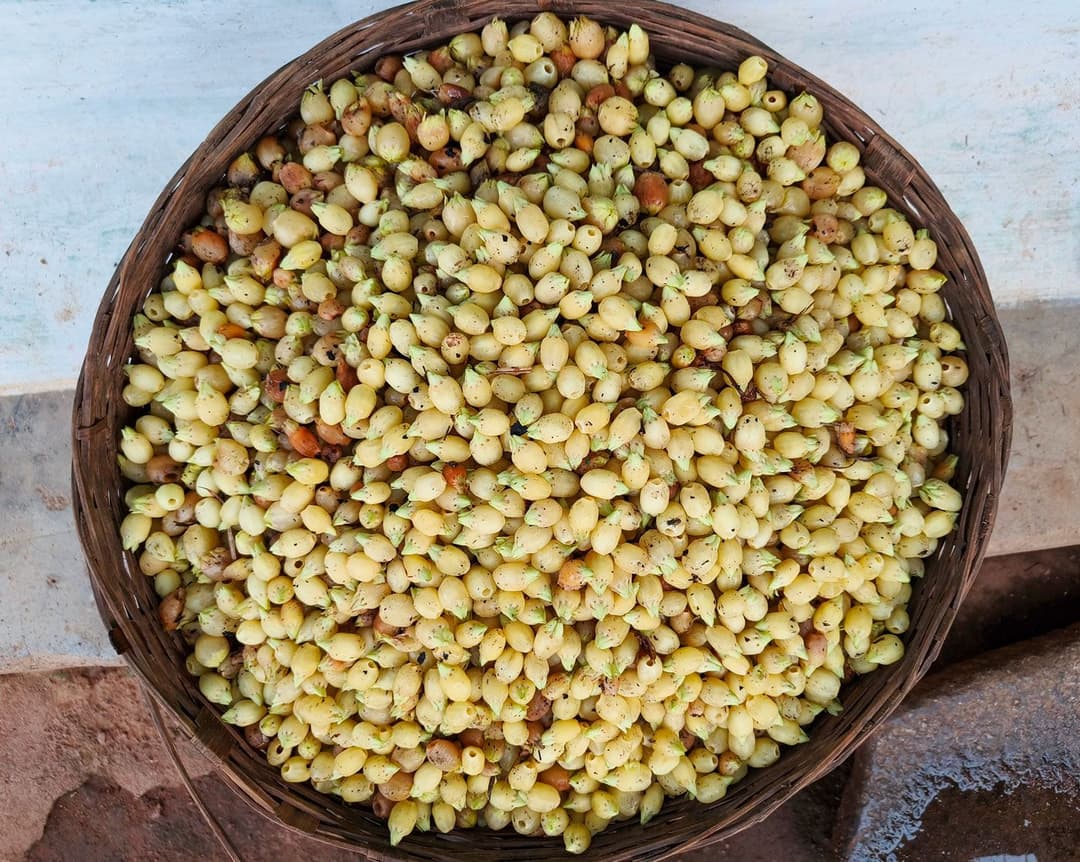
For the past two months, Goma has had no work. Usually, during this time, the landless labourer in his early 60s and many like him would be collecting mahua or tendu or cutting bamboo in the forest or doing farm work.
“Not this year,” Goma says. “Who’ll risk their life?”
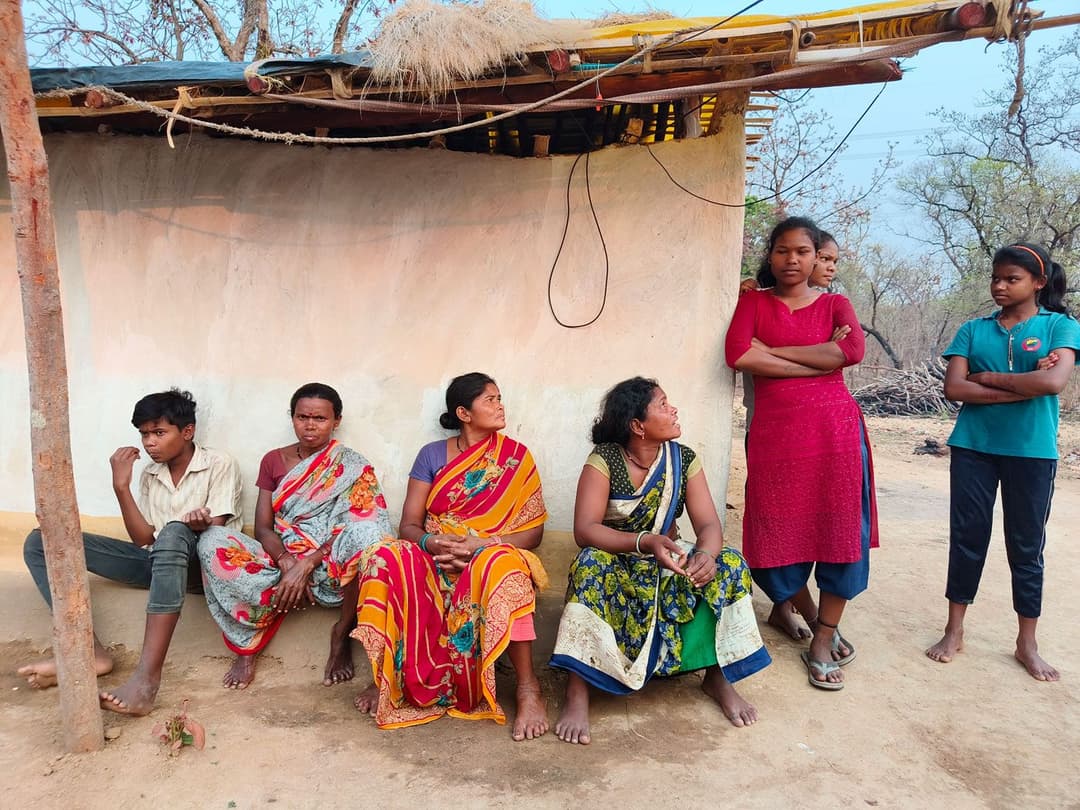
“People are keeping to themselves at home,” Goma says. Days are hot. You can’t go out. Many villages are used to such curfews as Gadchiroli has been troubled by an armed conflict for four decades and torn by a bloody strife between the security forces and the armed Maoists. But this time the guests are different and pose a direct threat to life and livelihoods.
A herd of 23 wild elephants, mostly female with young calves, is camping in the vicinity of Palasgaon.