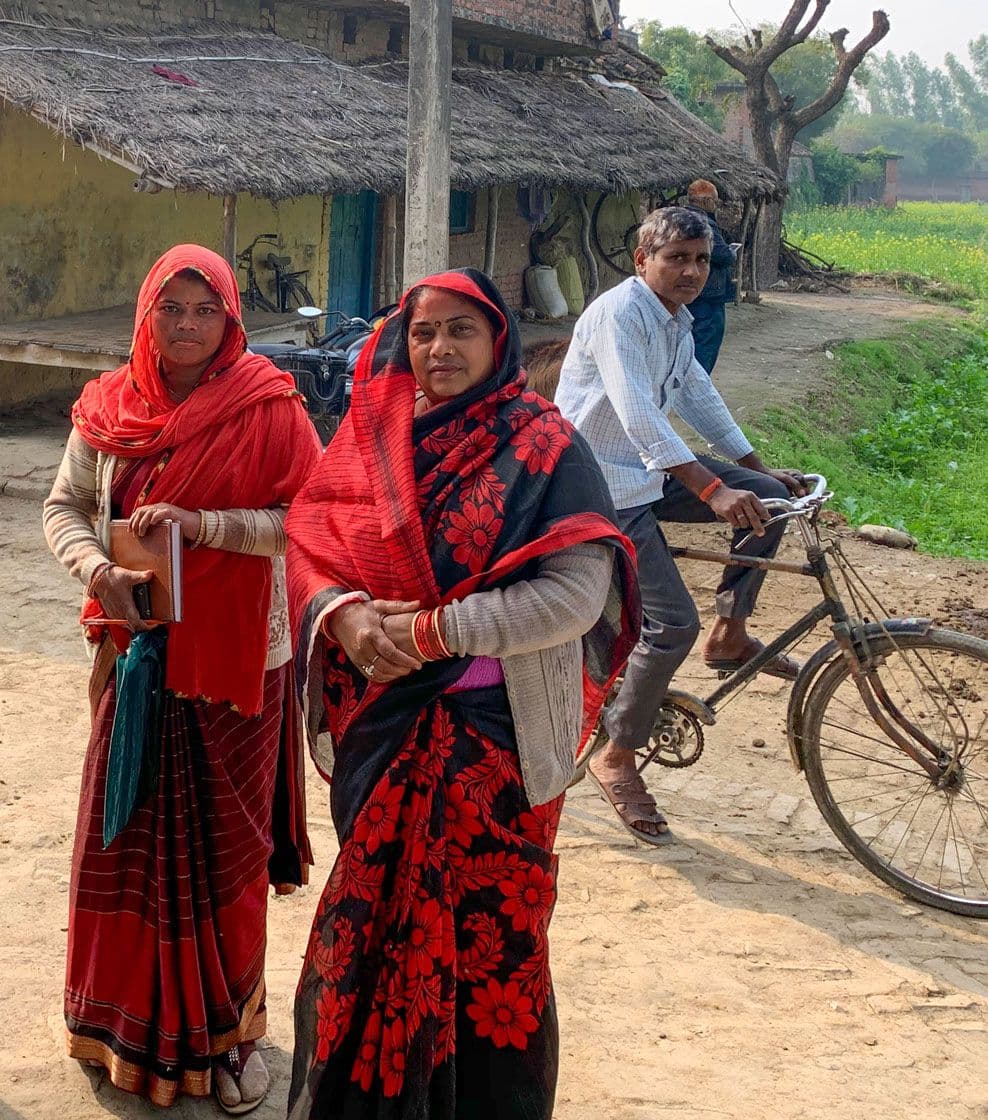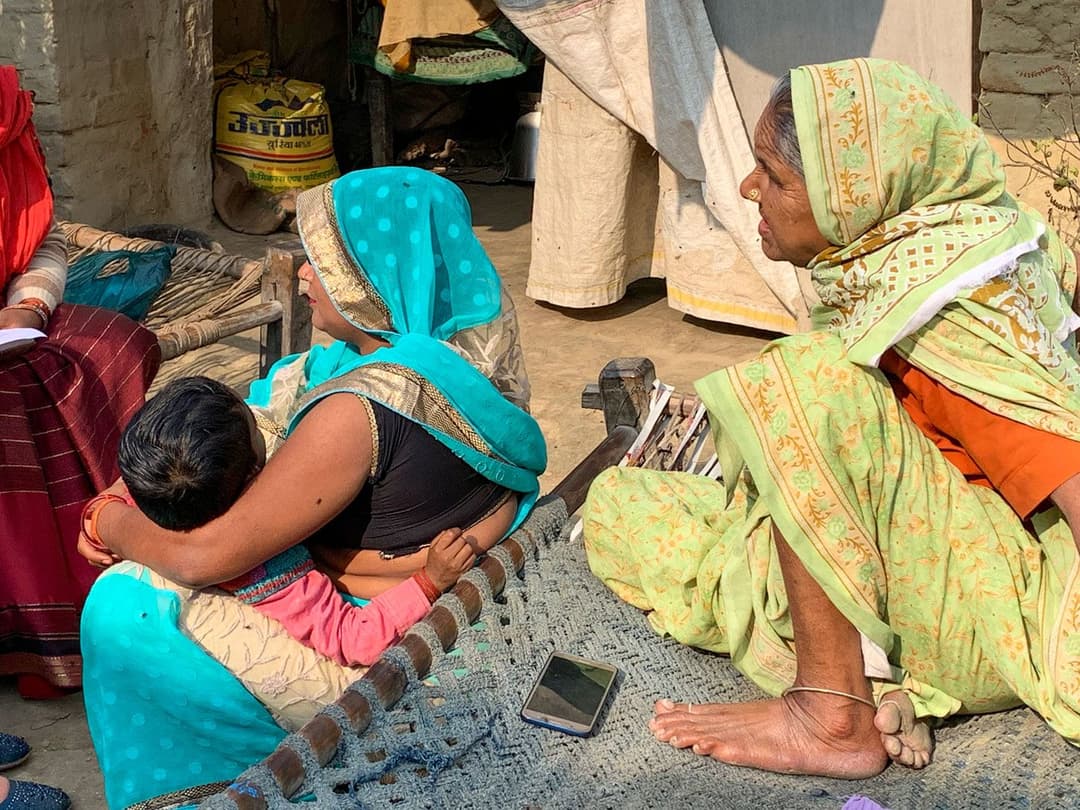


“Sometimes, a woman will call me or send a male relative to my house at night to fetch a packet of condoms,” says Kalavati Soni. The late hours don’t bother this 54-year-old ‘depot didi ’ in Tikari village, who supplies essentials to women. “I am open even at night,” she says jokingly, sitting on a charpoy in the veranda of her small house in the village, in Uttar Pradesh’s Amethi district. “Itni koi badi baat nahi hai [It isn’t such a big deal],” Kalavati says about her work.
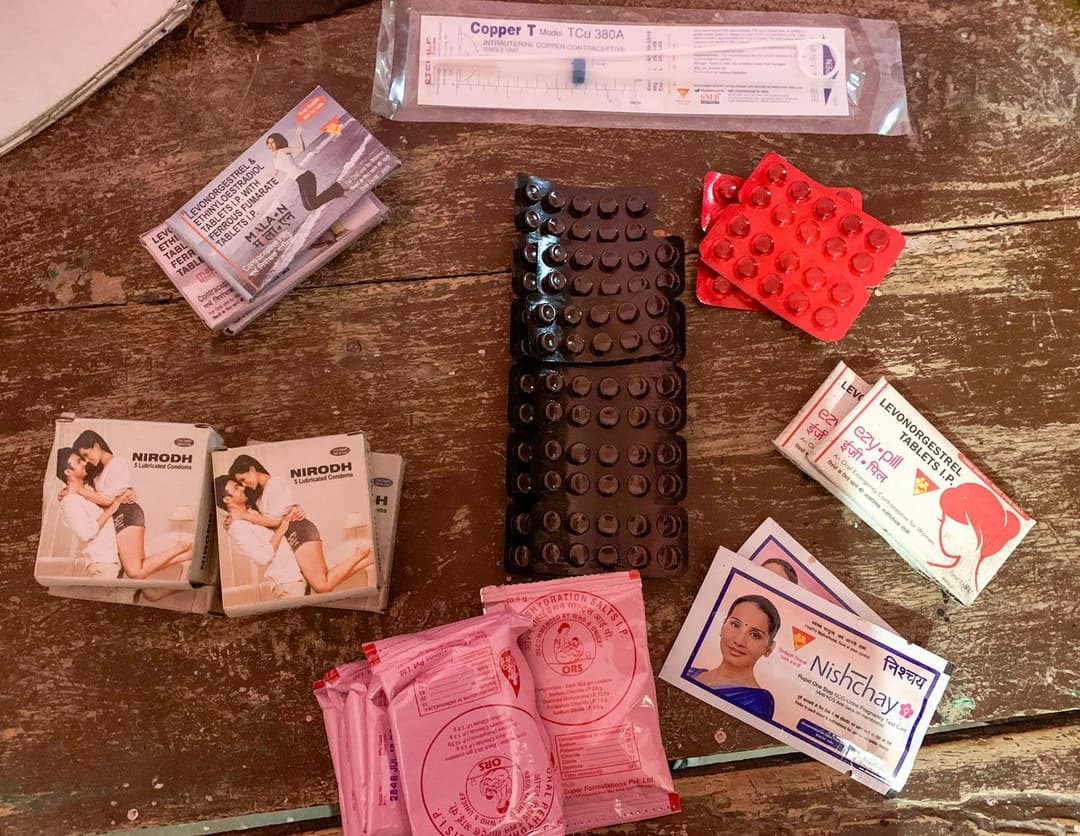
We have landed up in her house out of curiosity, having heard about ‘depot didi’ from a non-governmental organisation operating in the village. “Hey, go get that bag,” Kalavati calls out to her grandson. Within seconds, the little fellow comes running with a bulging plastic pouch from inside the two storeyed pucca house. A medley of condoms, sanitary napkins, contraceptive pills, oral rehydration packets tumble out of the bag. She lines them up, as if on display, on the charpoy.
“Itni koi badi baat nahi hai,” she says it like a refrain. “First I used to talk about small matters of the household. We would discuss their home situation, complaints about mothers-in-law, a little bit about children. I used to listen patiently. Slowly, through these conversations – I am quite talkative, you see – I began to realise that all women face the same issues. Then why not help one another? That is all,” she says, by way of explaining how she came to don the role of Tikari’s ‘depot didi’.
The moniker comes from ‘depot holder’, a health sector term for women from the community who distribute essential provisions and promote good health practices. But Kalavati is not an anganwadi worker or accredited social health activist (ASHA), who formally function as depot holders in villages. Neither is she a jhola chaap (unlicensed medical practitioner). She stocks almost everything women may need for basic reproductive healthcare needs, and also speaks to them about their sexual and reproductive concerns.