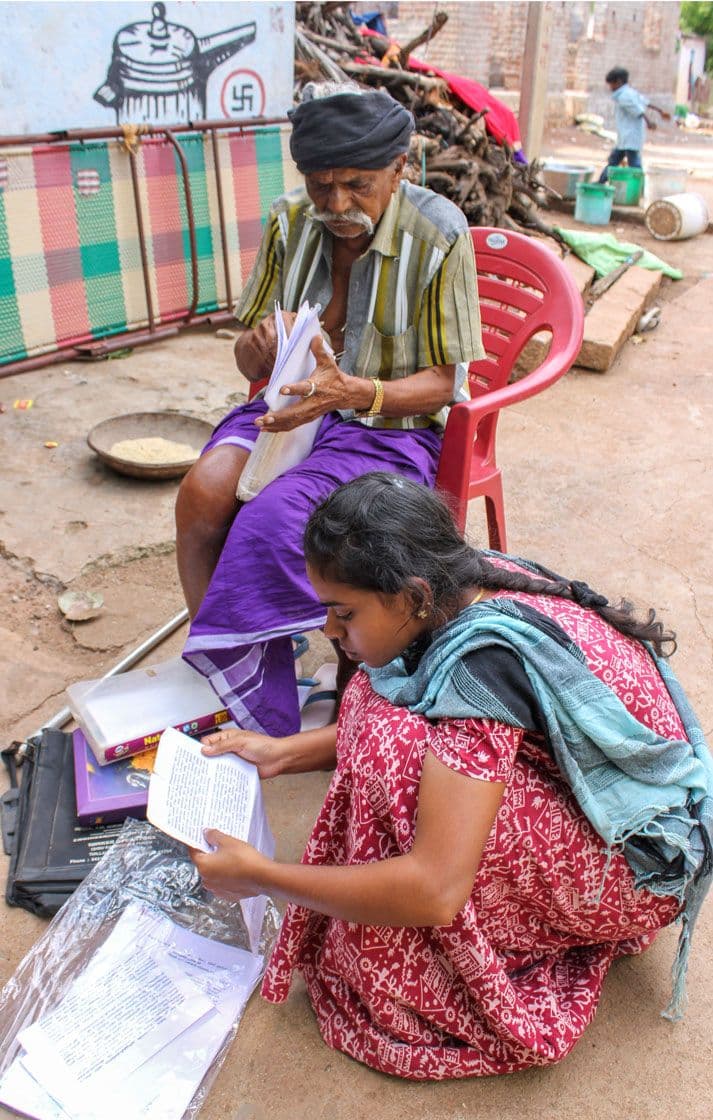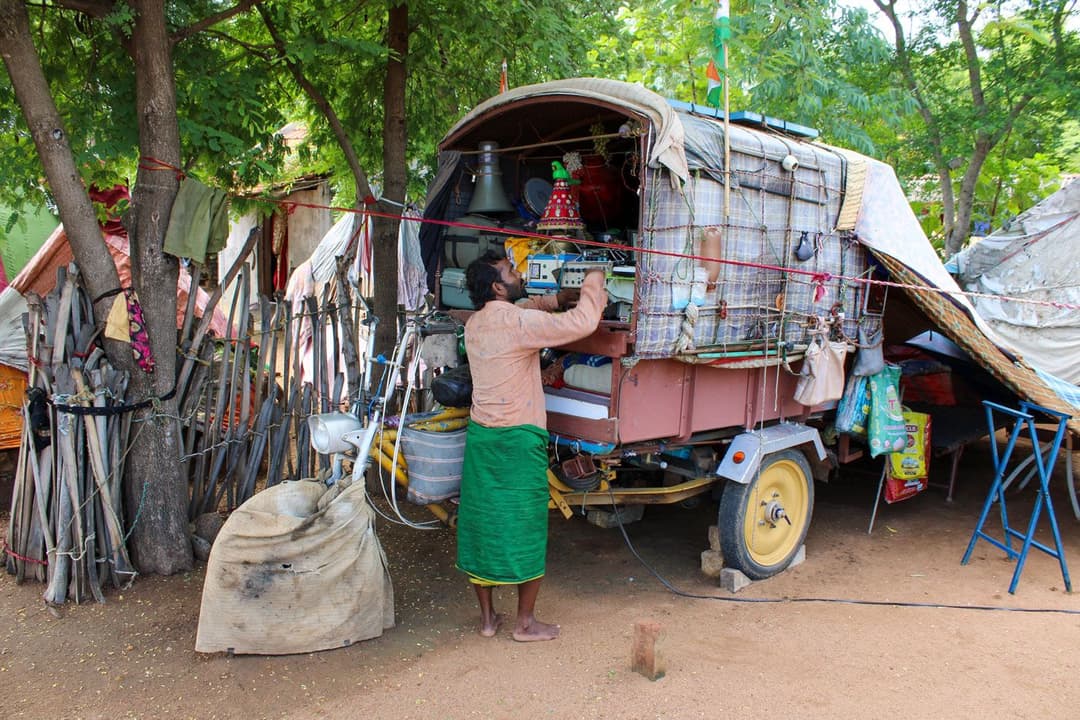

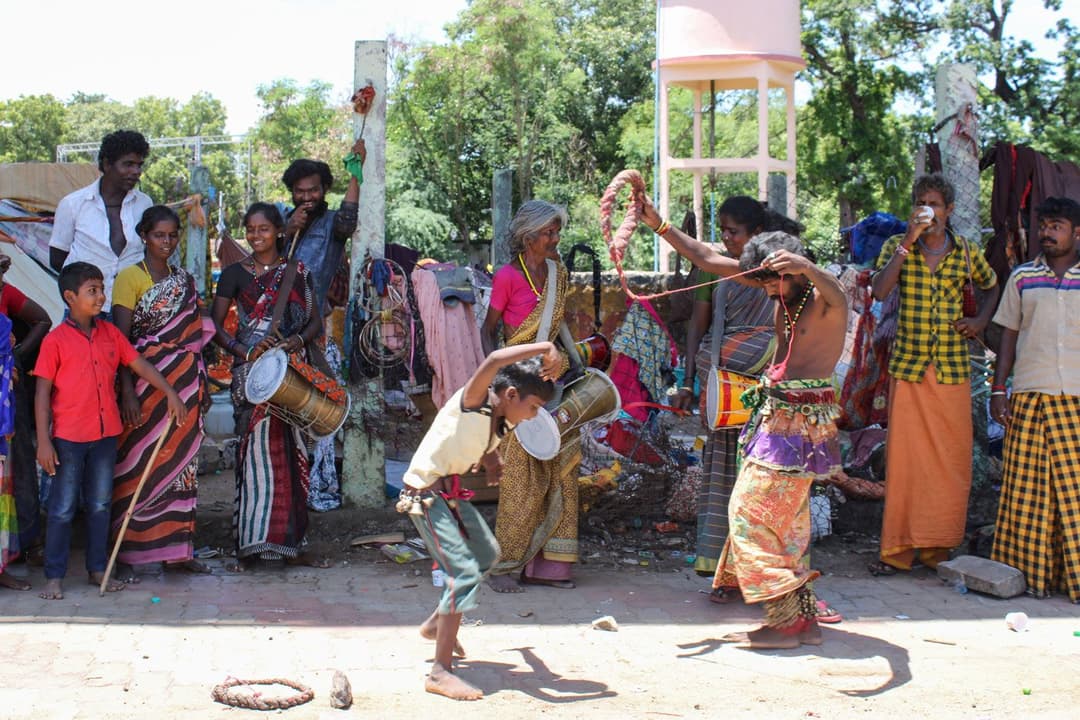
Yellapan is puzzled and angry.
“We are not a coastal, fishing community. [So] why are we being identified as Sembanand Maravars or Gosangi?”
“We are Sholagas,” says the 82-year-old decisively. “[The government] asks us for proof. We are here and living. Isn’t that proof enough? Aadhaara ante aadhaara. Yellinda tarli aadhaara? [Proof! Proof! [that’s what they want].”
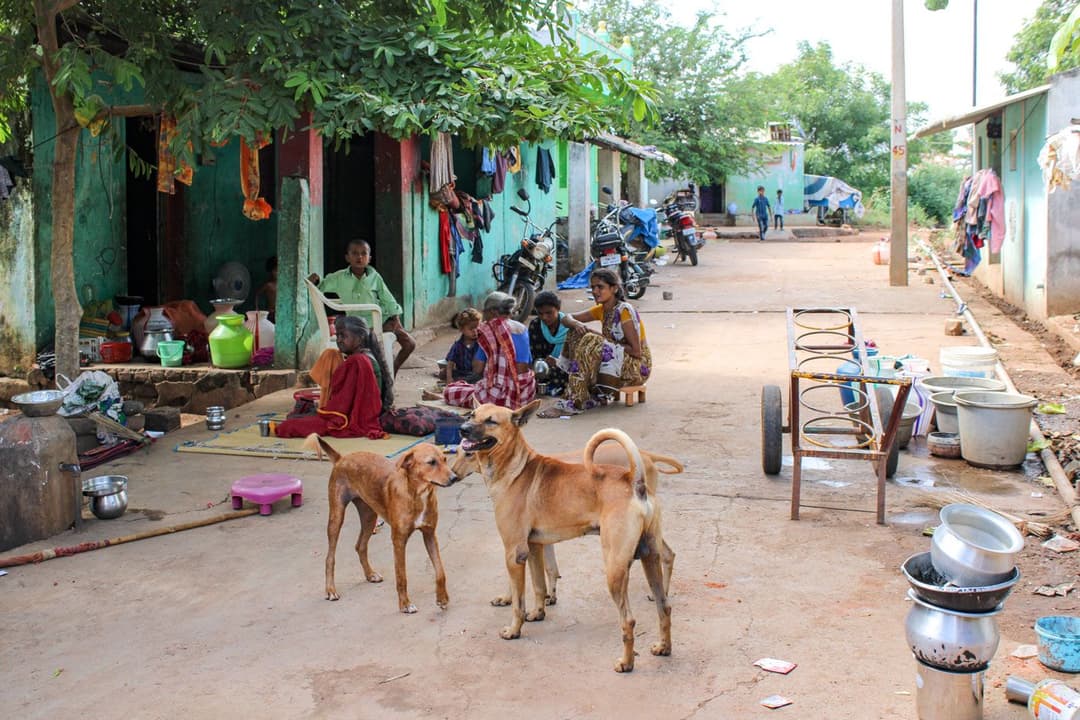
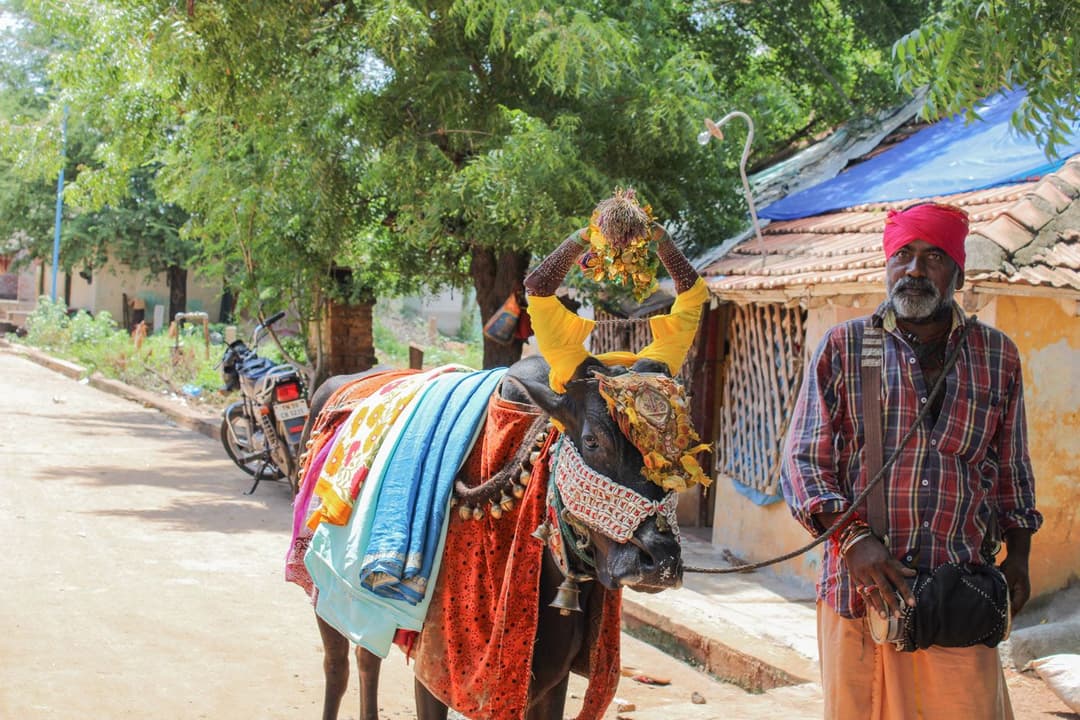
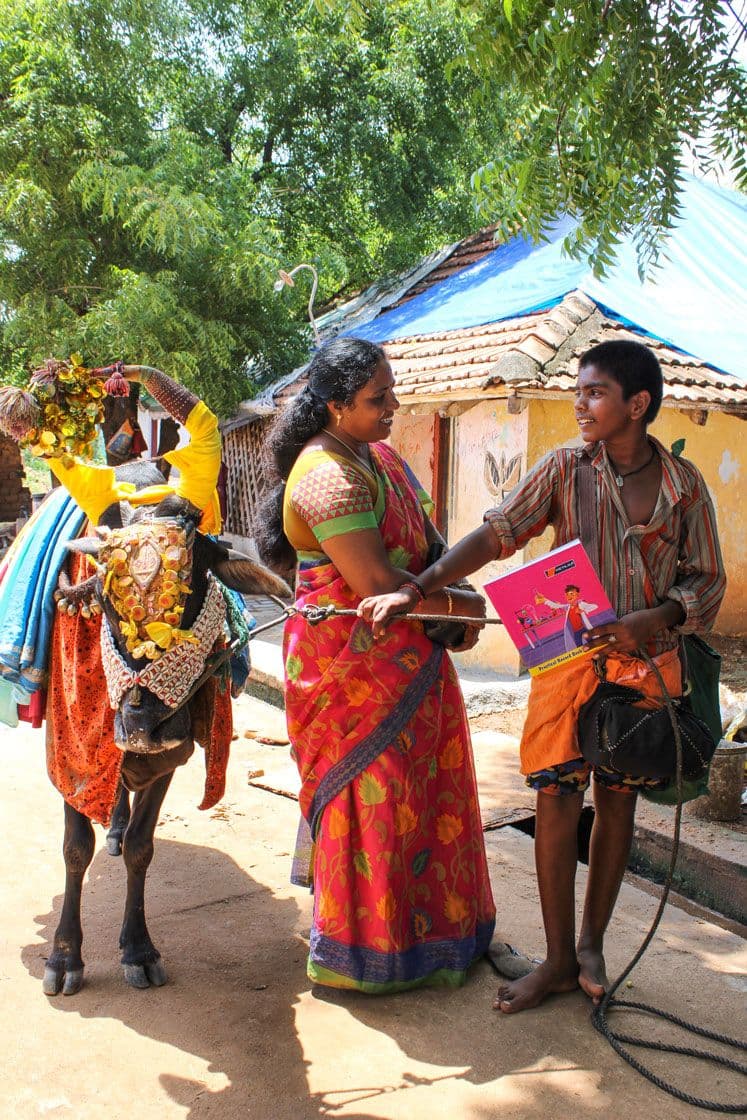
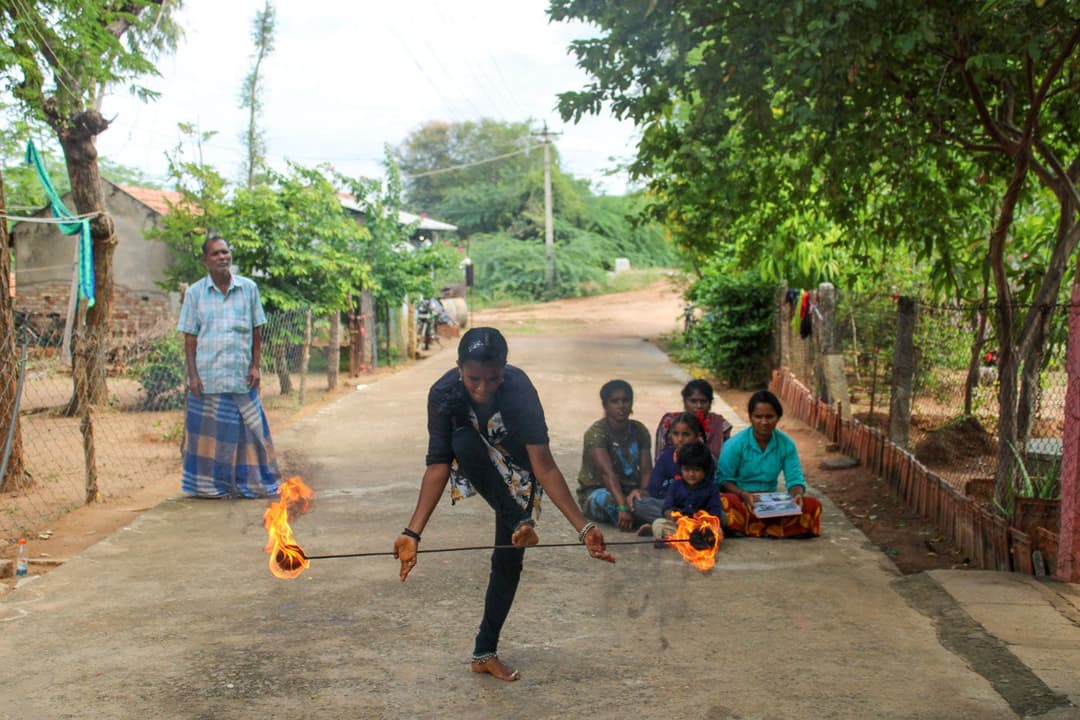
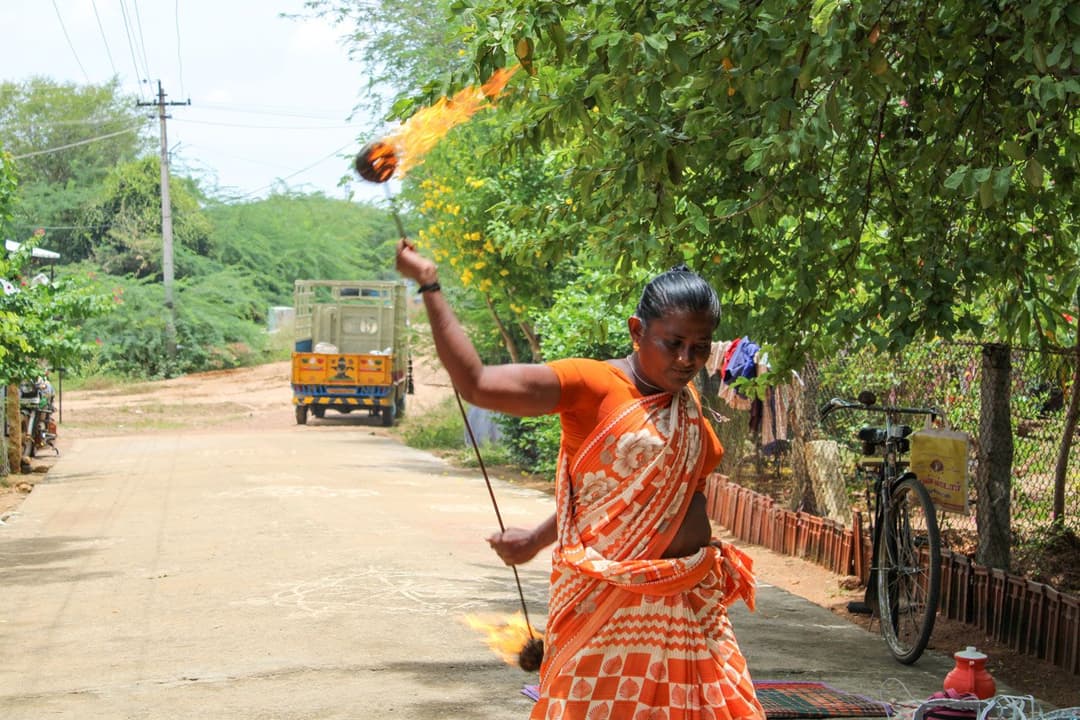
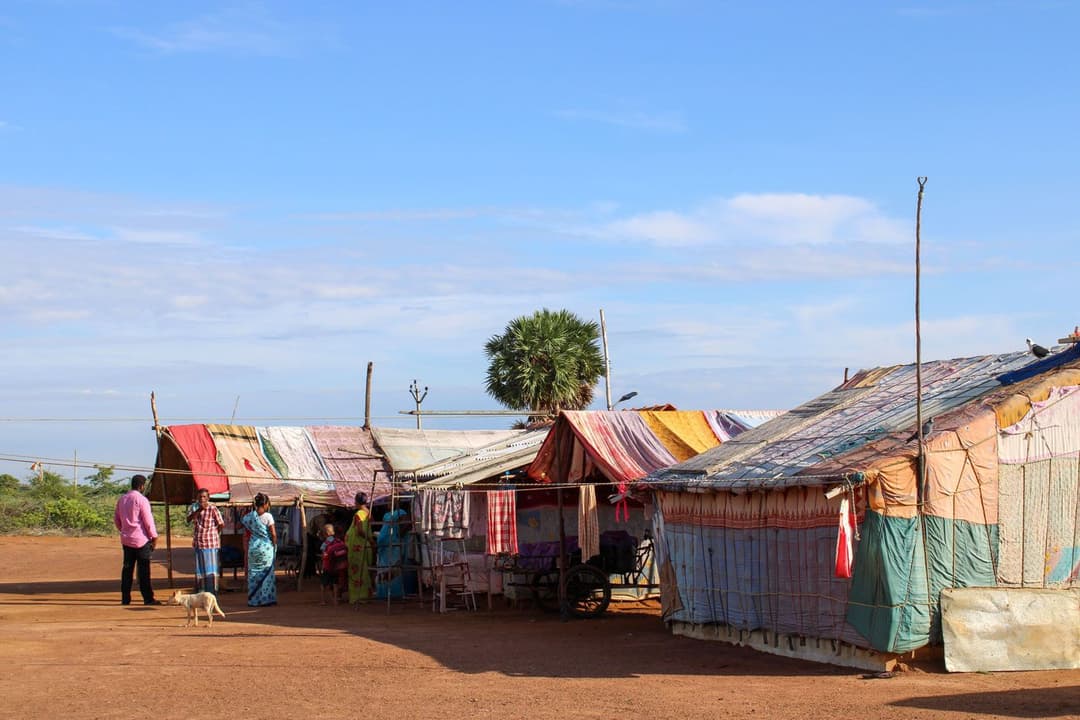
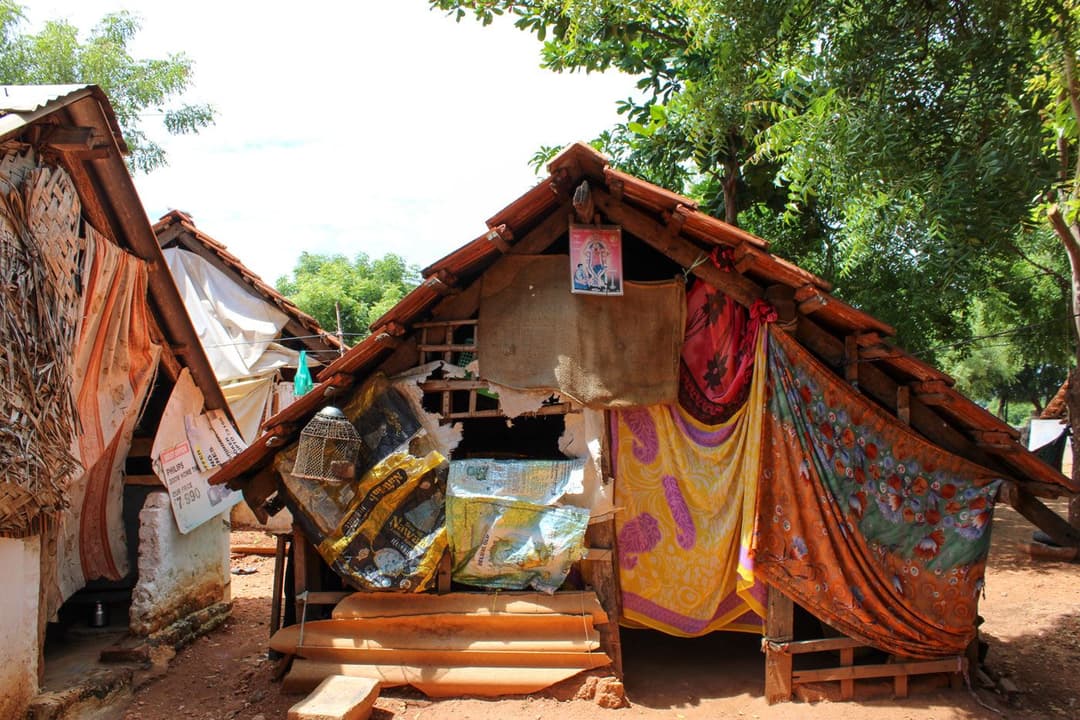
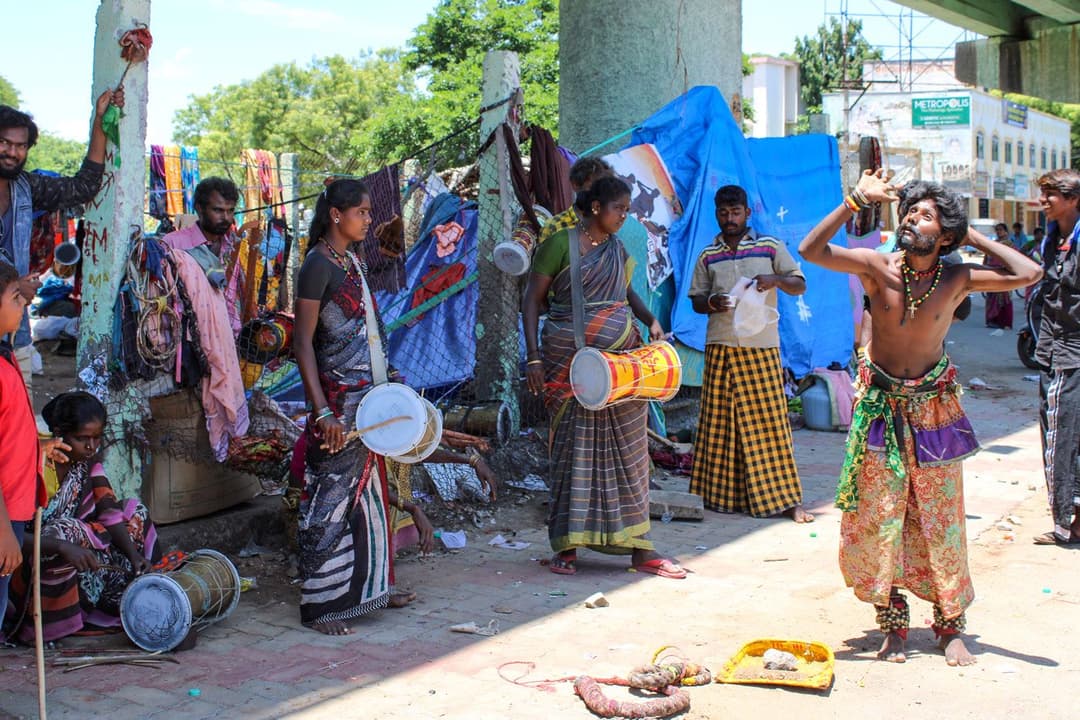
Residents of Sakkimangalam village in Madurai district of Tamil Nadu, Yellapan’s community practise whip-lashing and are locally referred to as Chaatai community. But in the census, they are marked as Sembanand Maravars, and put under the Most Backward Classes (MBC) category.
“[Census] surveyors visit us, ask some questions and list us under whatever category they please,” he adds.
Yellappan is one of an estimated 15 crore Indians who have been wrongly identified and categorised. Many of these communities were once branded ‘hereditary criminals’ by the Criminal Tribes Act, 1871, instituted during colonial rule. This Act was repealed in 1952 and the communities referred to as De-Notified Tribes (DNTs) or Nomadic Tribes (NTs).
“Incomplete at best and inadequate at worst. They remain, in most cases, firmly placed on the lowest rung of the social hierarchy, often facing the prejudices that were created during the Colonial rule,” says a 2017 government report by the National Commission for Denotified Nomadic and Semi Nomadic Tribes.