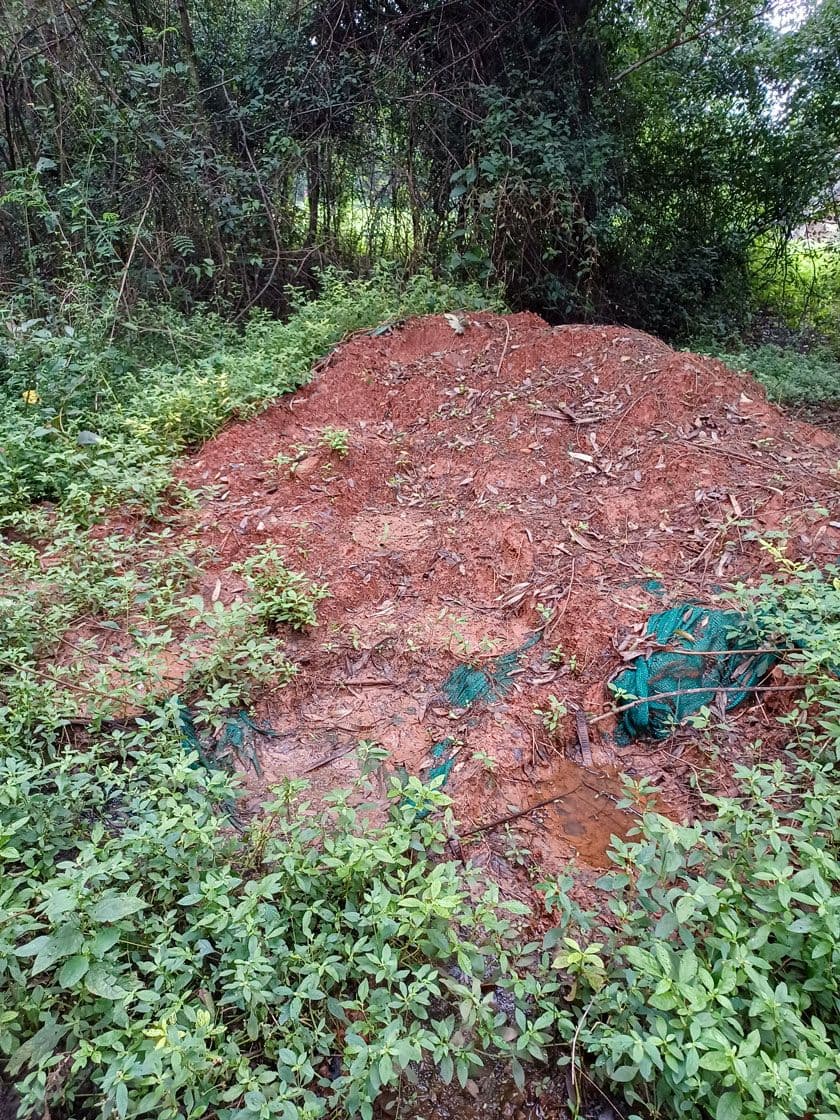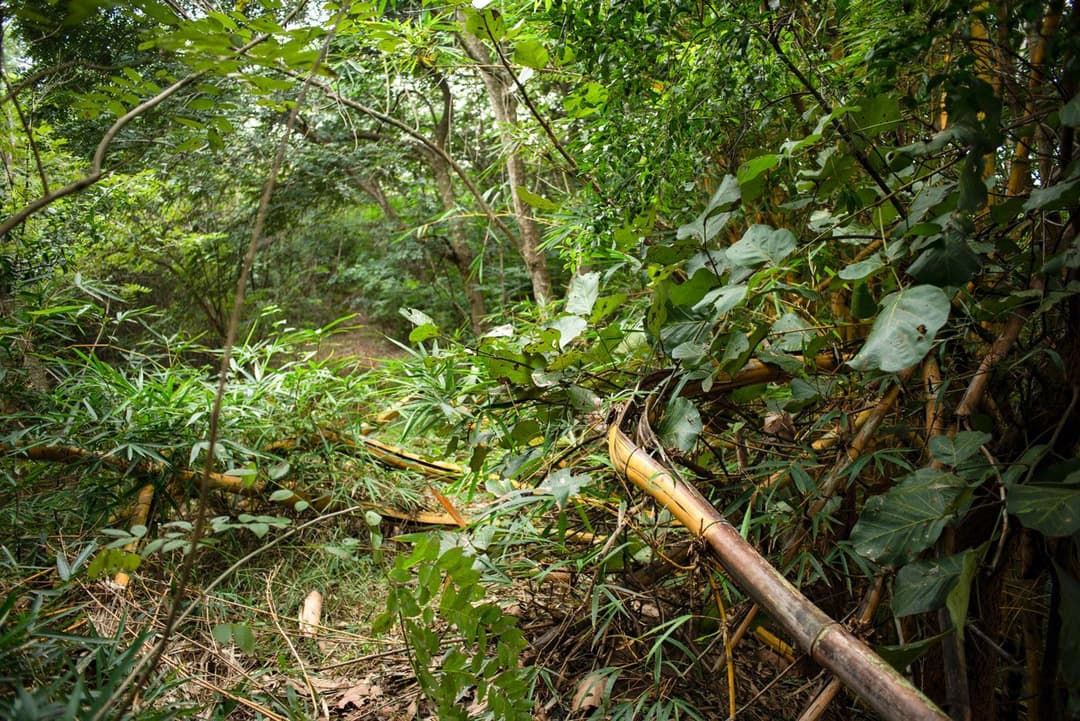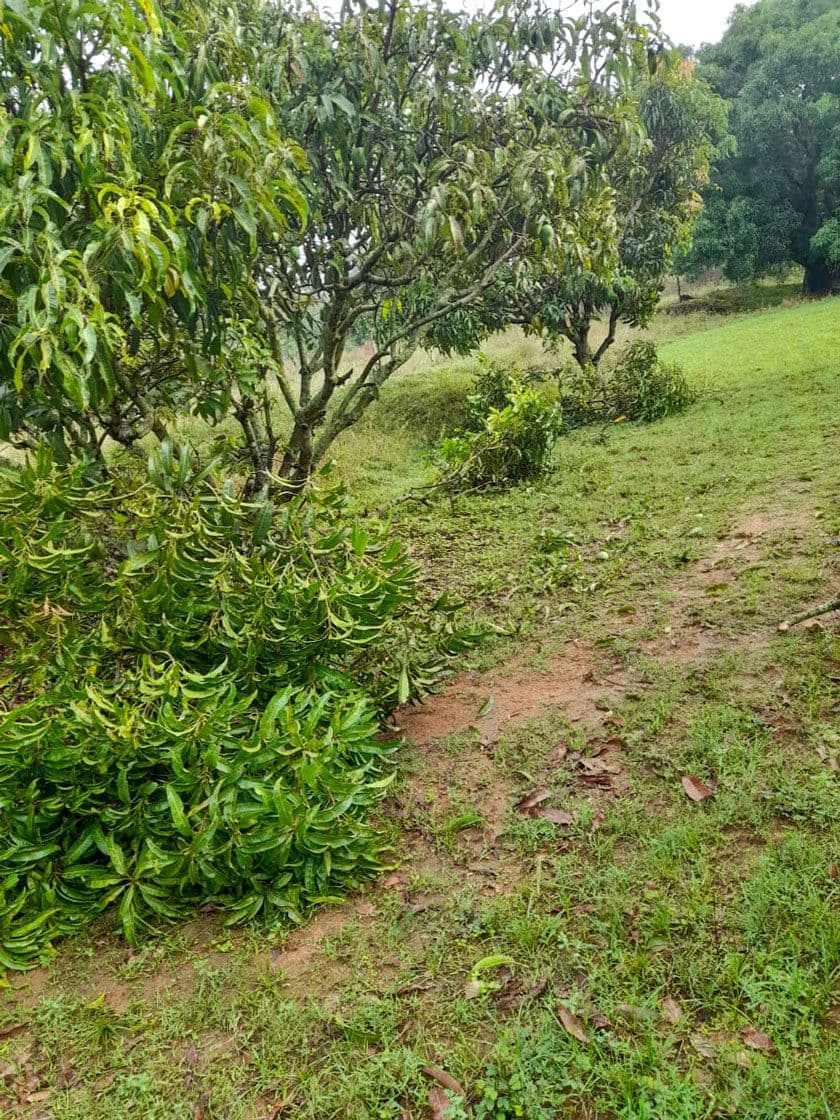


We are walking around the hillocks and fields looking for jumbo footprints.
We find plenty that are larger than dinner plates, deep imprints on the soft earth. The older ones are gently crumbling. Others point to what that animal did: a little saunter, a good meal, a lot of dung. And a trail of things it chucked around: granite poles, wire fences, trees, gates…
We stop to photograph everything elephant. I send a picture of the footprints to my editor. “Was there an elephant attached to it?” he replies hopefully. I pray his hopes are dashed.
Because, from what I heard, in Krishnagiri district’s Ganganahalli hamlet, elephants are unlikely to bless your head and ask for a banana. That might be the routine with temple elephants. These are their wild cousins. And they are usually hungry.
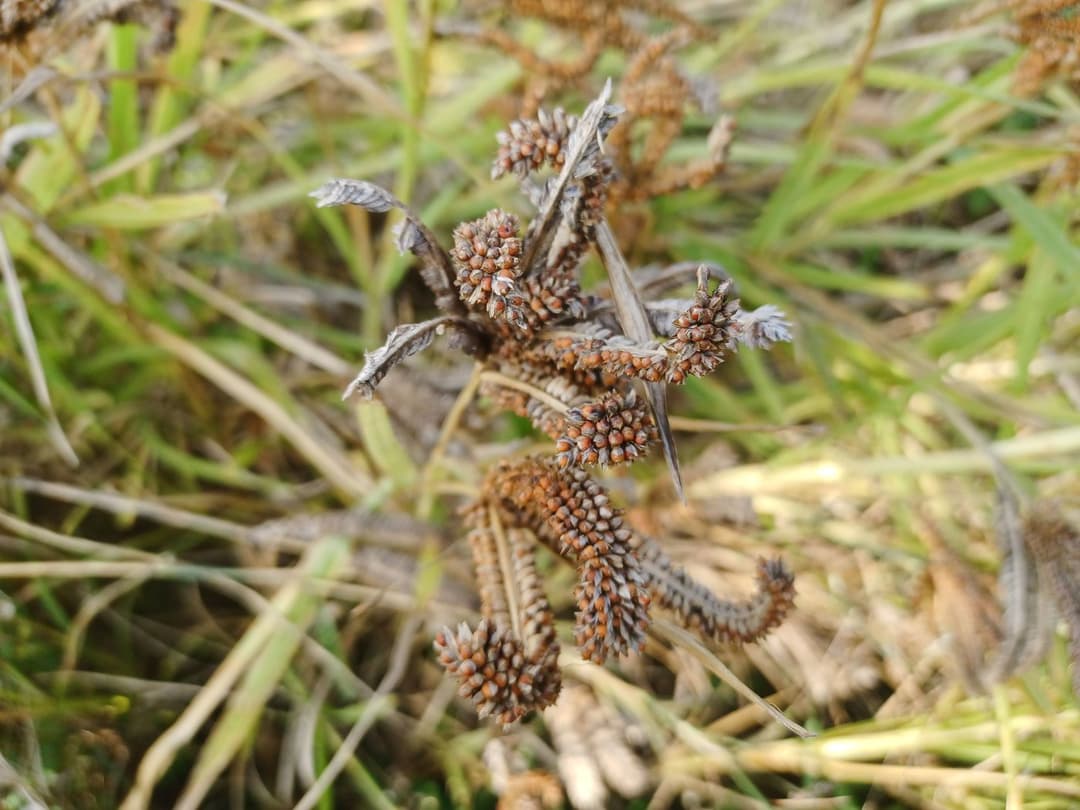
My trip to meet the ragi farmers of Krishnagiri district, Tamil Nadu, in December 2021, led me, unexpectedly, down the elephant path. I thought there would be discussions around the economics of farming. Sure, there were some. But mostly, I heard, in farm after farm, that the reason they are growing just enough ragi (finger millet) for their homes is – elephants. Between poor prices (25 to 27 rupees a kilo, instead of the 35 to 37 that will help them break even), climate change, and the spectacularly heavy rains, farmers have it rough. Add the trunks and tusks of elephants, and it has been, very nearly, the mammoth straw that has broken the farmer’s back.
“Elephants have so much talent. They have learnt how to hold down the wire ropes and cross wire fences. They know to use trees to short-circuit electric fences,” explains Anandramu Reddy. “And they always look out for the herd.” Ananda – as he’s called – is a farmer in Vadra Palayam hamlet, in Denkanikottai taluk. He walks us to the edge of the Melagiri Reserve Forest. That’s part of the Cauvery North Wildlife Sanctuary.