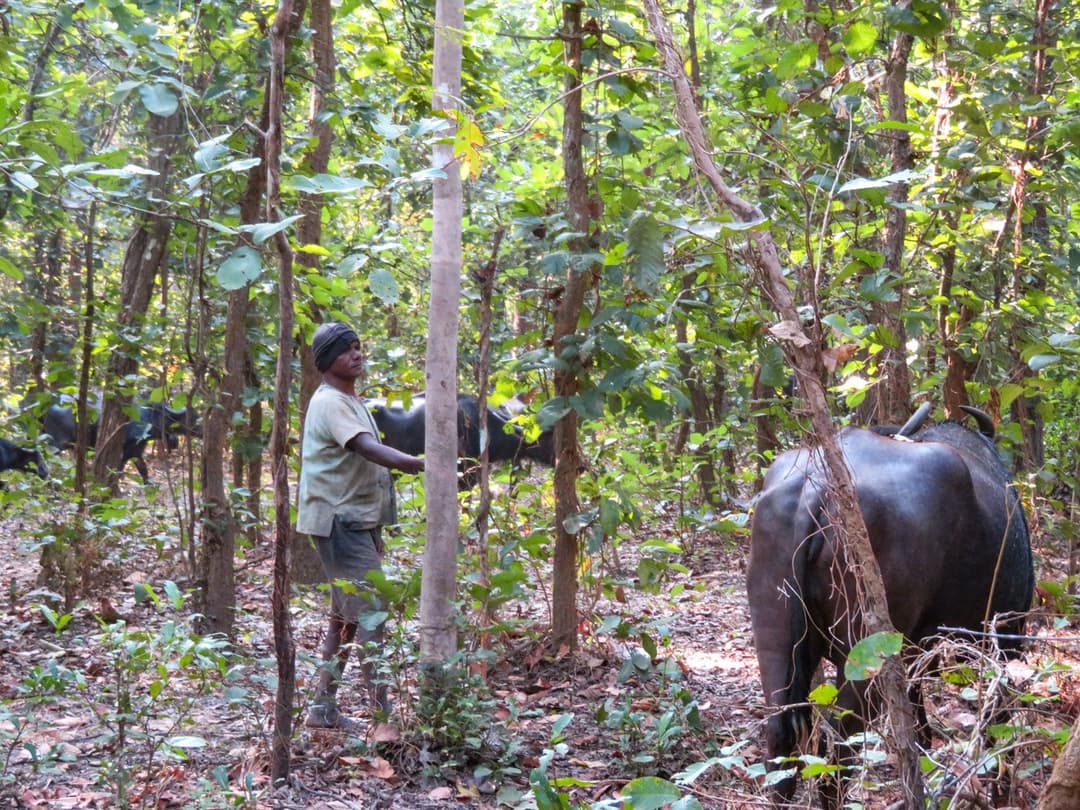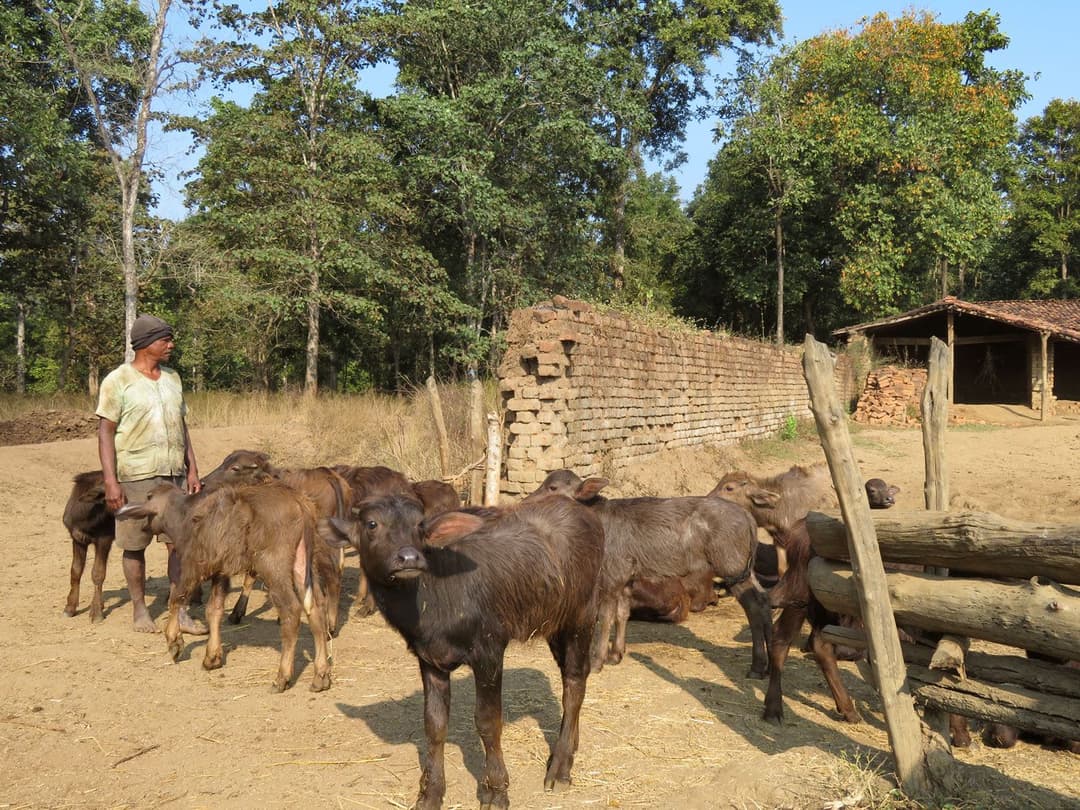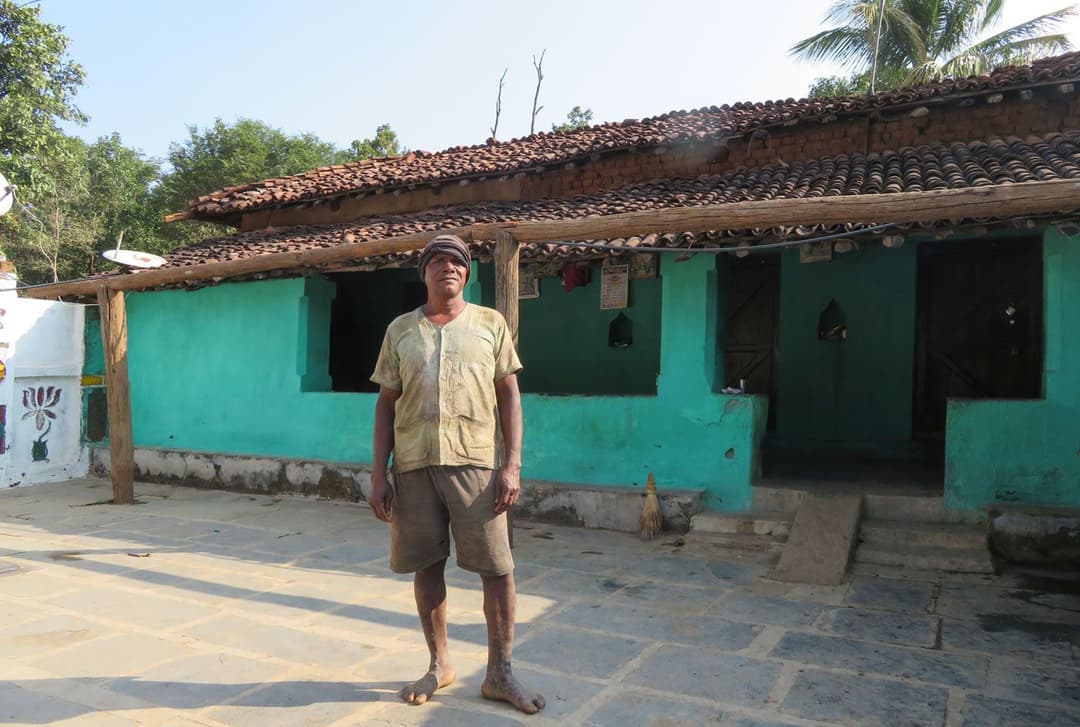

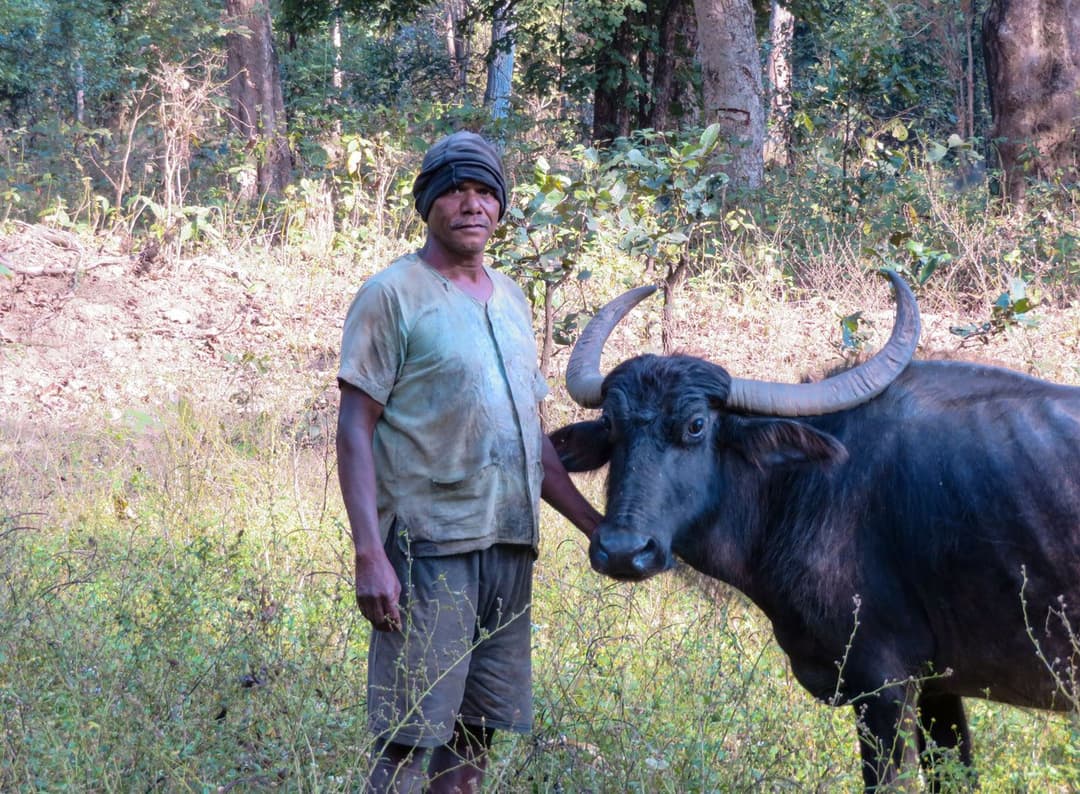
“I hit it with a stick, but it jumped at me and scratched my neck and arms with its paws. I was four kilometres inside the forest. My clothes were soaked in blood. I struggled to walk home.” Vishalram Markam spent the next two weeks in hospital recovering from that leopard attack. But he was happy that his buffaloes were unharmed. “The leopard even attacked my dogs. They ran away,” he says.
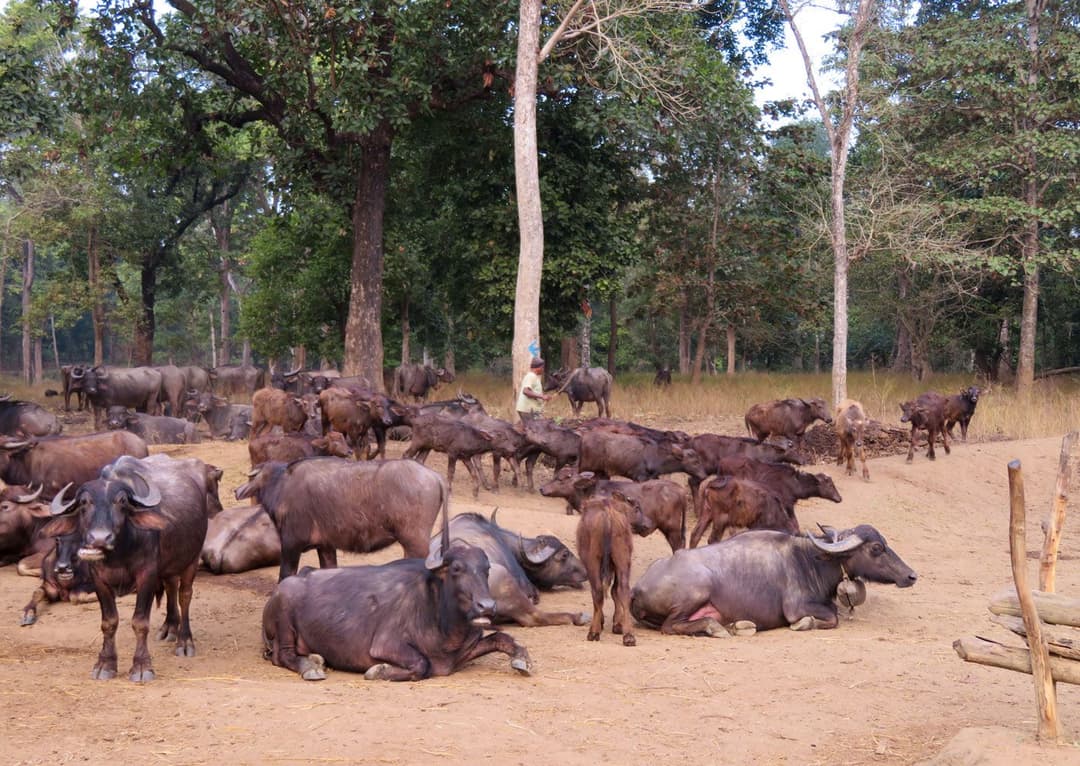
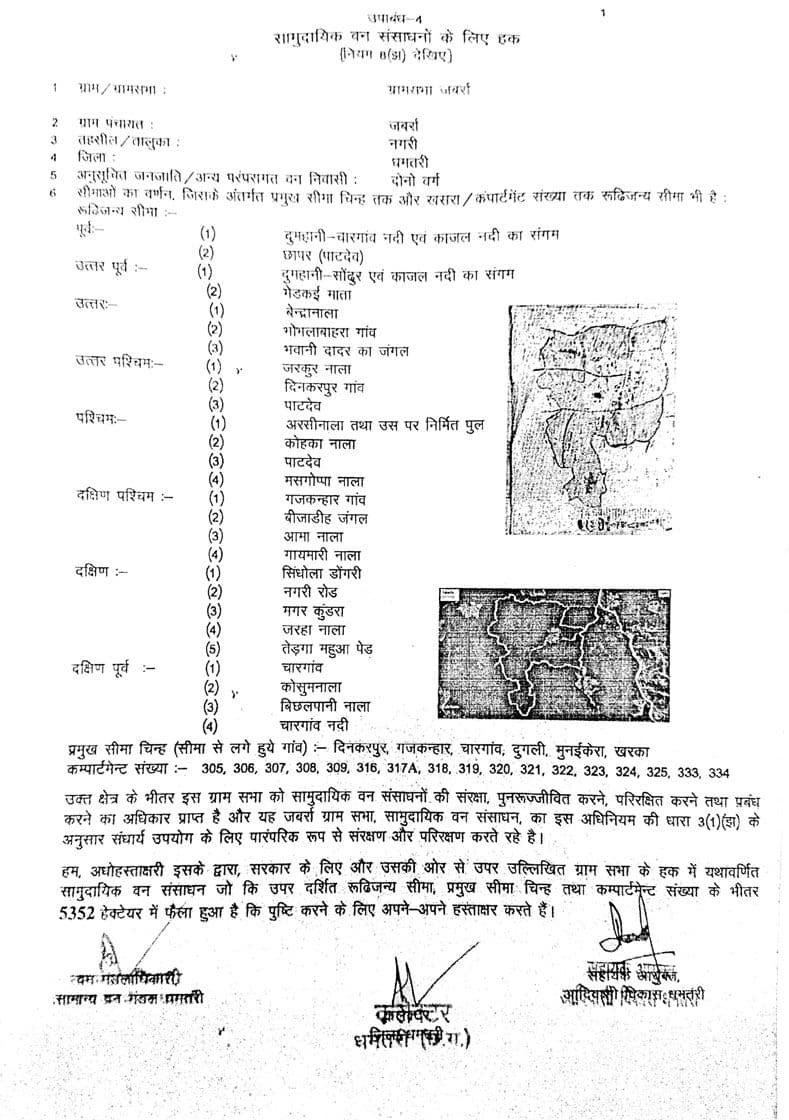
The attack took place in 2015. Markam laughs it off now, saying he’s seen predators up-close before and even after the attack. In Chhattisgarh’s Jabarra forest, where he grazes his buffaloes, one is likely to come across not just hungry leopards, but also tigers, wolves, jackals, wild dogs, foxes and wild boars, as well as sambhar and chital deer and the mighty bison. In summer, when the animals head for the few, sparse watering holes in the forest, chances of encountering hungry predators double, even triple.
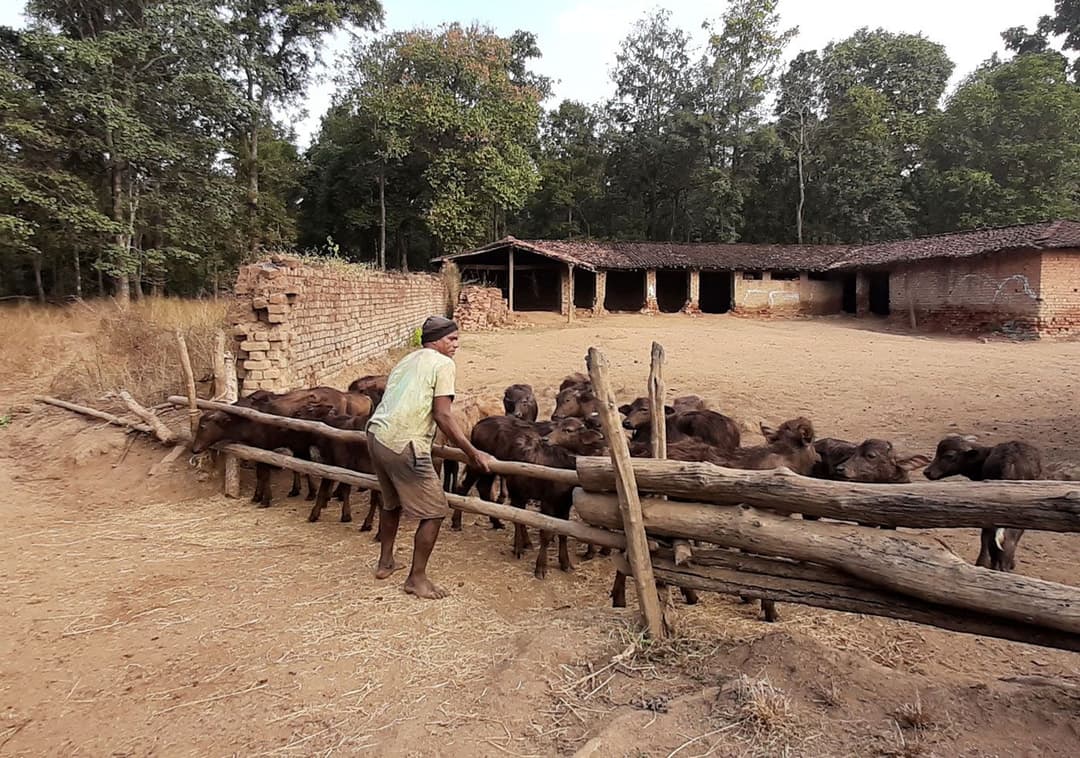
“My buffaloes wander into the forest on their own. I go looking for them only if they don’t come back,” says Markam. “Sometimes my animals don't return till 4 a.m. I use a double [strength] torch to search for them in the jungle at night.” He shows us his feet, the many scabs and blisters from his barefoot trips into the jungle.
His independently-minded buffaloes wander 9-10 kilometres into the forest next to Jabarra village, in Nagri tehsil of Dhamtari district, in search of grazing grounds every day. “In the summer, they travel double the distance to find food. “One cannot rely on the jungle anymore; the animals could die of hunger,” says Markam.