
Supari Putel had been inside far more hospitals for a decade than she would care to remember.
For long years, the hospitals visits were in Odisha and Chhattisgarh, for the treatment of her ailing 17-year-old son. And then, briefly, for her husband Sureswara, in Mumbai.
Both of them died within a span of four months in 2019, leaving Supari suffused with sorrow.
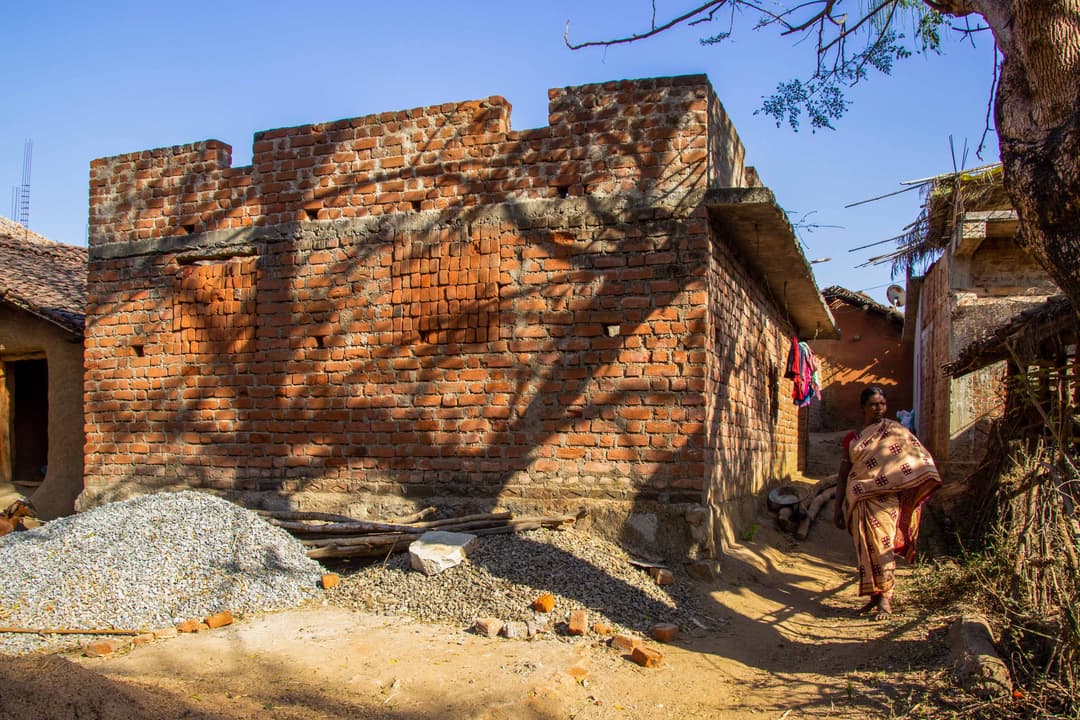
Her husband Sureswara was just 44. In September 2019, he and Supari had migrated to Mumbai – around 1,400 kilometres from their home in Odisha’s Balangir district. A local labour agent had recruited them for a construction site job. “We went to earn some money to repay our debts and complete the [building of] our house,” Supari said. Together, they earned Rs. 600 as daily wages.
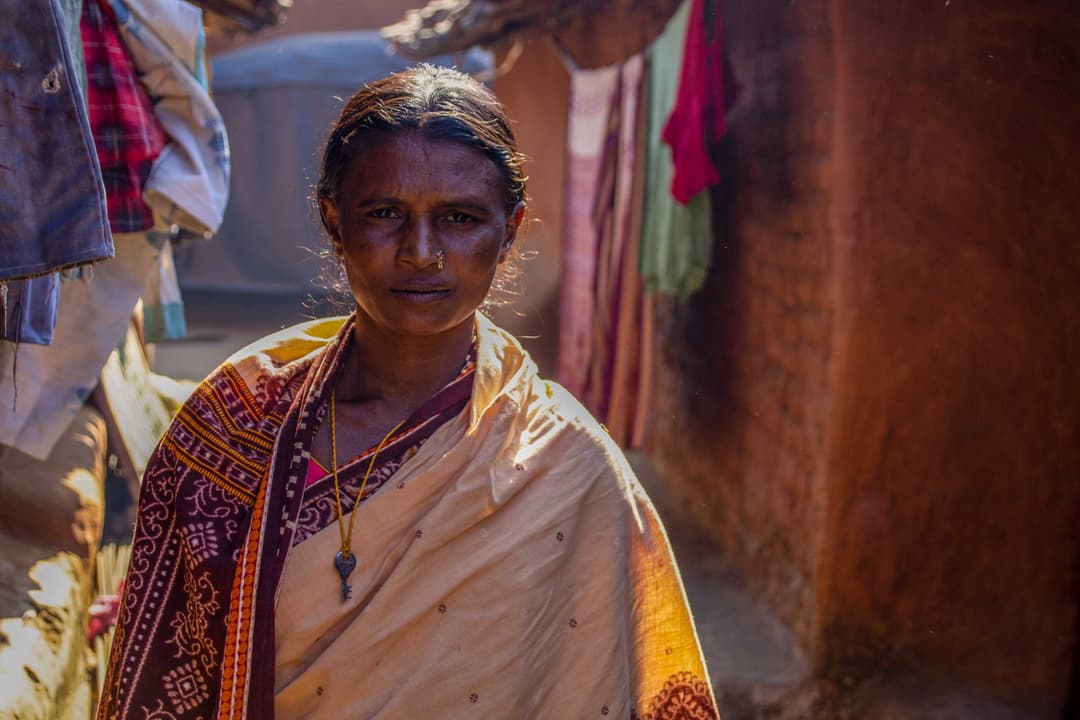
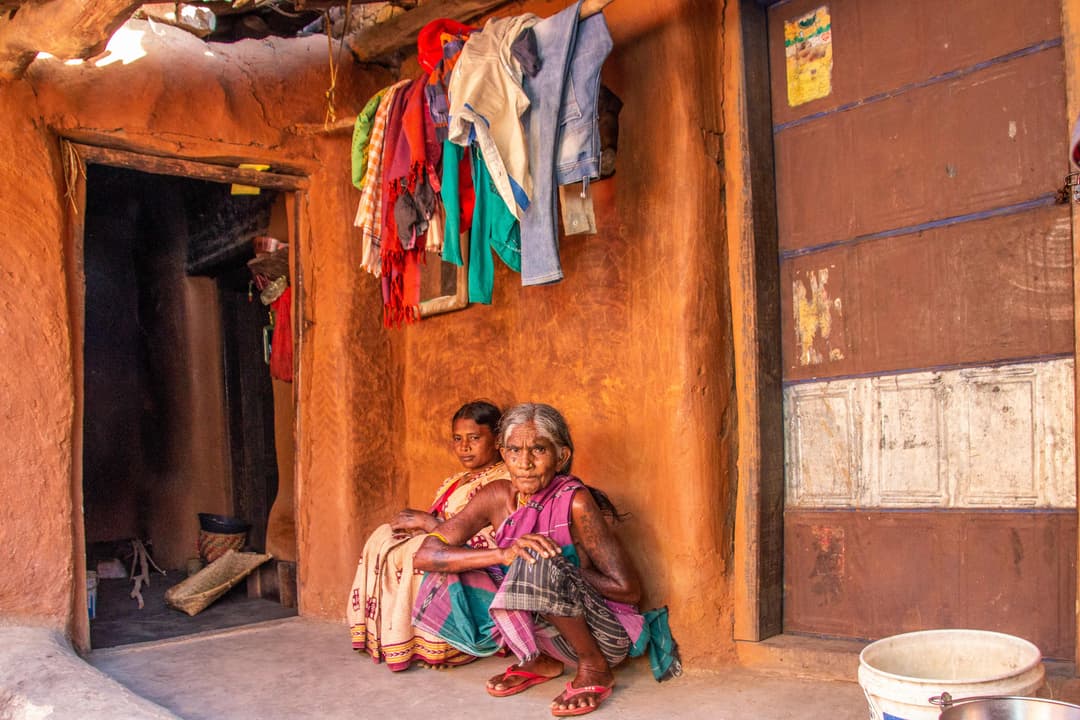
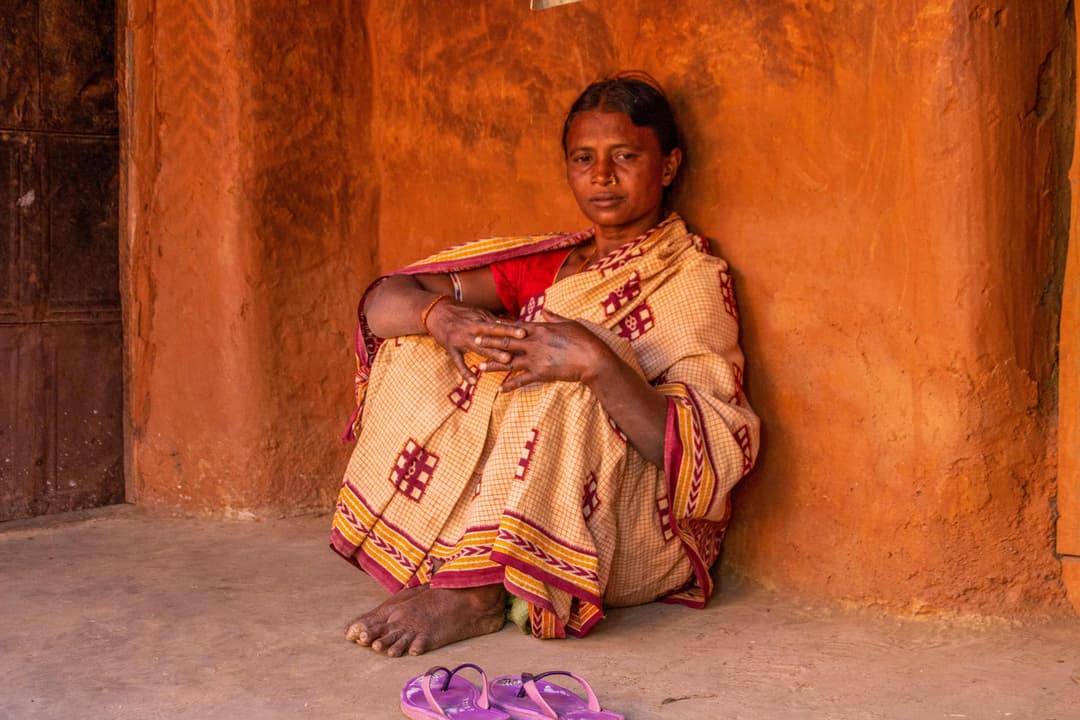
“One evening, while working at the site in Mumbai my husband was struck with high fever,” recalls 43-year-old Supari, sitting on the ground in front of her mud house in Hial, a village of 933 residents in Turekela block. She and her family belong to the Mali caste, an OBC.
Supari and the supervisor at the construction site took Sureswara, by autorickshaws and ambulance, to three hospitals in the peripheries of the city, before finally reaching Lokmanya Tilak Municipal General Hospital in Sion in north-central Mumbai.
“Each hospital kept sending us to another hospital as we did not have our Aadhaar cards and other papers [at the time]," said Supari. “He had [symptoms of] jaundice. His body became paralysed below the waist, so I kept rubbing his feet,” she adds, unsure of the specific illness. The very next day, November 6, 2019, Sureswara died at the hospital.