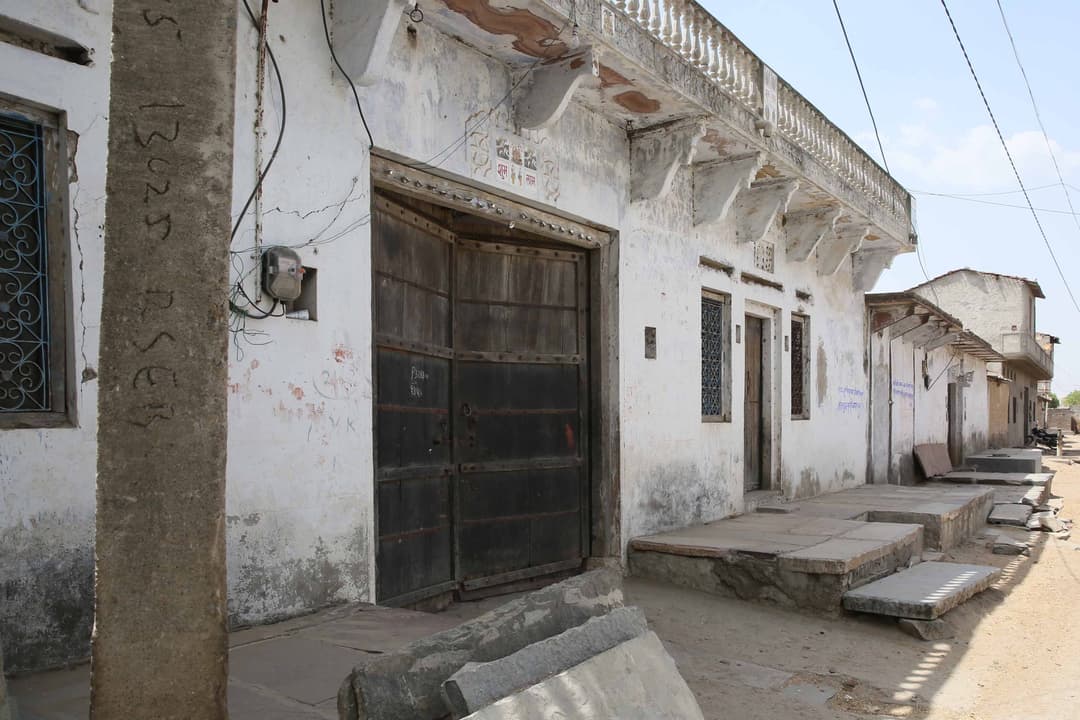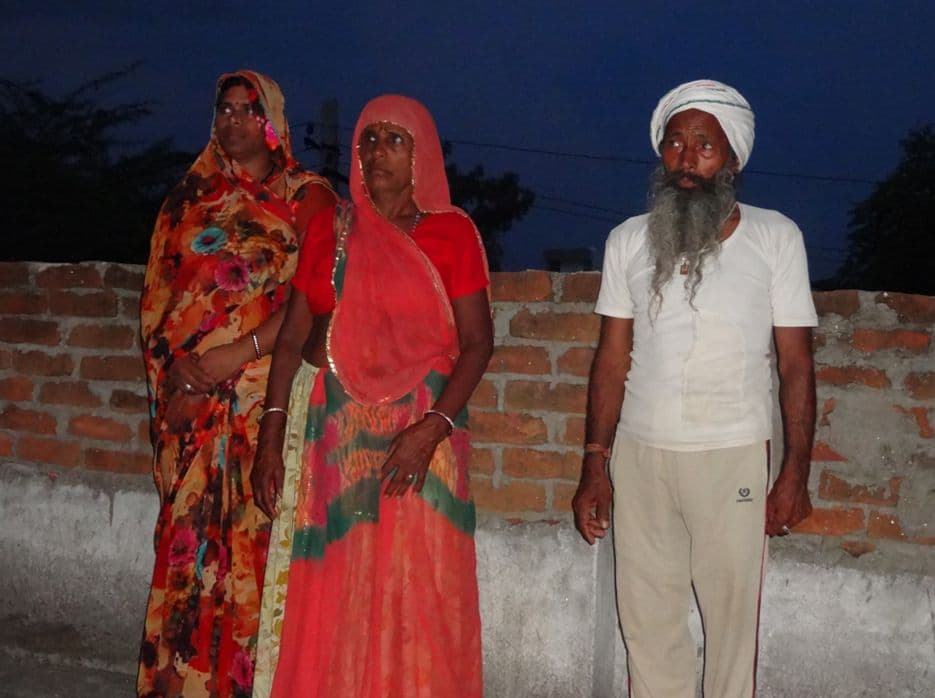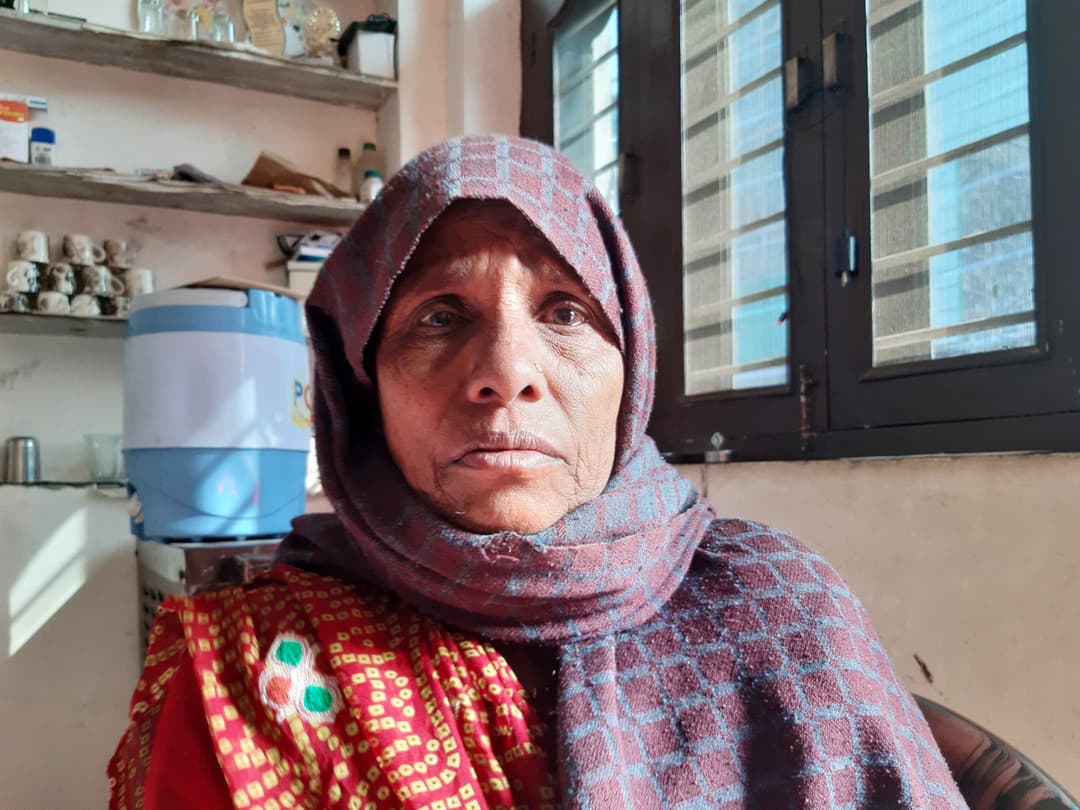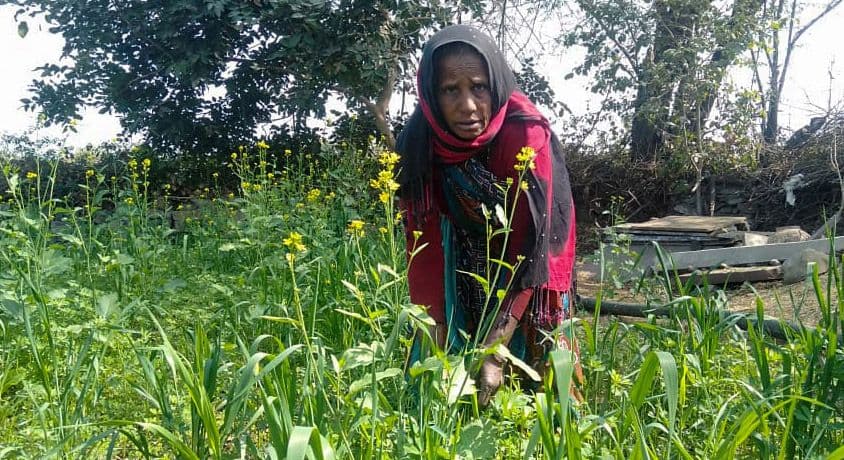

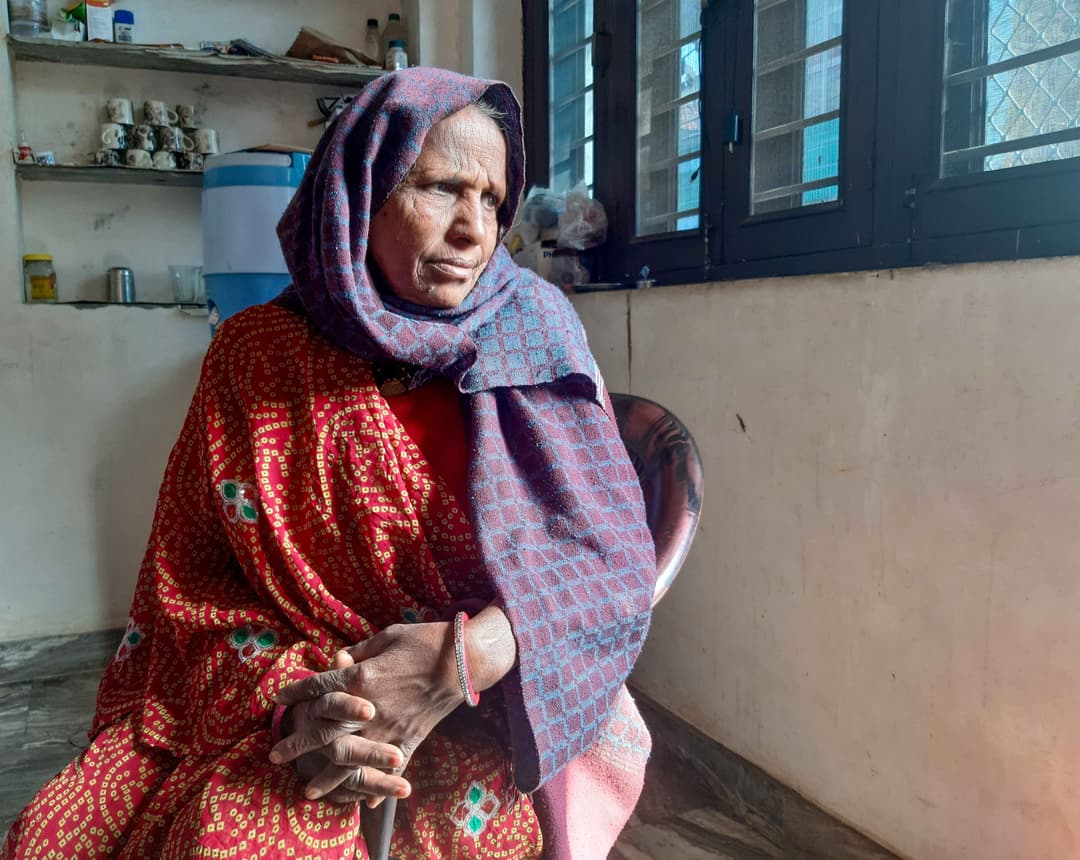
Fifteen years have passed since the day in January 2005 when Bholi Devi Vishnoi was branded as a dayan in Dariba. That day, three women in this village in Rajasthan accused Bholi of practicing witchcraft and making their children sick. They called her a witch in front of the entire village, alleging that she entered others’ bodies and caused illness.
Bholi and her family were forced to leave their home four months after the incident. They moved to Bhilwara city, 14 kilometres from Dariba, their village of around 500 households in Suwana block.
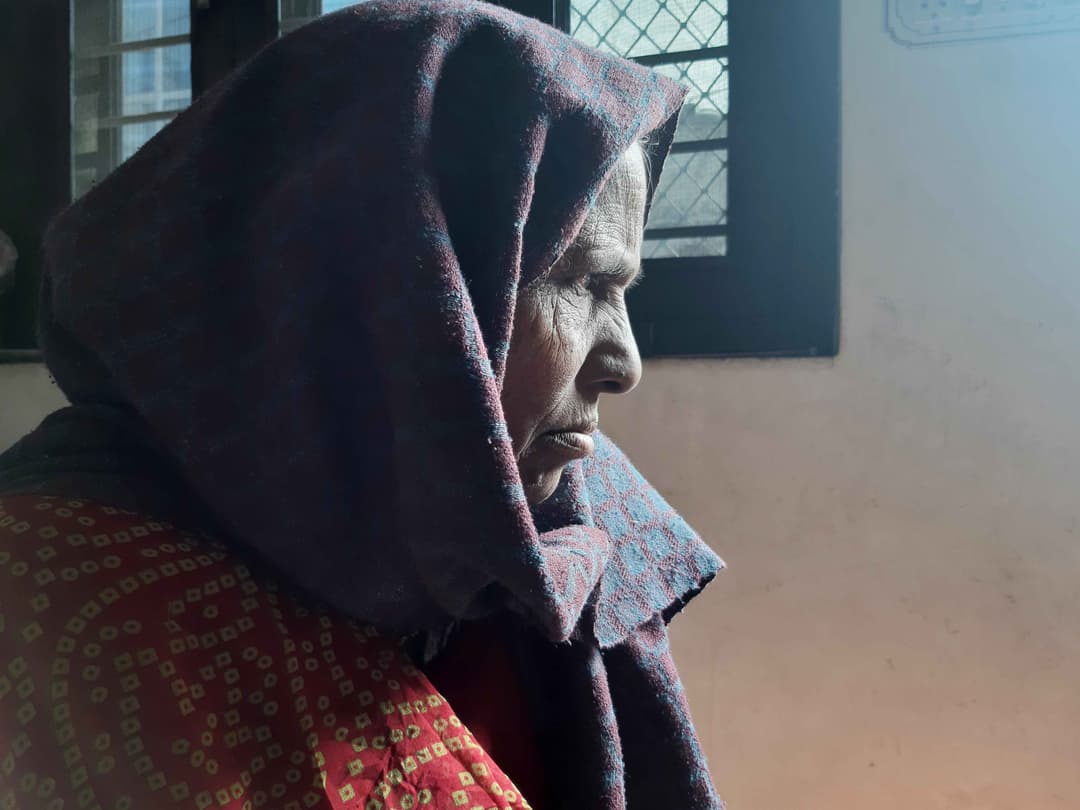
Bholi, now around 50 and a farmer and homemaker, says that she does not believe in witchcraft. But the label of ‘dayan’ (also ‘dakan’), custom dictates, will remain stuck to her until the women who accused her agree to accept prasad (ritual offerings) from her and “exonerate” her, she explains.
For long, Bholi tried everything to appease them at the behest of her relatives and others in the village – from going on pilgrimages to Pushkar, Haridwar and Kedarnath, and bathing in the Ganga, to observing fasts on auspicious days. She was told that these actions would release her from the stigma of being called a witch.
“After the pilgrimage and fast, following our traditions, a few couples are invited for a feast. But no one turned up to eat at my house,” says Bholi. Her family arranged meals at their home and in the village during local festivals, hoping to end the boycott. Bholi estimates that over the years they must have spent more than Rs. 10 lakhs on the feasts.
The boycott Bholi faced is not rare in Bhilwara district, says Tara Ahluwalia, who lodged the first information report (FIR), through a court application, on behalf of Bholi and her family a few days after the incident in 2005. Ahluwalia is a social activist based in Bhilwara town.