

“I remember rats falling down from roofs and dying in our homes. It was the most ominous sight I have ever seen. You might laugh at it today, but a rat falling from the roof meant we had to leave our houses, not knowing when we could return.”
That vivid and graphic account comes from A. Kuzhandhaiammal, a resident of Kalapatti locality in Coimbatore. Now in her 80s, she was not yet in her teens when plague struck that Tamil Nadu city for the last time, in the early 1940s.
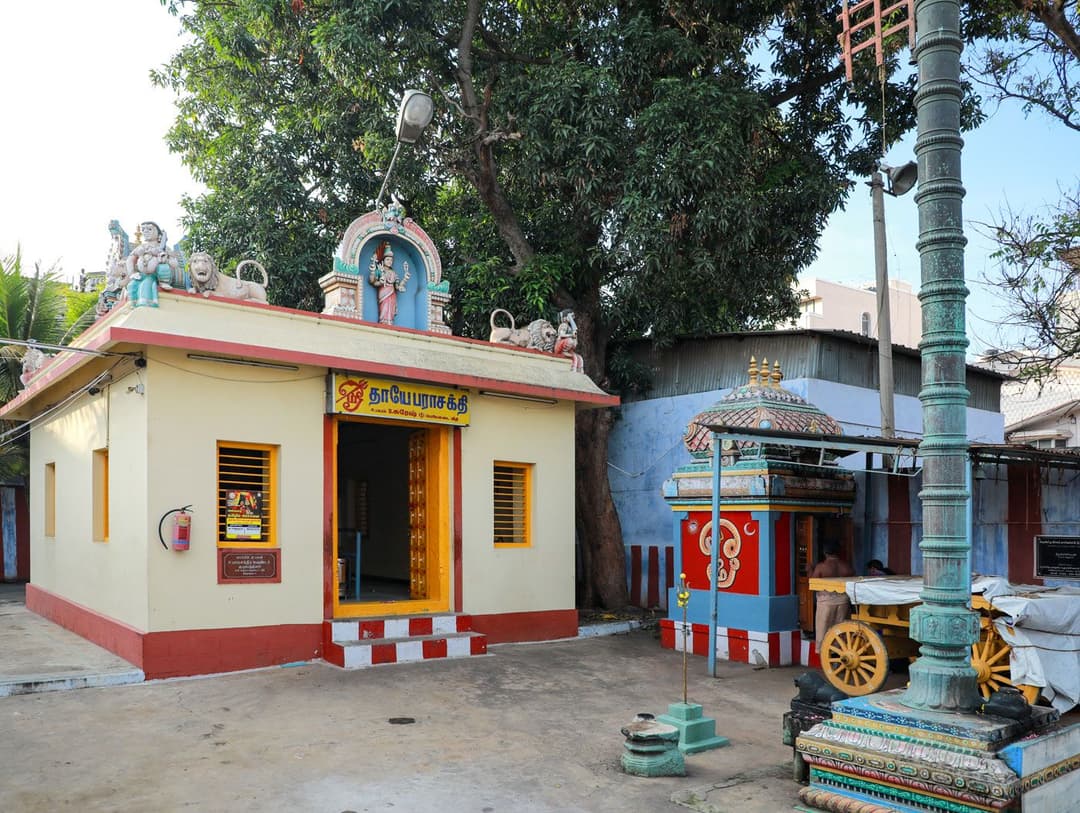
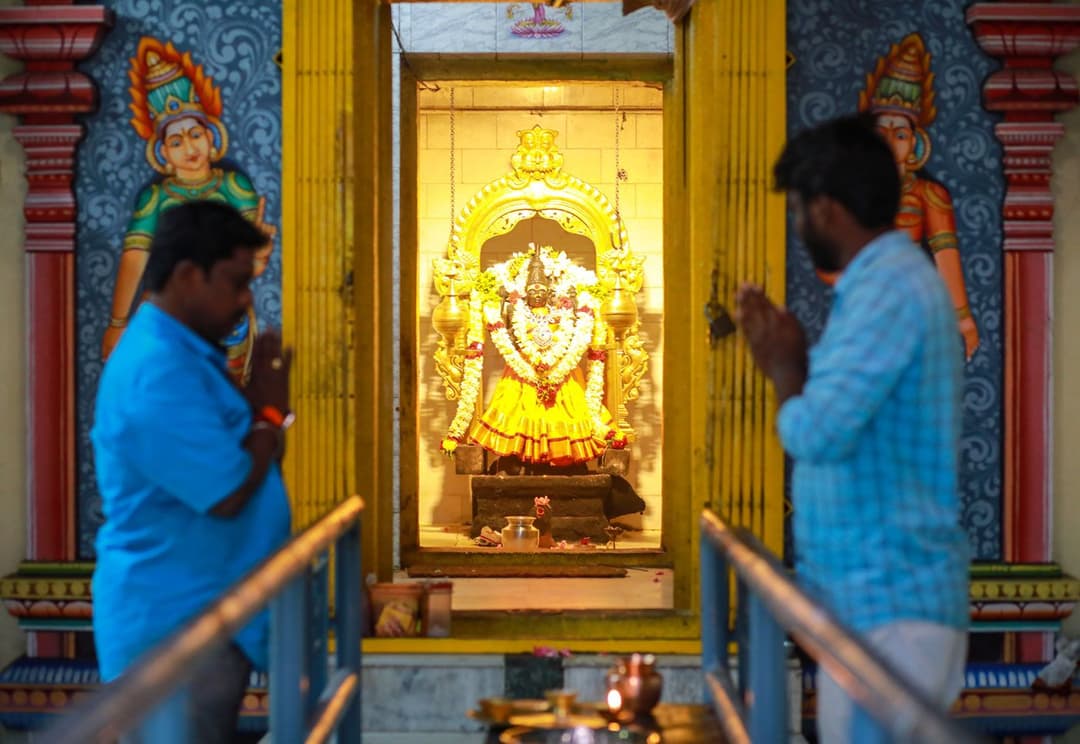
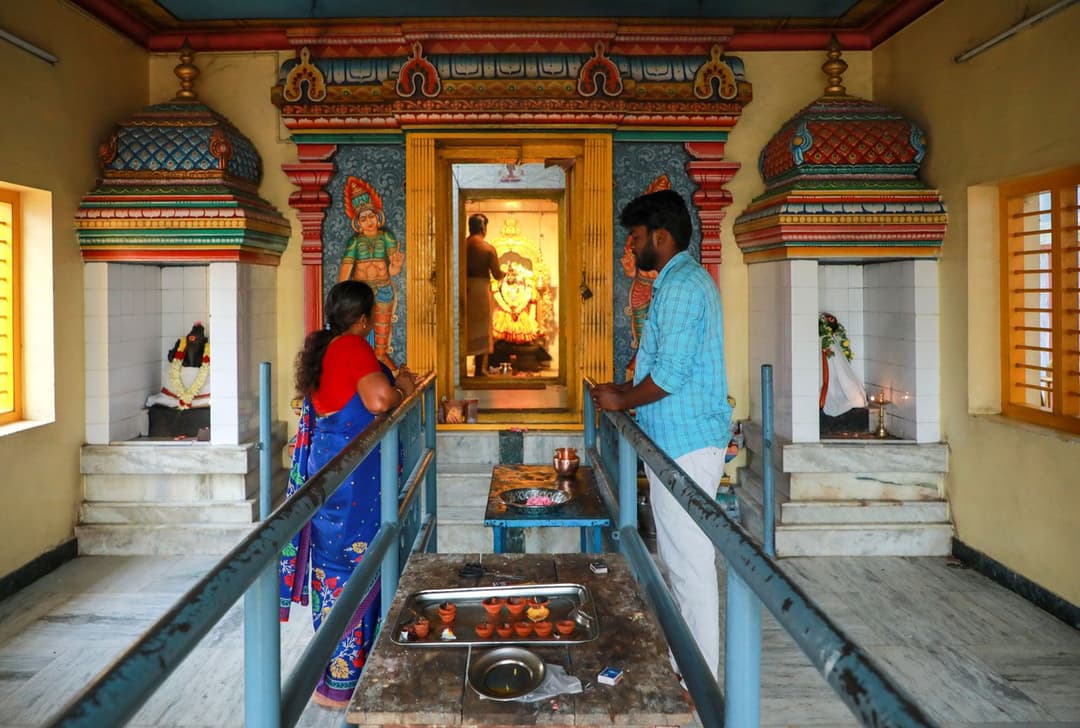
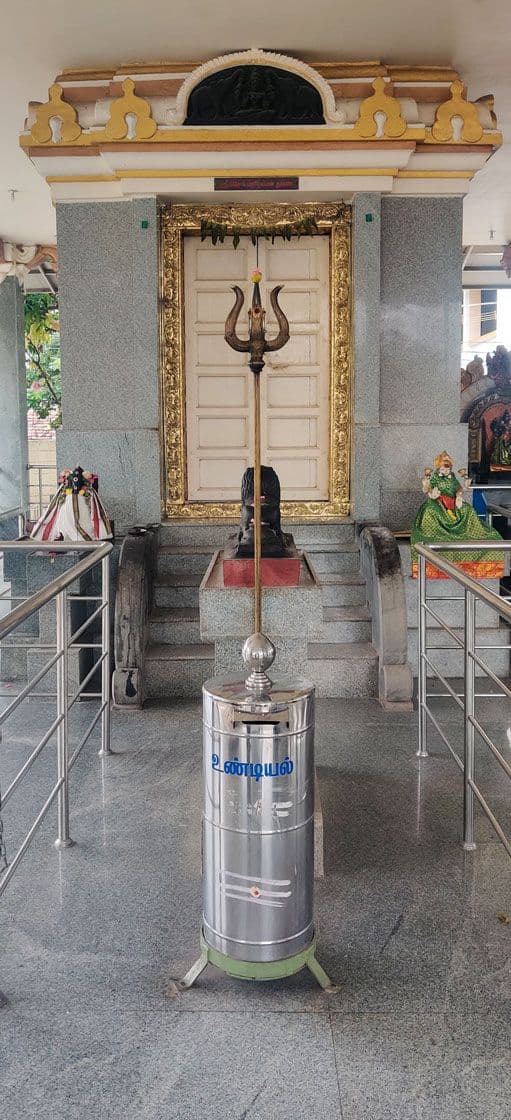
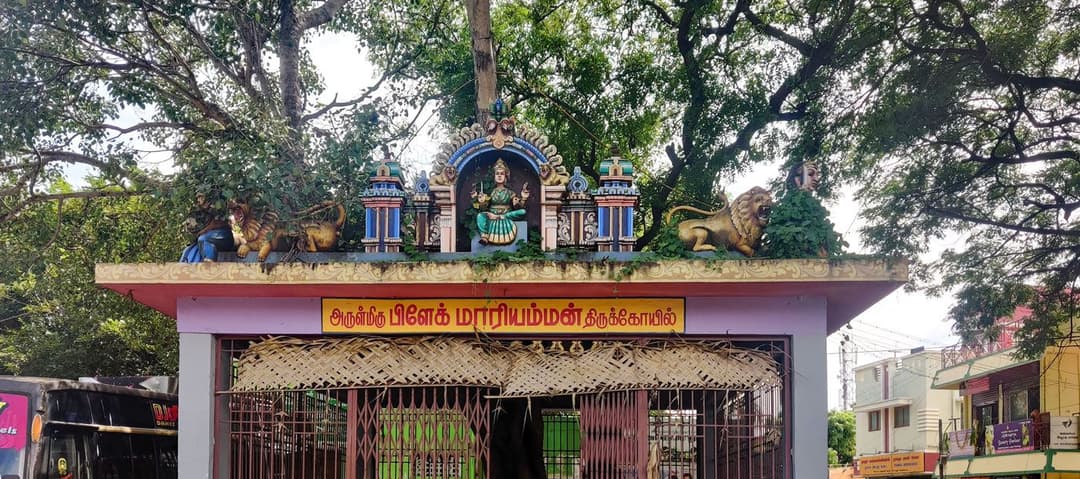
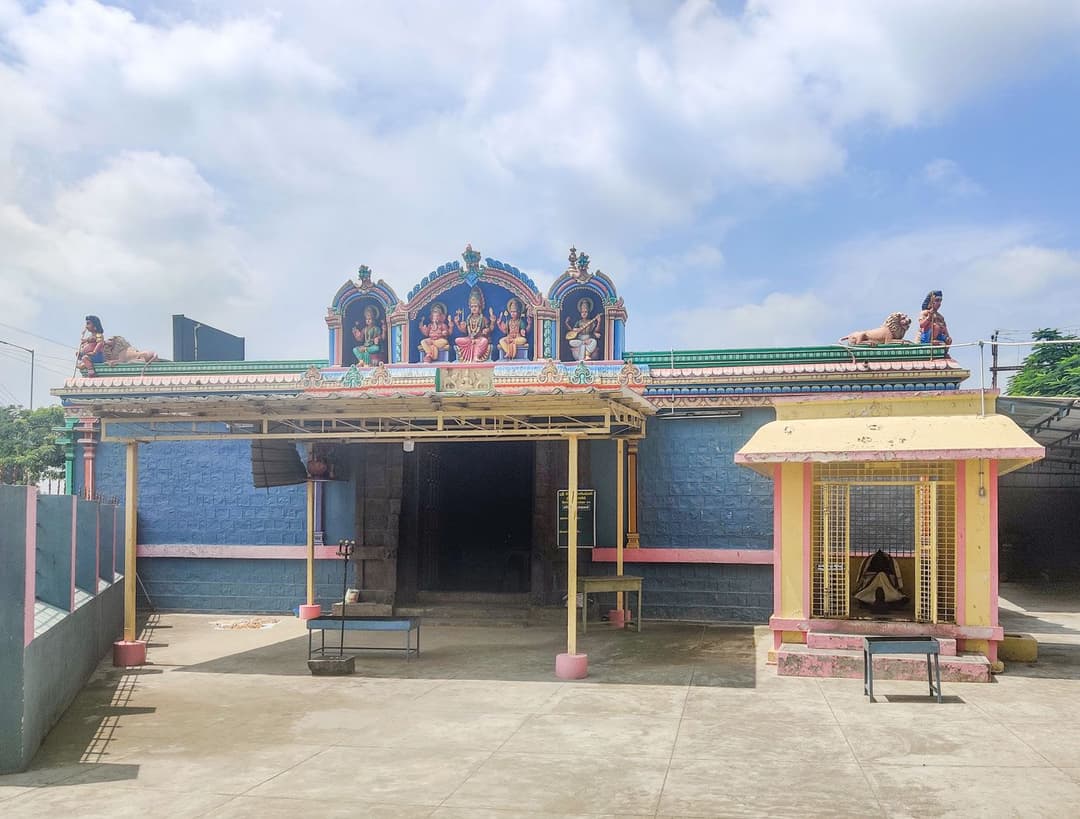
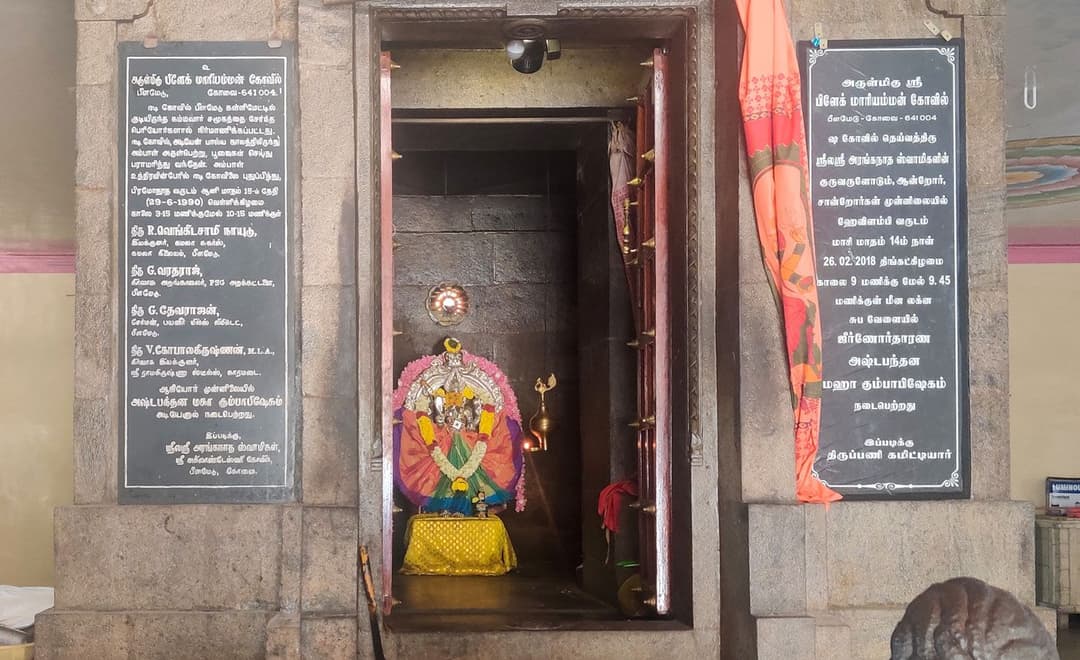
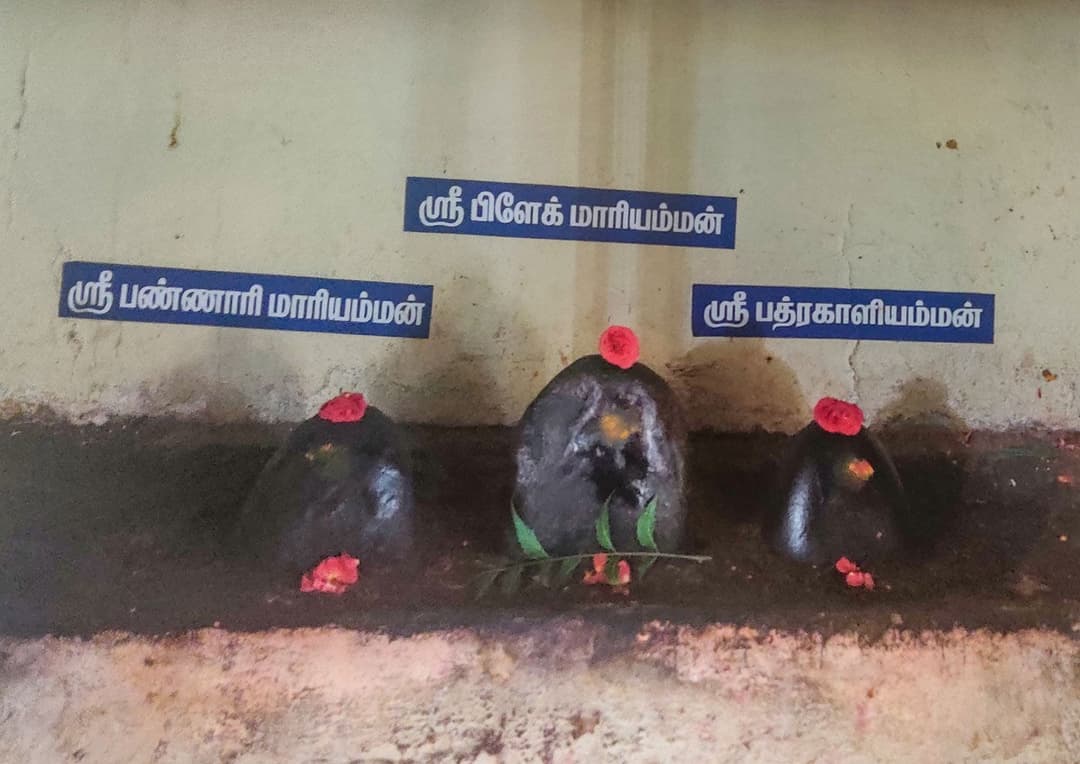
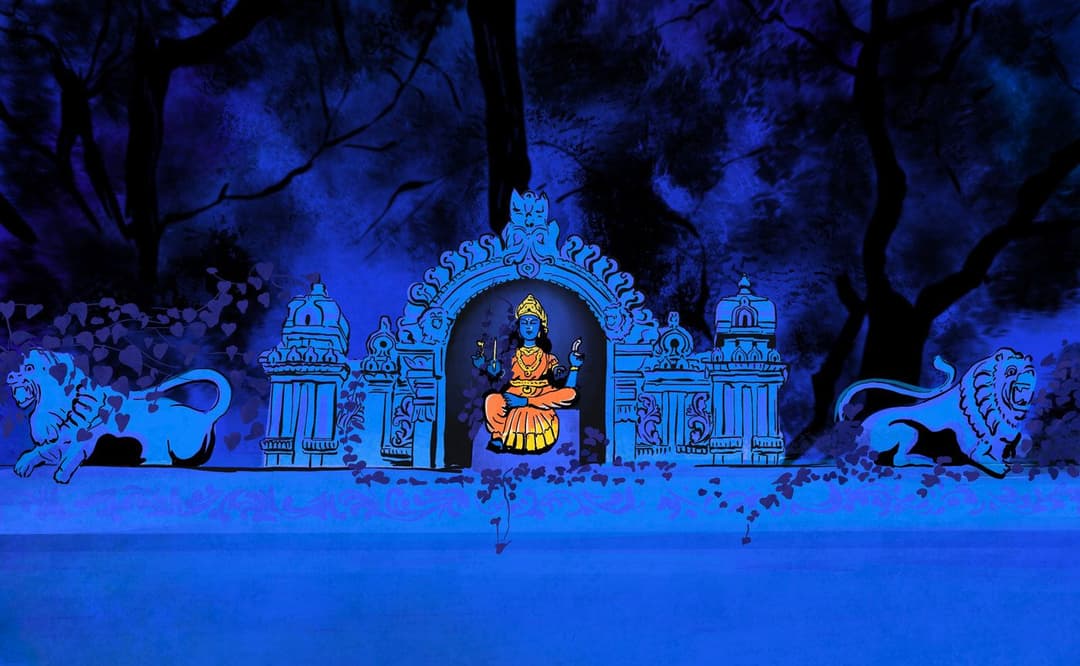
Coimbatore’s unhappy history of epidemics – ranging from smallpox to plague to cholera – has seen the rise of a phenomenon that exists elsewhere but seems concentrated in this region. The proliferation of ‘Plague Mariamman’ temples. There are 16 of them in this city.
And, of course, the Covid-19 pandemic has seen the coming of a ‘Corona Devi’ temple as well. But it is the Plague Mariamman (also called Black Mariamman) shrines that command a far greater following. There are a few in neighbouring Tiruppur district too that still hold festivals and attract visitors.
From 1903 to 1942, Coimbatore suffered at least 10 bouts of plague, killing thousands of people. Decades after it left, plague remains etched in the collective memory of this city. For many old-timers like Kuzhandhaiammal, the mention of plague is a chilling reminder of what the city historically lived through.
Outside of what is perhaps the most famous of the Plague Mariamman temples in the bustling Town Hall area, a flower seller is readying for a busy evening. “Today is Friday. There will be a good turnout,” says Kanammal, in her 40s, without lifting her eyes from hands that continue to intricately weave the flowers together.
“She is powerful, you know. It doesn’t matter that we have a Corona Devi temple now. Black Mariamman is one of us. We will continue to worship her, especially when we fall sick, but even for other kinds of general prayers too,” says Kanammal. By ‘general prayers’ she refers to the more routine demands of devotees – prosperity, success and long life. Kanammal was born nearly four decades after the end of the plague era. But many of her generation, too, flock to Mariamman for succour.