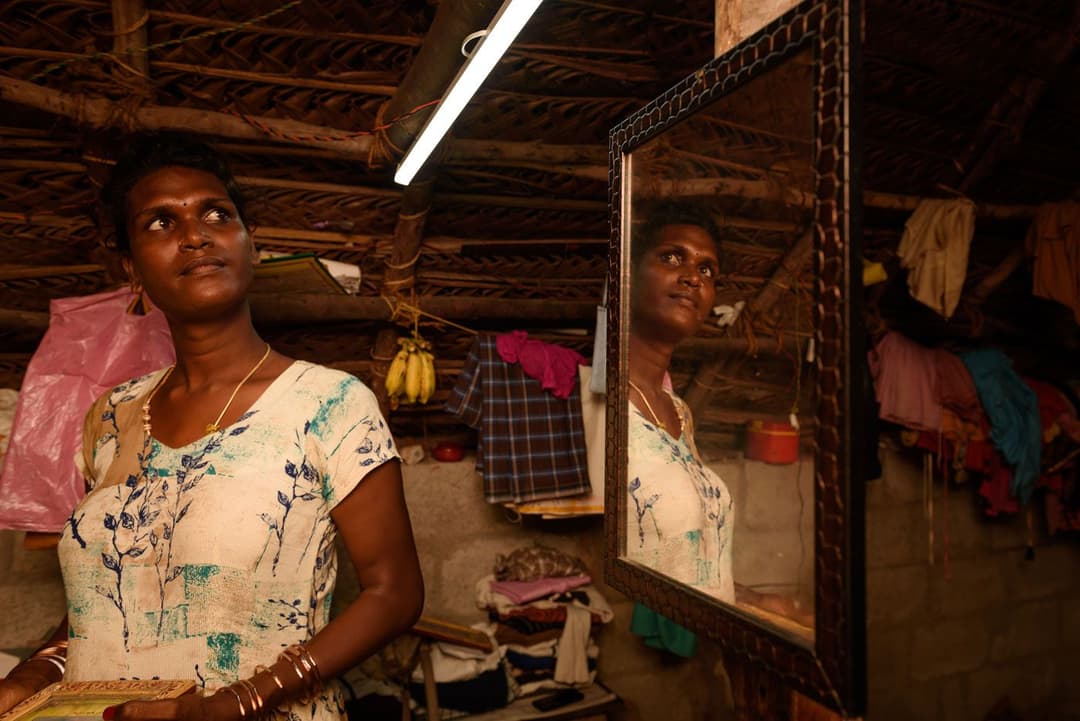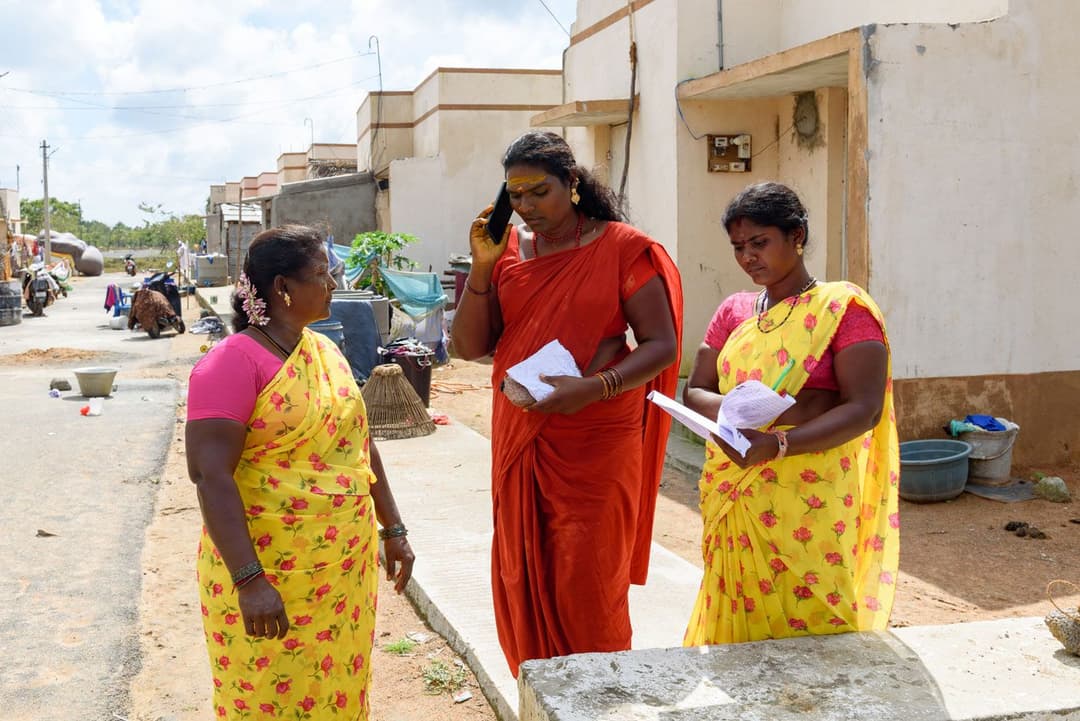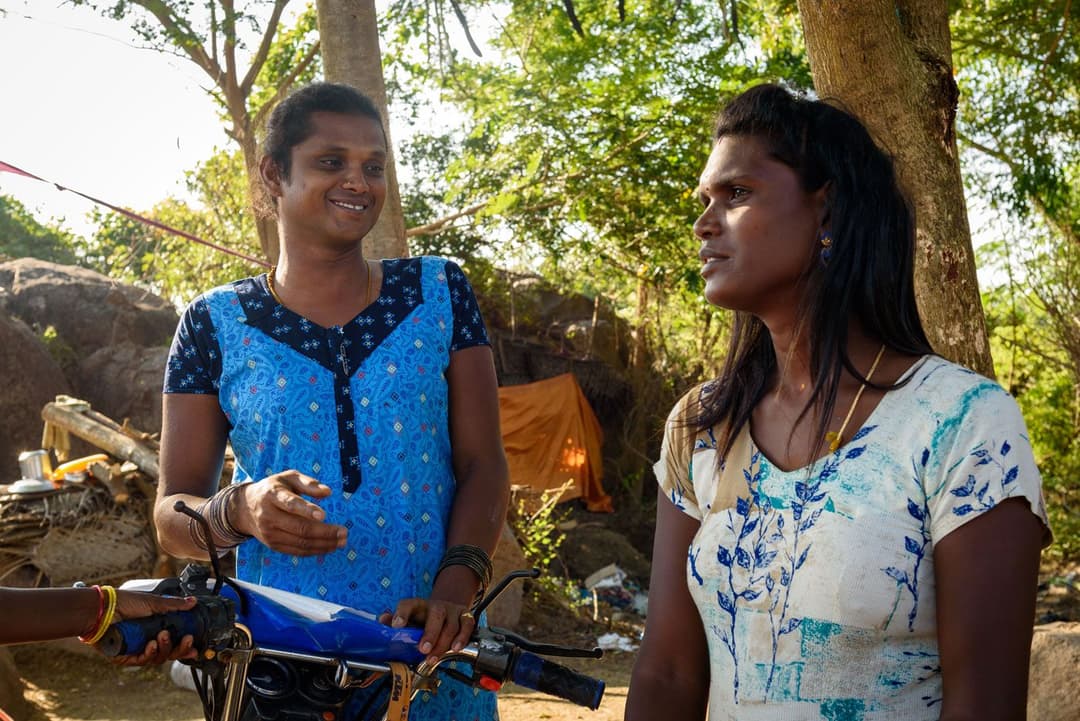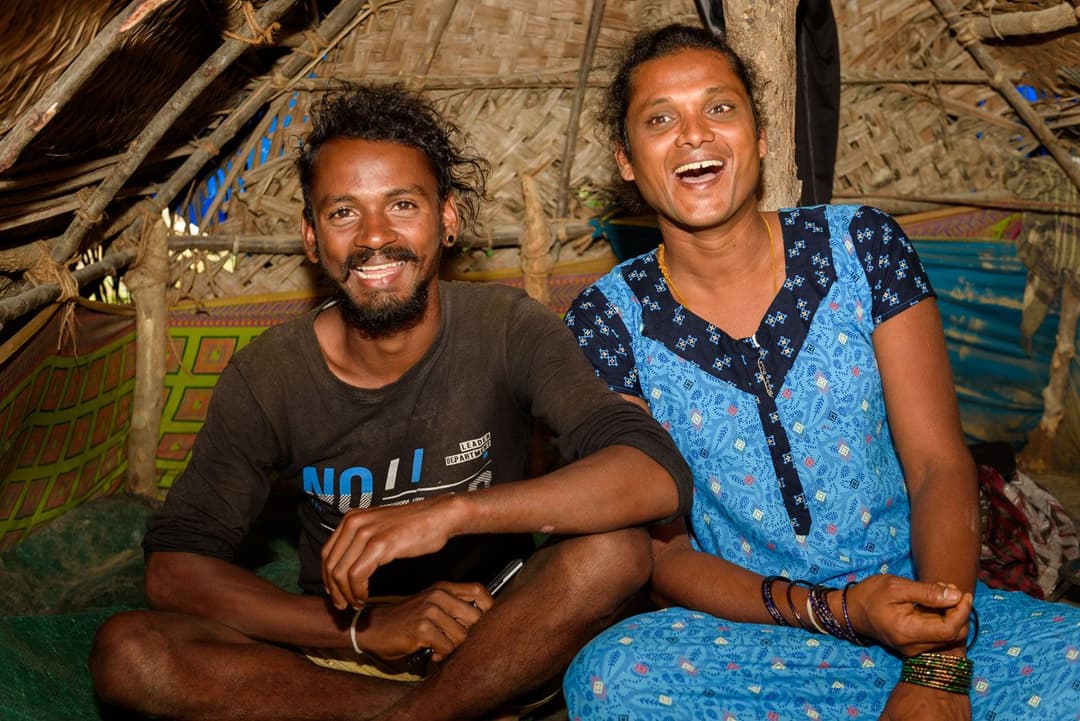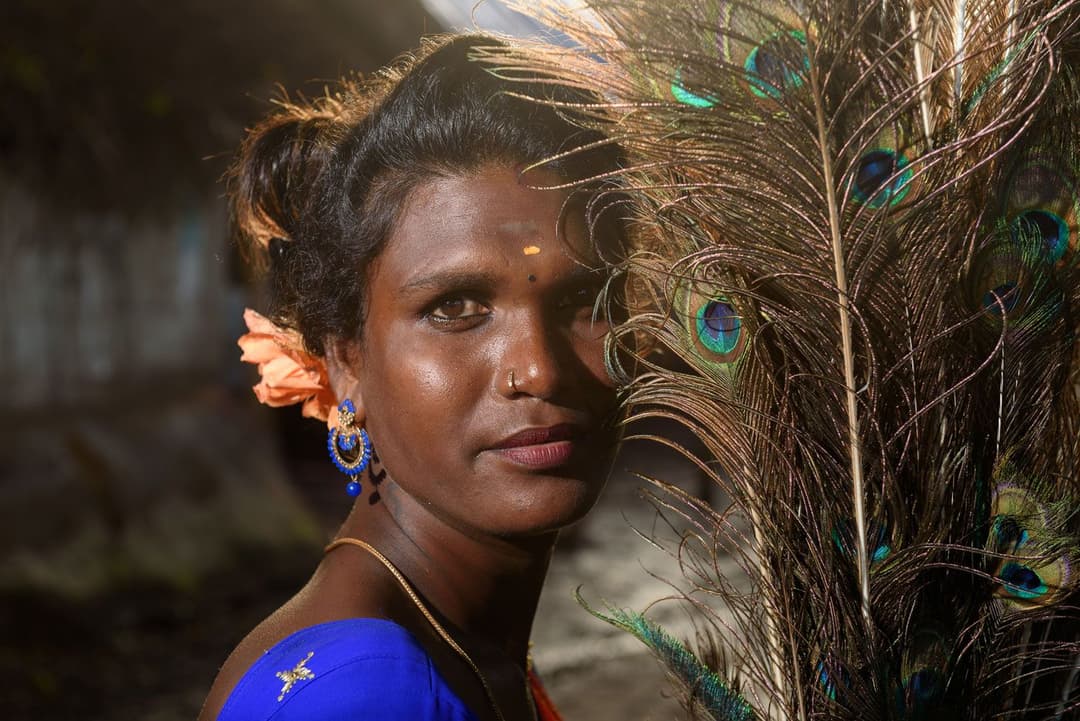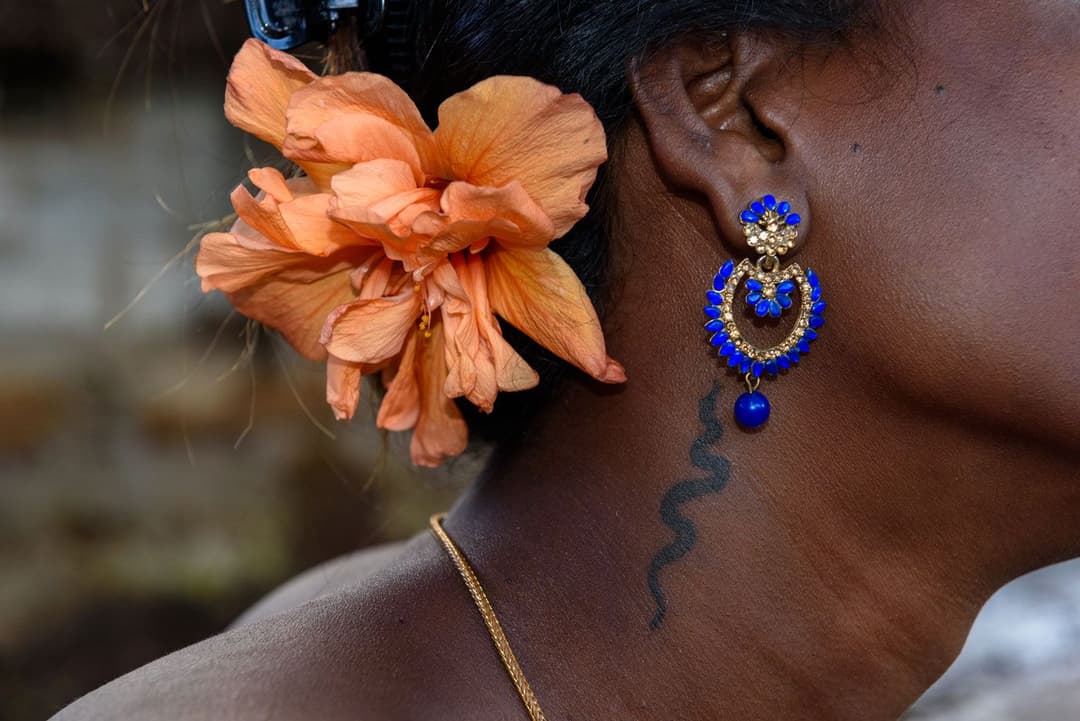

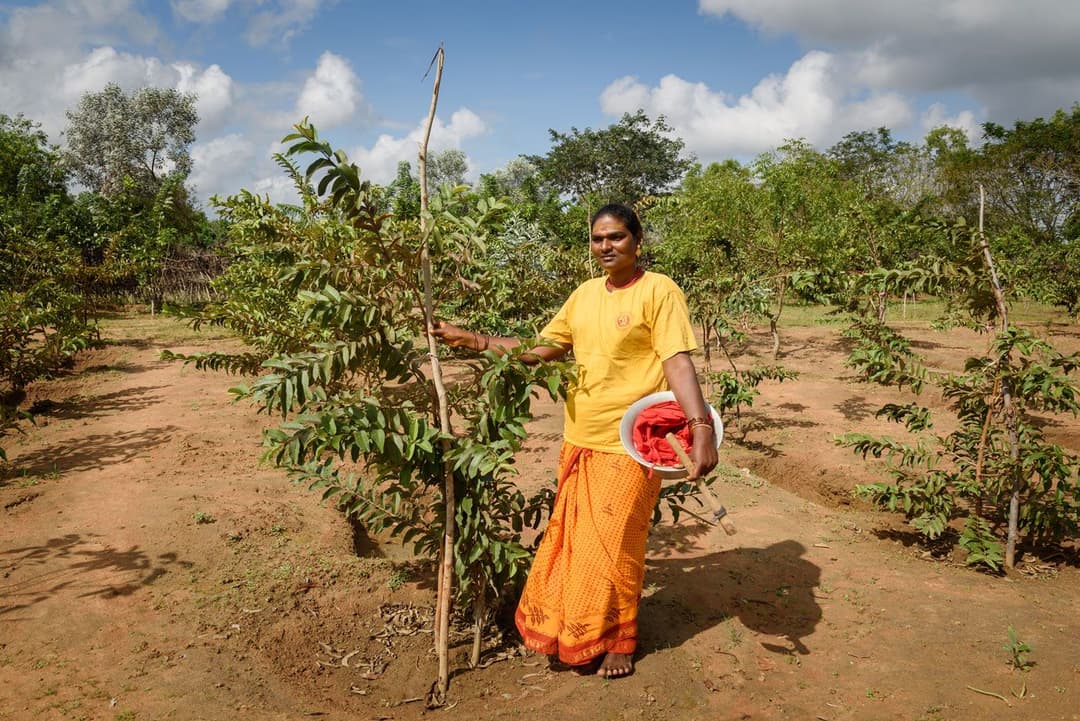
In Class 5, Ramya, raised as a boy, began to identify as a girl.
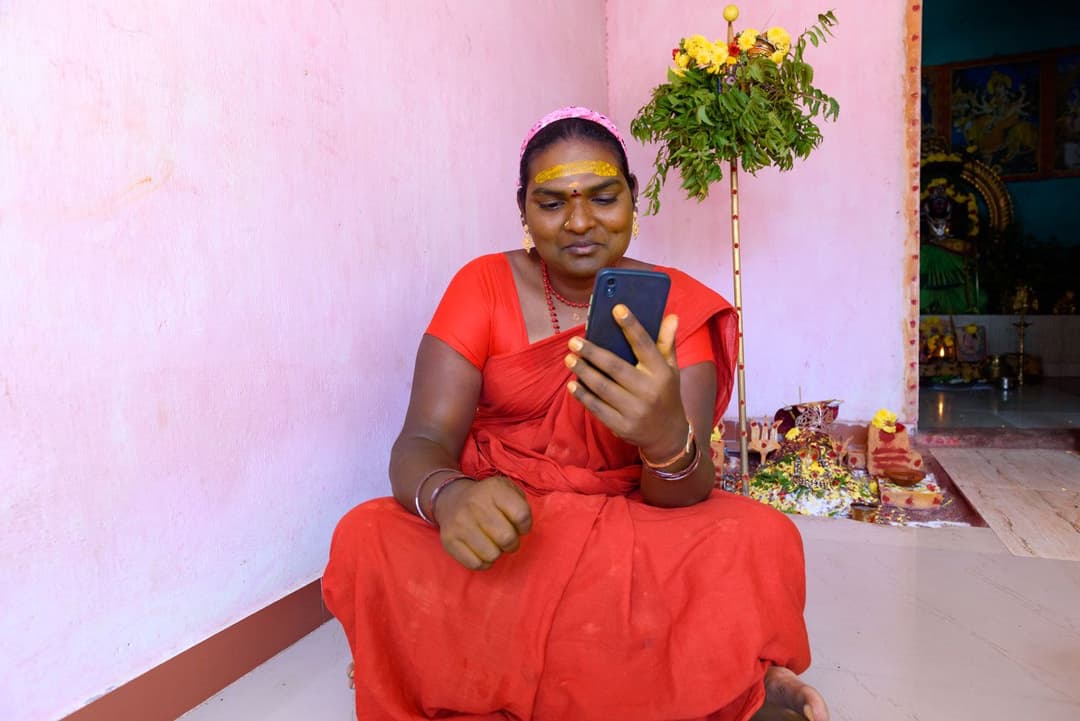
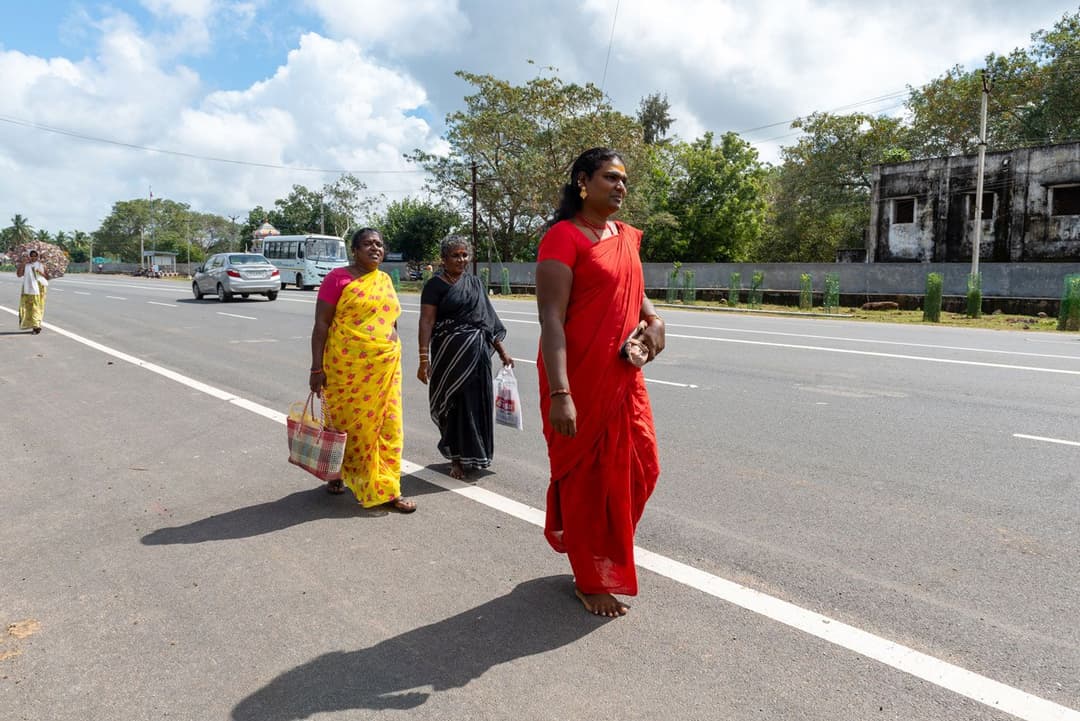
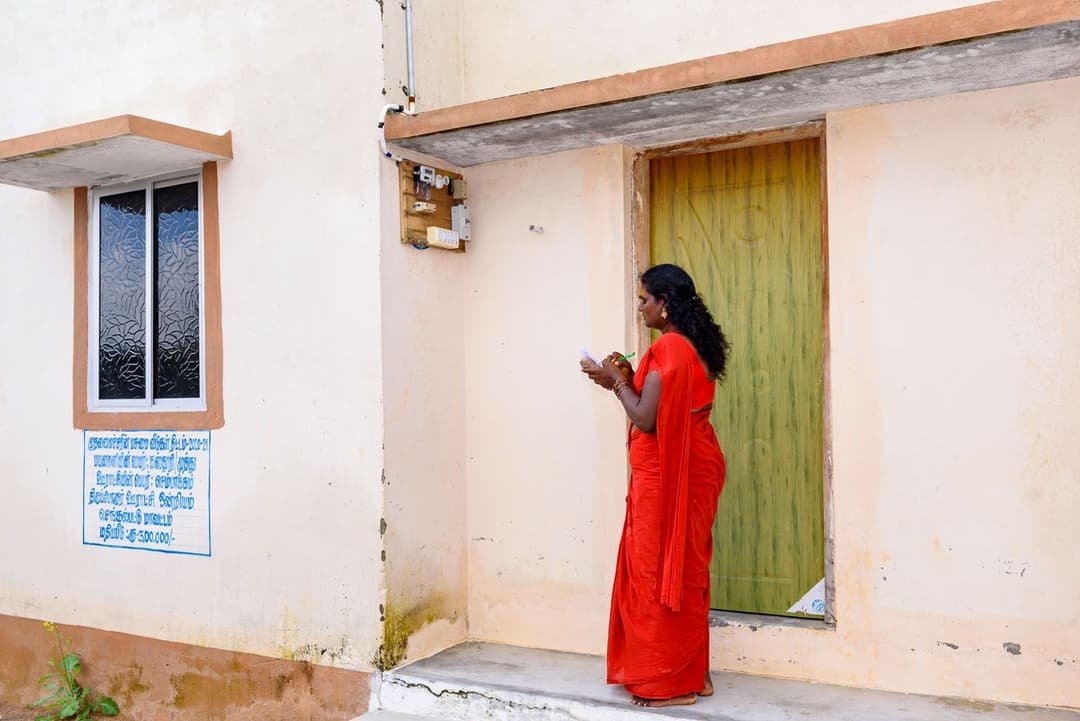
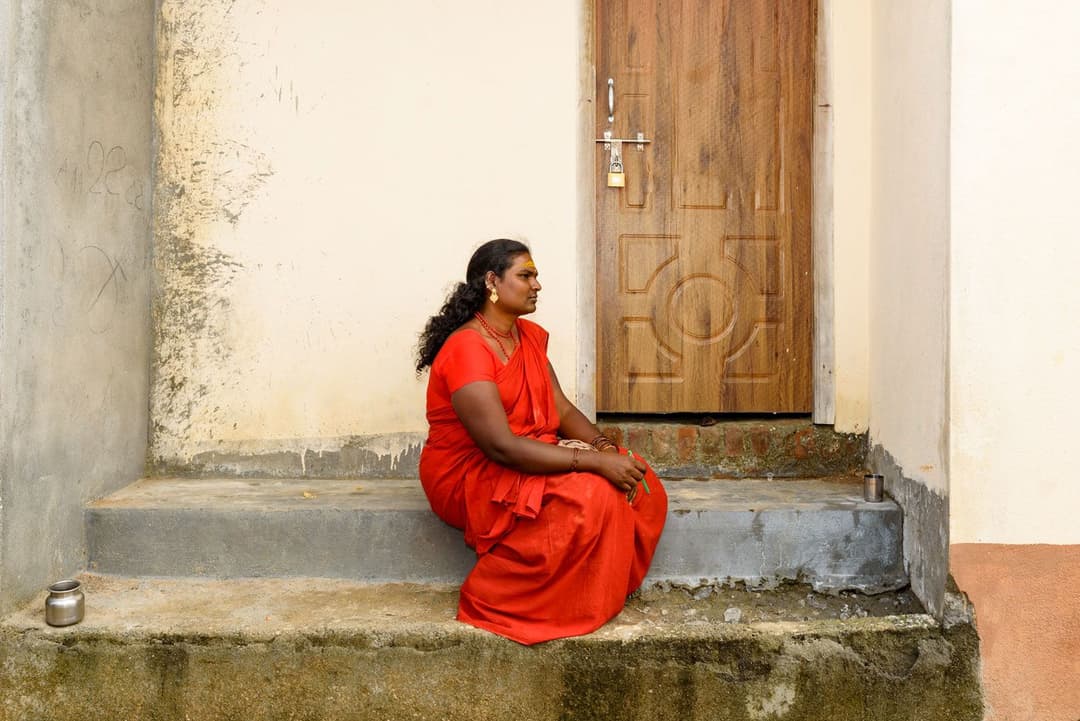
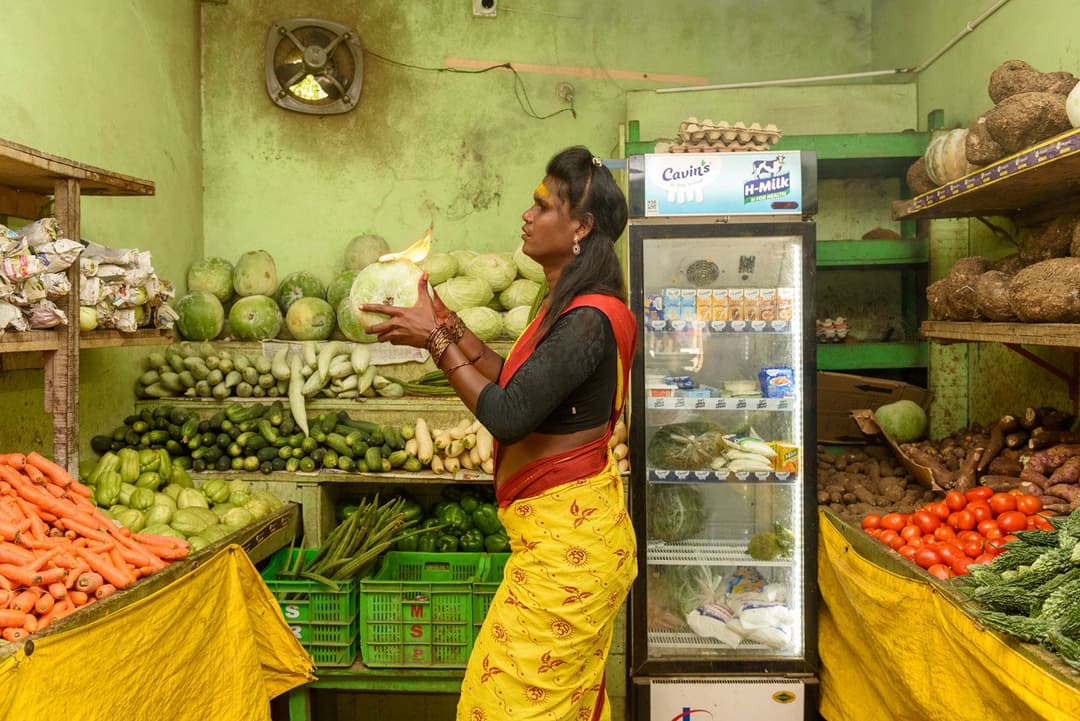
“In [middle] school I had to wear shorts and my thighs showed,” she says, “It was embarrassing to be made to sit with the boys.” Now in her thirties, she wears a red saree and sports long hair, embracing her identity as a woman.
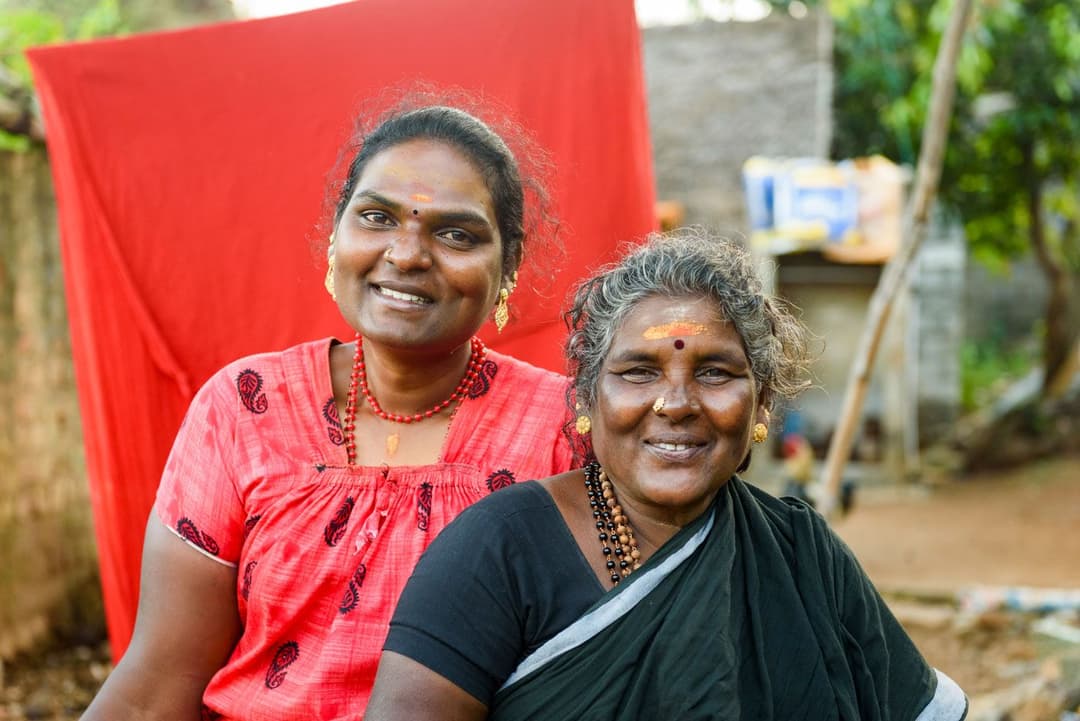
Ramya manages a small amman (goddess) temple in Thiruporur town, Chengalpattu district. Her mother Vengamma is seated on the floor next to her. “While growing up he [pointing to Ramya] liked to wear chudidaar [a two-piece women’s outfit], davani [half-sari] and kammal [ear studs]. We tried to tell him to behave like a boy. But this is who he wanted to be,” says Ramya’s 56-year-old mother.
Since the temple of goddess Kanniamma is closed, the quiet allows for this conversation to flow freely. Members of the Irular community, like this mother-daughter duo, come here during the day to worship goddess Kanniamma.
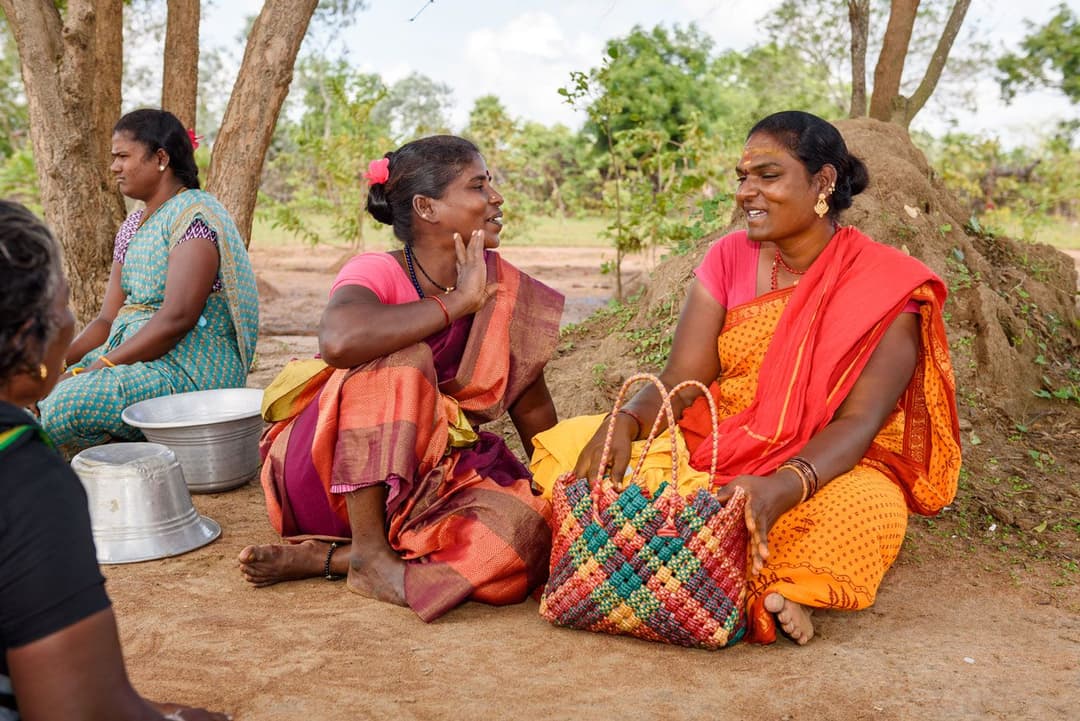
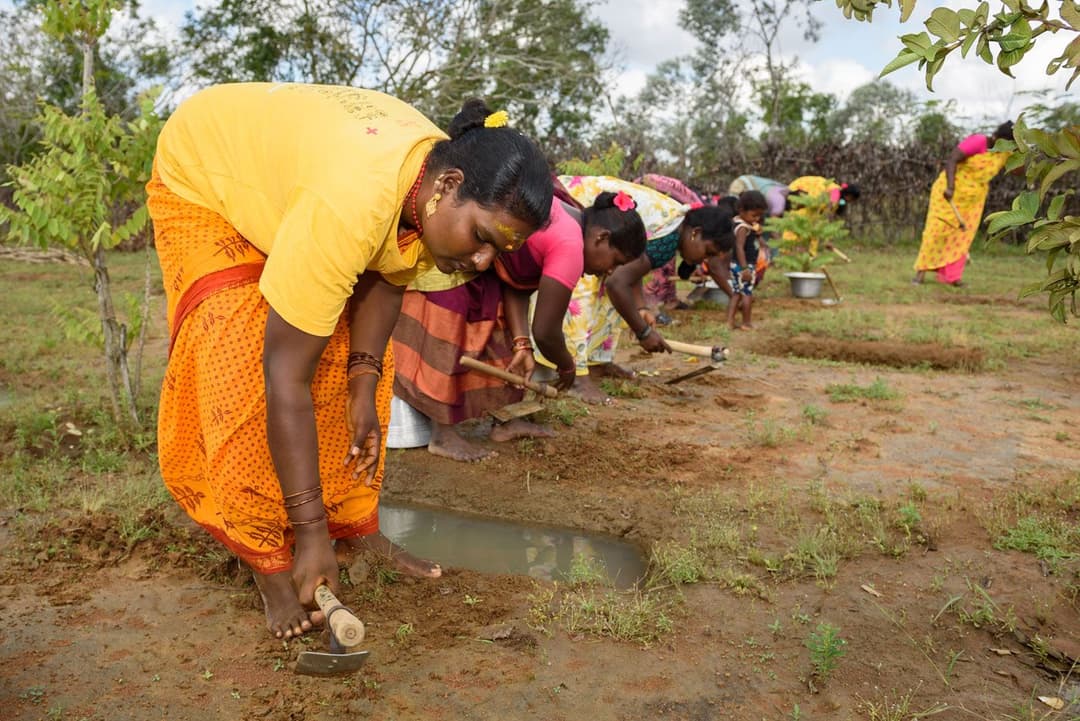
Ramya was one of four siblings and grew up in this Irular locality. Irulars are listed as one of the six Particularly Vulnerable Tribal Groups (PVTGs) in Tamil Nadu. Her parents, like most others in their community, did seasonal wage work earning between Rs. 250 to 300 a day working on farms, in construction and MGNREGA (Mahatma Gandhi National Rural Employment Guarantee Act) sites.
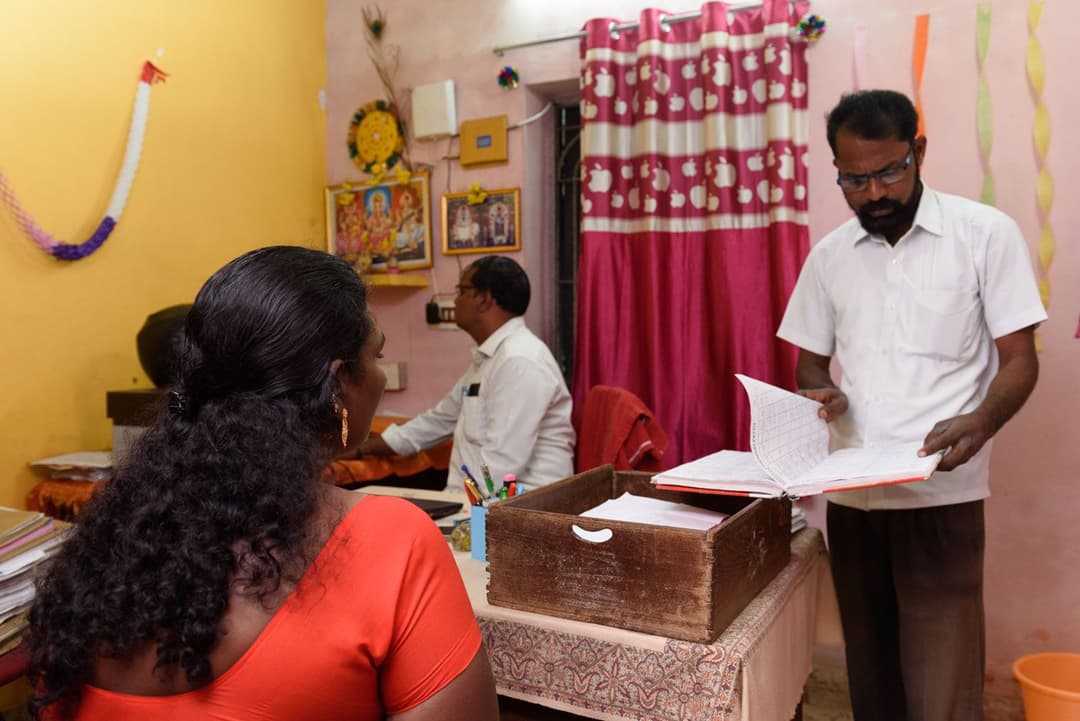
“Those days people were not aware of thirunangais [Tamil word for a trans woman]. So, when I stepped out of home, people in town would talk behind my back,” Ramya says, “They’d say ‘he is dressed like a boy but behaves like a girl, is it a boy or a girl?’ and this would hurt me.”