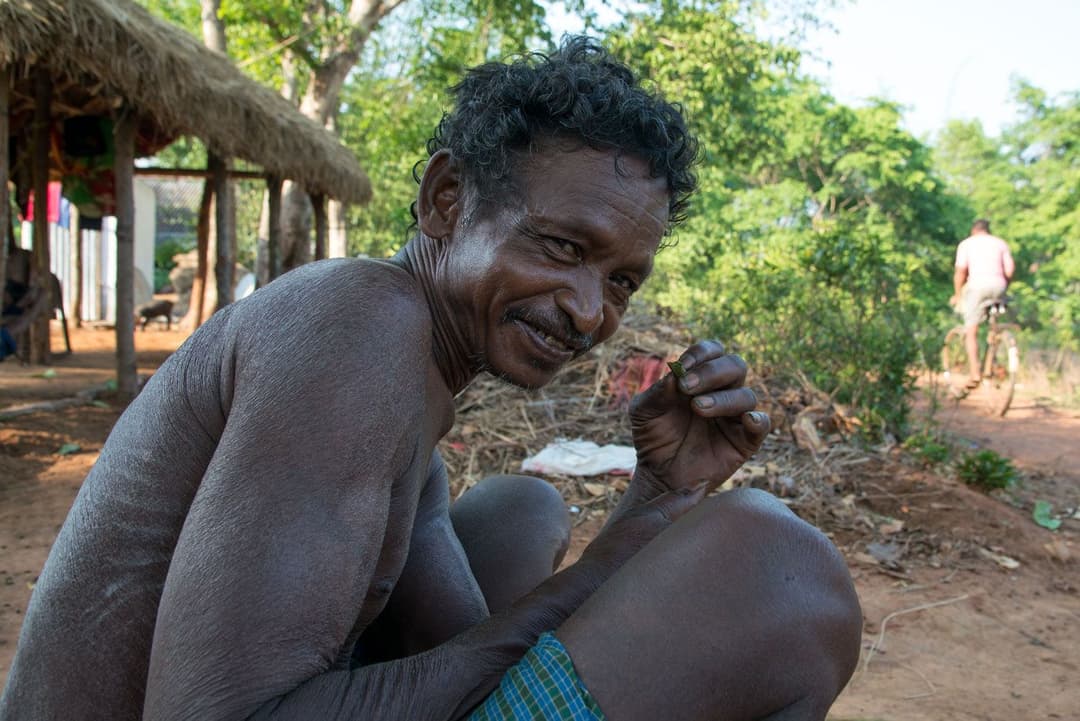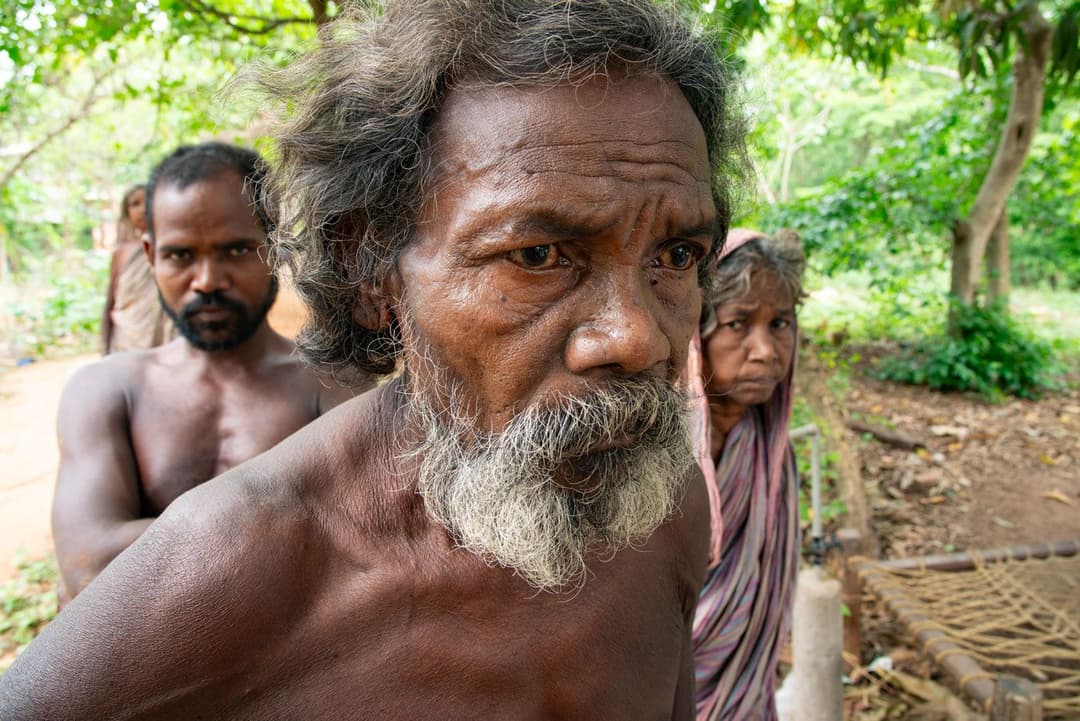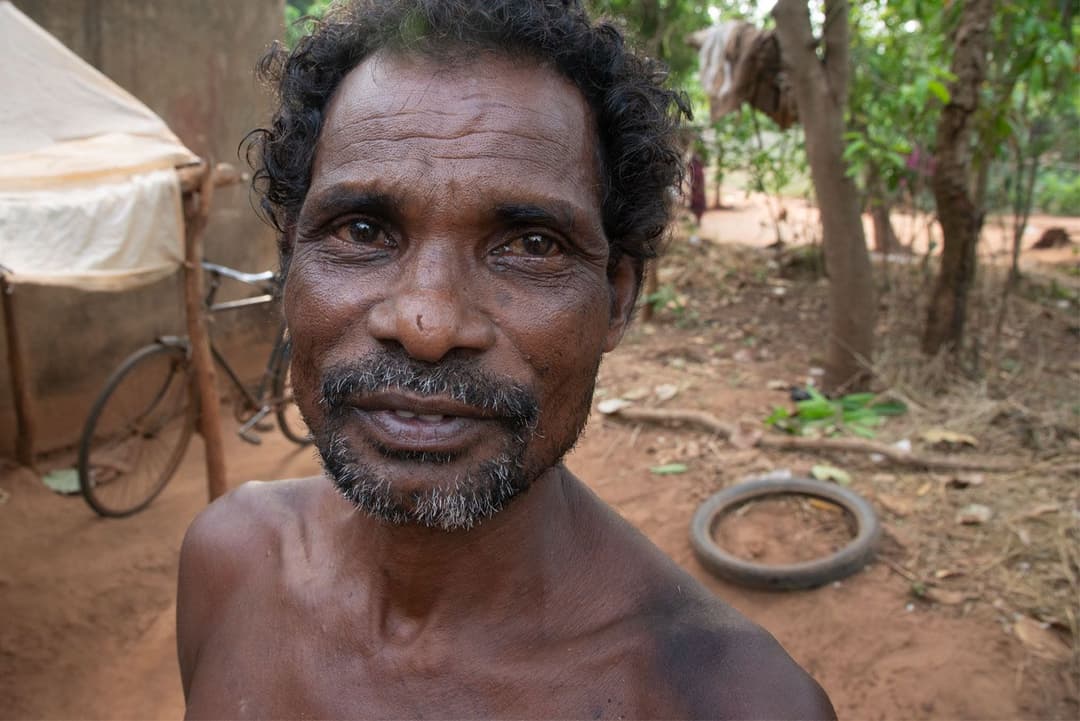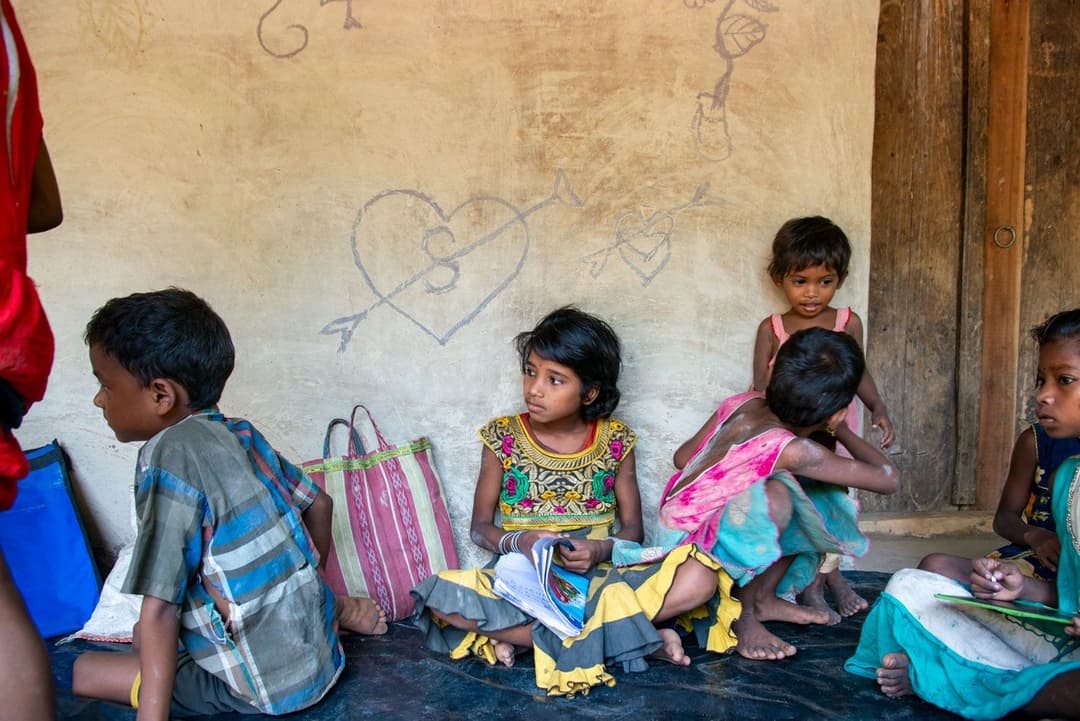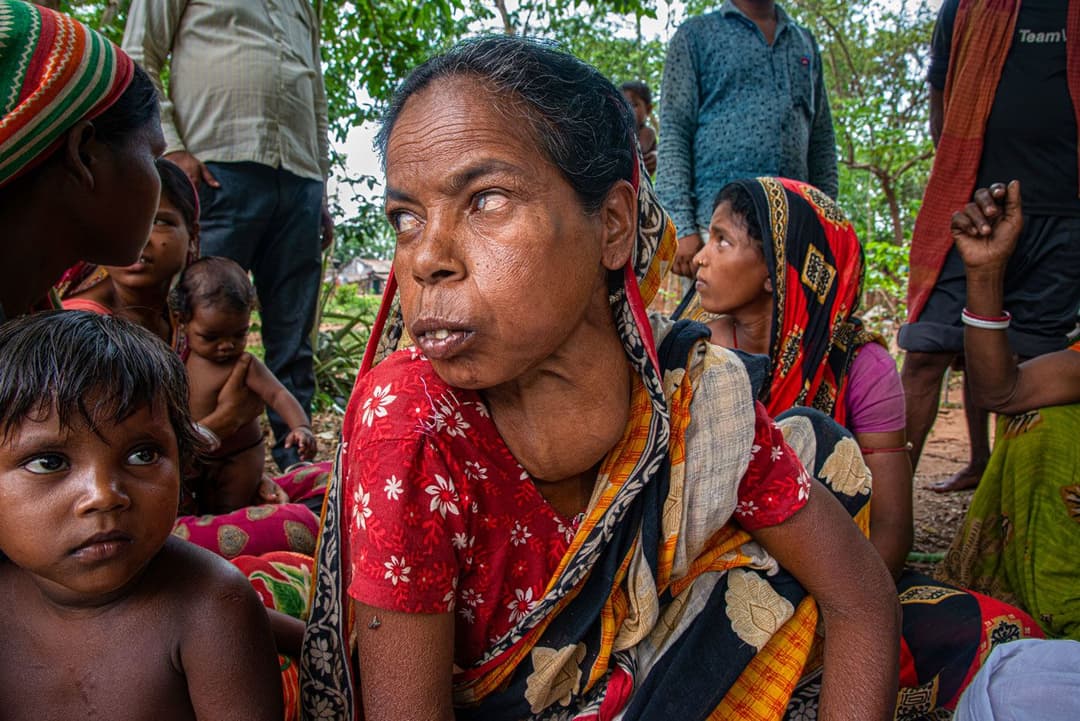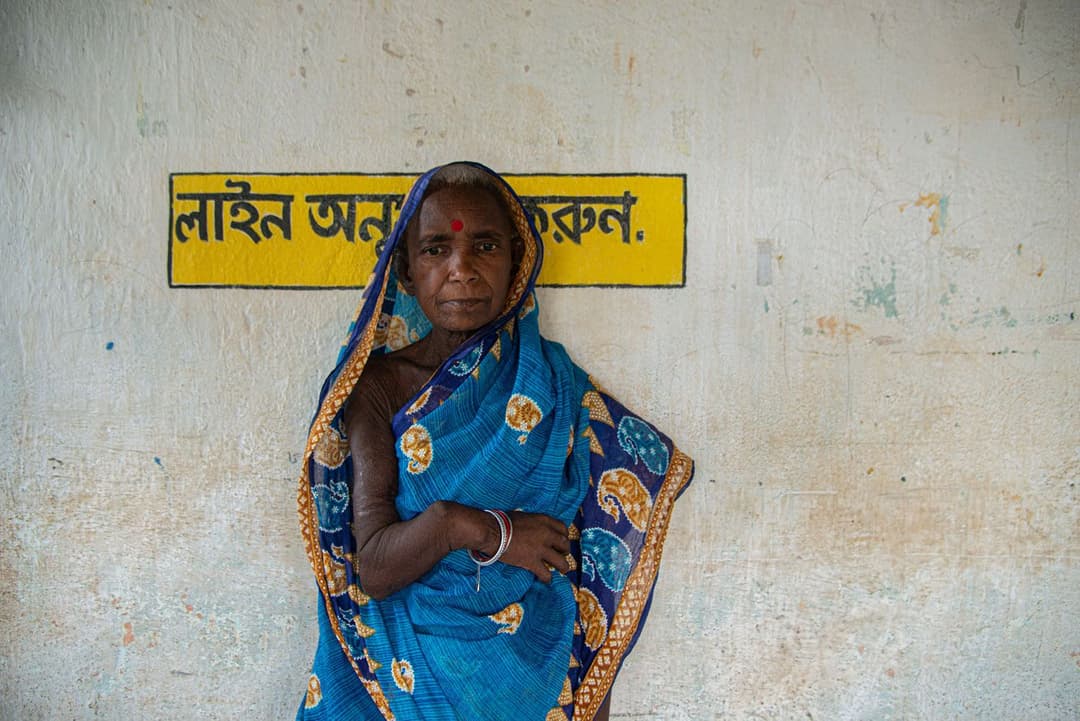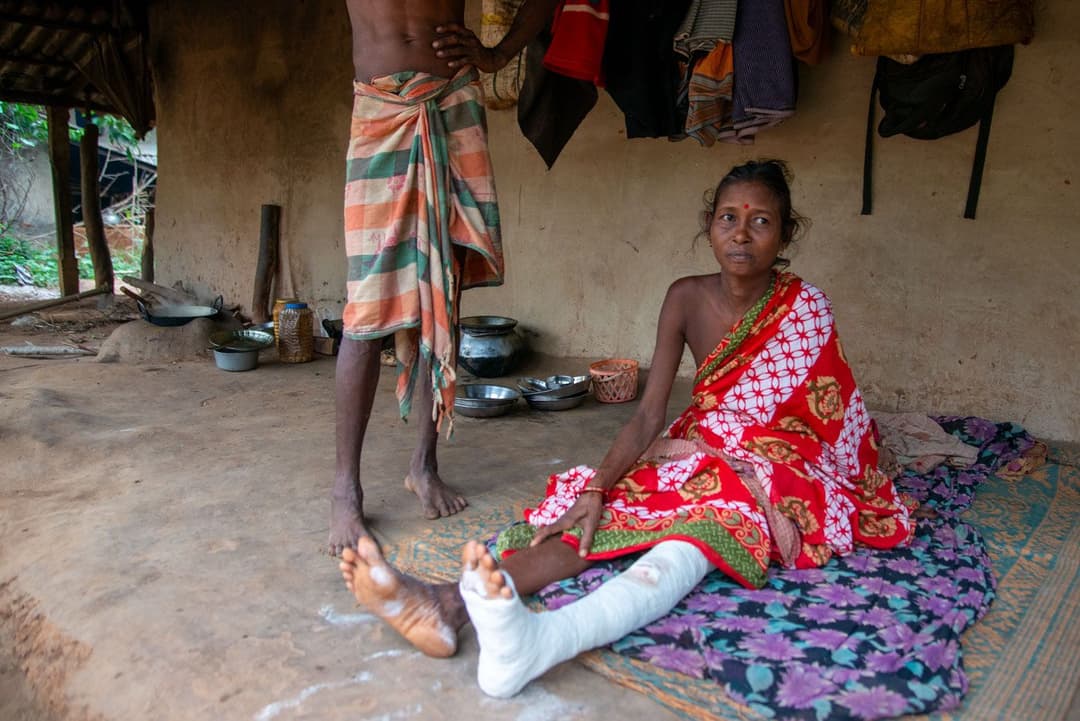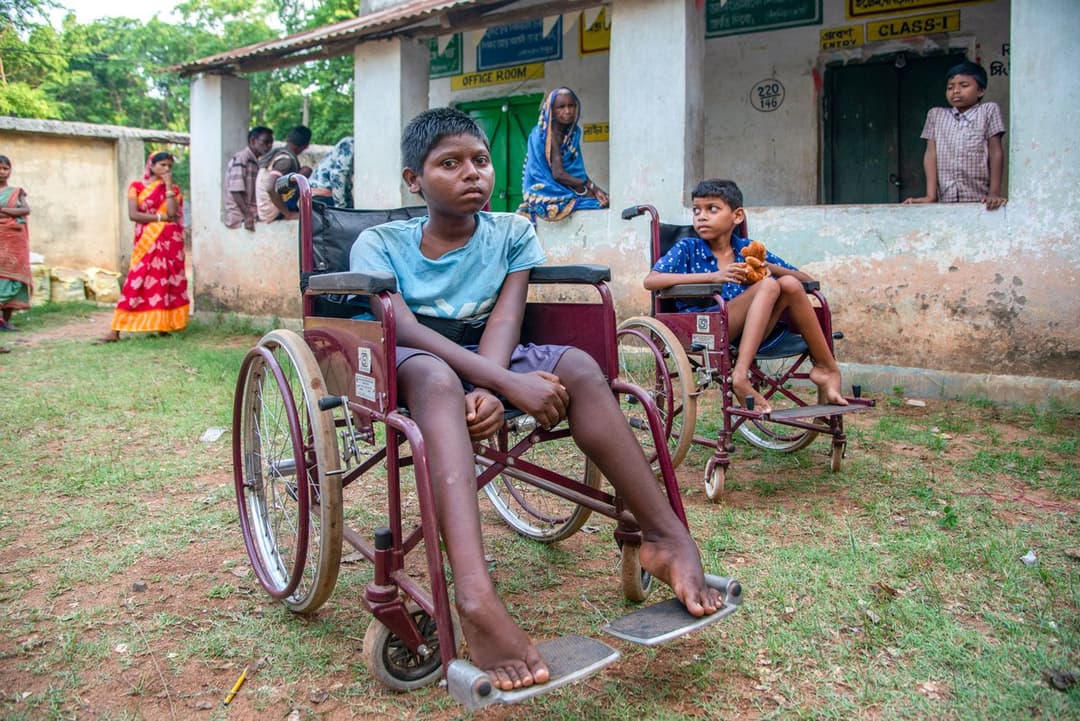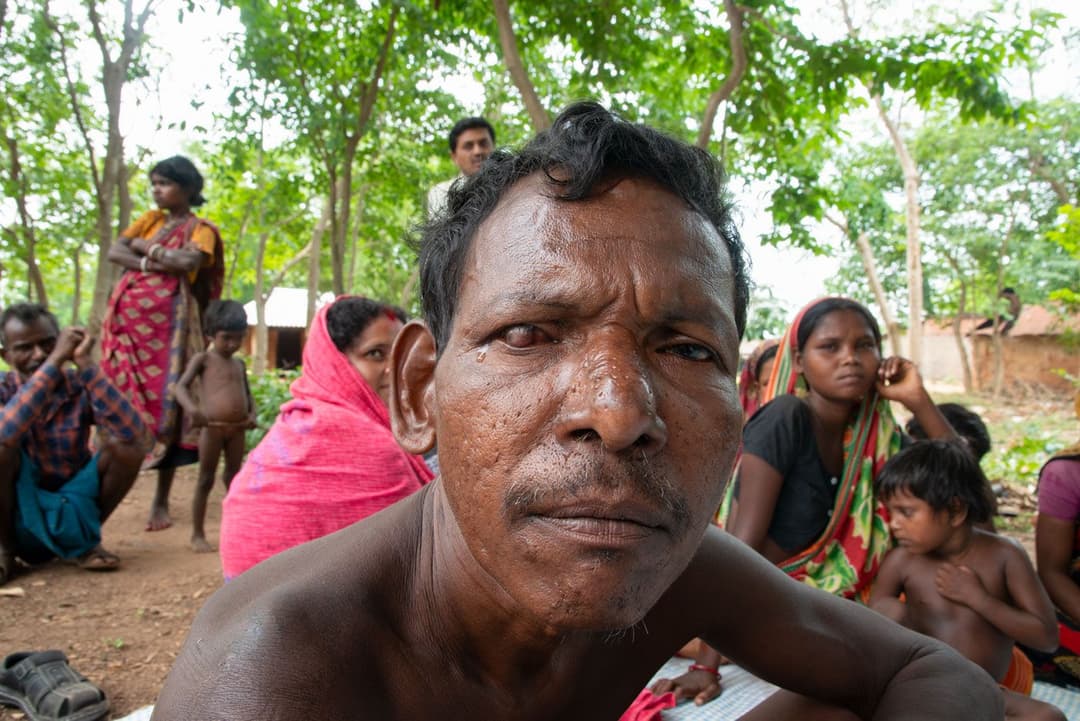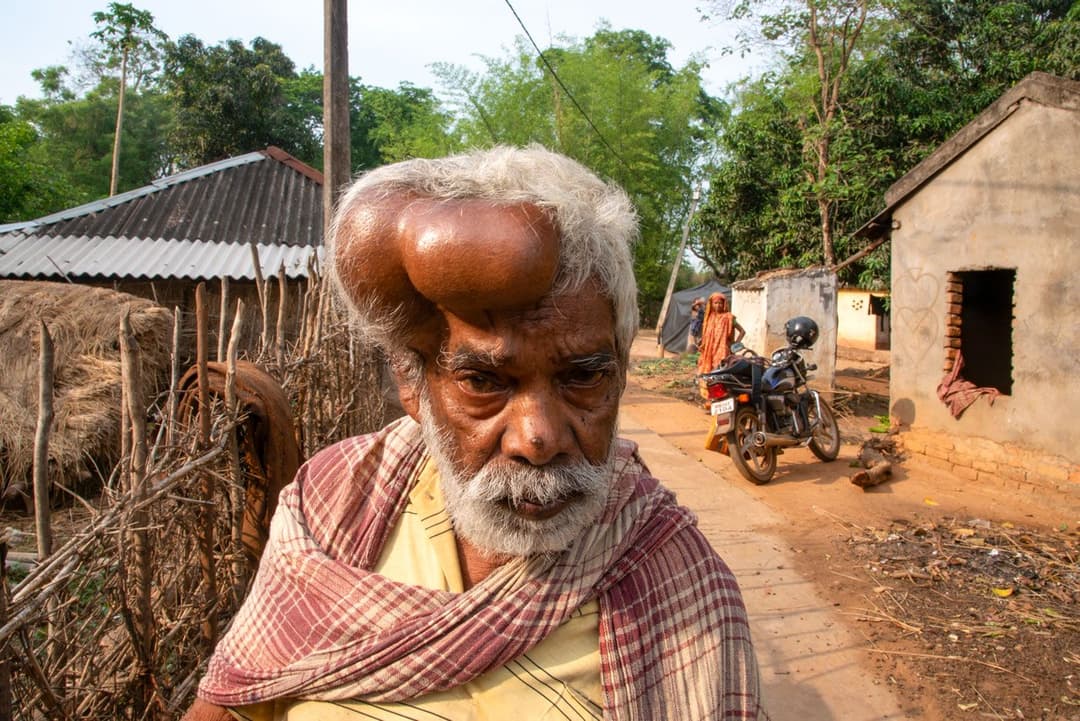

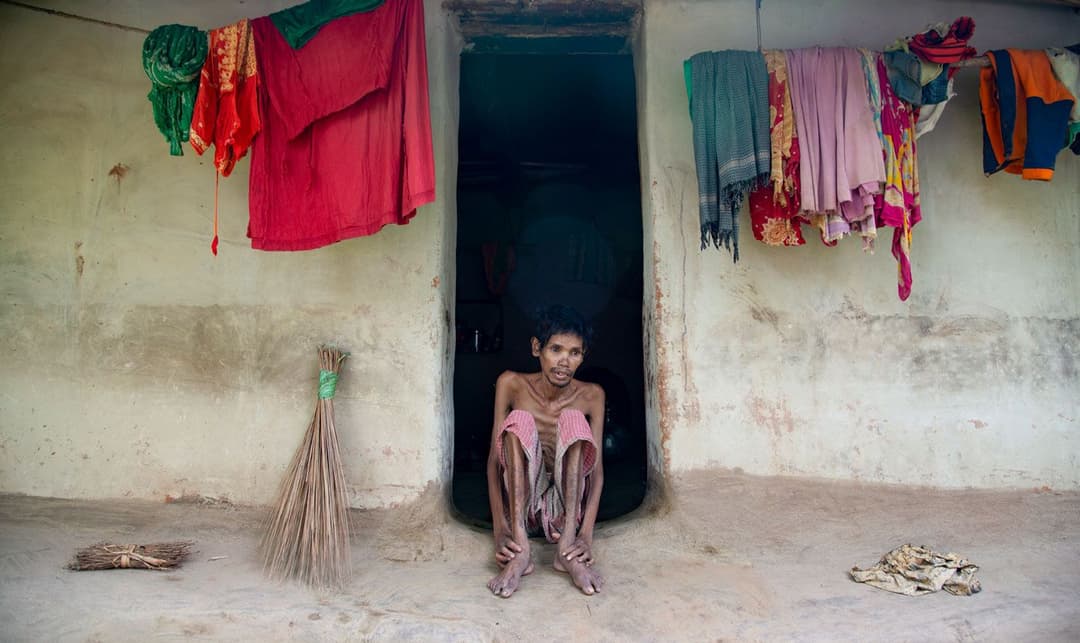
“Many things, including hunger, are easier to forget with alcohol,” says Rabindra Bhuiya, a resident of Singdhui village in Jhargram district.
In his fifties, Bhuiya is a Sabar Adivasi (listed as Savar in West Bengal). From the Munda tribal community, Sabars live in the eastern parts of India and also go by the name of Saora, Sora, Shabar and Suris. Lodha Savar are predominant in West Medinipur (undivided), and Kharia Savar reside largely in Purulia, Bankura, and West Medinipur (undivided).
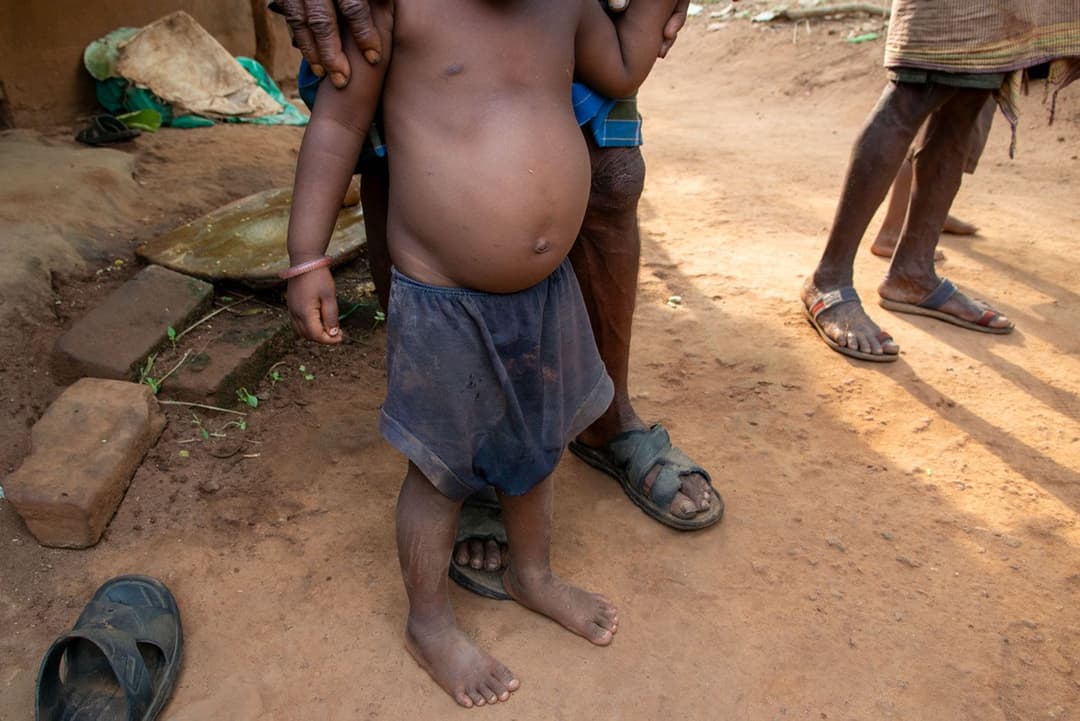
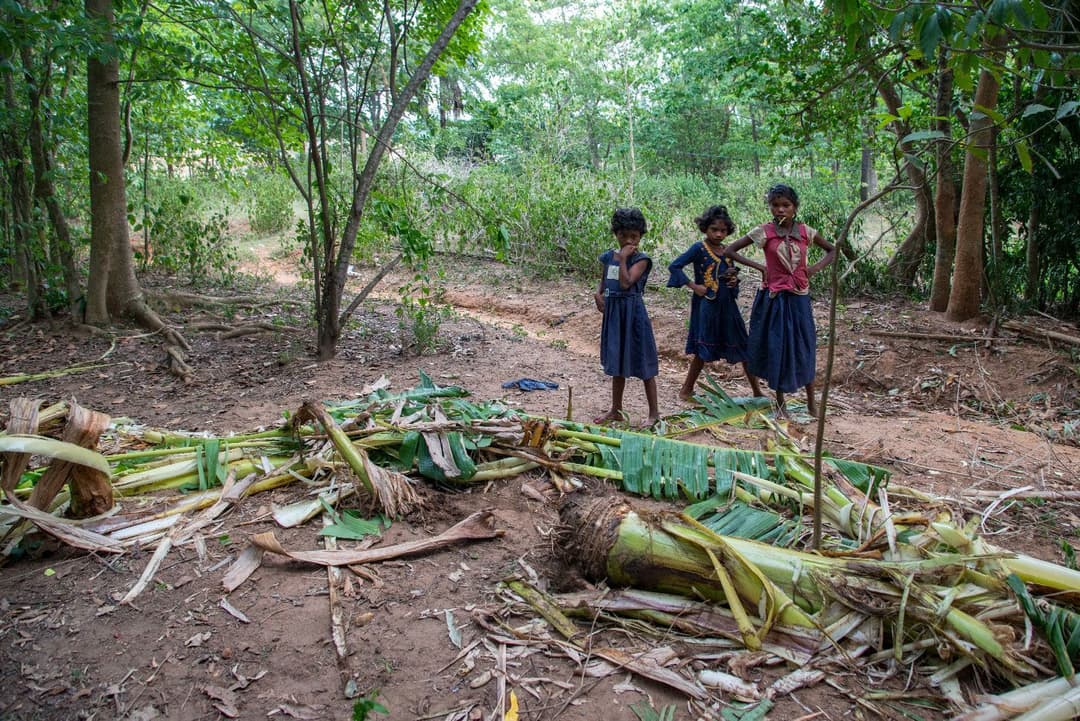
Mahasweta Devi’s The Book of the Hunter (first published in Bengali as Byadhkhanda in 1994), depicts the extreme poverty and marginalisation of this community. Decades later, not much has changed and a 2020 report Living World of the Adivasis of West Bengal shows, “67 per cent of the villages surveyed reported suffering from hunger.”
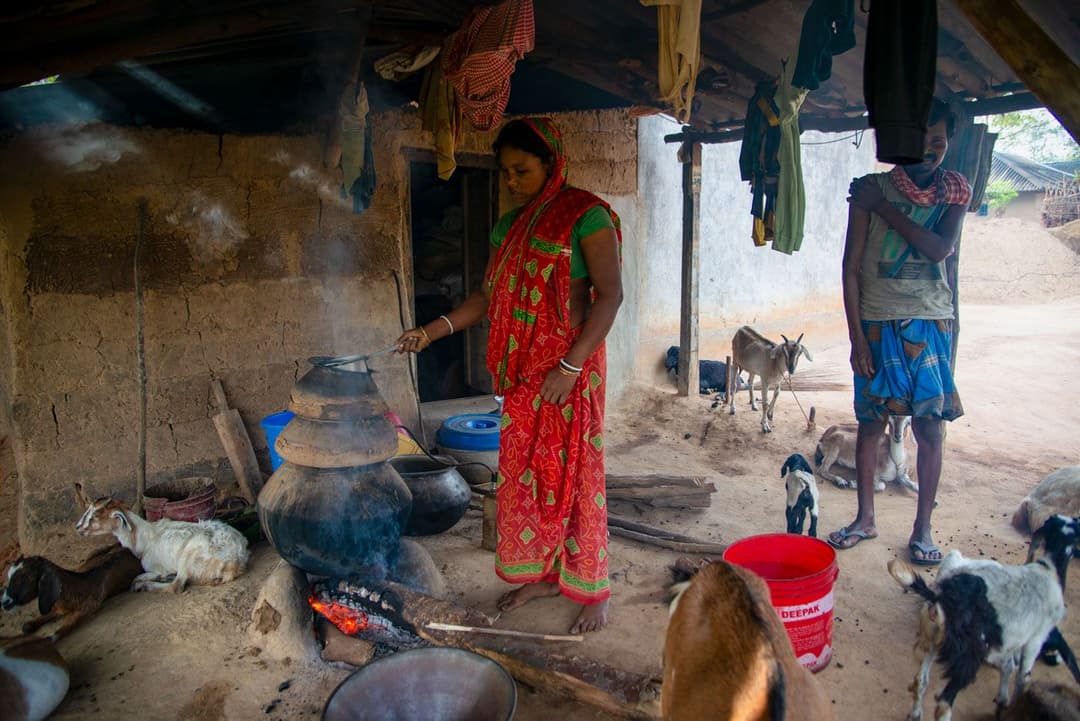
The community were labelled ‘criminal tribes’ by the British from the latter half of the 18th century till 1952 when they were denotified. Traditionally hunters, they are adept at collecting fruits, leaves and roots, and also hunting animals in the forest. After Independence, some were given land to cultivate, but most of it was stony and barren ground, so they ended up working as migrant labourers. Despite the denotification, the stigma remains, and they continue to live at the mercy of the local police and forest service who put curbs on their movement.
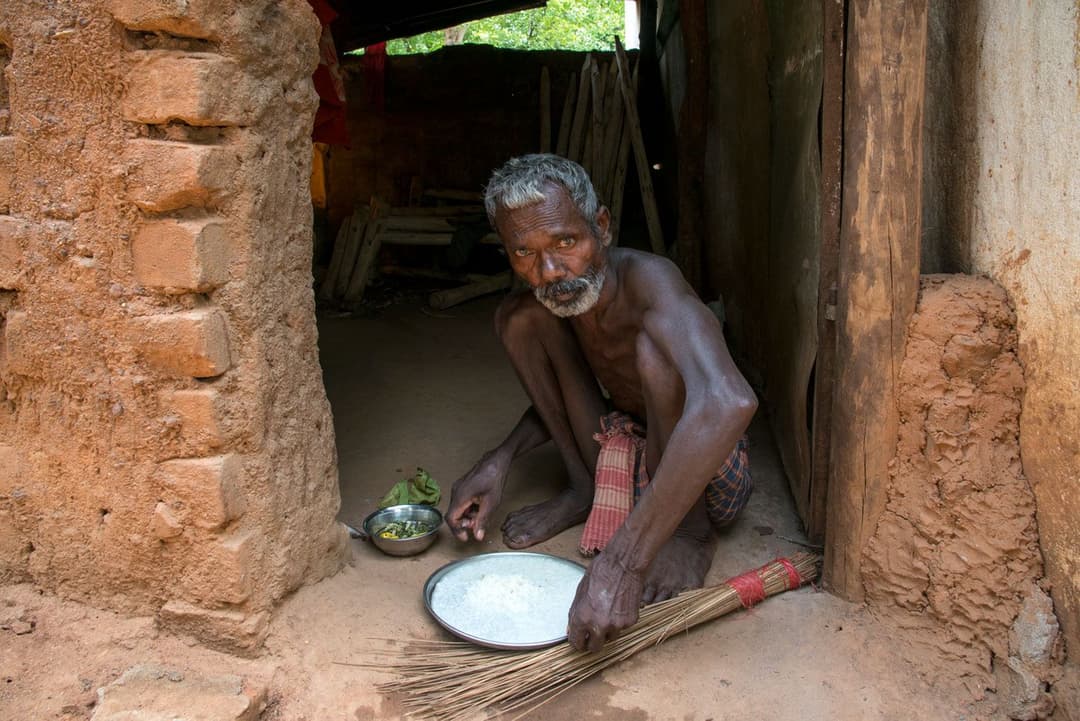
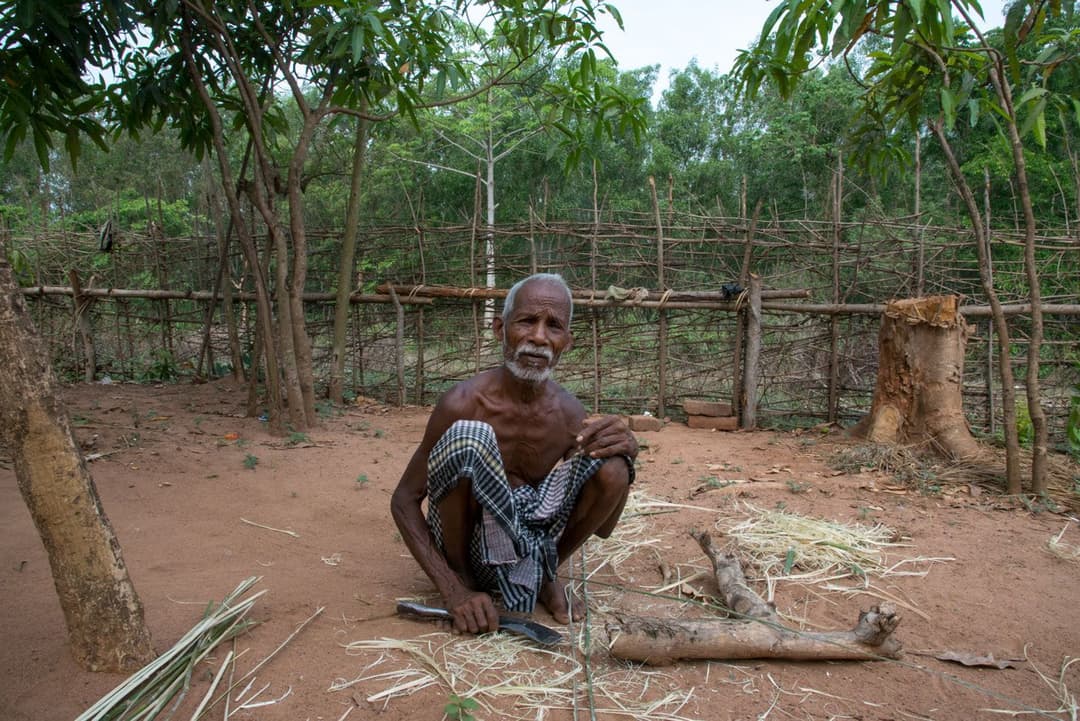
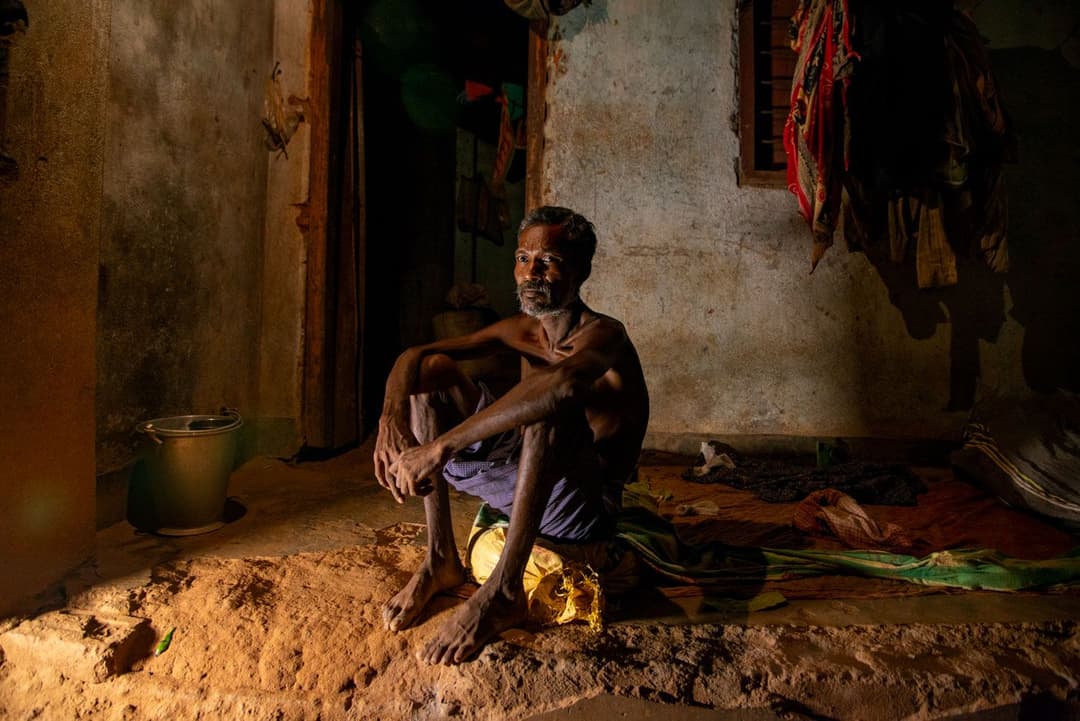
With few earning opportunities, hunger is palpable among the Sabar community of West Medinipur and Jhargram districts. Many like Bhuiya dowse their hunger with alcohol or, “we eat panta bhat [fermented rice] thrice a day. We live on that,” says Bankim Mallick. The 55-year-old resident of Tapoban village, Mallick is referring to the public distribution system (PDS) that provides five kilograms of rice a month to each member of a household. “Salt or oil is a luxury.” He is eating panta bhaat, seated in front of his dilapidated house.