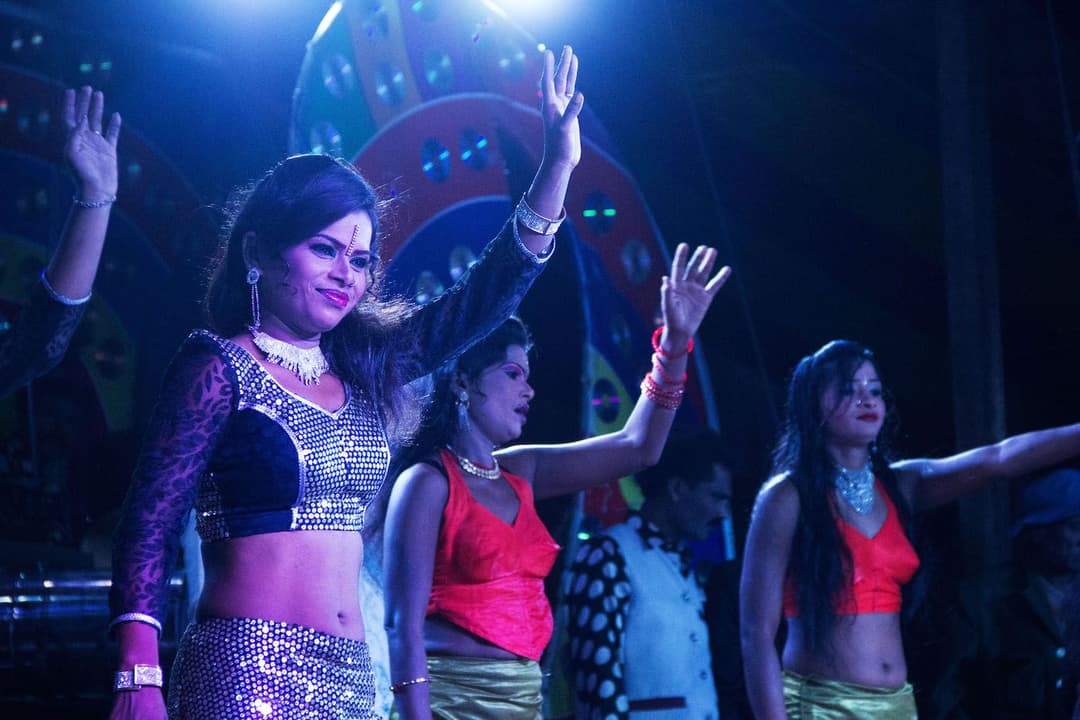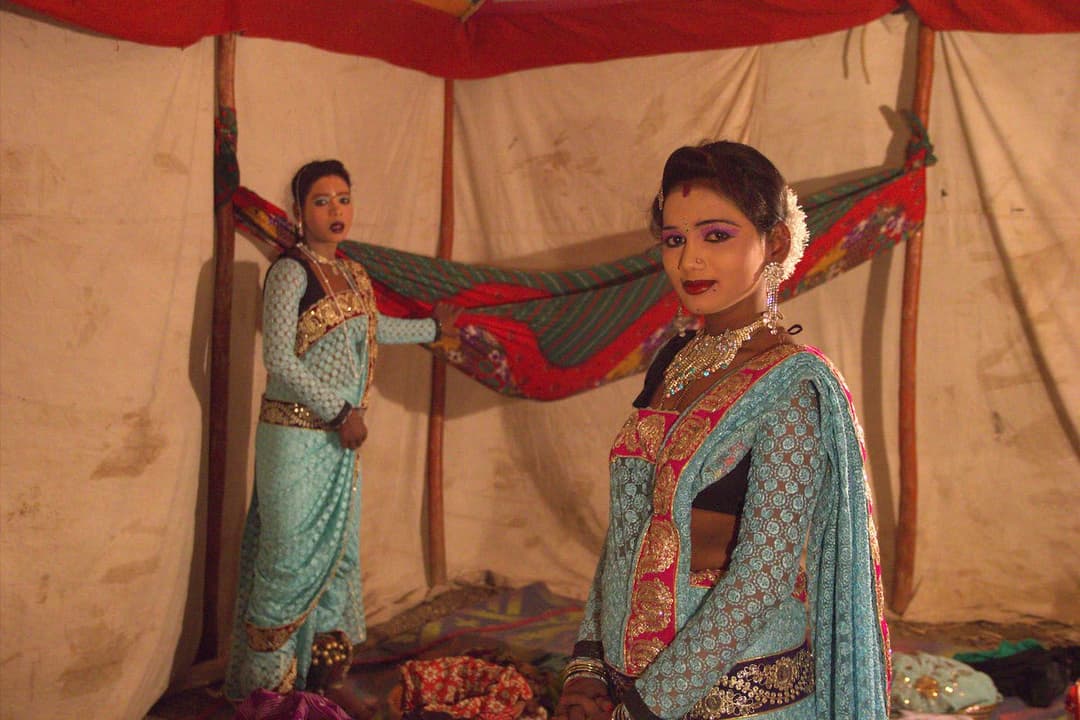

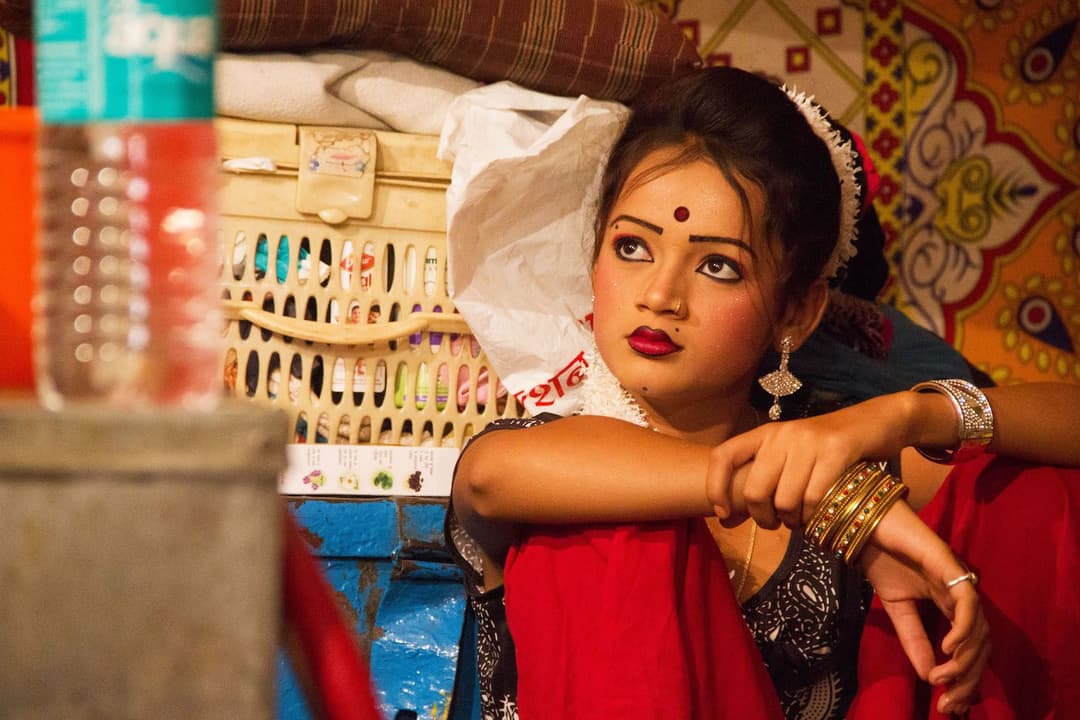
“Eh Komal! Kaay maal aahe!” “Eh laal, chaan diste!” the men call out. Fifteen-year-old Komal, who’s dancing on stage, is used to catcalls inspired by the colour of her outfit or her name. “Some men in the audience compete for my attention. If I look at one guy, his friend will yell out ‘Don’t look at him, he has a girlfriend! Look at me’,” she says.
The female dancers in the Mangala Bansode and Nitin Kumar Tamasha Mandal also compete to see who gets the loudest appreciation. They urge the men to whistle and catcall louder, says Kajal Shinde, around 18 years old. “Have you not eaten… are you well?” they tease. “We cannot hear you!” they gesture, pointing to their ears.
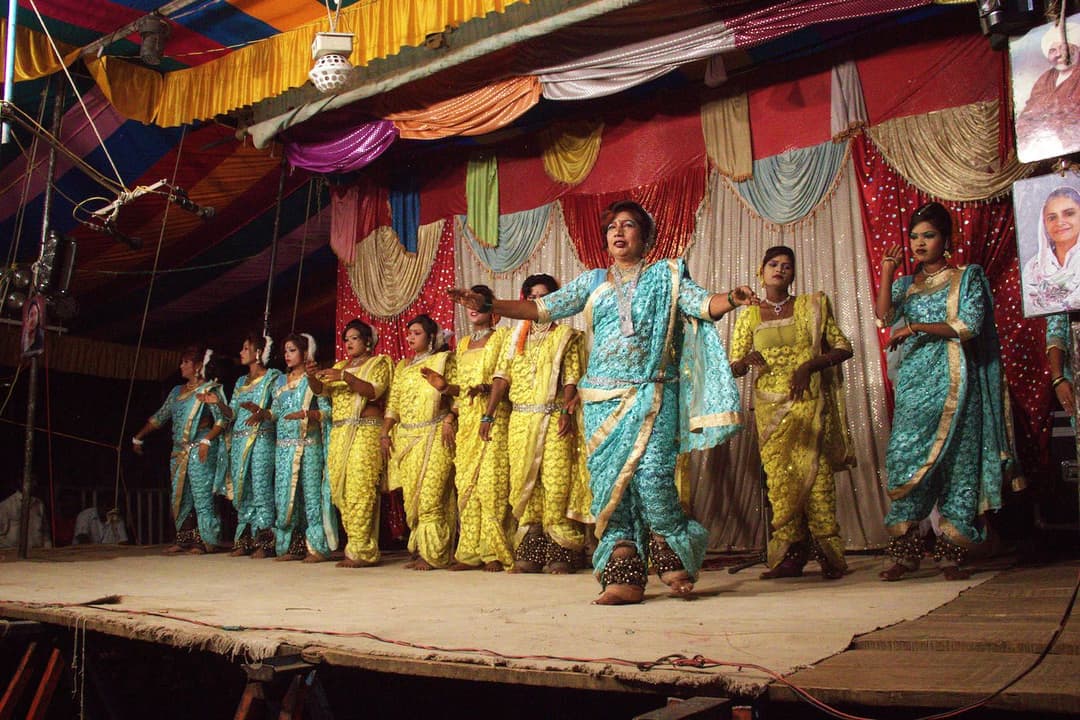
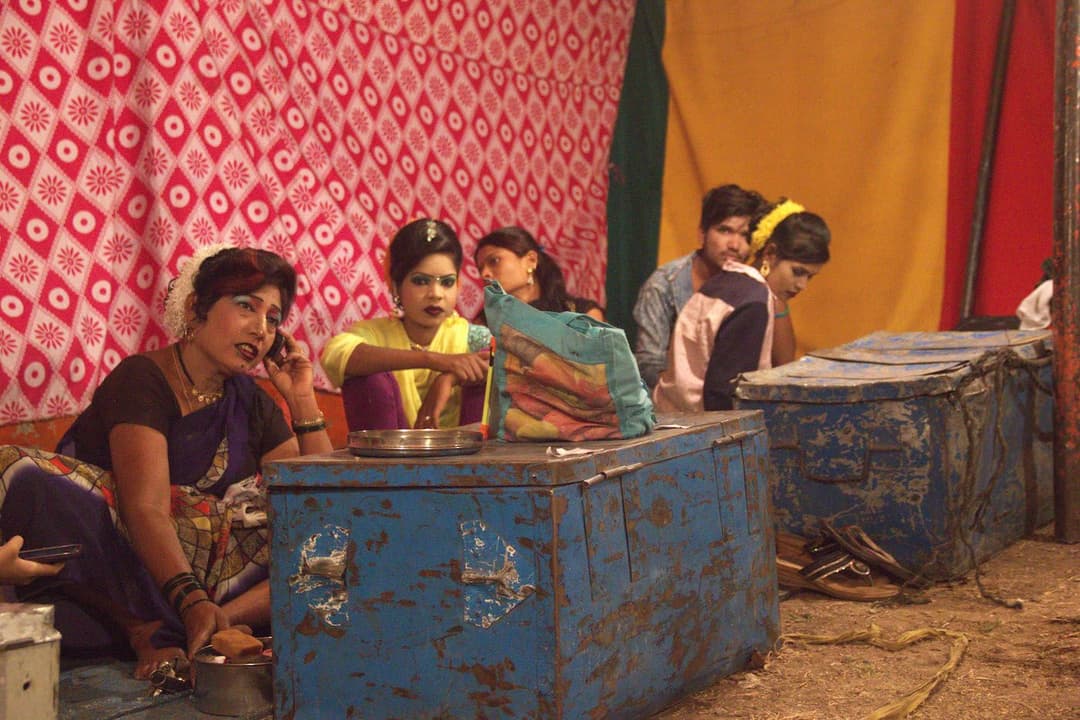
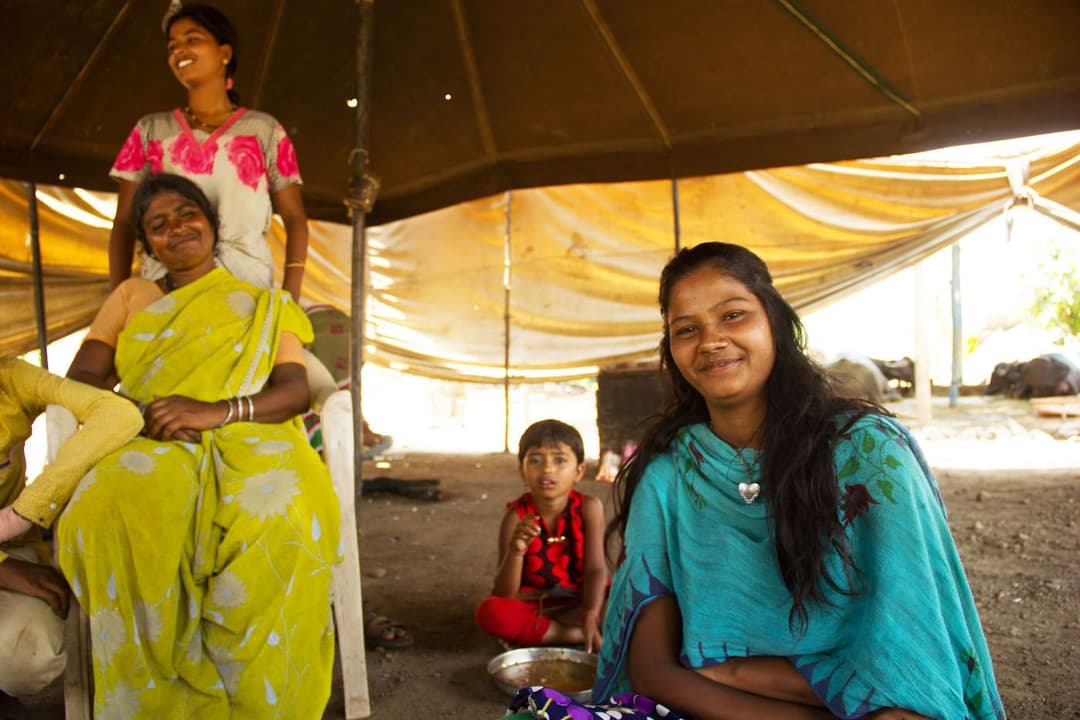
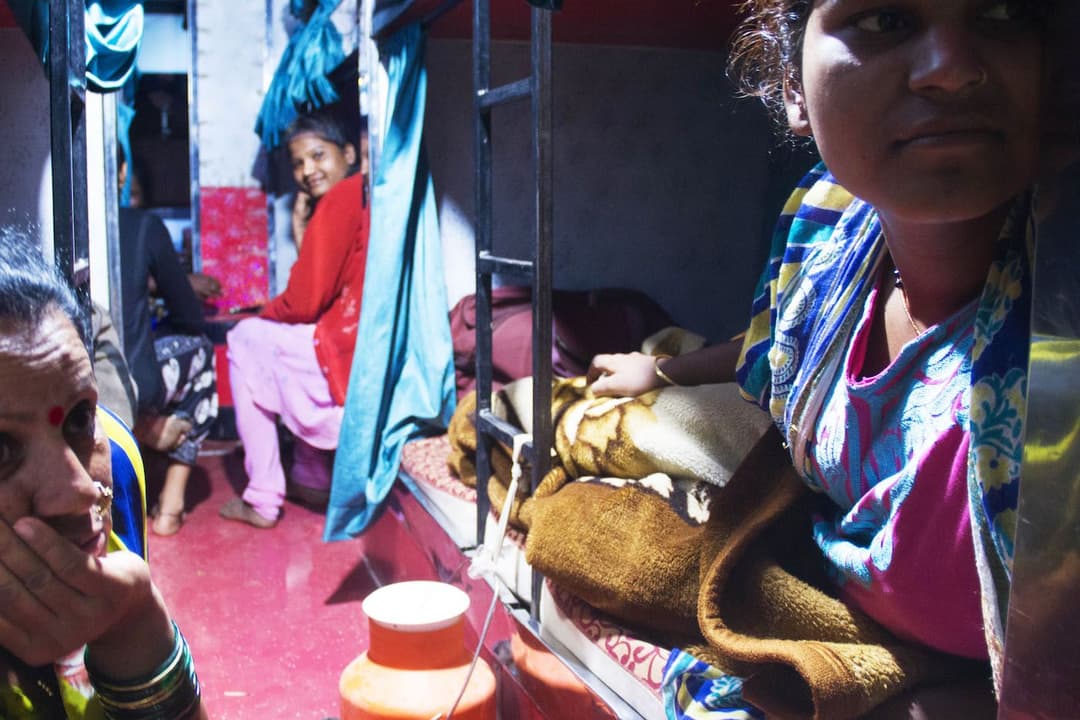
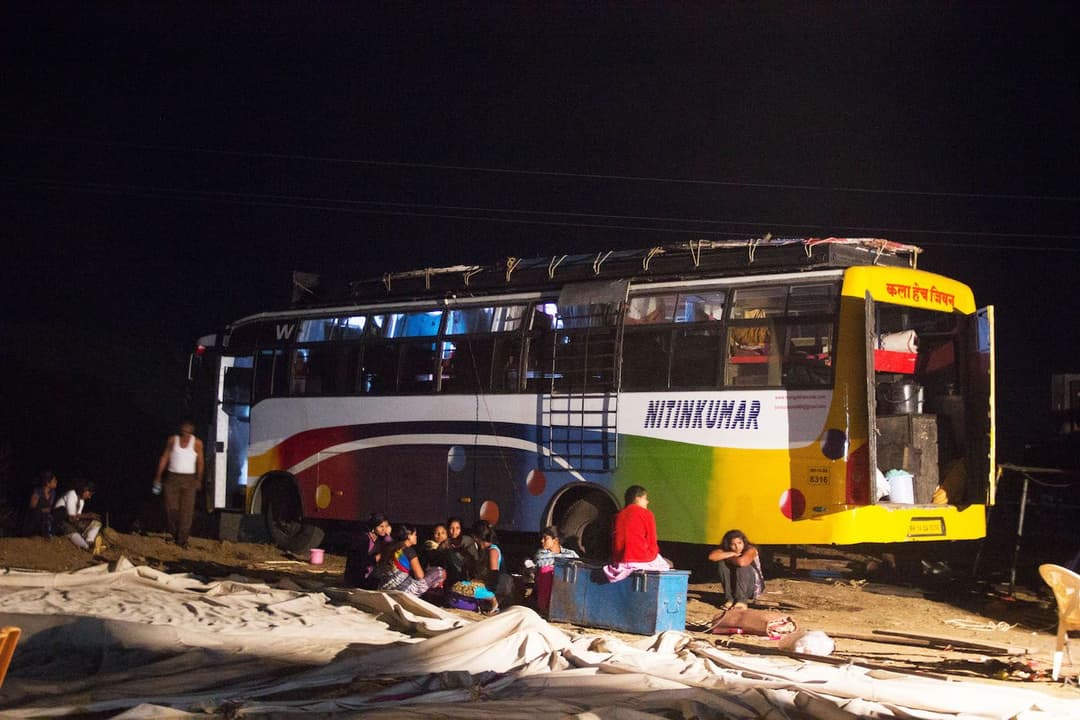
Kajal is a lead dancer, as is Komal. Both work in the phad (troupe) headed by veteran tamasha artist Mangala Bansode, as do around 150 other artists and labourers. Tamasha is a still-popular folk art form in villages across Maharashtra. The phads travel to a different village almost every day during show season from September to May. Shows run from around 11 p.m. till even dawn sometimes, and are performed on an outdoor stage set up a couple of hours before the show and dismantled soon after. Mangalatai’s troupe is one of the most successful; many others are struggling with falling tickets sales and profits. (See ‘Tamasha is like a jail that I want to stay in’, and Tamasha: transformed but still travelling)