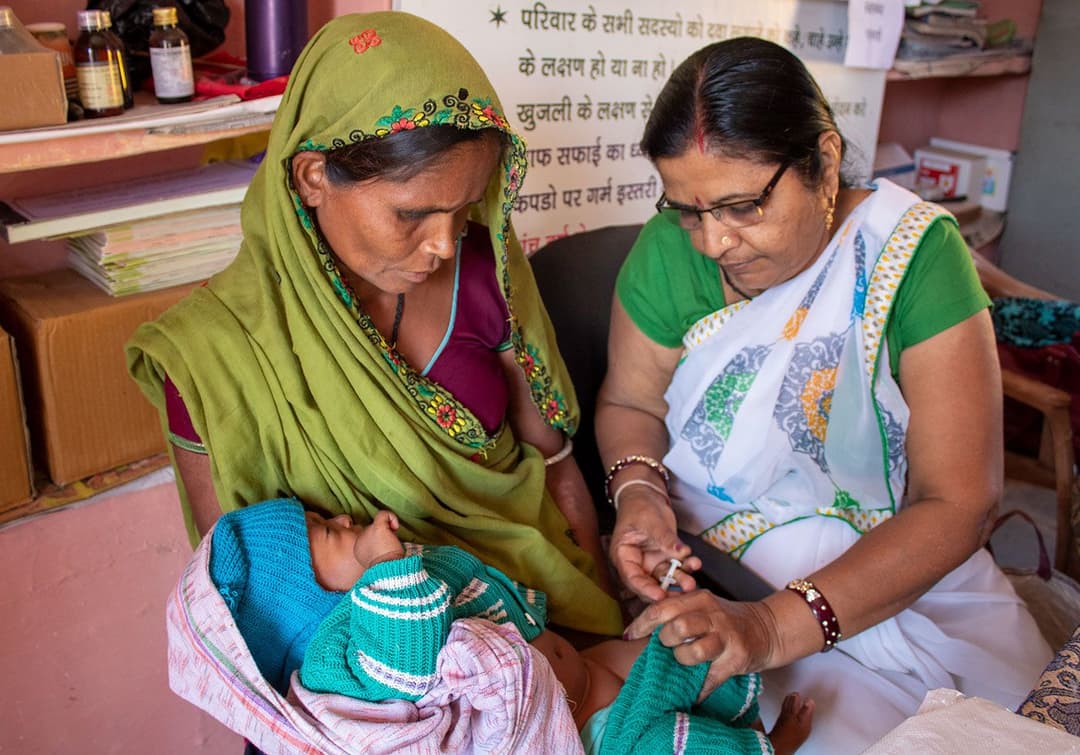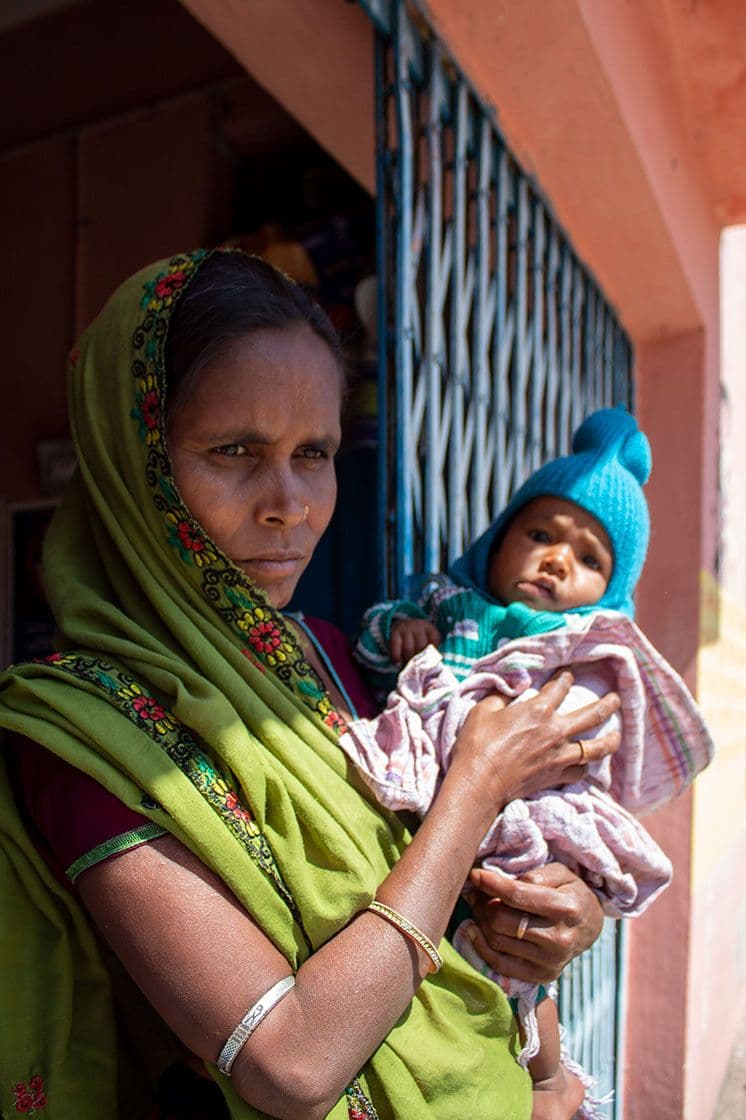

Hira Ninama and Kalpana Rawal, both 35 years old, are separated by 15 kilometres but united in their desire for a son. “What good are daughters for their parents?” asks Hira, when I meet her in Sewna village of Banswara district. “It is good to have an heir – at least one boy,” says Kalpana, from Waka village in the same district of Rajasthan.
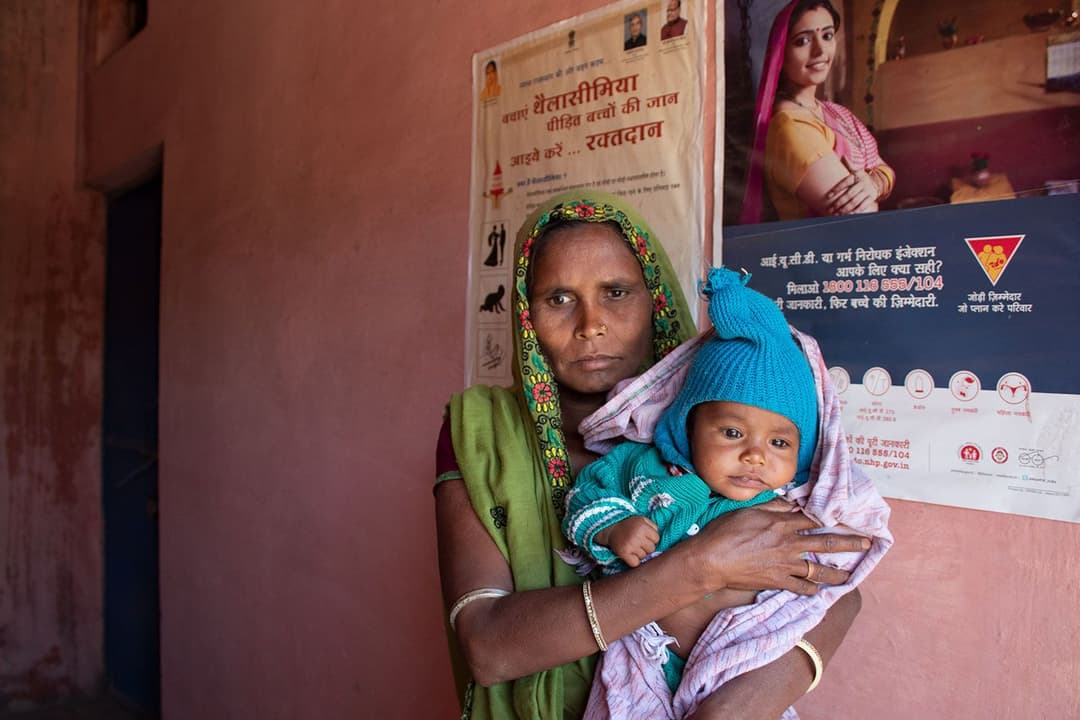
Over seven years, since 2012, Hira, who works as an occasional agricultural labourer and homemaker, has given birth to six girls. Her youngest is only a couple of months old. “I was not told that my [sixth] baby was a girl. But when I heard my mother-in-law cry, my tears began to flow. I cried even harder than my husband,” she says.
“Since my second daughter [was born], I have been going to a babaji. He recites some chants over a coconut. Then I break it open and have the water. But he says I am even more cursed than my mother,” she adds with a sigh, the youngest of five daughters herself.
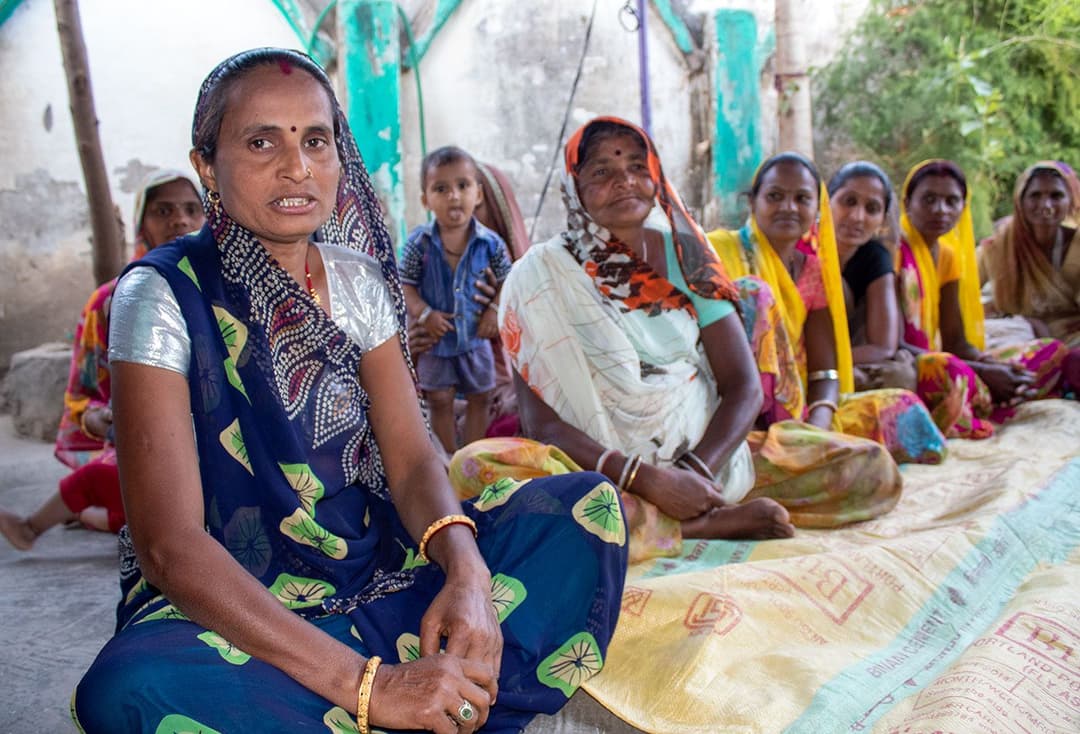
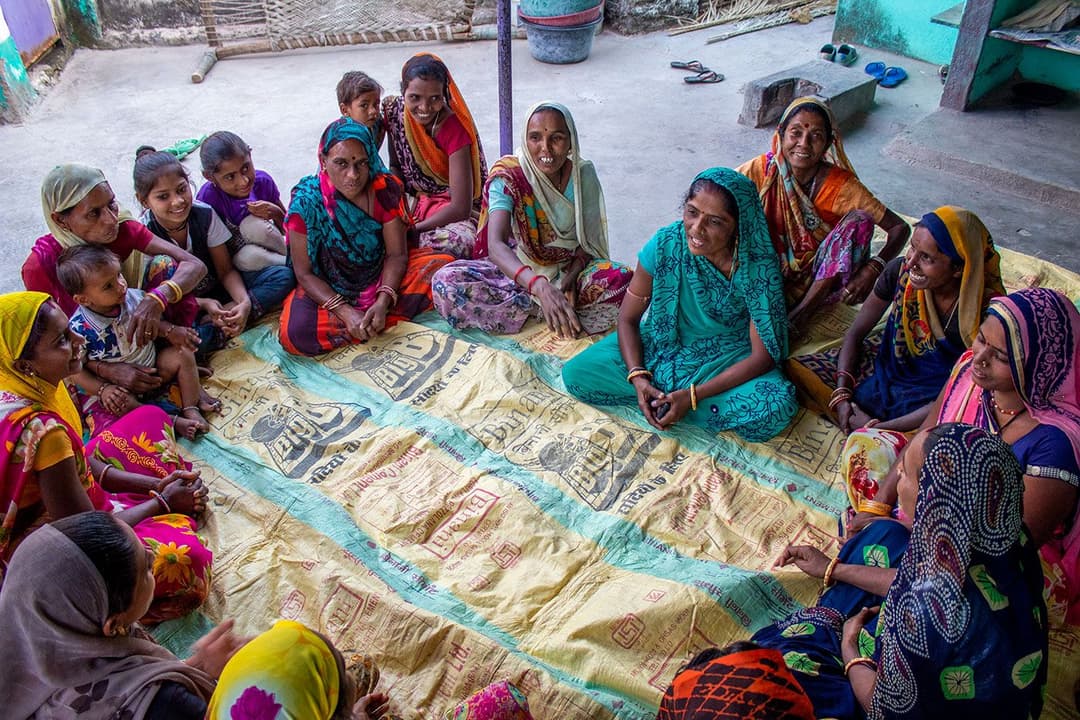
Hira is from the Bhil Adivasi community in Sewna, a village of 1,237 people, and is unlettered. She and other women here who survive multiple births often pay a hefty price in terms of their health – she looks much older than her 35 years, is weak, has constant body aches, and is battling emotional distress too.