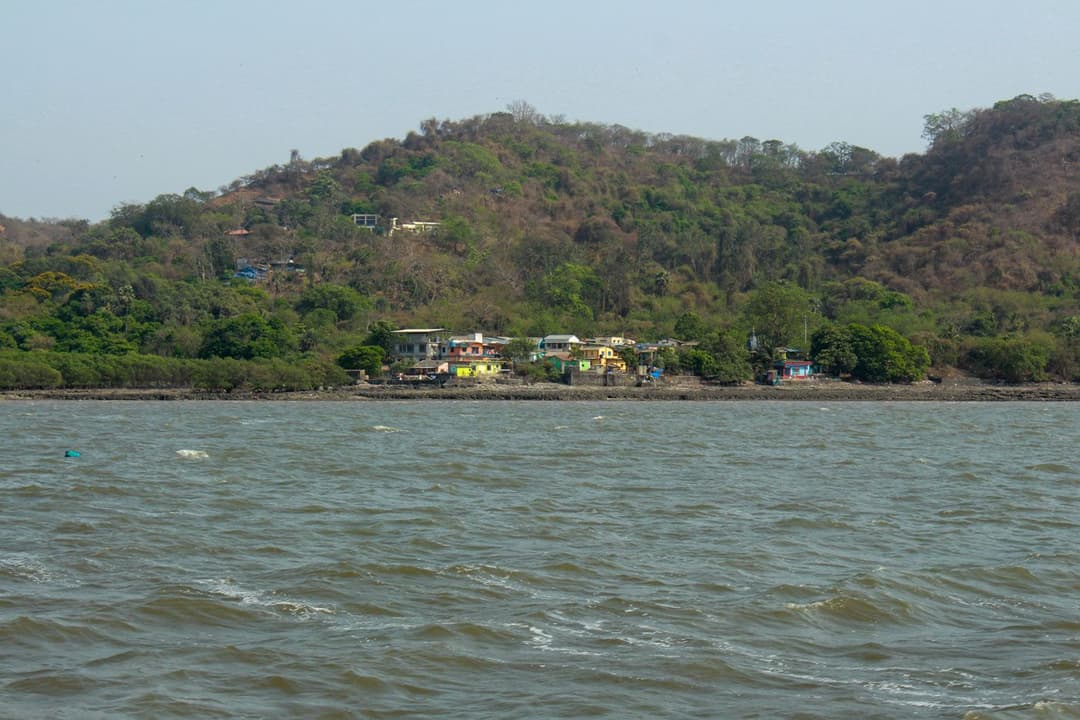
Something bit Jayashree Mhatre when she had gone to the forest near her home in Gharapuri to collect firewood. The 43-year-old mother of two girls ignored the bite, perhaps thinking a twig had pricked her. She soon left for home, carrying the firewood she had collected on that mild winter afternoon in January 2020.
A short while later, while standing at her doorway talking to a relative, she collapsed, falling to the ground. Initially, people who were nearby, assumed she had fainted from weakness, as she had been fasting.
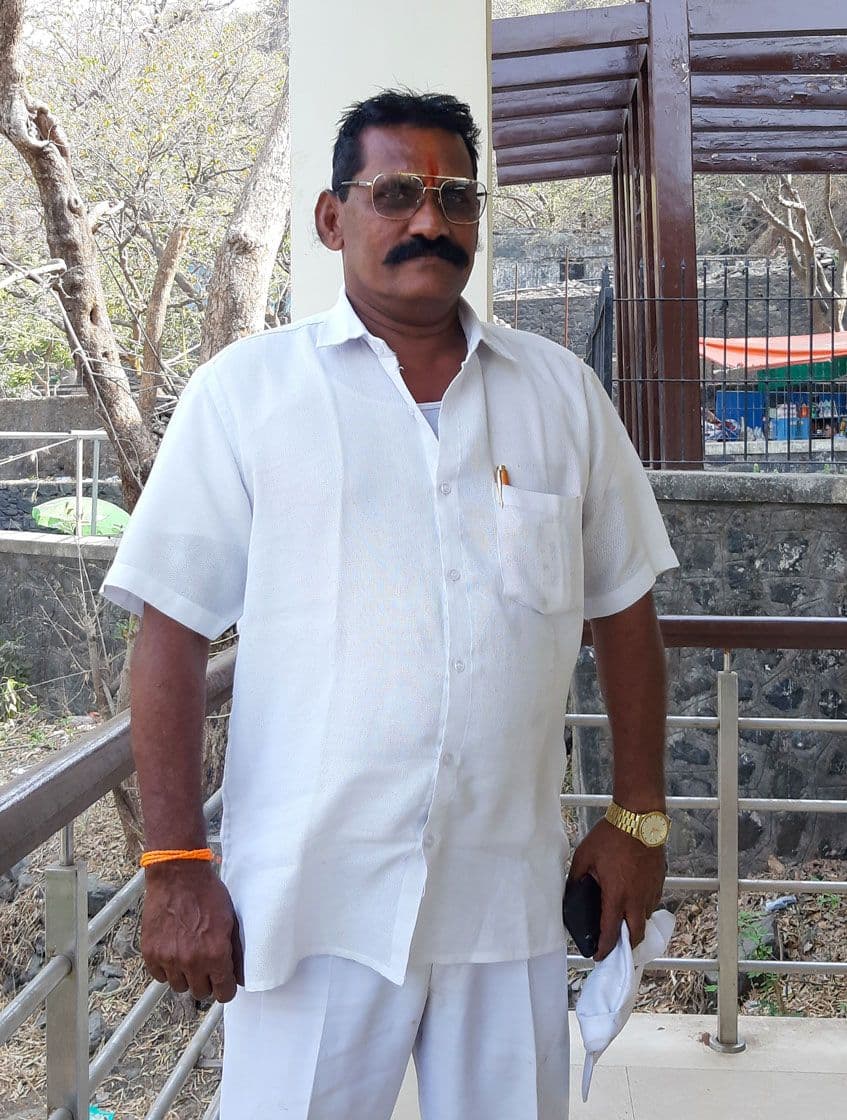
“I was told she had fallen unconscious,” recalls Jayashree’s elder daughter, 20-year-old Bhavika. Neither she nor her younger sister, Gauri, 14, had witnessed the incident as they were away at a relative’s home. They heard about it from neighbours and relatives who were present, and who told them that when Jayashree regained consciousness after a while, her hand was shaking. “No one knew what had happened,” adds Bhavika.
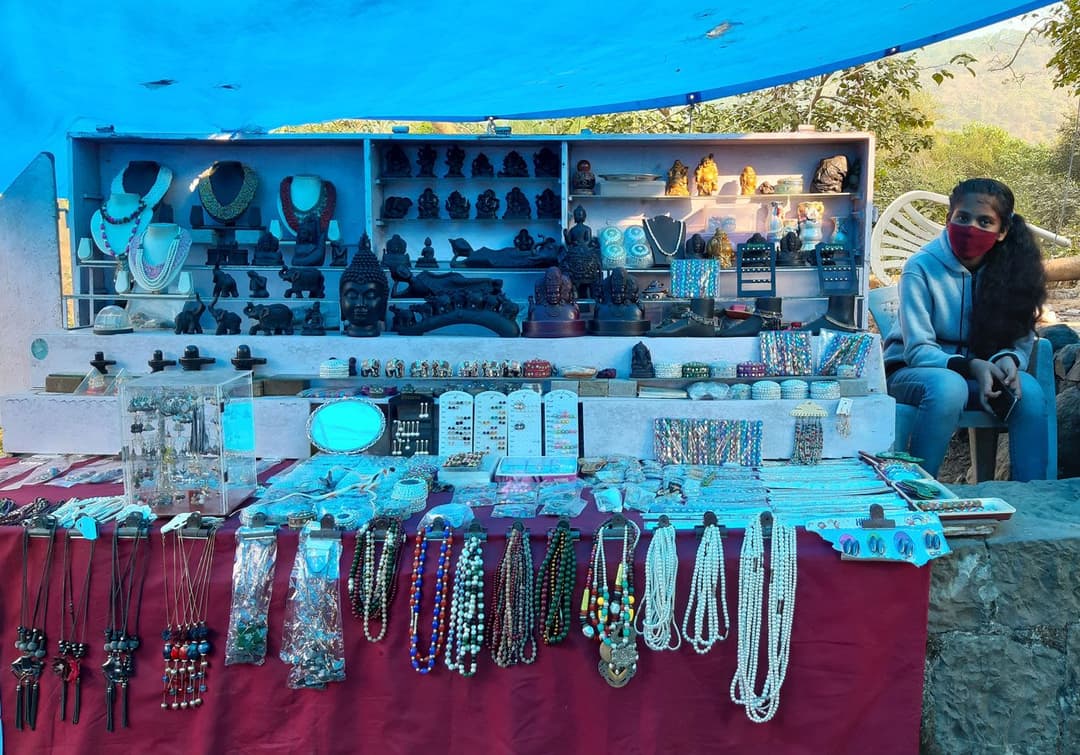
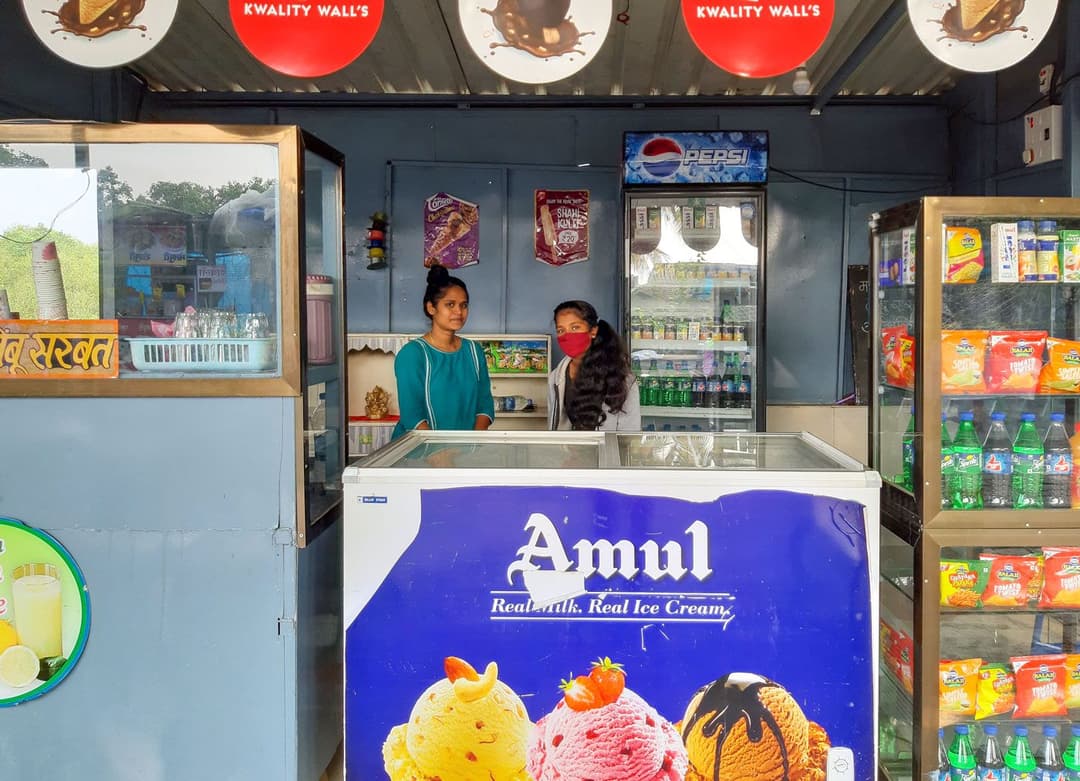
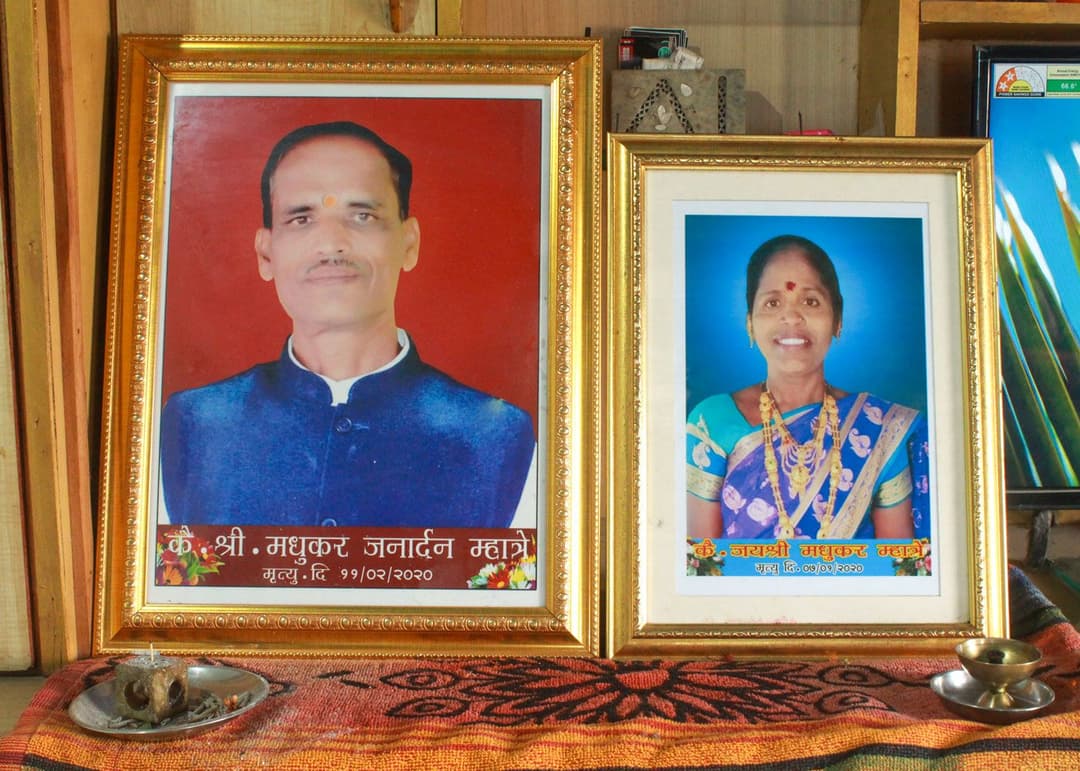
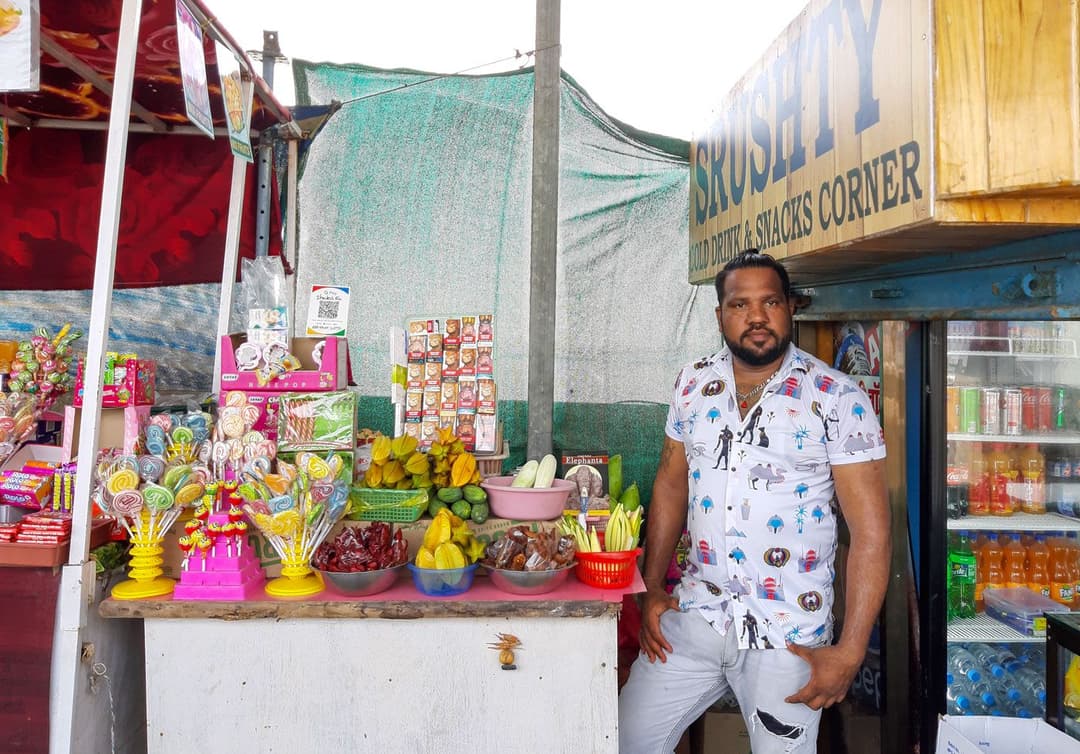
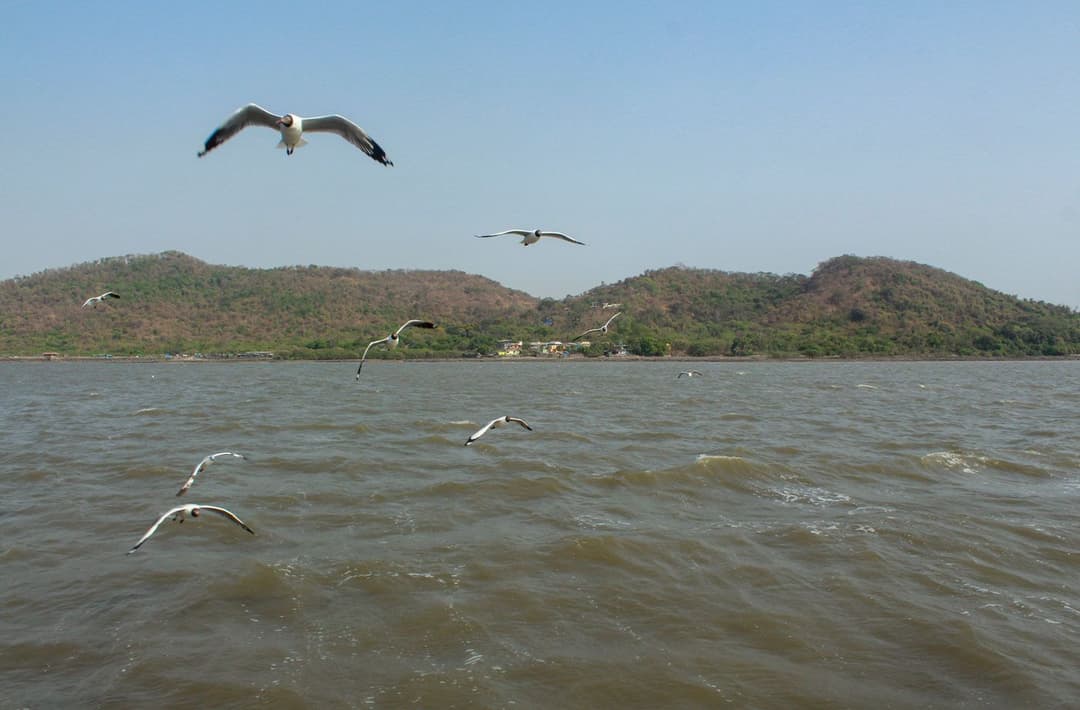
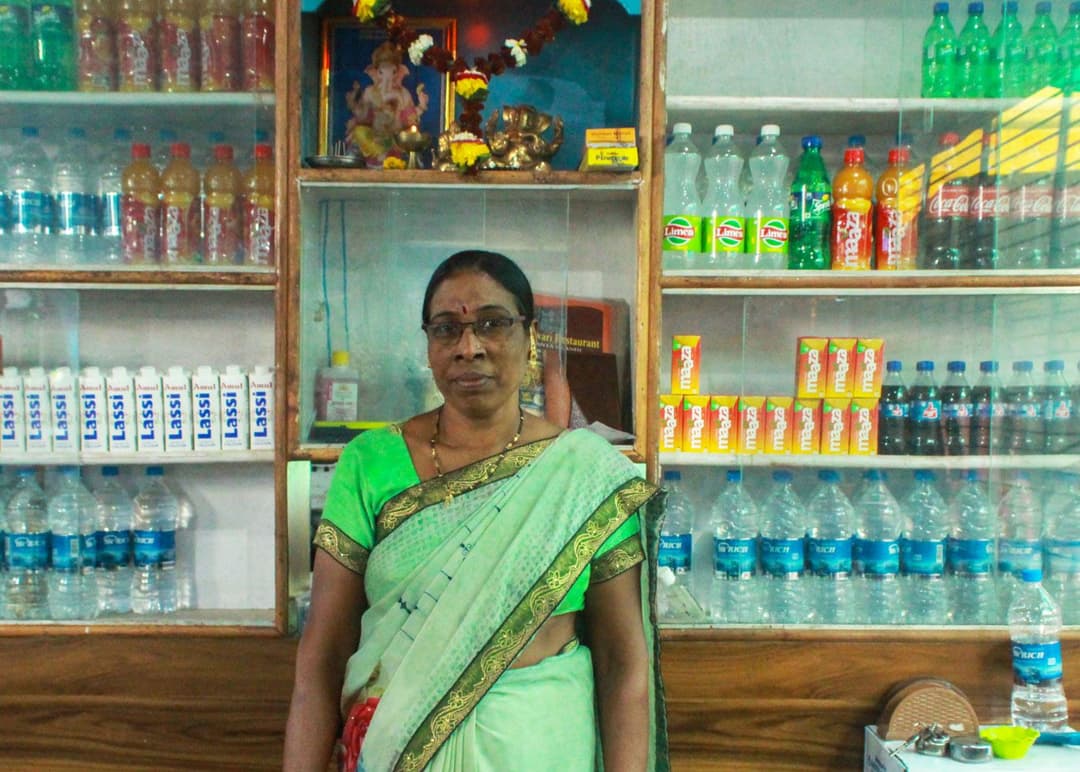
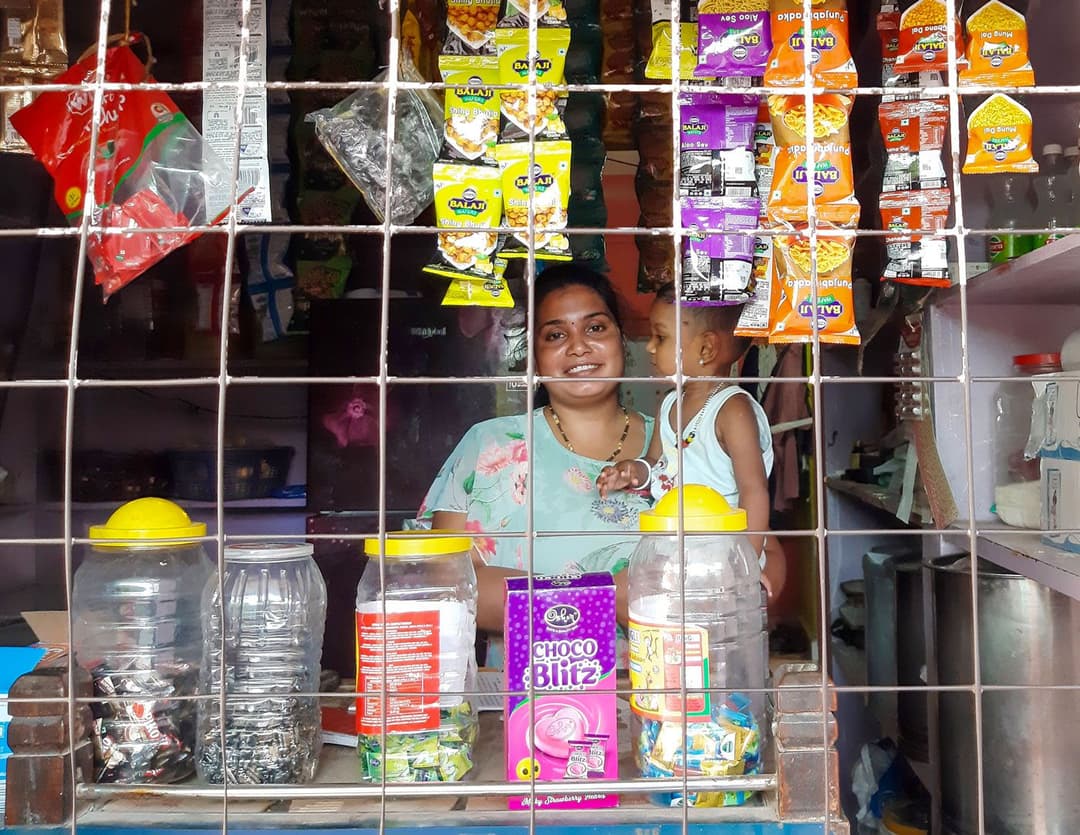
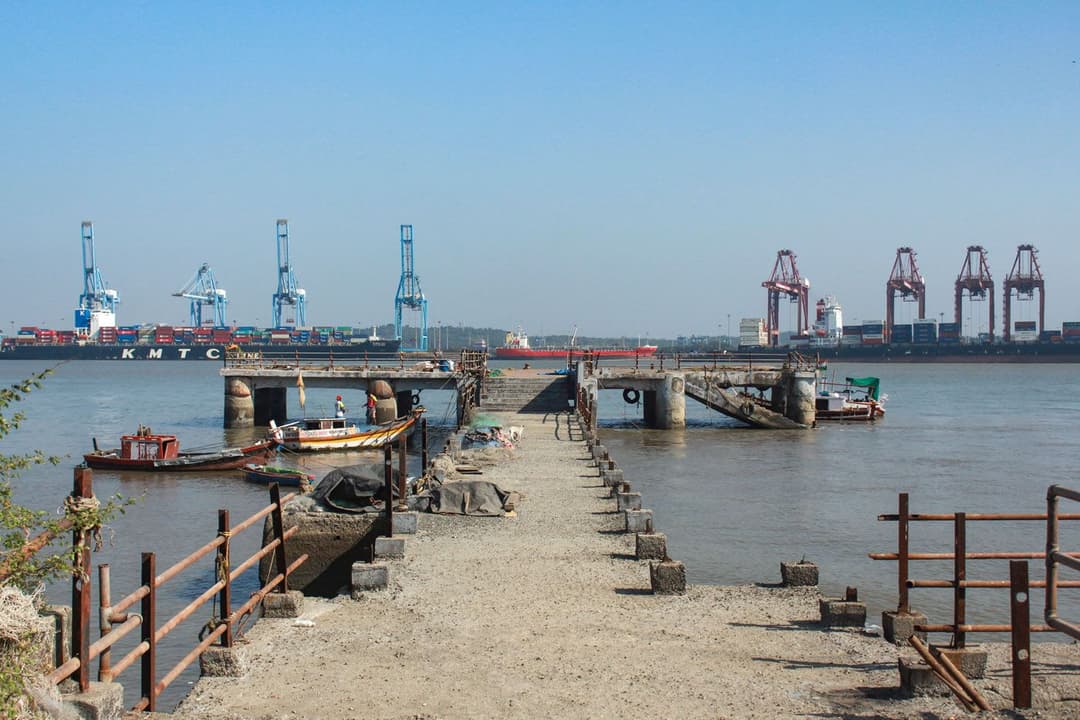
Someone rushed to inform Jayashree’s husband, 53-year-old Madhukar Mhatre, who was at the food shop he operated on Gharapuri island. Located in the Arabian Sea, the island is better known for the famous Elephanta caves. This tourist attraction near Mumbai city is a UNESCO World Heritage site – the rock architecture here dates back from the 6th to 8th centuries AD – and attracts millions of visitors every year. The island’s residents depend on tourism for an income – selling hats, sunglasses, souvenirs and eatables; some residents act as guides to the caves.
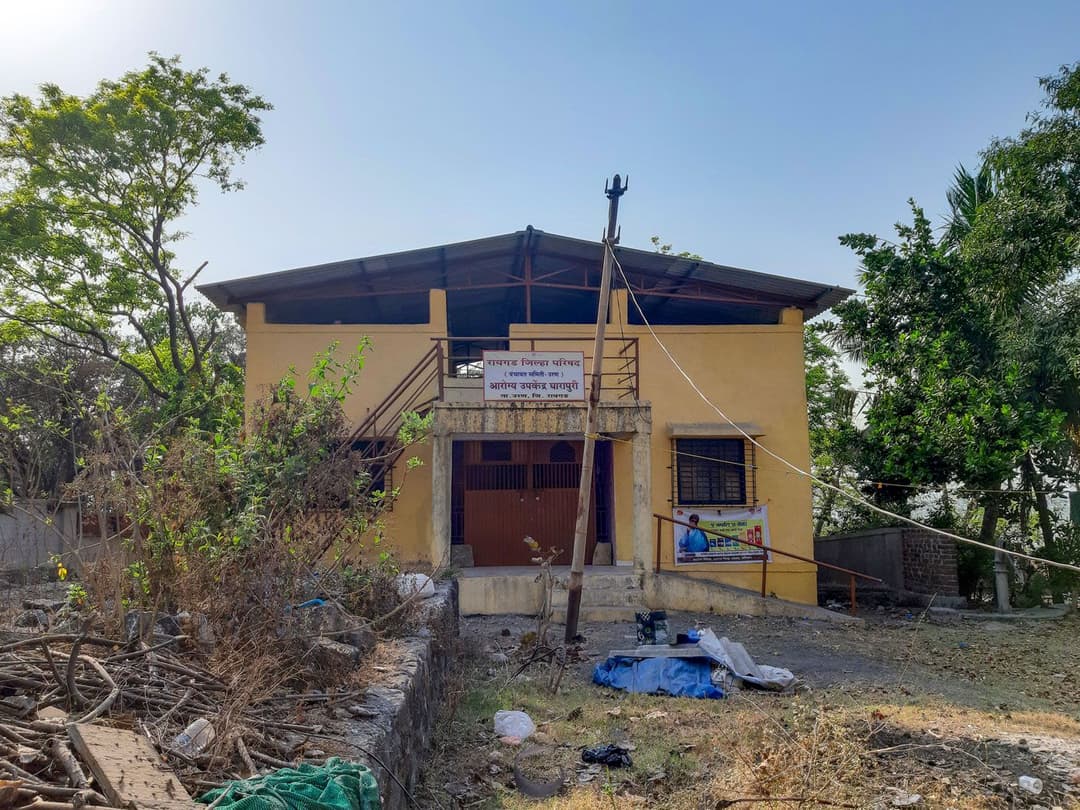
But while it may feature prominently on the tourist map, the village of Gharapuri on the island falls short of basic medical amenities such as a public health centre. One was set up about two years ago, but lies unattended. The village’s 1,100 live in three hamlets: Rajbandar, Shetbandar and Morabandar. The lack of health facilities forces them to look for options a boat ride away. Not only does this work out to be more expensive, but the delay in medical attention, in some cases, can be fatal.