In June 2005, the Odisha government signed the country’s biggest foreign direct investment deal yet with the South Korean steel manufacturer Posco for a $12 billion (around Rs. 65,856 crores) plant near Paradip in the mineral-rich state. Livelihoods in eight existing agricultural and fishing villages were to give way for the project that was intended to be spread over 4,004 acres, of which 2,958 acres are forest land. The steel mill would be accompanied by a captive port, power plant and township.
Nearly eight years on, the plan continues to see pitched battles between authorities and villagers, as well as divides communities on the ground.
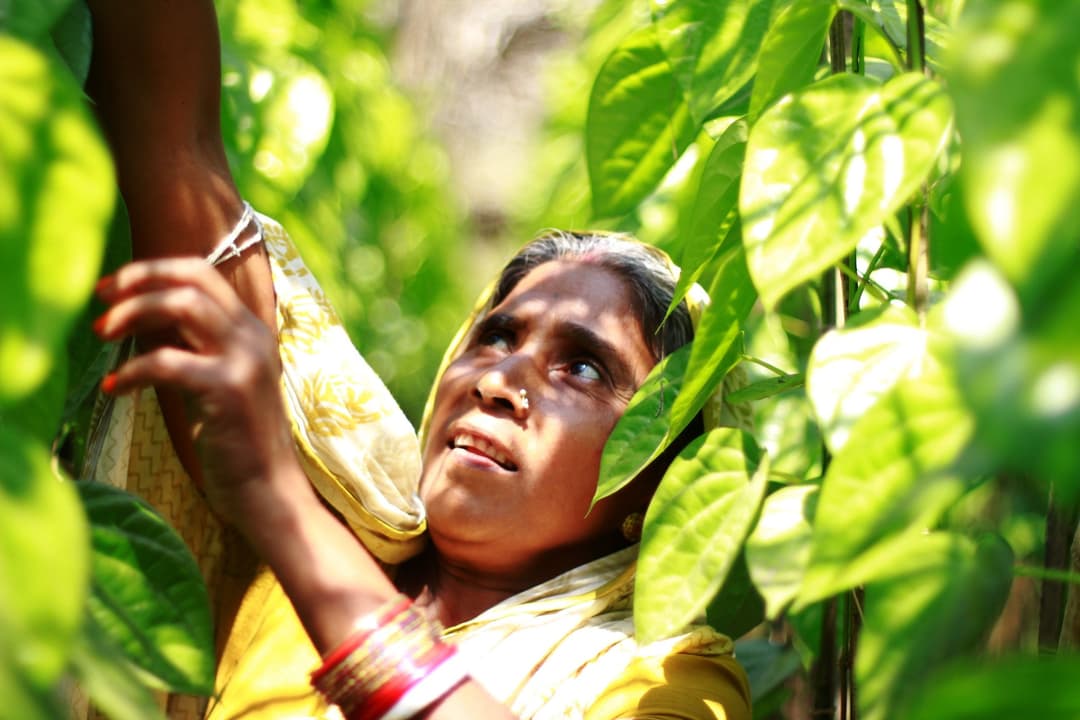
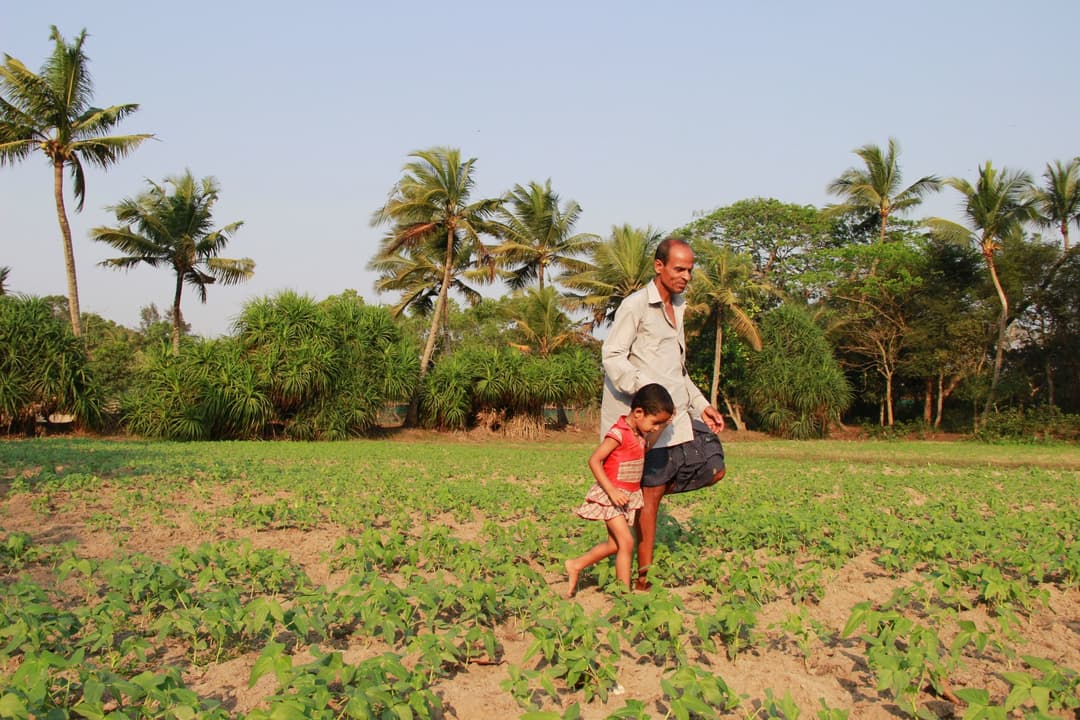
The village of Dhinkia remains the heart of the opposition. It has held out a steadfast non-violent resistance, refusing to have its profitable betel vineyards, paddy farms, community forestlands and homesteads jettisoned by the proposed industry. Residents have dug in their heels, barricaded their village, petionned courts about the project’s numerous violations, and made desperate pleas to be allowed to determine their future.
State authorities have resorted to brute police force, destroying vineyards and taking over lands in neighbouring villages in intermittent police operations, including a particularly violent one in recent weeks. Through the years, they have also slapped over 200 criminal cases, which include charges of sedition and obscenity, against hundreds of villagers in a bid to incarcerate them and end the opposition.
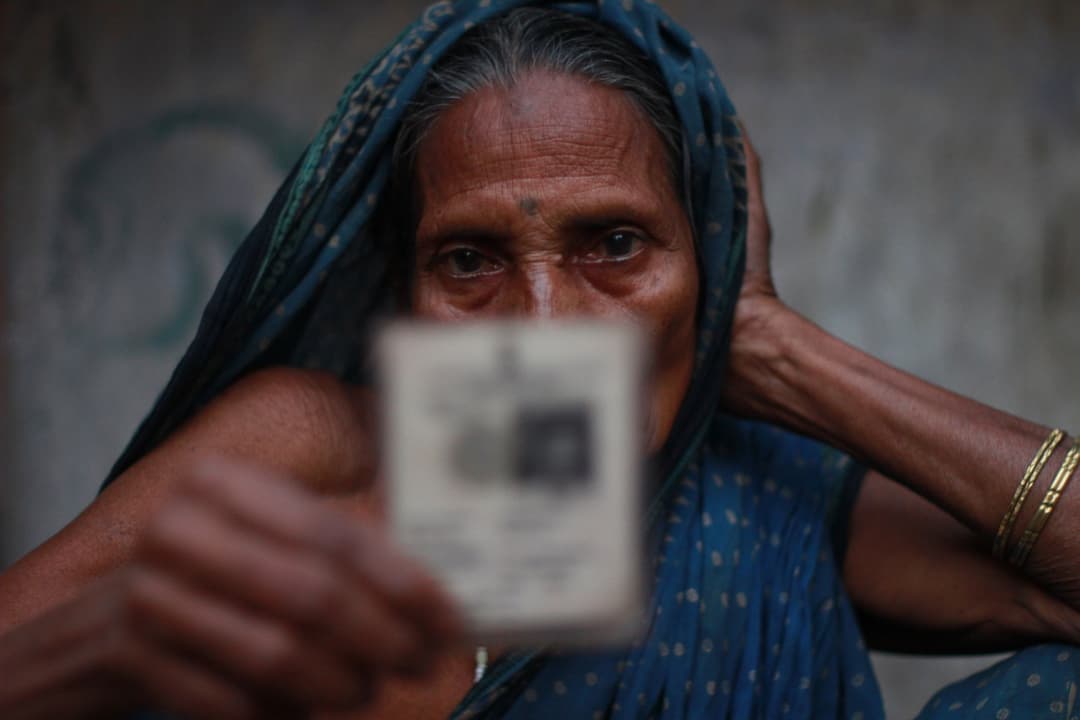
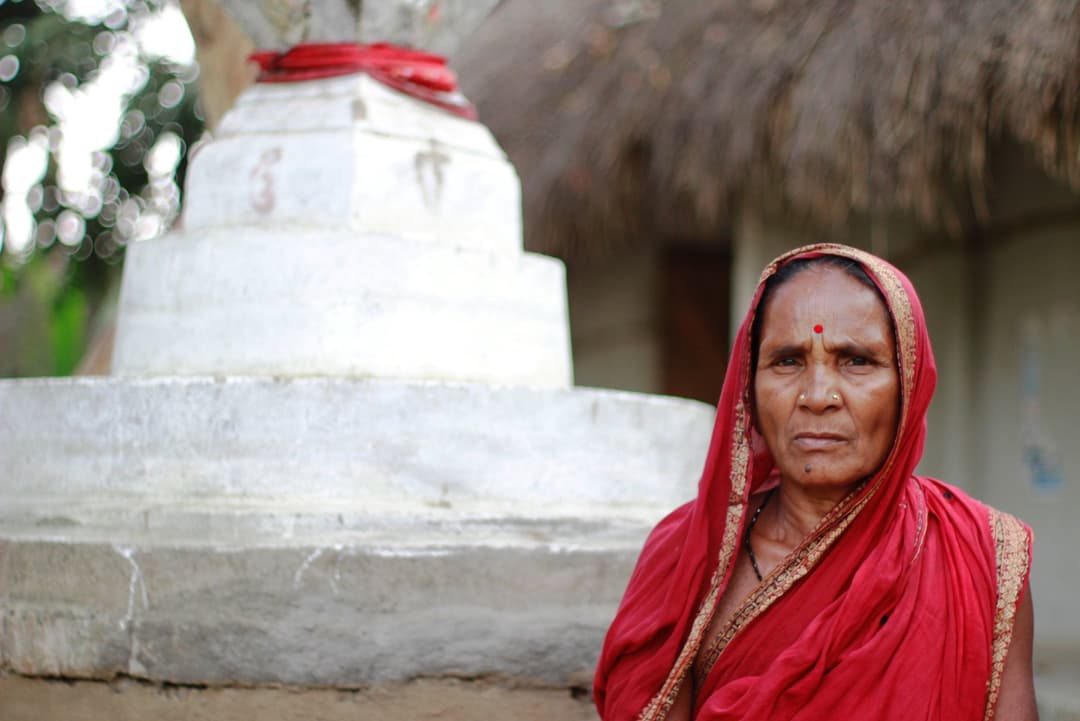
But the villagers of Dhinkia – especially women – say they are not giving up, even as their defiance turns fatal.