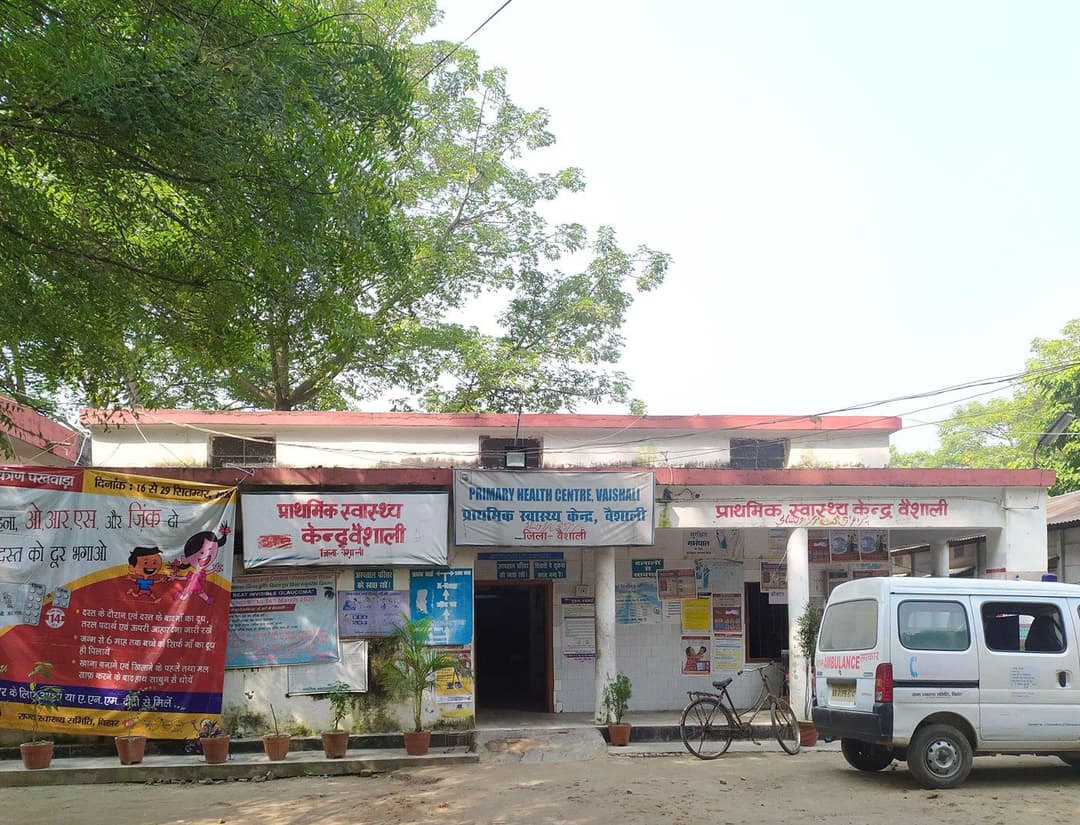


“They said our baby had died in the womb. We were scared to death. Then they asked us to leave and go wherever. So then I decided to rush my bahu to a private doctor in the town,” says Sukhiya Devi, recalling how she and her daughter-in-law, Kusum, were treated at the primary health centre (PHC) in Vaishali district headquarters in Bihar.
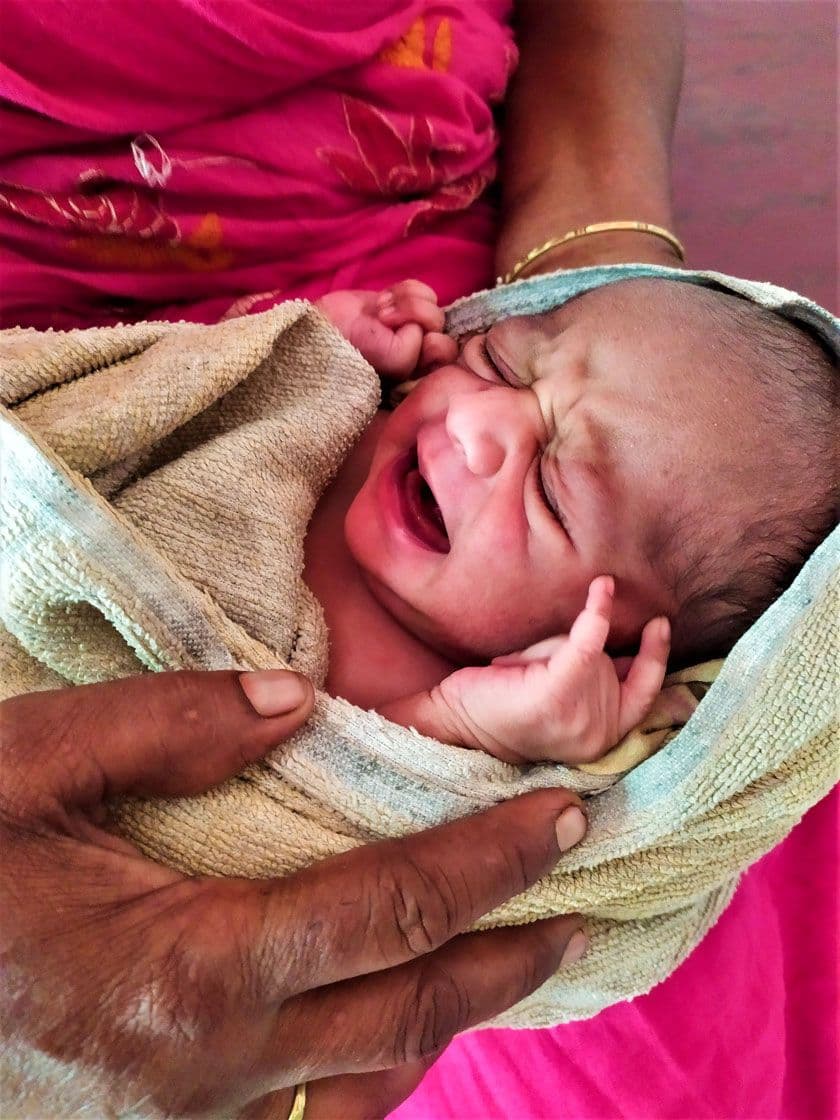
The 62-year-old agricultural labourer is holding her very much alive granddaughter, one day old, in her arms as she waits in a line at the PHC one morning, around 10 a.m. to get the baby vaccinated.
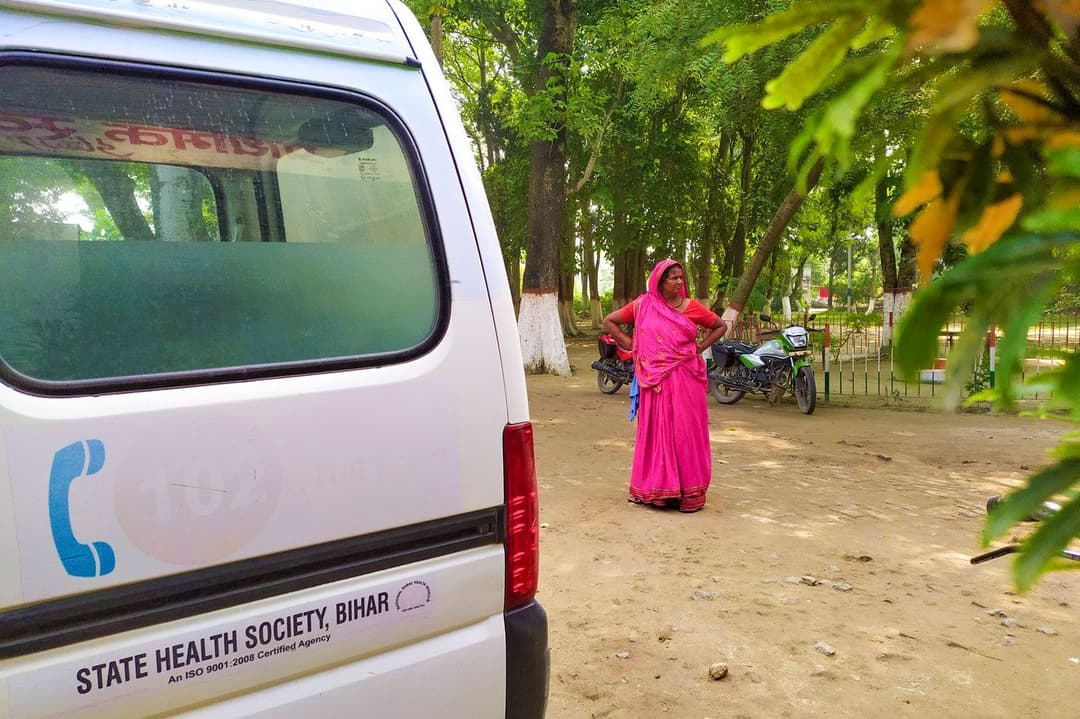
When her 28-year-old daughter-in-law had developed labour pains, Sukhiya took her to the Vaishali PHC. That’s where an attendant told them the baby was dead. Panic-stricken, she and Kusum returned, in an autorickshaw, to their home in a village (which they requested we not name) some 15 kilometres away. “We went back to our house,” says Sukhiya “and hired a private vehicle, a bolero, to go to a mahila doctor [gynaecologist]. I did not even think of enquiring about the hire charges. I was so anxious about the delivery. With help from my neighbours, I got my bahu in the vehicle. We then started towards the clinic.”
As they wound their way towards a doctor, the baby that was ‘dead in the womb’ came alive in the car.
“She was born right there in the vehicle,” says Sukhiya. It happened quite smoothly, she says. They already had a saree which they used as a sheet, the local medical shop owner (who was accompanying them) had kept some water in the vehicle. “But all this took so much time…” Sukhiya adds.
And it took money. Despite the relatively short distance, the car owner charged the family Rs. 3,000 for the journey – and a further Rs. 1,000 to get someone to clean the vehicle.