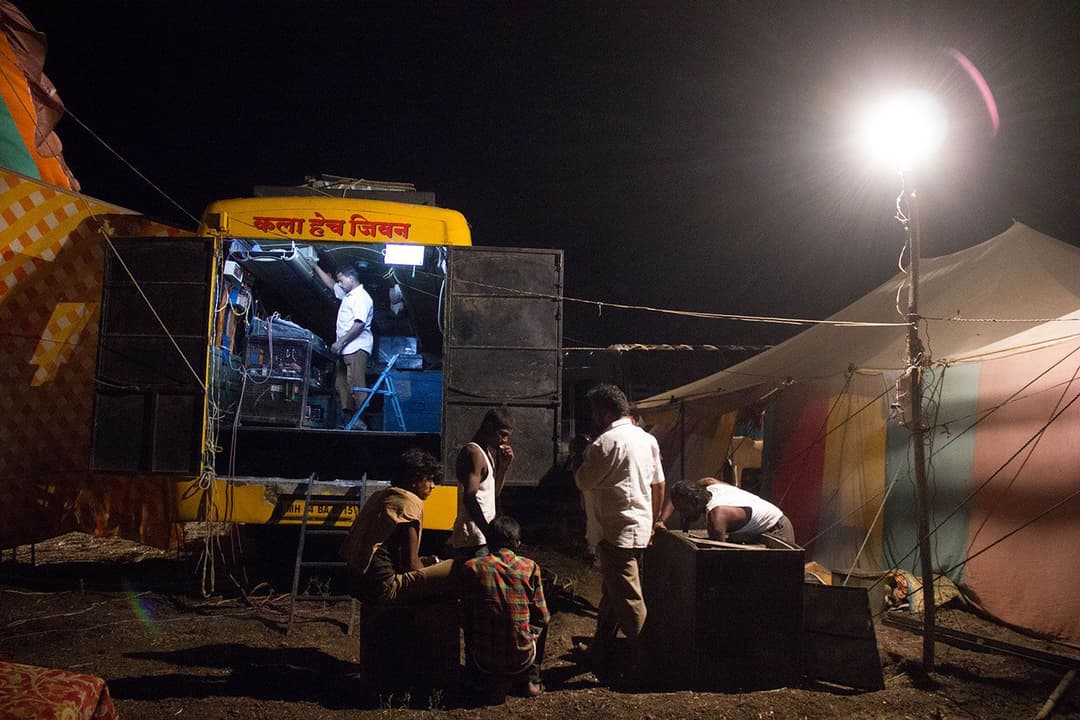

It is 2 a.m. on a cool April night in Savindane. The open ground opposite the temple in this village in Pune district’s Shirur taluka in western Maharashtra is alive with women dancing to a Bollywood number, under flashing, coloured lights. But Lallan Paswan and his band of co-workers pay no attention to the performance. They saunter away to find a place for a brief nap, away from the audience of cheering men and the blaring loudspeakers. Some of them pass the time by watching a movie on their phones.
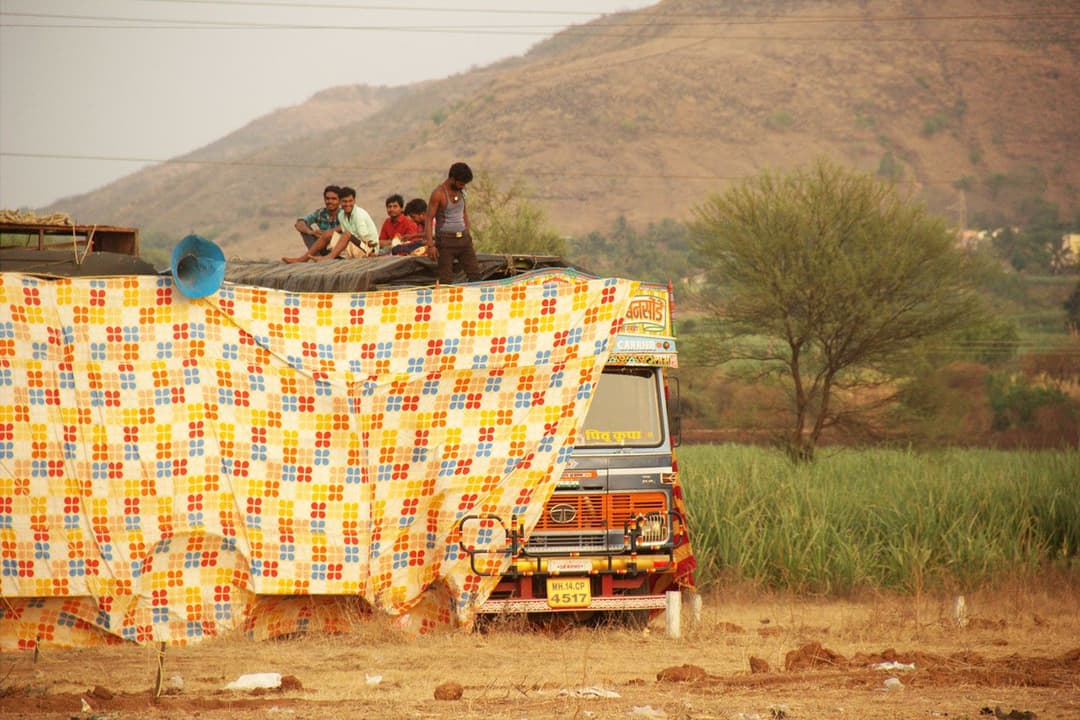
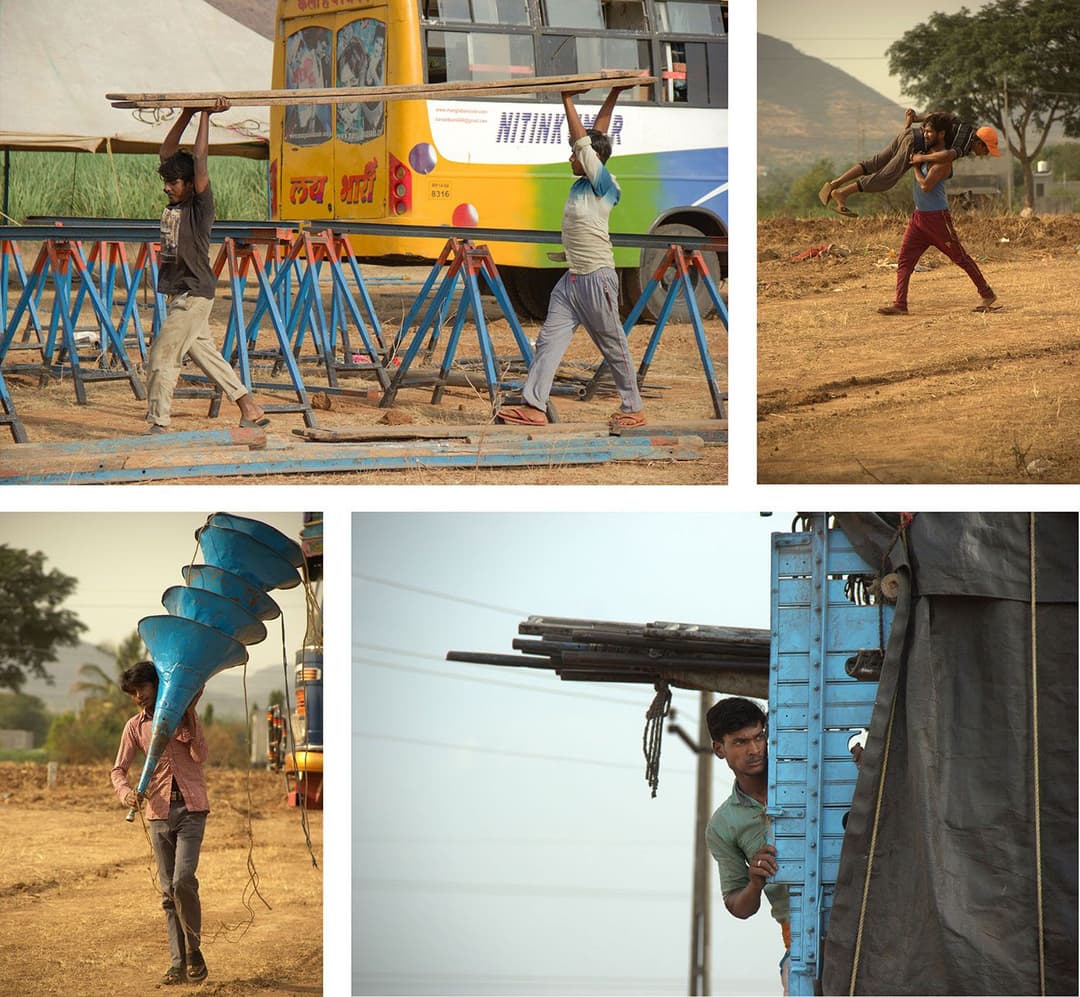
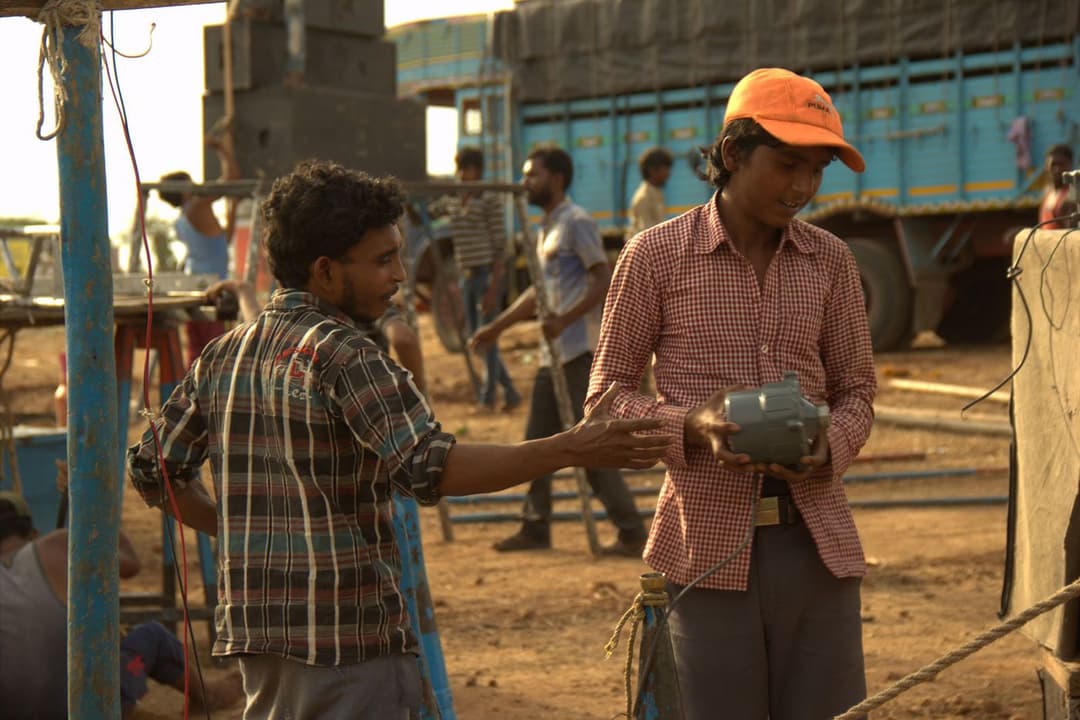
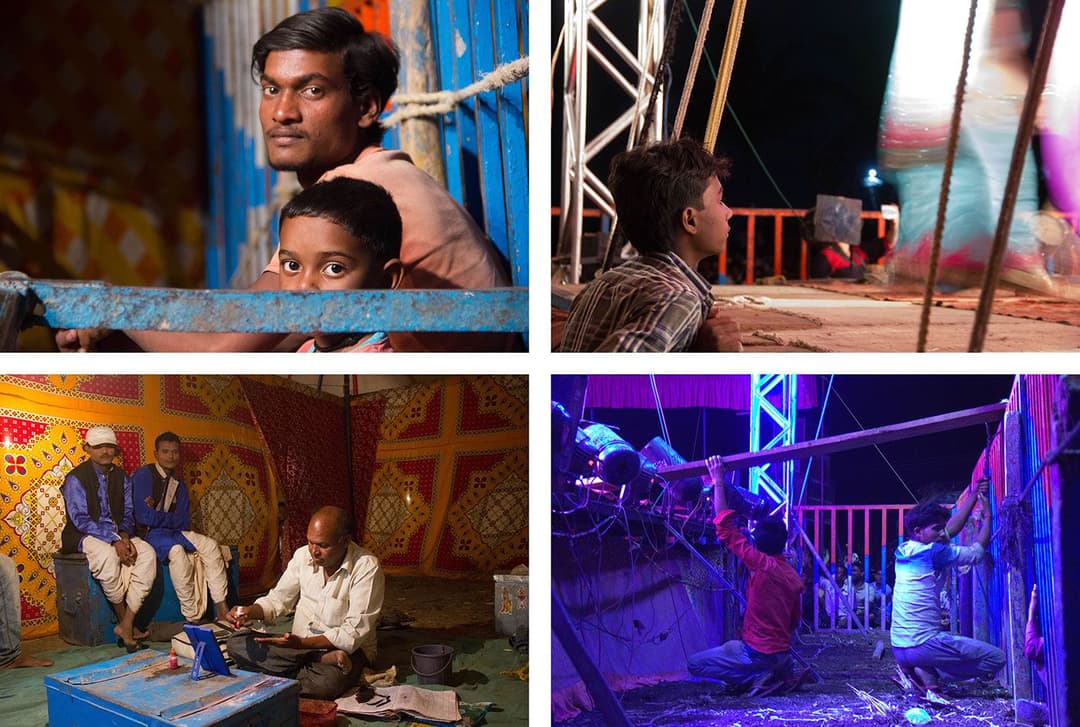
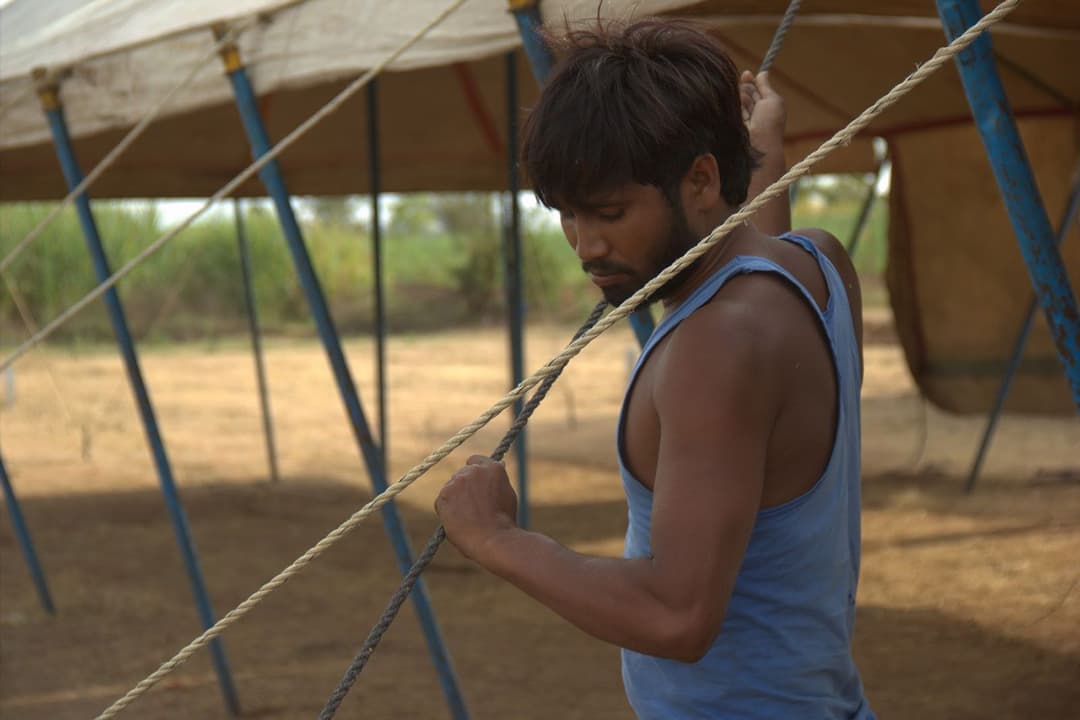
“This work is very tiring. We stay up through the night, the owners demand that we work all the time,” says Lallan Paswan. Now around 19, Lallan (in the cover photo on top) has been working with the ‘Mangala Bansode and Nitin Kumar Tamasha Mandal’ since he was 13. He is among a crew of 30 labourers – most of them from Dalit communities, their ages ranging from 15 to 45 – from Malihabad tahsil in Mal block of Lucknow district in Uttar Pradesh. The men in this group are all related to each other or part of the same social networks back home.
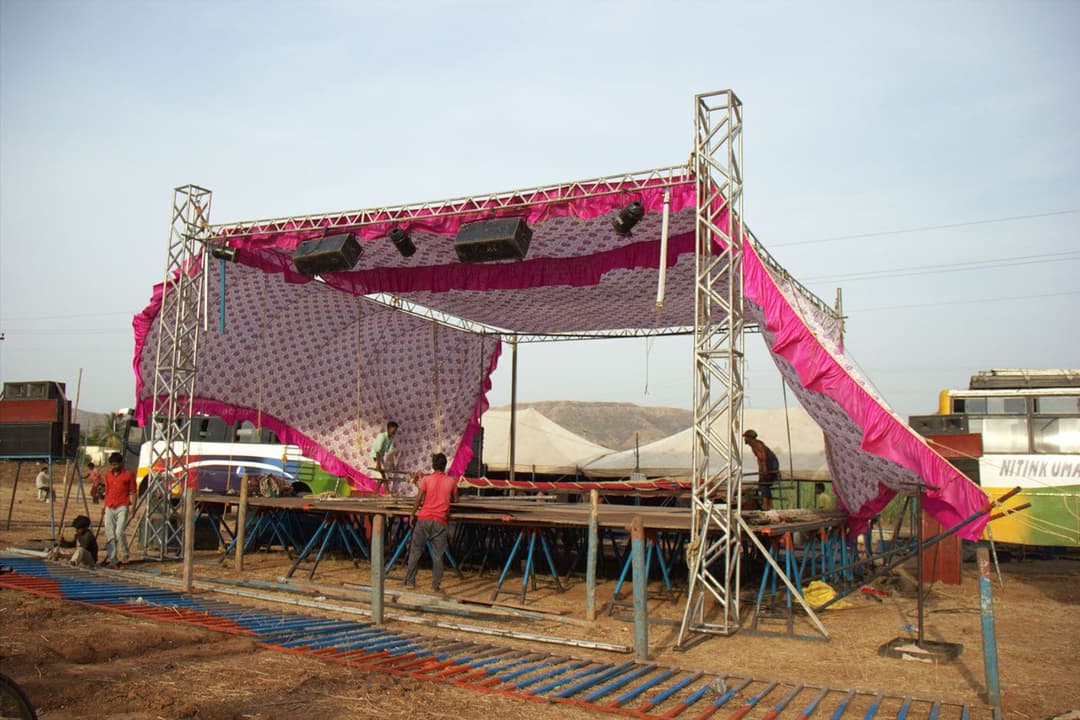
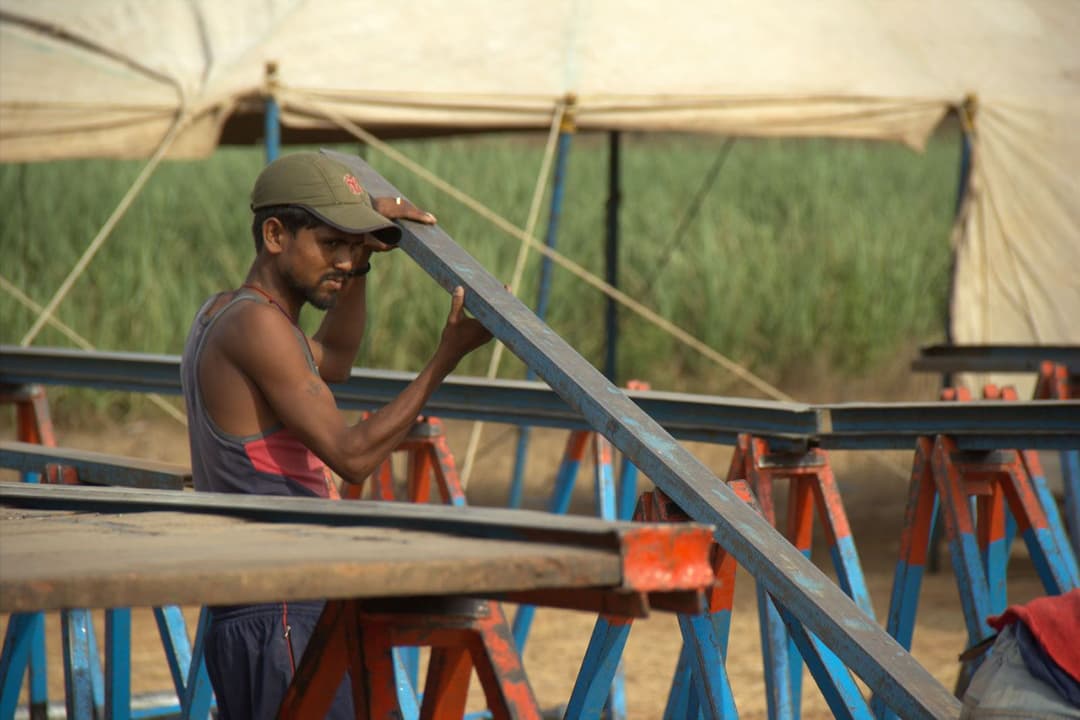
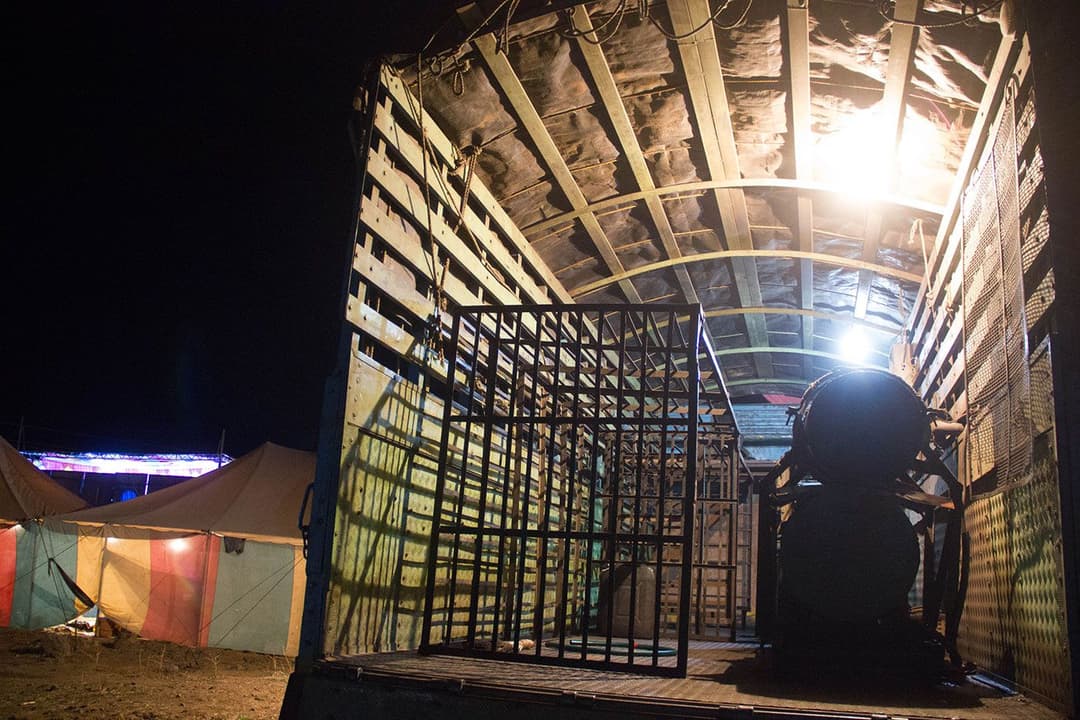
They build the stage and tents for the performances as the tamasha troupe moves from one village to the next. And they do this at least 210 times from September to May, in an eight-month season of tamasha – a folk art form of Maharashtra performed on an outdoor stage set up in a different village every day. It is an entertainment package of song and dance, skits, and a long play. The troupe includes artists, labourers, drivers, wiremen, managers and cooks.