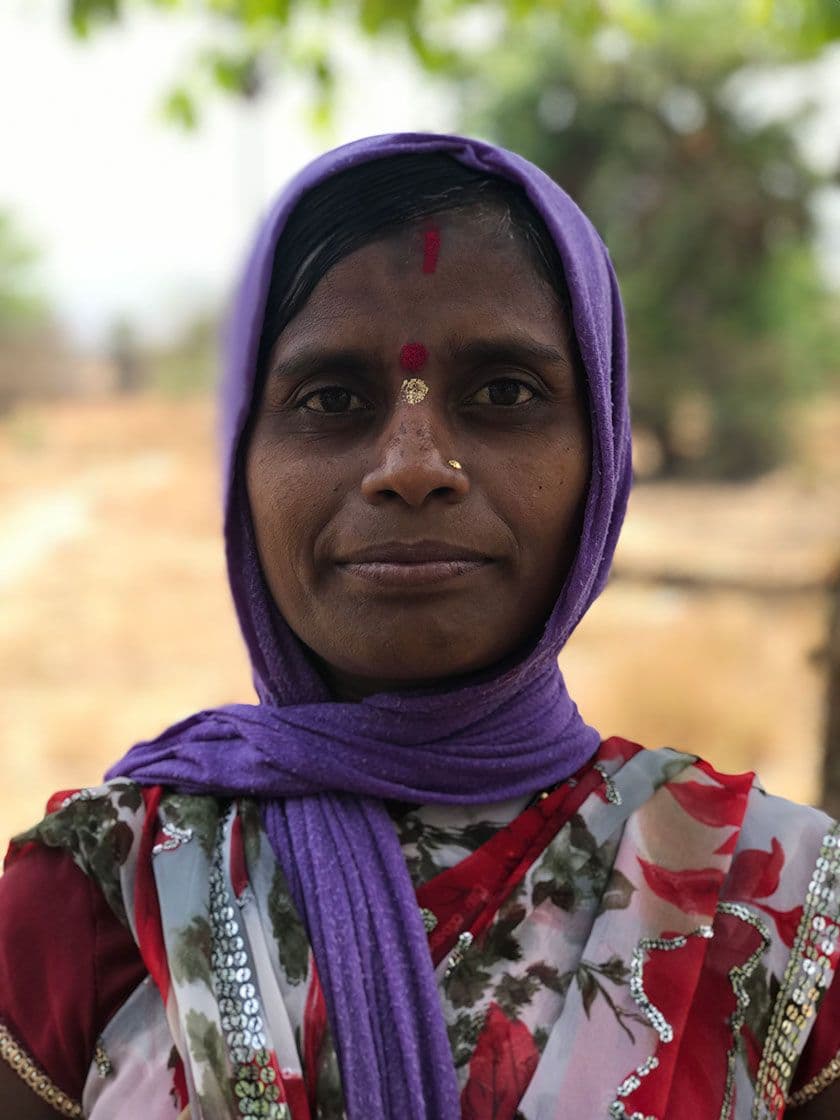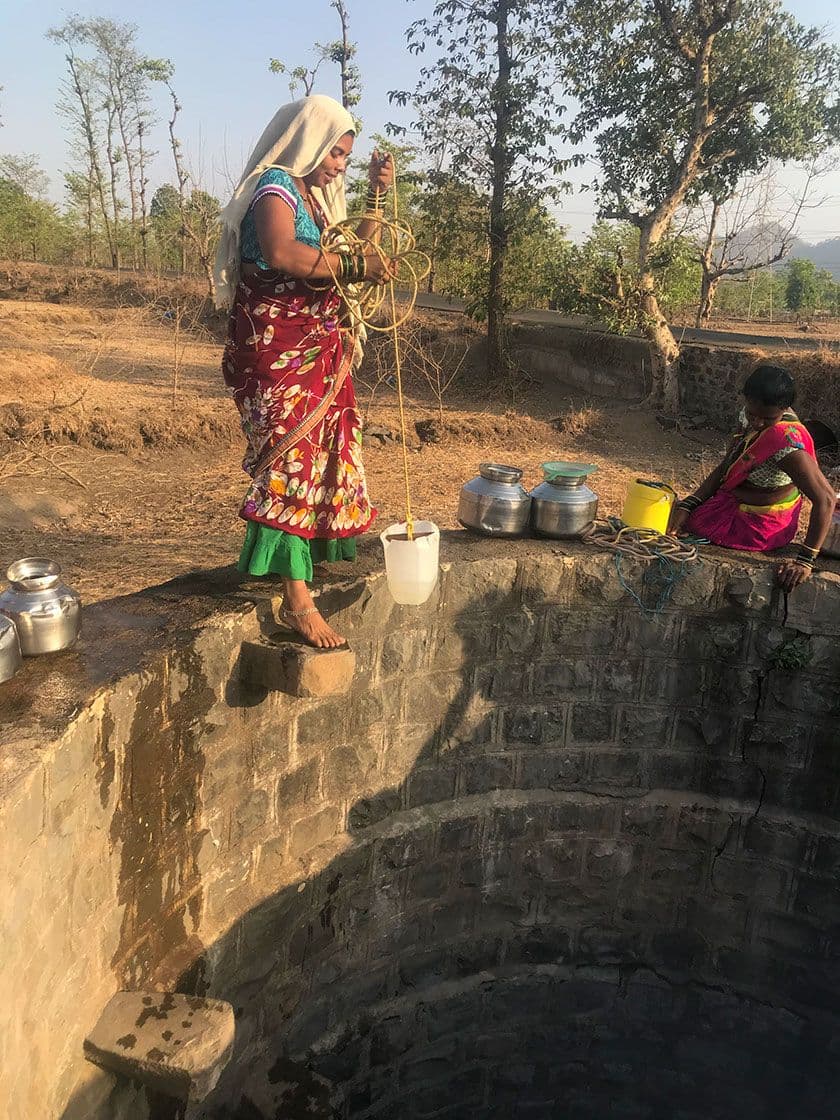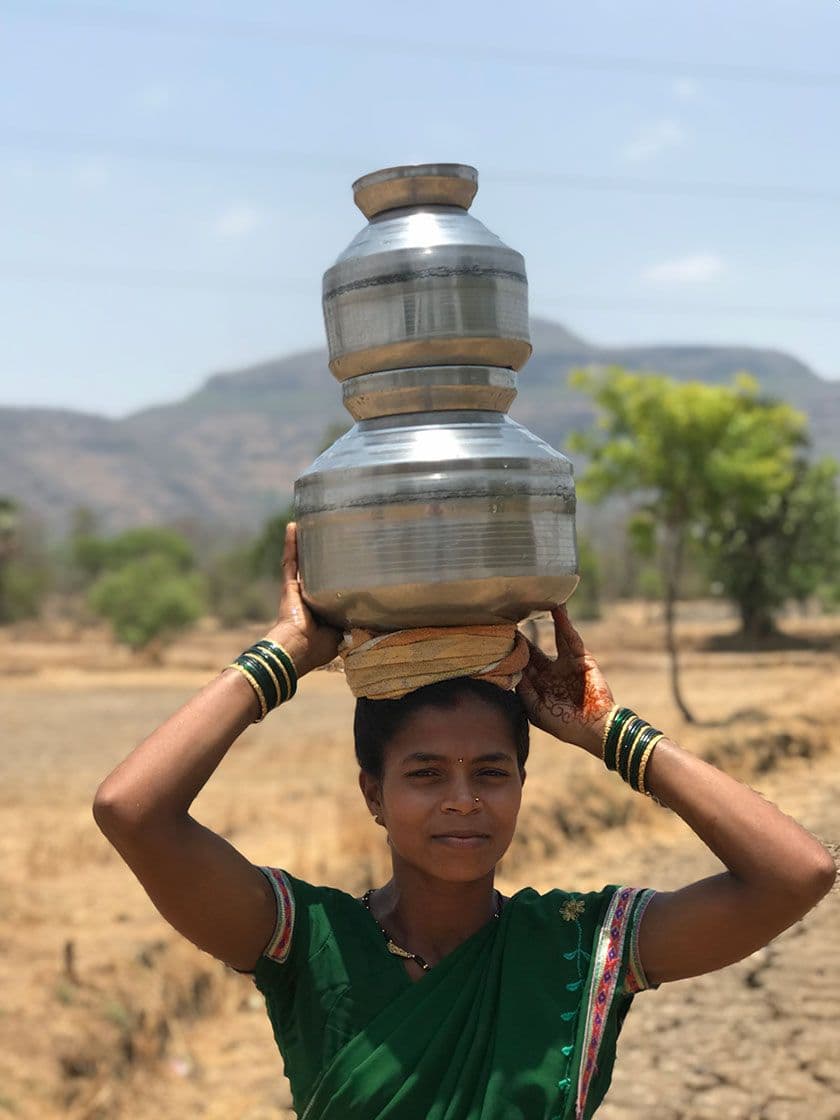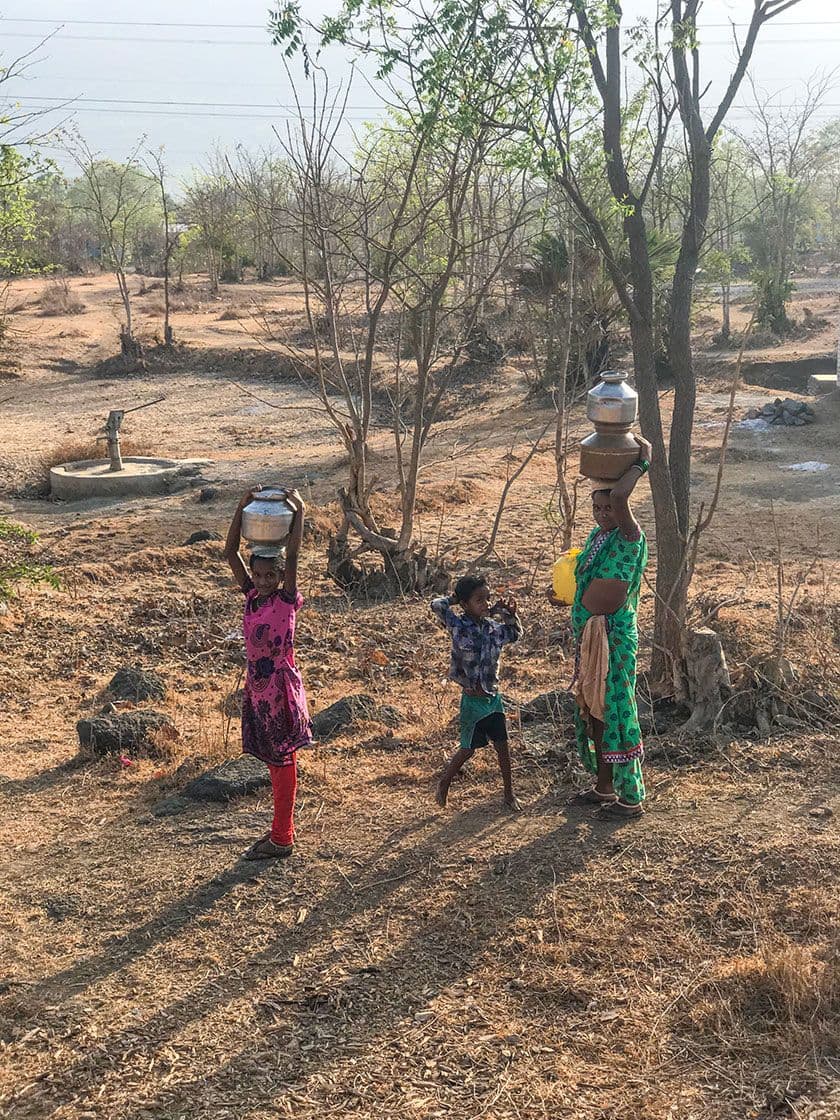

In March this year, while carrying three pots of water in the scorching sun one afternoon, 24-year-old Manta Rinjad fainted on the deserted pathway from the well to her house. “Nobody even saw me on the street lying like a dead person,” she says. “When I woke up after 20 minutes [I saw that] I’d spilled all the water. Somehow, I walked back home and woke up my husband who made namak-sakhar [salt-sugar] water for me.”
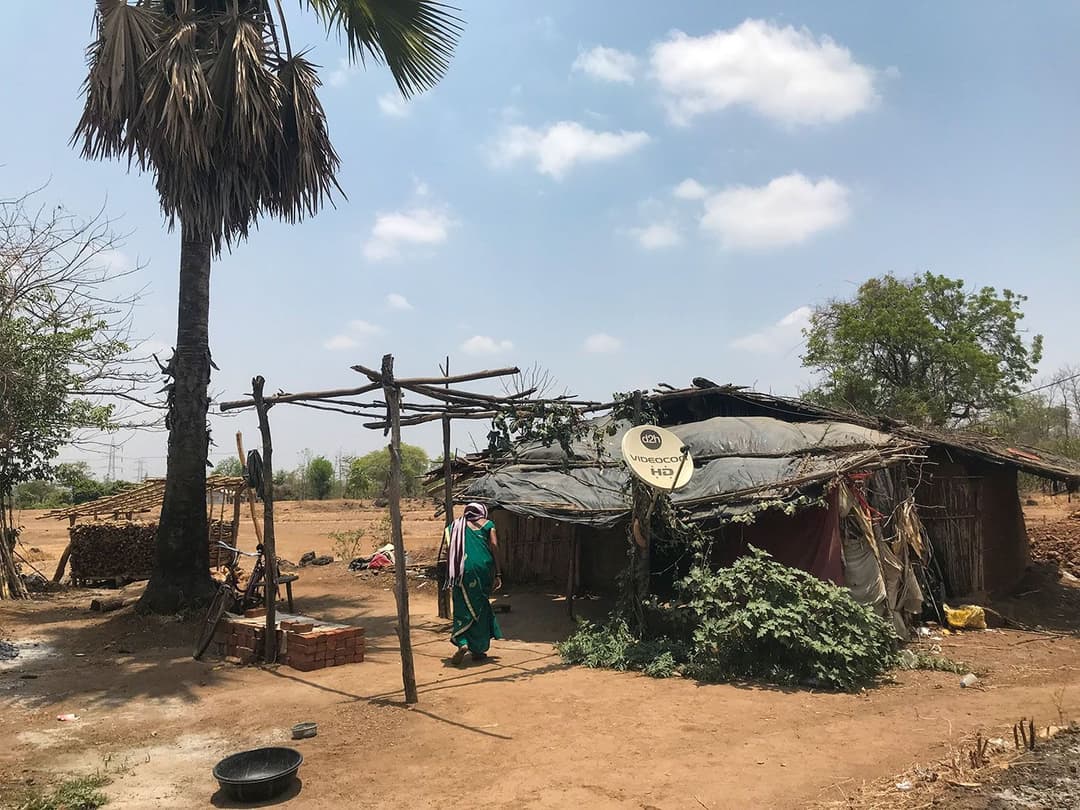
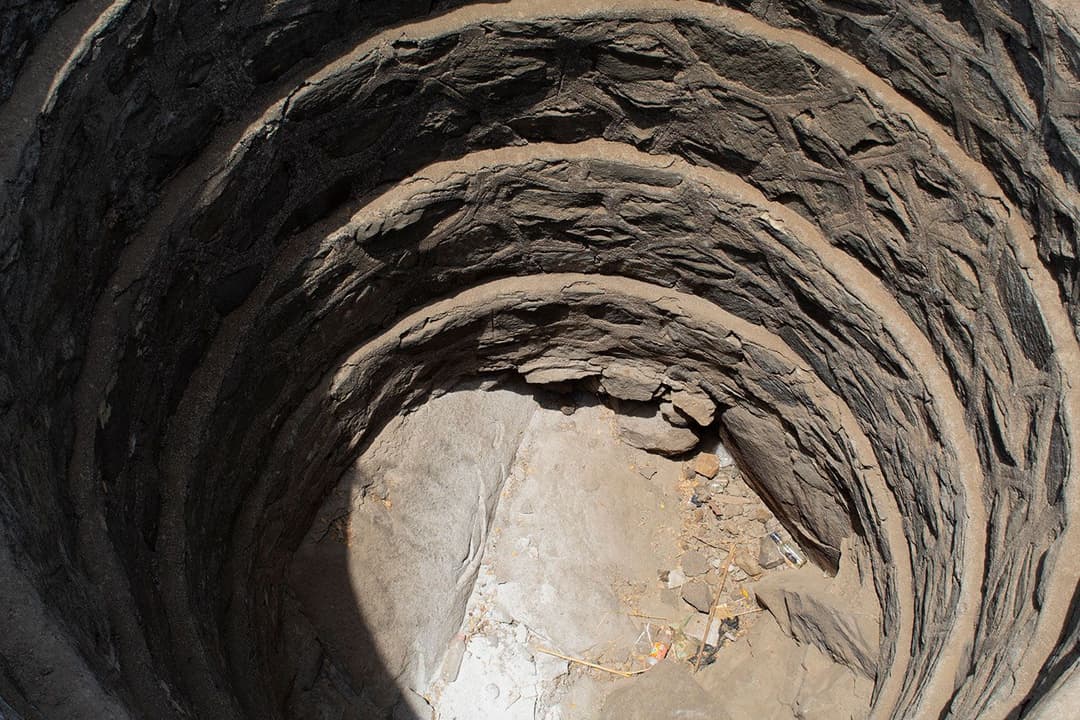
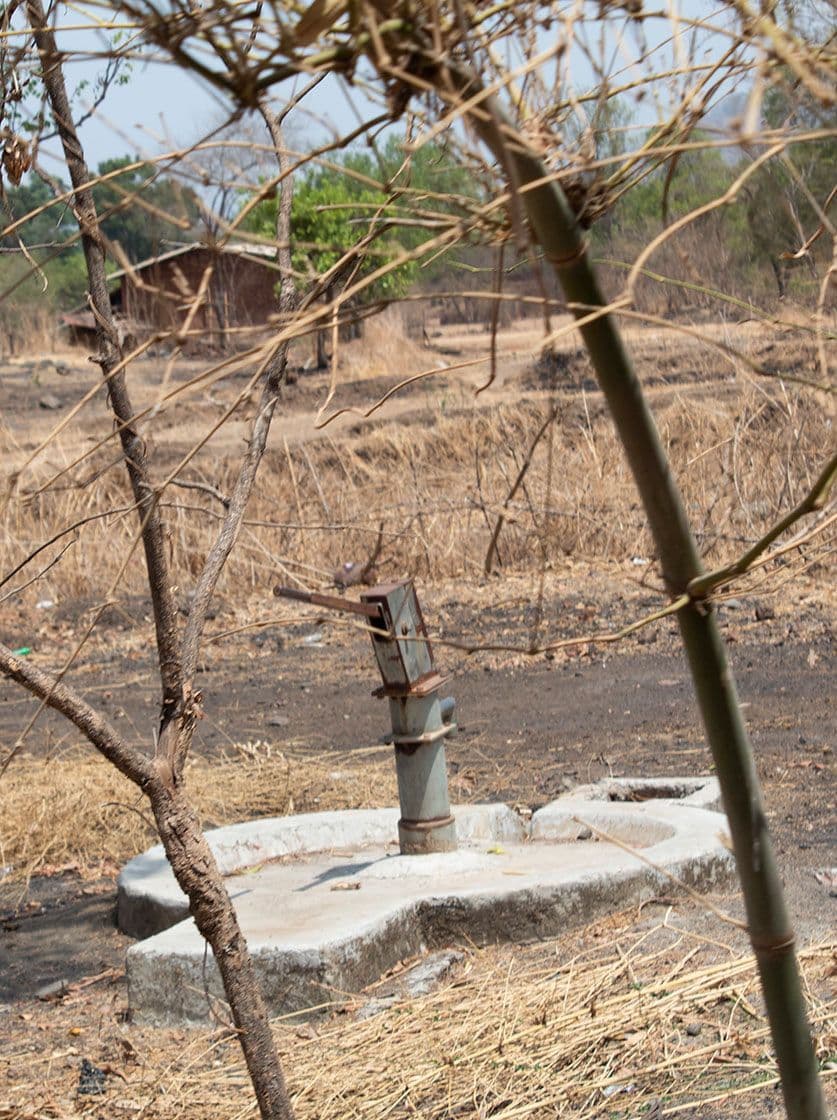
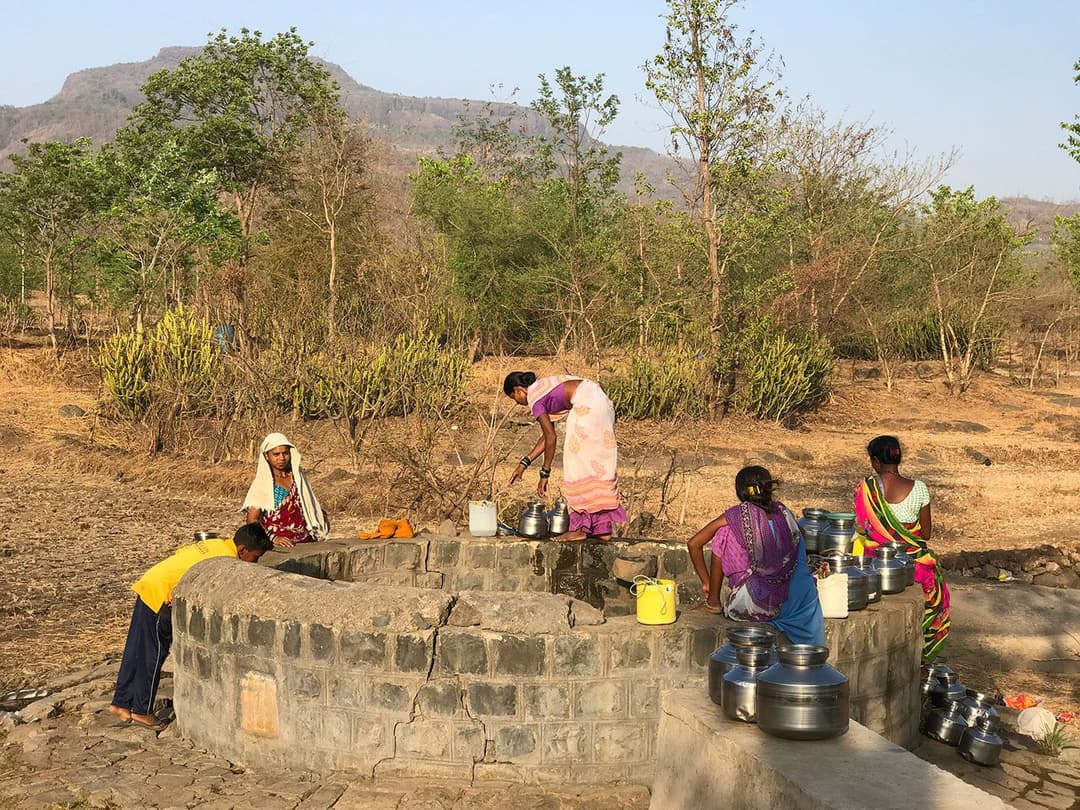
This year, Mamta, like the other women of Galtare, has had to begin her gruelling daily summer treks to a dug well, located three kilometres away, much earlier than in the past. The two dug wells in Galtare village of Vada taluka (also spelt as Wada) in Palghar district of Maharashtra, completely dried up in February. In previous years, the people here say, the water in the village’s dug wells – which they use for drinking and cooking – has lasted till the beginning of May. After that, the women have to walk to the distant well which usually has some water left. But in 2019, the scarcity began months earlier.
"We have suffered water problems every summer, but this year all our sources of water are going dry," says 42-year-old Manali Padwale, who, like Mamta, works at a large temple complex near the village as a cleaner for Rs. 155 a day, where her husband works as a driver. “We have not once been supplied with water tankers and we don't have enough money to buy them,” she adds.
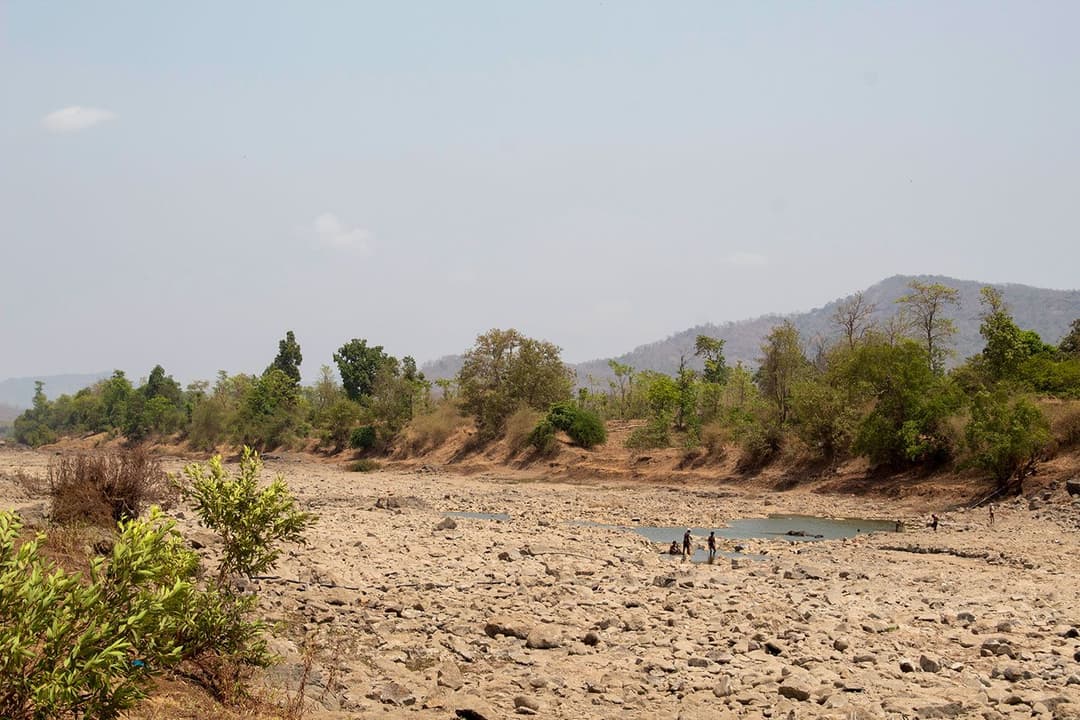
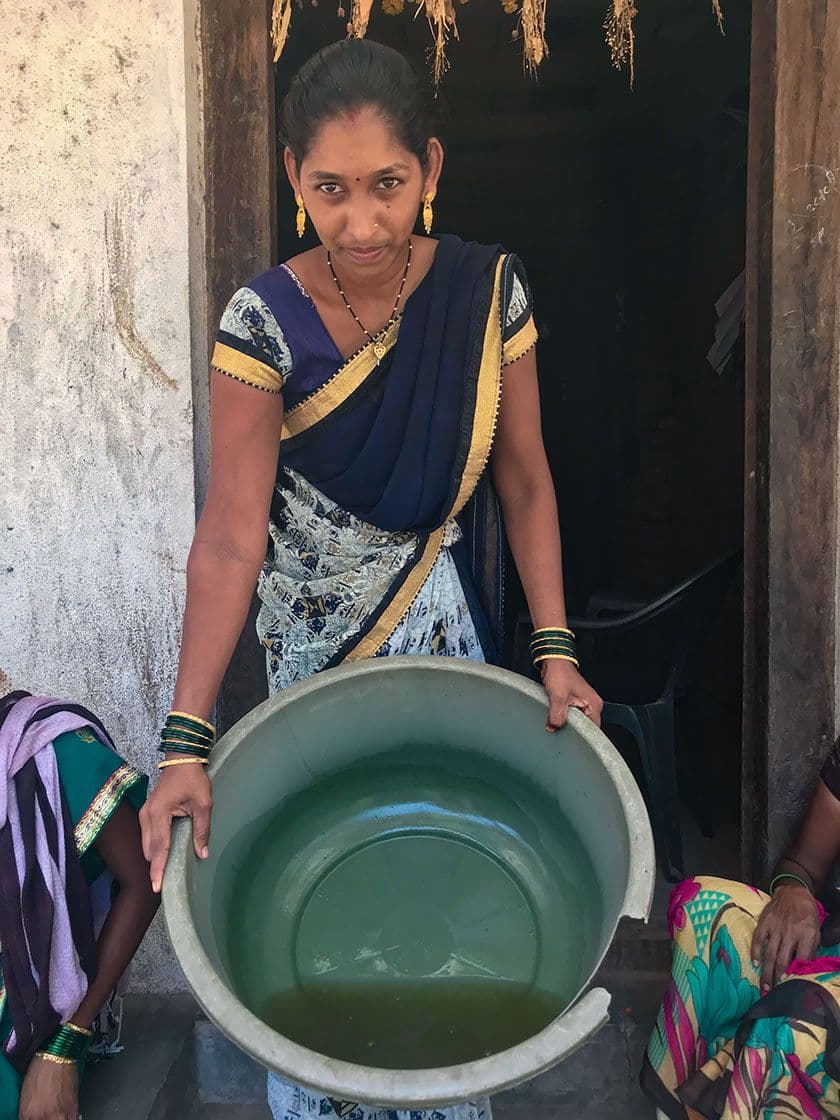
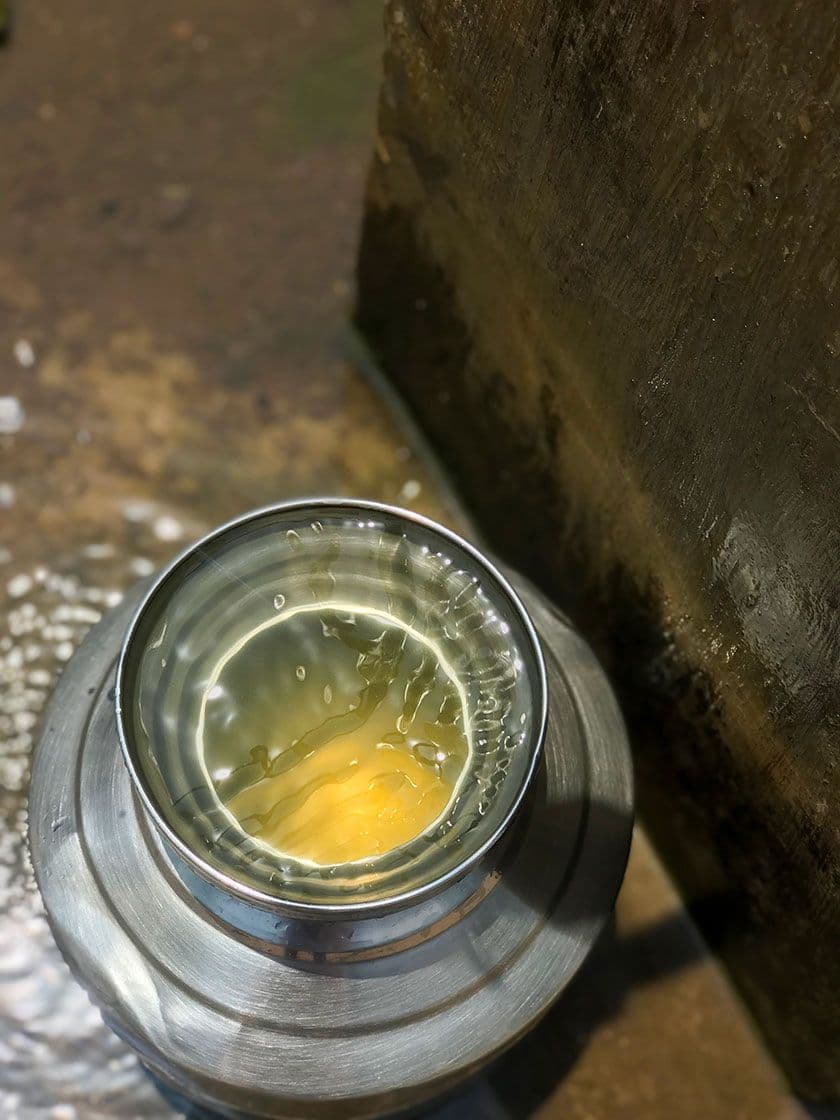
The Vaitarna river, which passes at a distance of around half a kilometres from the village, is one of the major sources of water for Galtare’s 2,474 residents (Census 2011), most of them from the Koli Malhar and Warli (listed as Varli in the Census) Adivasi communities. By May this year, the river had only a pile of rocks and barely any water. In previous summers, the people of Galtare say, the Vaitarna has had more water. “The little water [now] left in the river is used to wash cattle and then the same dirty water flows into the village taps," adds Manali.