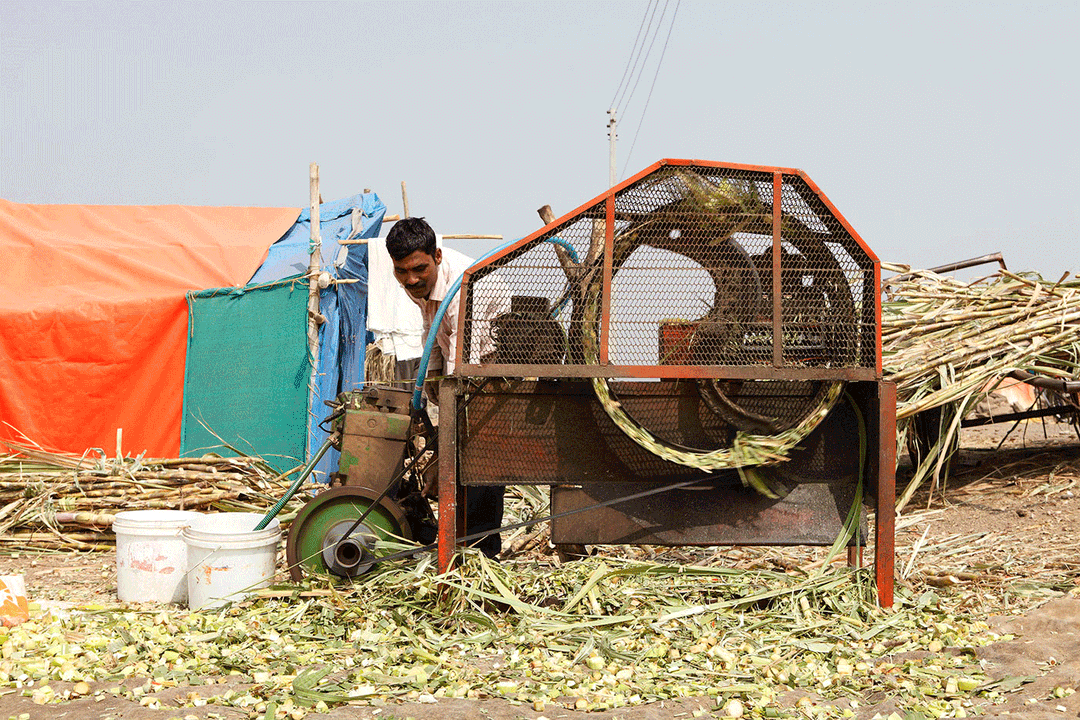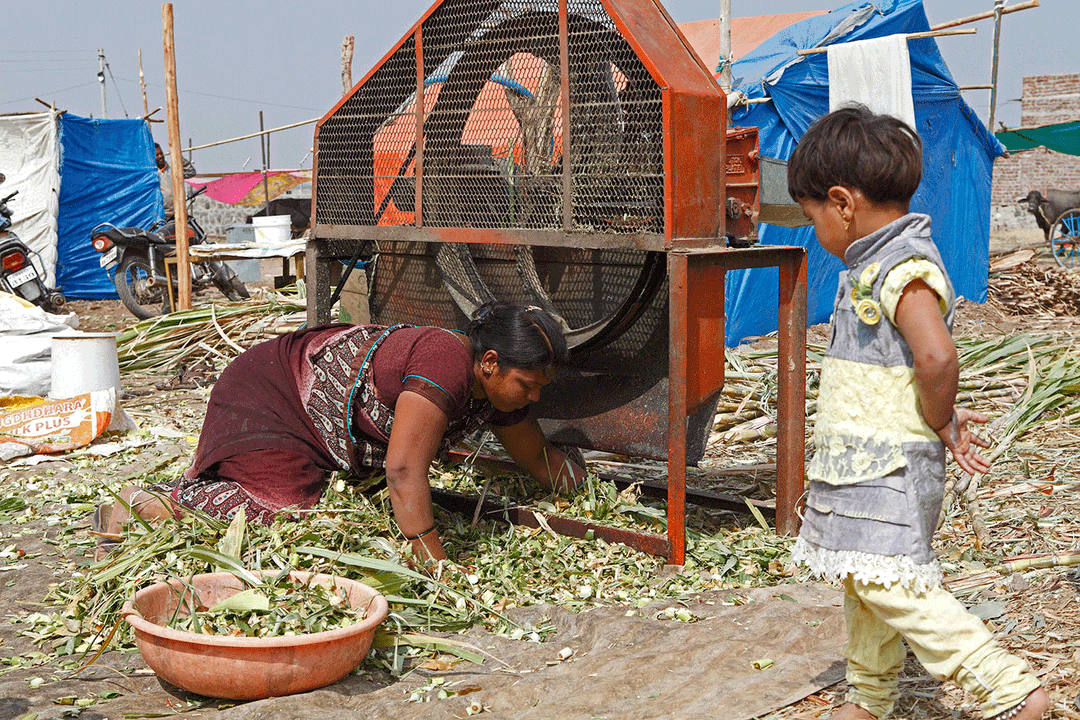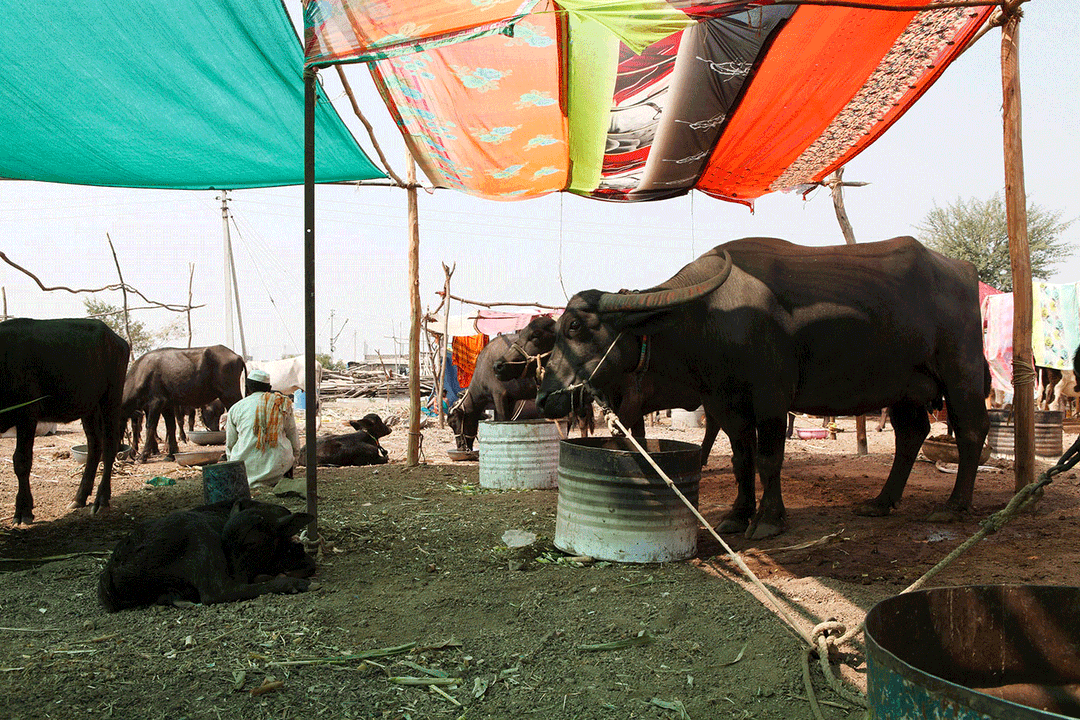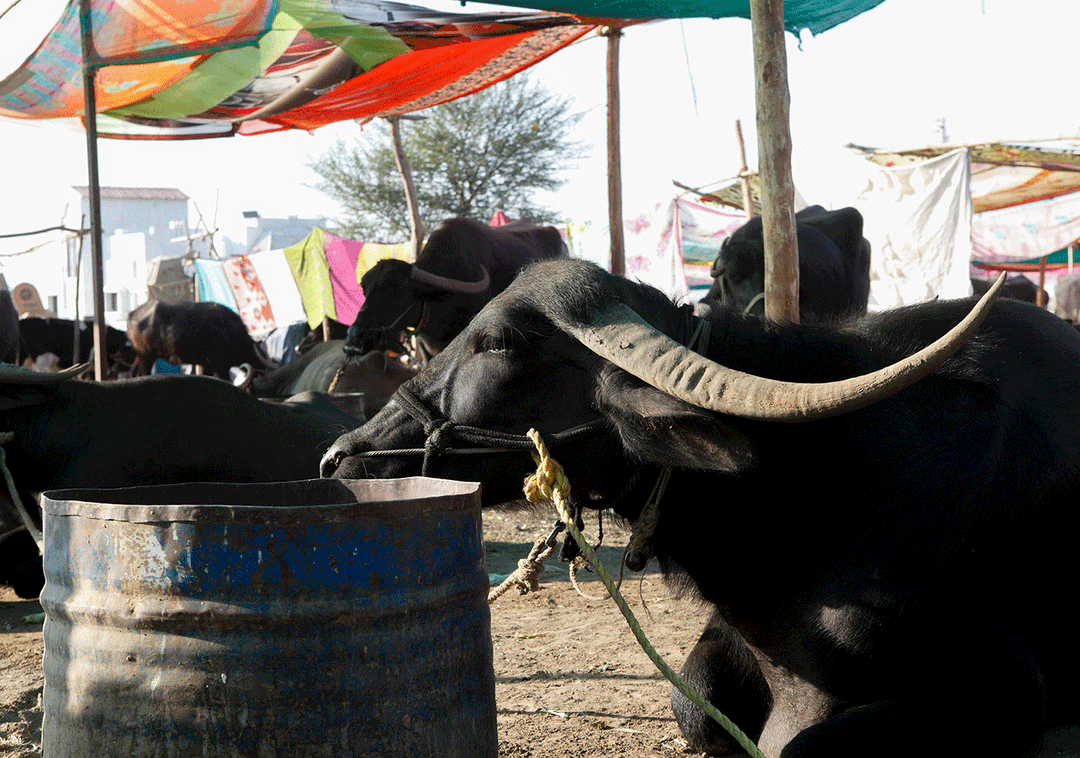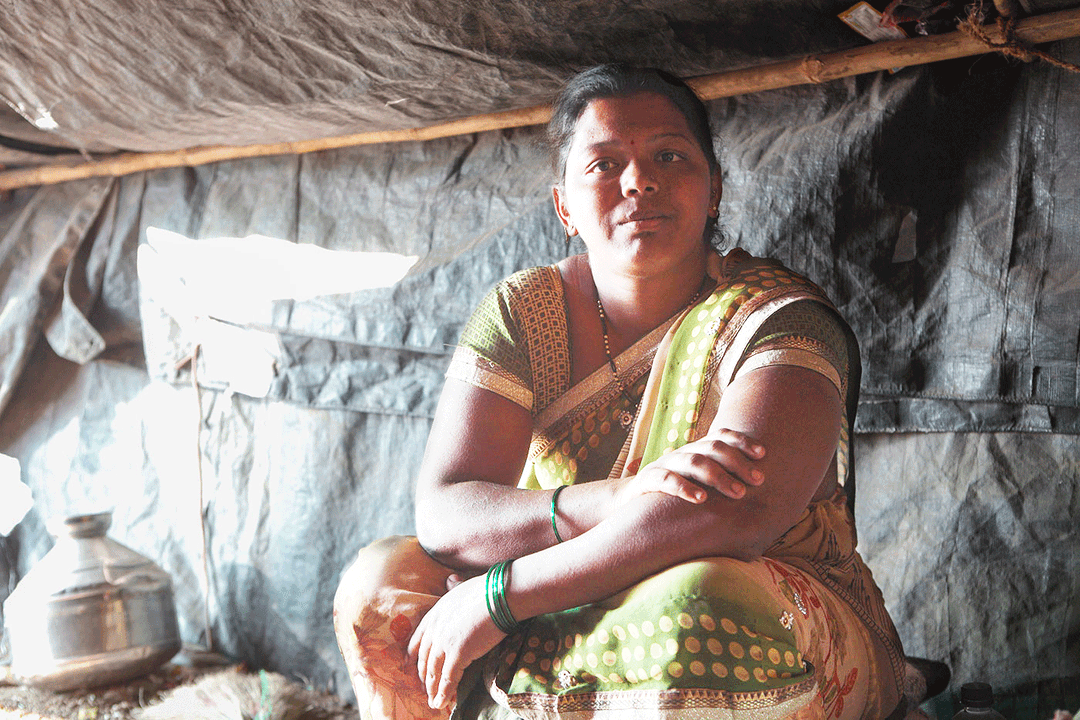

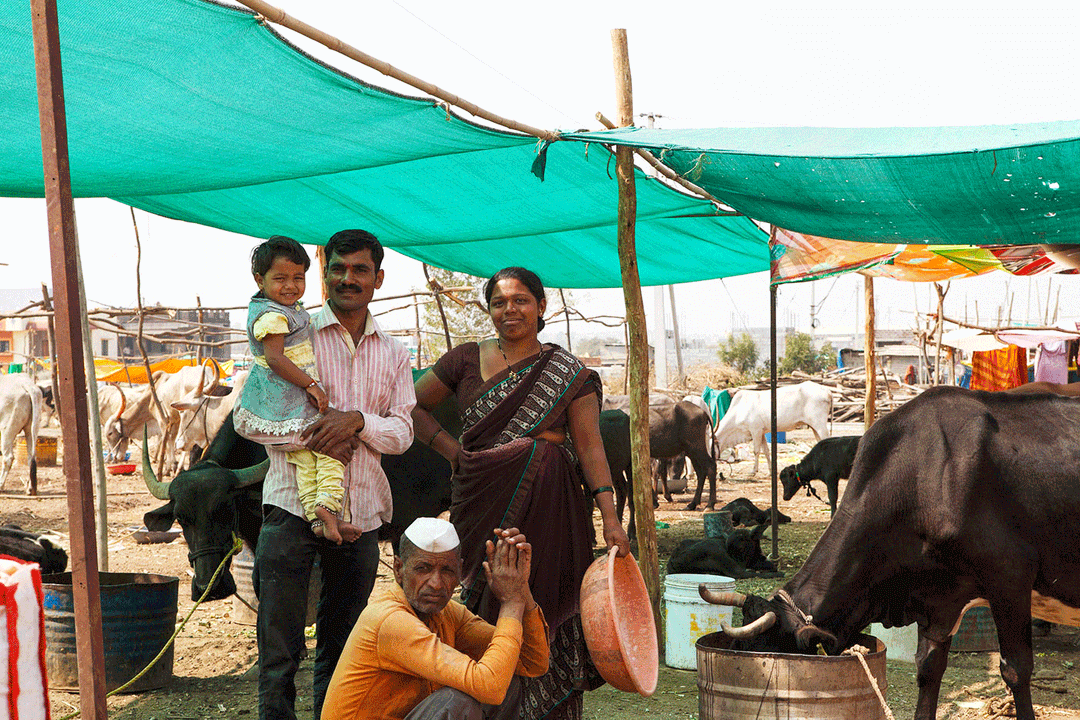
When the two-month old buffalo calf died at the end of January, Sarika Sawant was worried. “I think there was a big worm in the maize cob. The calf must have swallowed it… so since yesterday, the buffalo is not yielding any milk,” she said, when we met her at the cattle camp in Mhaswad town.
This loss came after Sarika and her husband Anil Sawant were forced to sell two cows around Diwali last year. The family now has four Jersey cows, three buffaloes and two calves. Milk is their main source of income. But, Sarika says, “For two years, it just hasn’t rained. We are facing a water shortage since Diwali [October-November 2018] after the wells in the village dried up. No fodder, no green grass, how do we feed our cattle? And the debt was growing…”
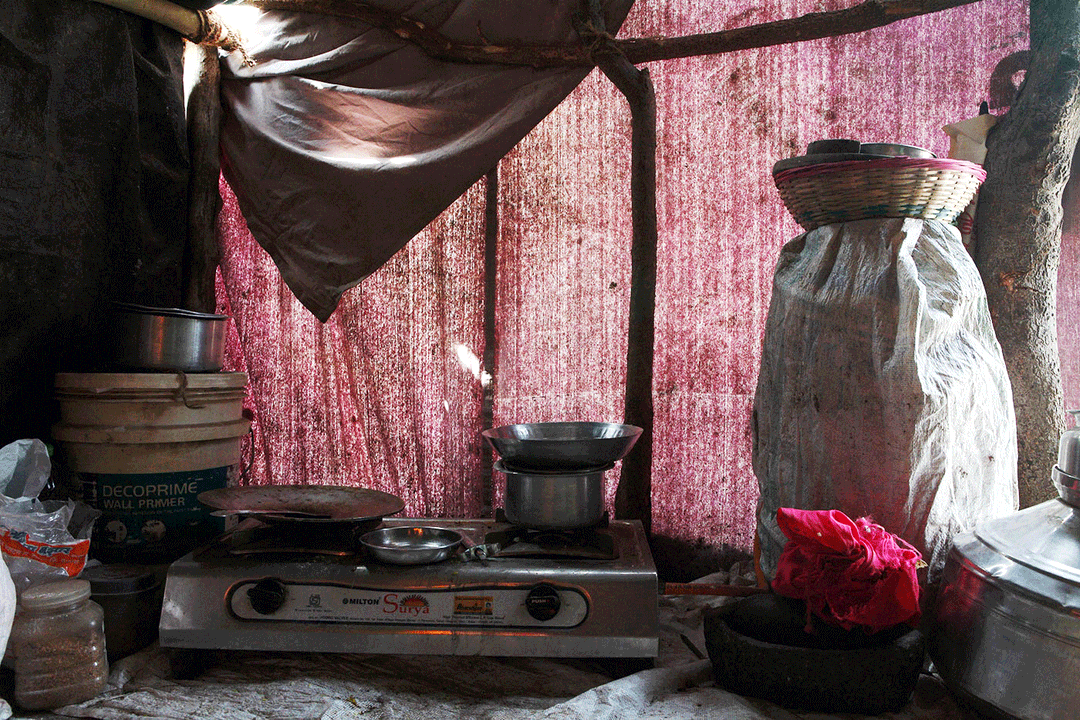
Unable to bear the burden of the drought, Sarika, 24, and Anil 32, who are from the Maratha community, have shifted to the cattle camp at Mhaswad, around 15 kilometres from Hawaldarwadi. Their village of 994 people is in Man block of Maharashtra’s Satara district.
On October 31, 2018, drought was declared in 151 blocks of 26 districts in Maharashtra, of which 112 blocks are facing a severe drought. All blocks comprising the Maandesh region are on the list – Man and Khatav talukas of Satara district, Jat, Atpadi and Kavathemahankal talukas in Sangli, and Sangole and Malshiras in Solapur. The cattle camp, set up by the Mann Deshi Foundation, now houses over 2,500 people from 64 villages across Maandesh, along with more than 8,000 animals (See Families separated by the search for fodder and Chimnabai gets to eat finally, with 8000 others)