

“We were worried that our father would not be treated well in death.”
Two months after Panchanathan Subramaniam’s demise, his son S. Ramesh still grieves: “When we got him admitted to Thanjavur government hospital with symptoms of Covid-19, we never imagined we would take him back lifeless.”
More so since 68-year-old Subramaniam, who retired years ago from a clerical position in the Indian Army, had no major health complaints. He was proud of his association with the military “and took good care of his fitness. He never missed his daily walks and was strict about his diet,” explains Ramesh, 40, a native of Tamil Nadu’s Kumbakonam town. “Even while admitting him to hospital, we thought he would be cured.”
But when Subramaniam passed away on August 14, Ramesh and his family were distraught – and not just because they had lost him. They had seen how the funerals of Covid-19 victims were stigmatised in the state and were perplexed about what to do next. “We received little support from friends and relatives,” says Ramesh. “I guess that is understandable because a corona death is a cause of huge concern.”
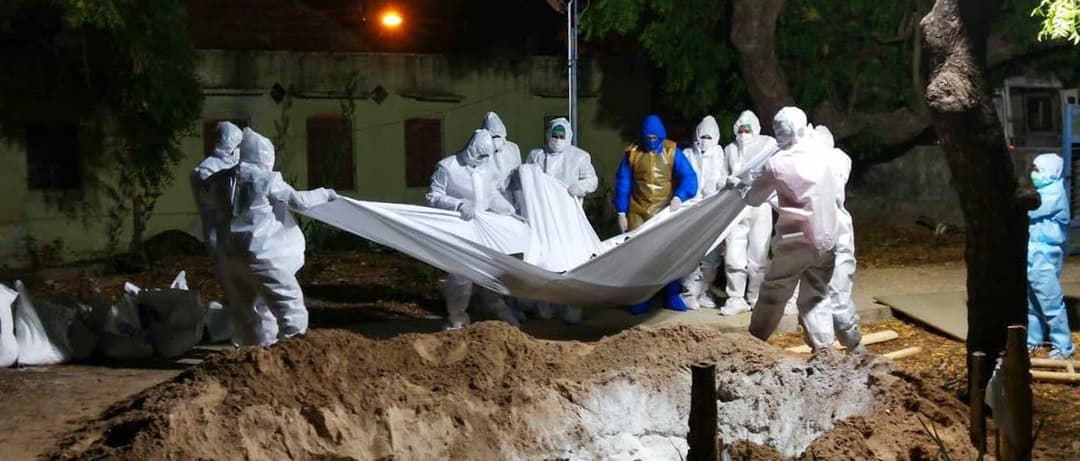
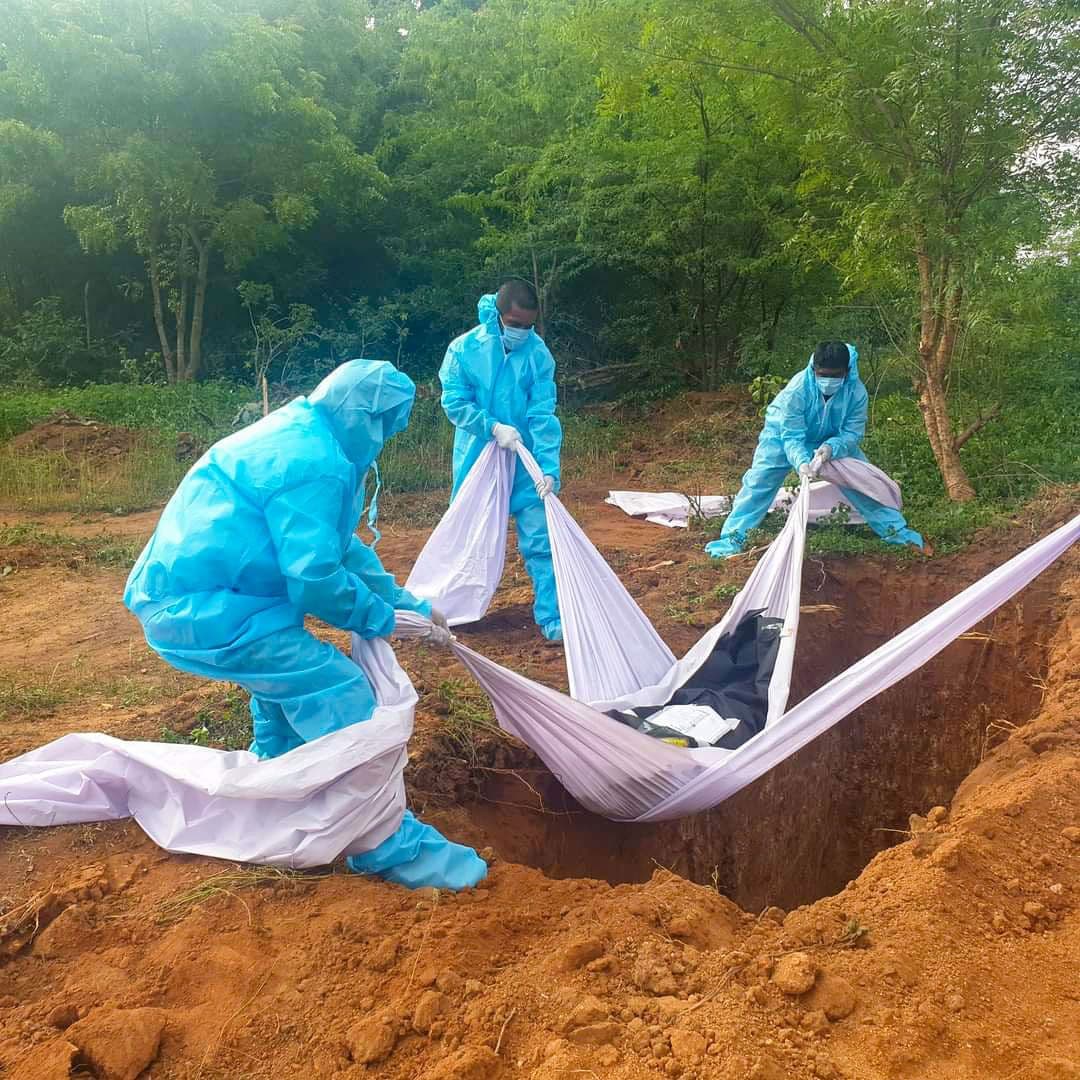
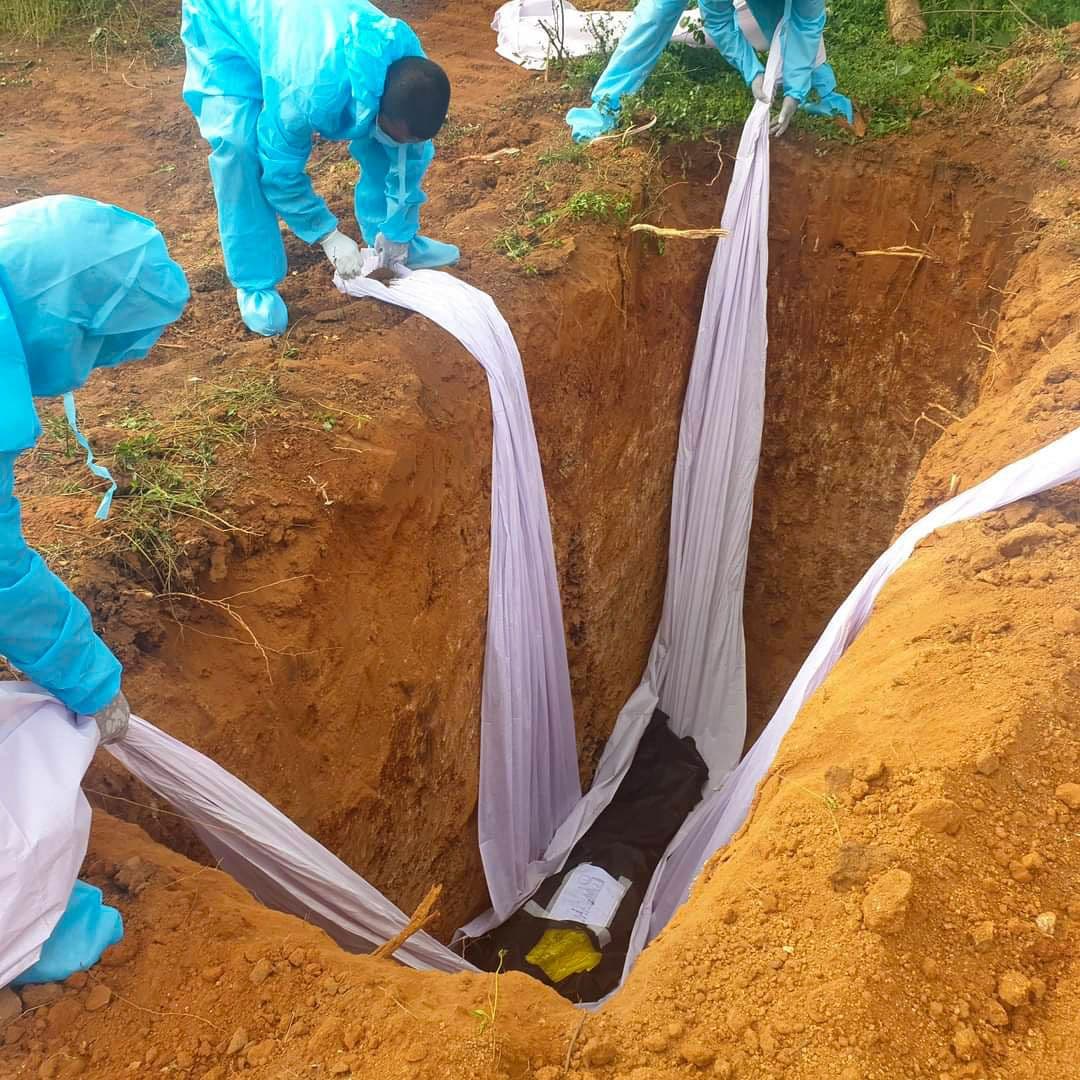
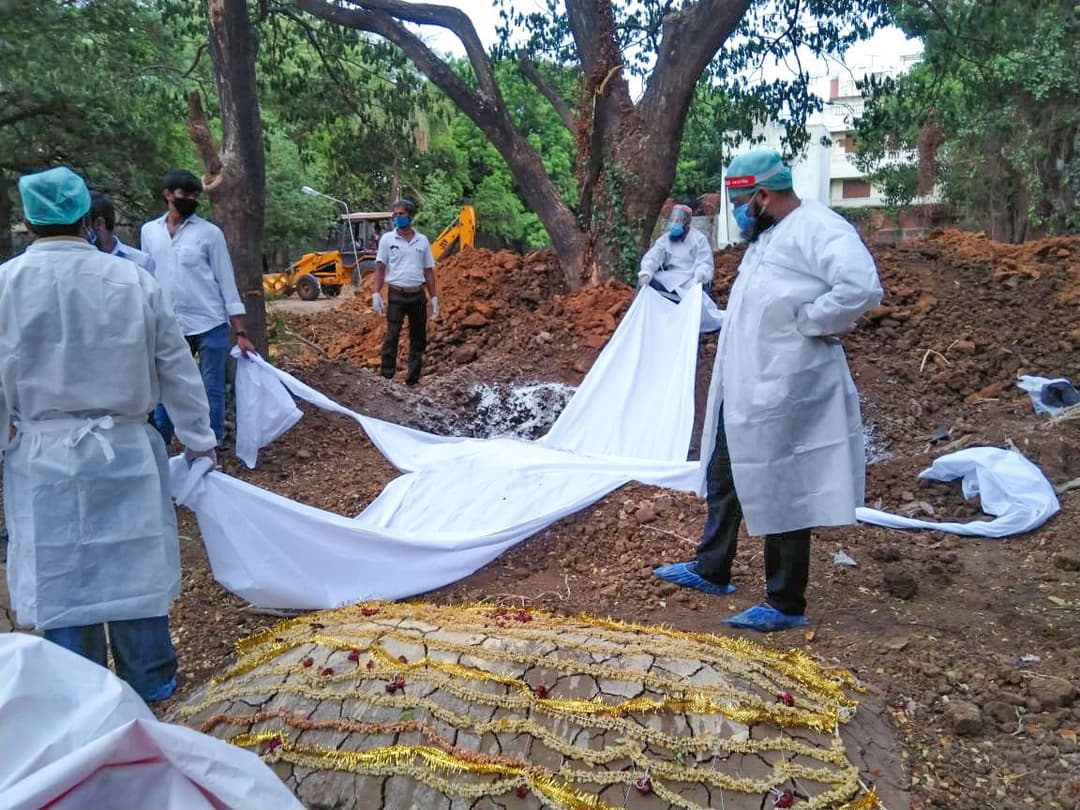
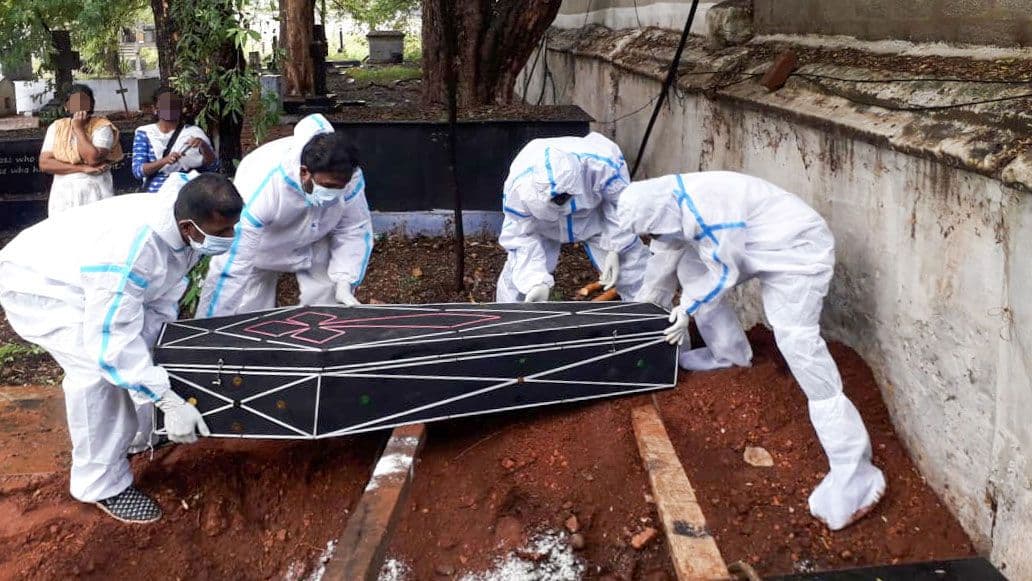
That was when some very practical help came from an unexpected quarter – the Tamilnadu Muslim Munnetra Kazhagam – a non-governmental organisation in the state. Shortly after Subramaniam’s passing, six TMMK volunteers showed up to assist the family – right from receiving the body at the hospital, to conducting a dignified burial for him (some Hindu communities bury rather than cremate their dead) at their hometown of Kumbakonam.
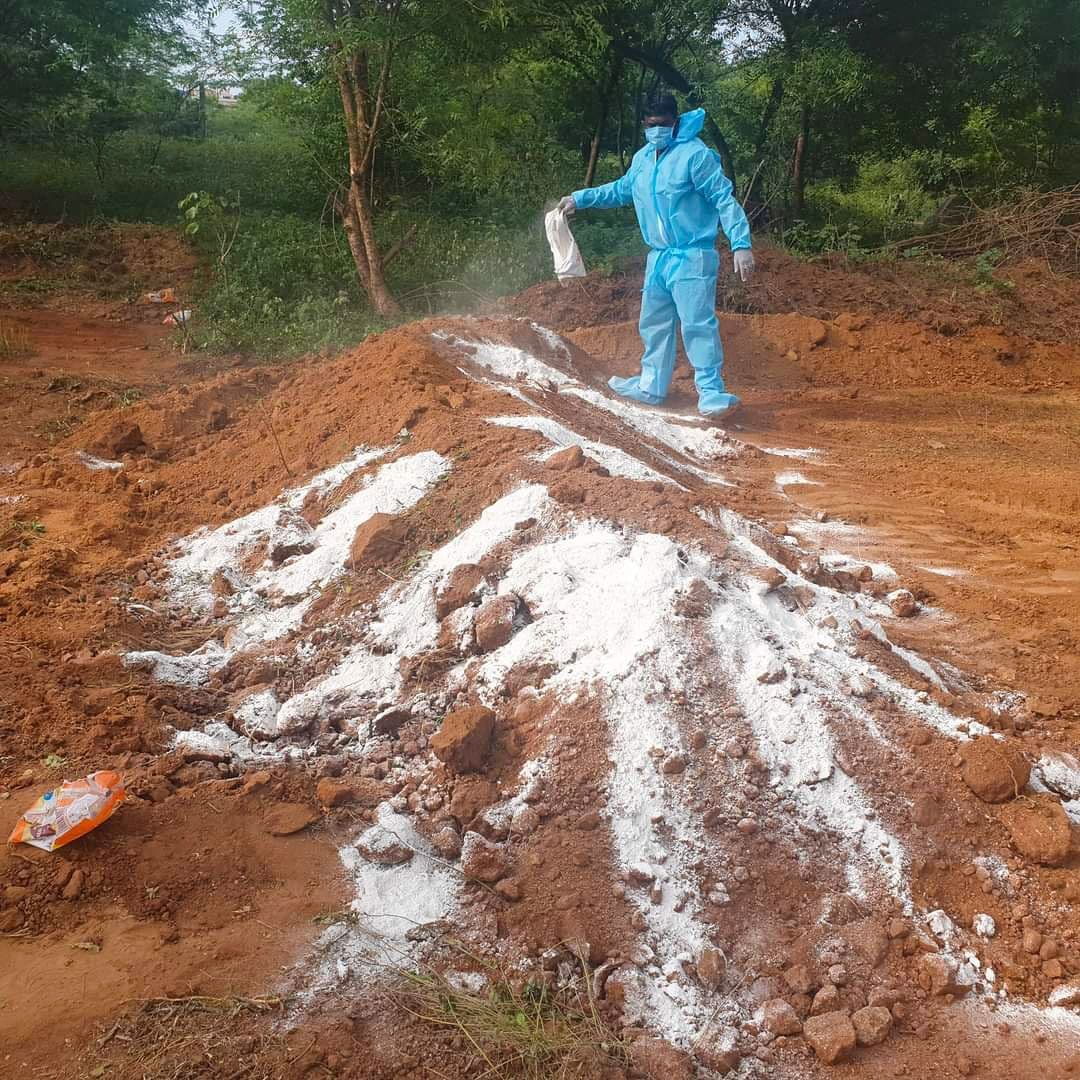
For the family it was an extraordinary stroke of luck. For the TMMK, Subramaniam’s was just one of some 1,100 funerals they have conducted across Tamil Nadu and Puducherry since late March. Funerals done regardless of the community or caste of the deceased – with last rites conducted in accordance with the religious traditions and wishes of the family. With confirmed Covid-19 deaths, the TMMK followed local administration protocols of burial in pits eight feet deep.