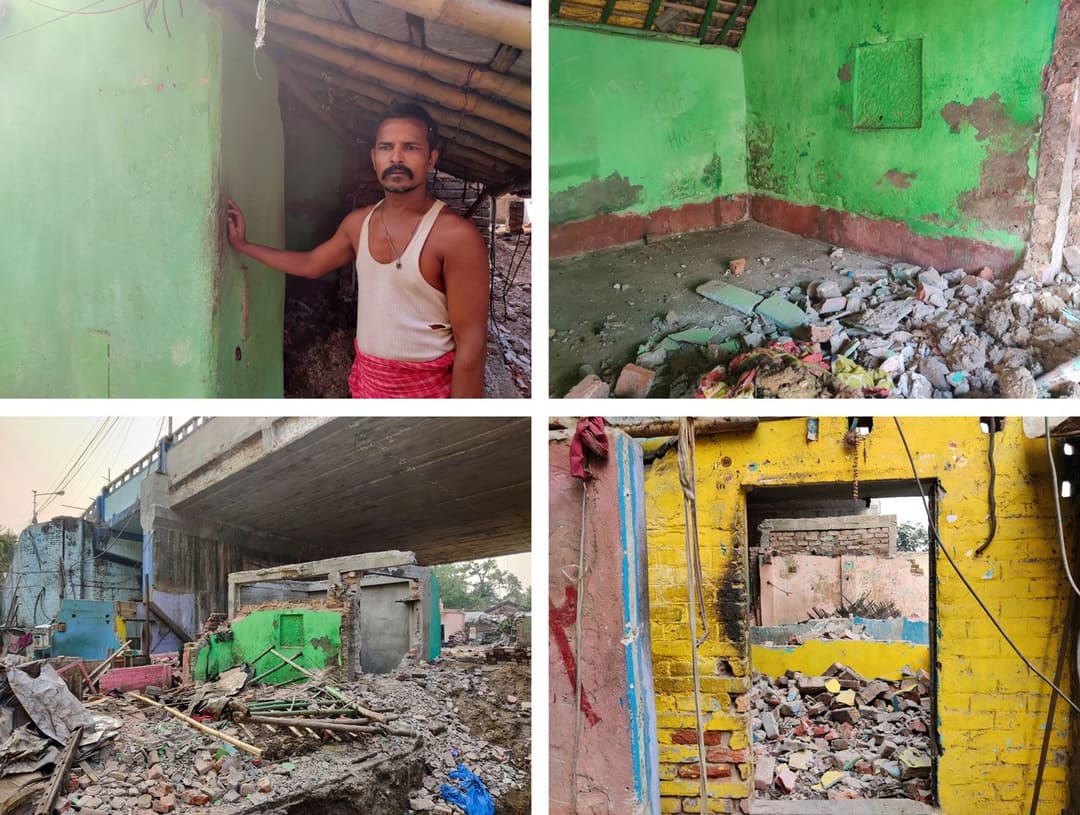

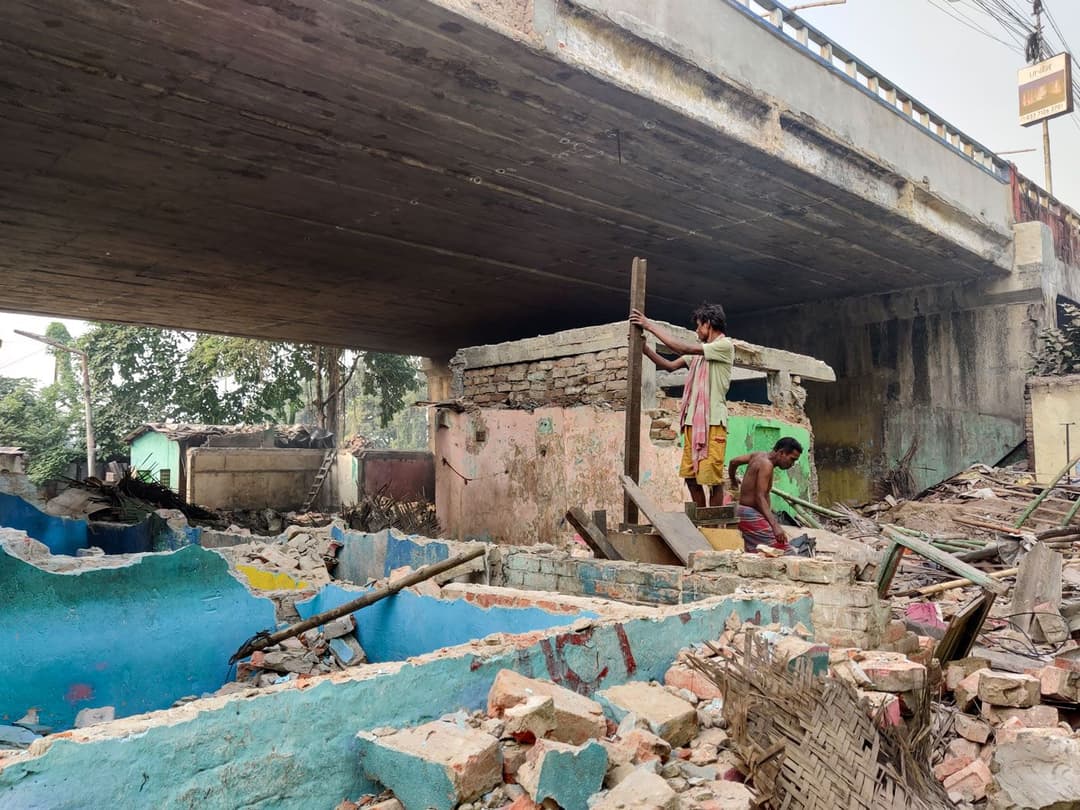
Debashish Mondal looked vacantly at the broken walls of his home. All that remained of the house he was born in 35 years ago was broken bricks, chunks of cement and a shattered roof
On November 11, the colony he lived in, under Tallah bridge in north Kolkata, home to around 60 families, was reduced to rubble. The local municipal authorities and personnel from the Public Works Department (PWD), along with a posse of cops, came around 10:30 that morning. They had brought along labourers for the demolition, and two days later also called in bulldozers for some of the cement structures. It took around a week to obliterate the basti. Two half-demolished houses are still standing, while the daily wage labourers continue (in December) to level the ground, clearing the debris.
Tallah bridge is located on BT Road’s Nazrul Pally lane. The basti’s inhabitants estimate that their colony – built on land that belongs to the PWD – was more than 70 years old.
“It was [like] a bolt of lightning!” says Debashish, an ambulance driver who earns Rs. 9,000 a month. He had borrowed around Rs. 1.5 lakhs from local moneylenders and friends to build a pucca house in place of the thatched shelter where his father was born. His grandparents had come to Kolkata several decades ago from Daudpur village in Sandeshkhali II block of North 24 Parganas district – part of the Sundarbans – in search of work.
The house Debashish built has been demolished. Much of his high-interest loan remains.
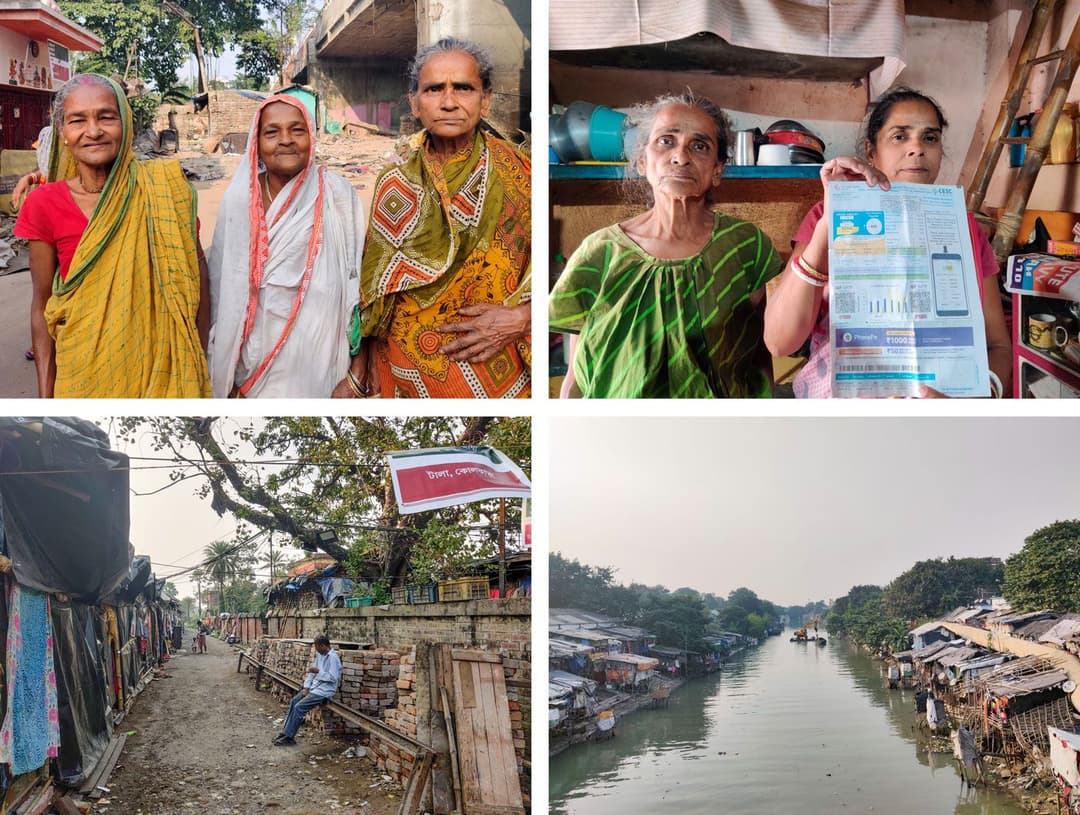
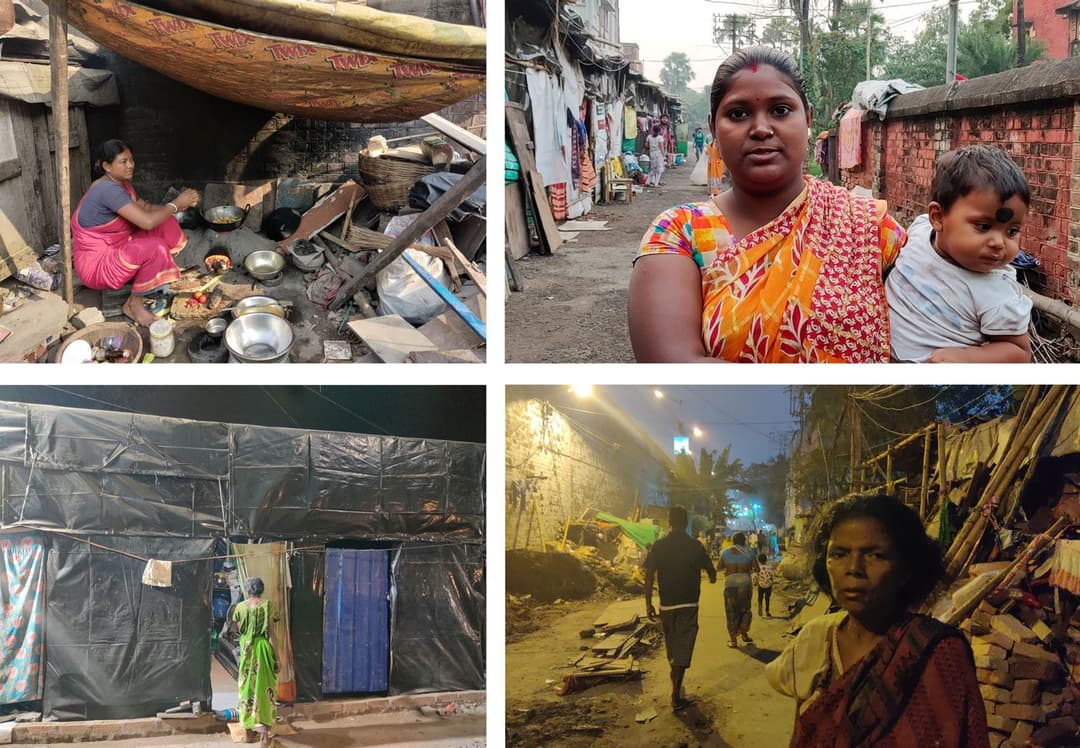
Trouble began for the residents of the Tallah colony on September 24, when the PWD and municipal corporation authorities informed them verbally that the bridge had to be repaired. They would have to leave with a few belongings, and could return when the repairs were complete. On the evening of September 25, the 60 families were moved to two nearby transit camps – one on railway land, the other near a canal on land owned by the state irrigation department.