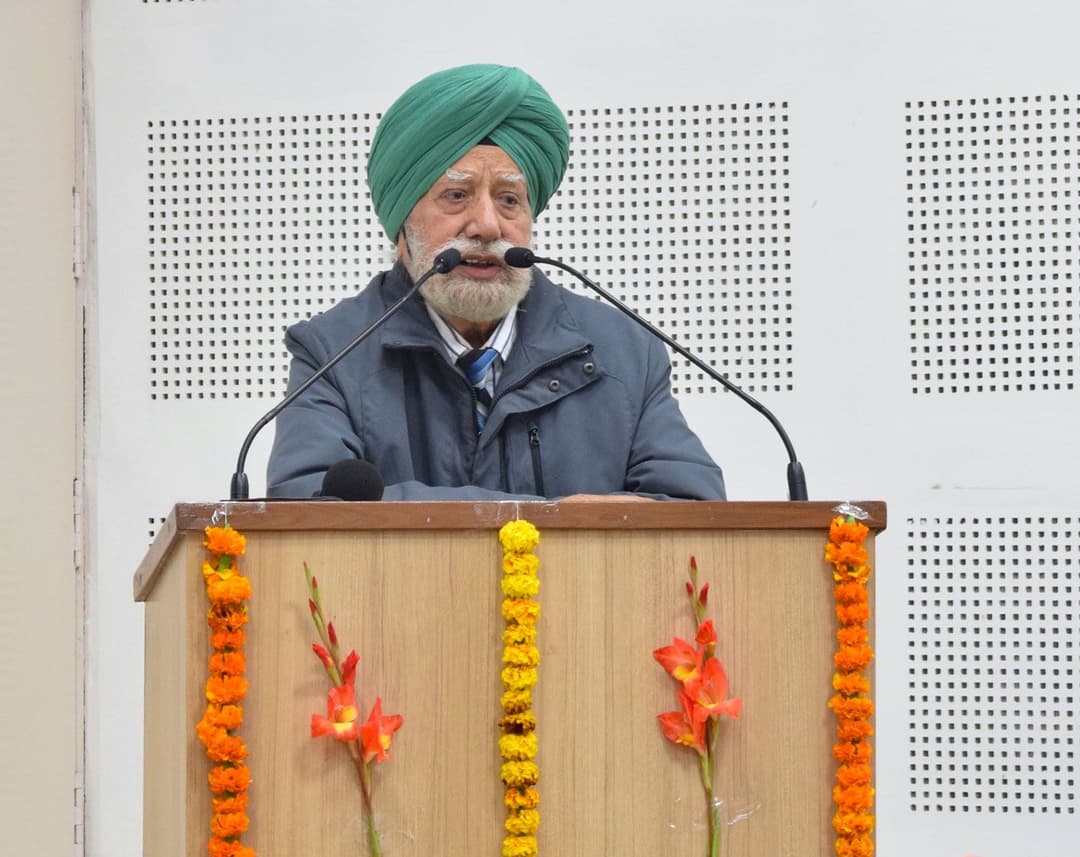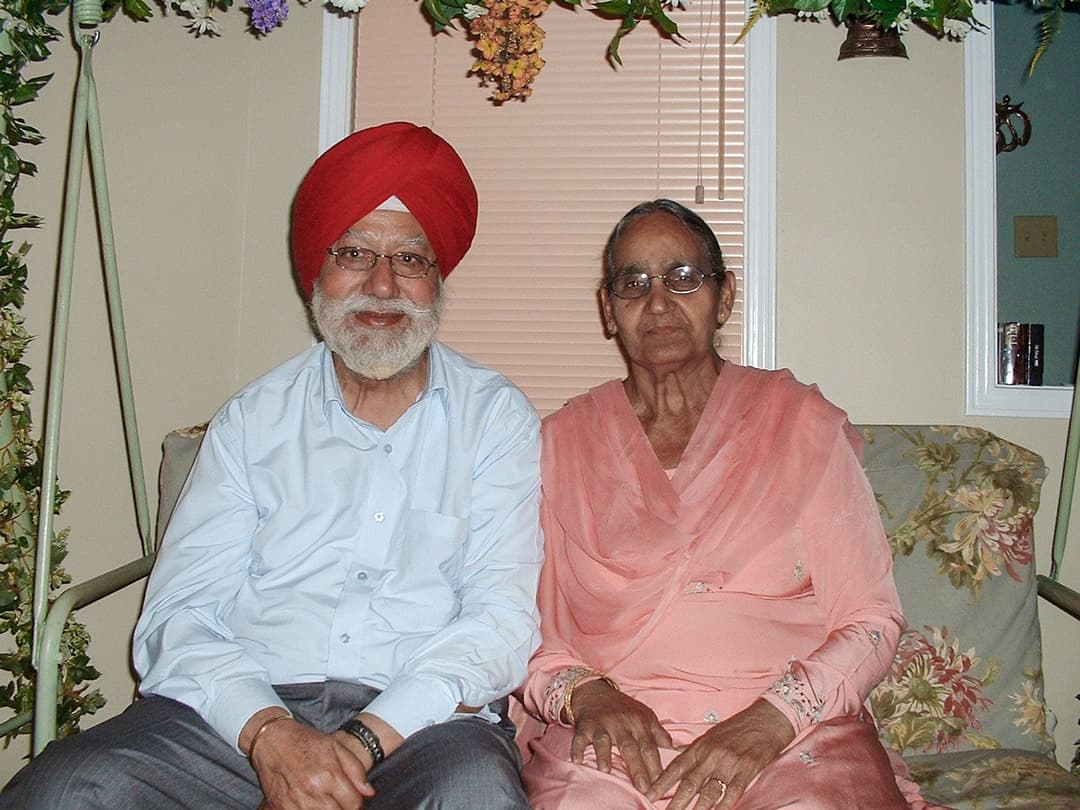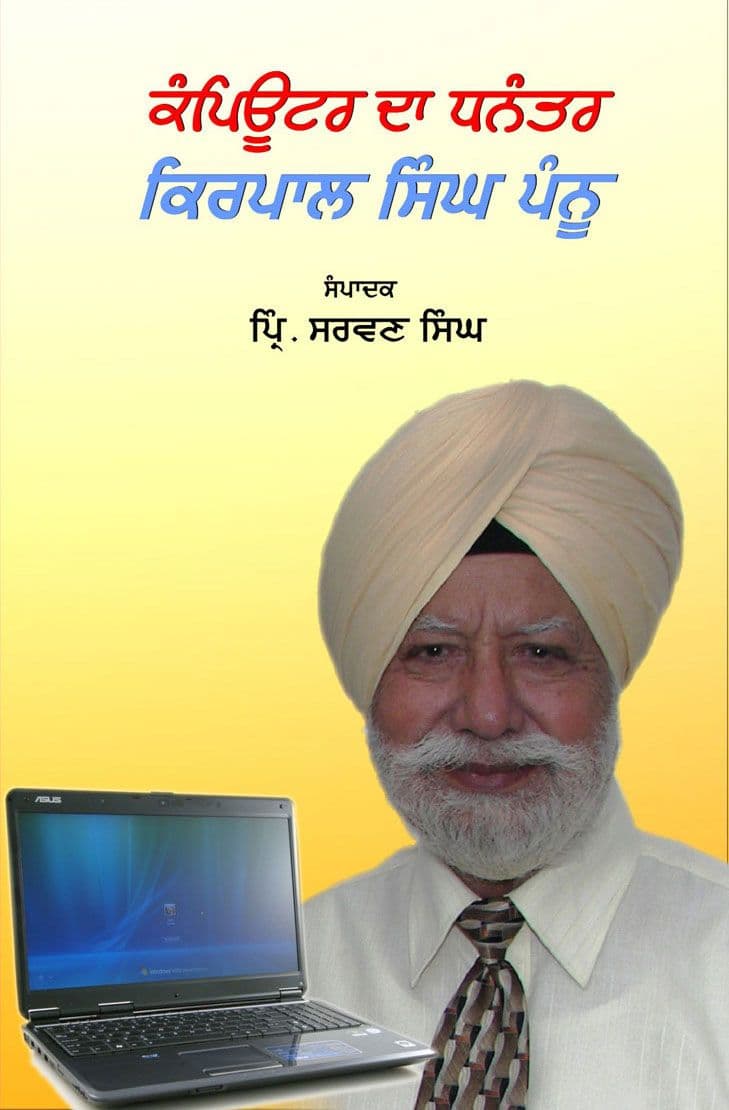

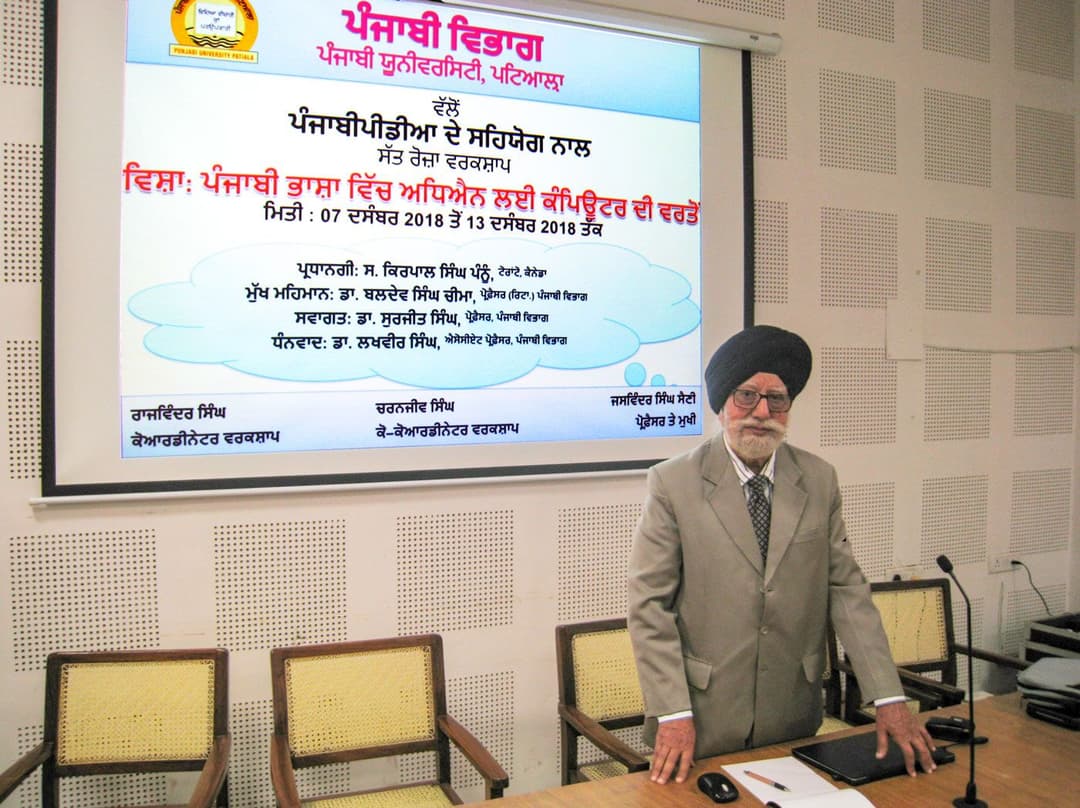
Marking the border between two countries carved out of one by the bloody Partition of 1947, the Radcliffe Line also splits Punjab into two halves. Along with its geography, the line, named after the British lawyer who served as chairman of the boundary commissions, also divides two scripts of the Punjabi language. “Partition left a fresh wound forever to the literature and two scripts of the Punjabi language,” said Kirpal Singh Pannu from the village Katahri in Payal tehsil of the state’s Ludhiana district.
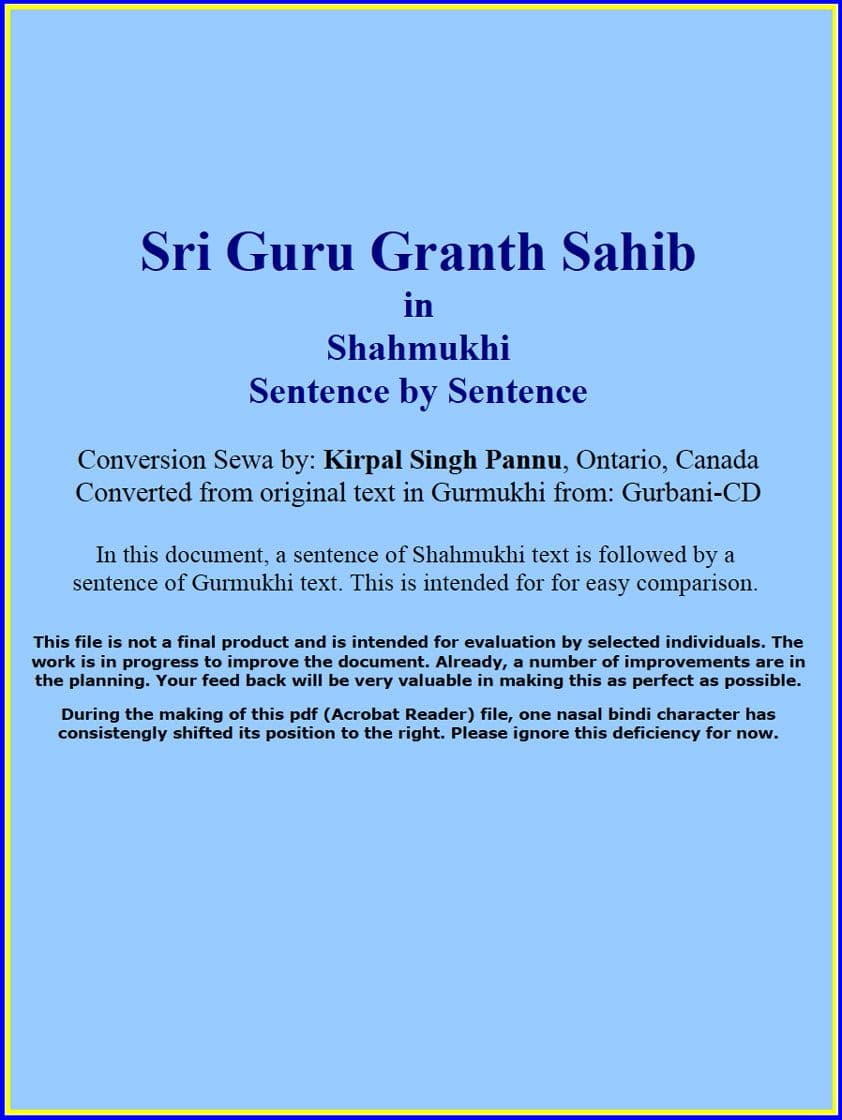
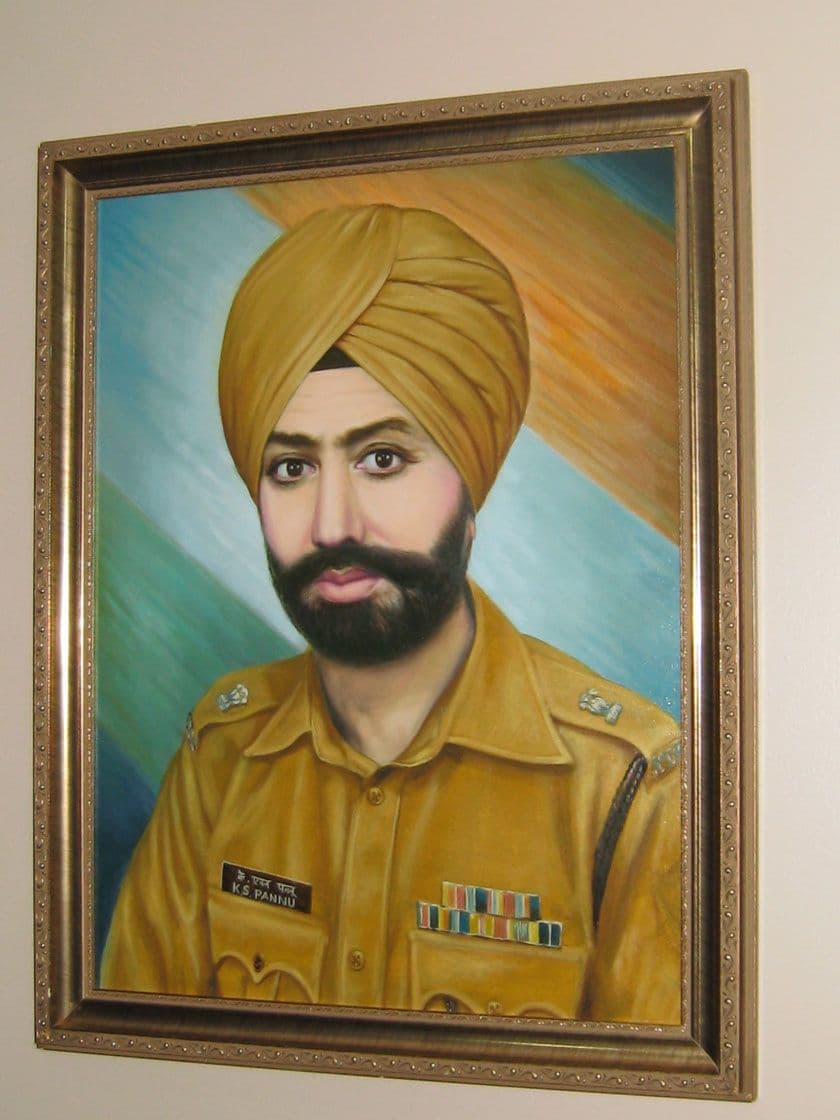
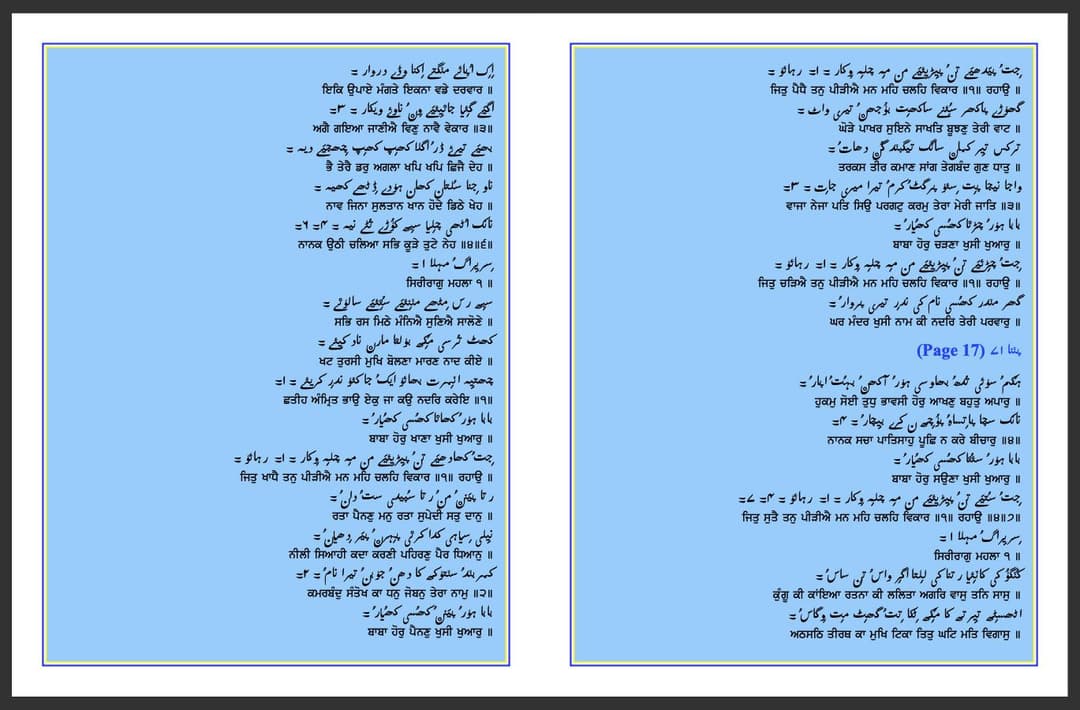
Pannu is a 90-year-old former soldier who has dedicated three decades of his life to applying salve to this particular wound of Partition. A retired deputy commandant in the Border Security Force (BSF), Pannu has transliterated scriptures and holy books such as the Guru Granth Sahib, the Mahan Kosh (one of the most revered encyclopaedias of Punjab) and other literary works from Gurmukhi to Shahmukhi and the other way around.
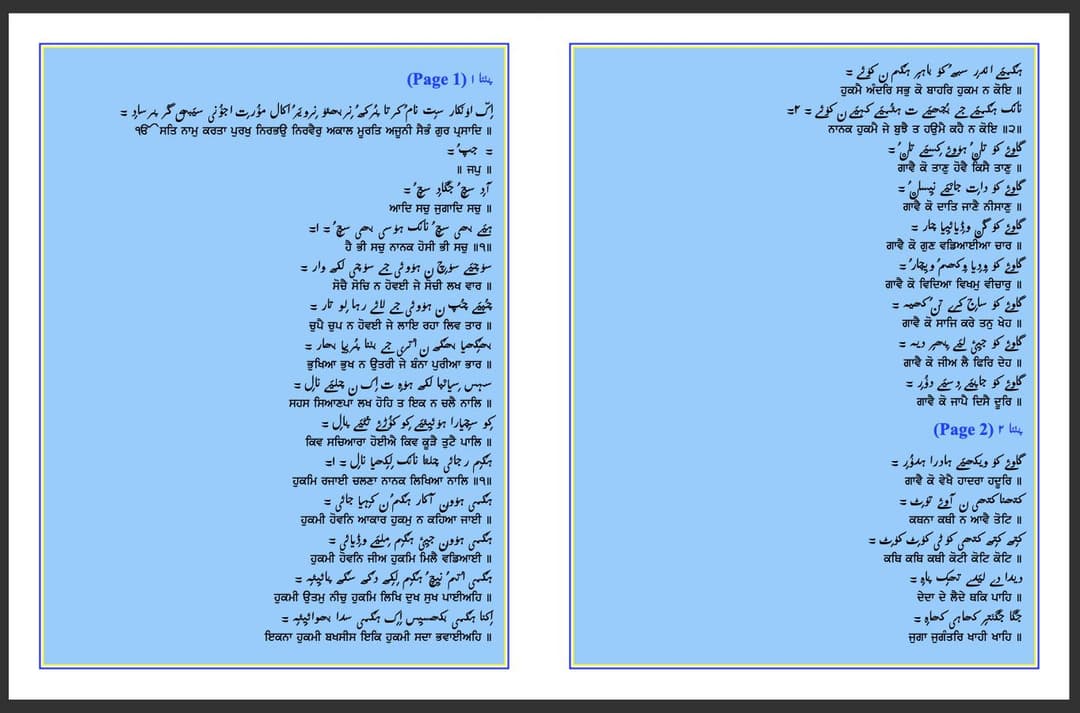
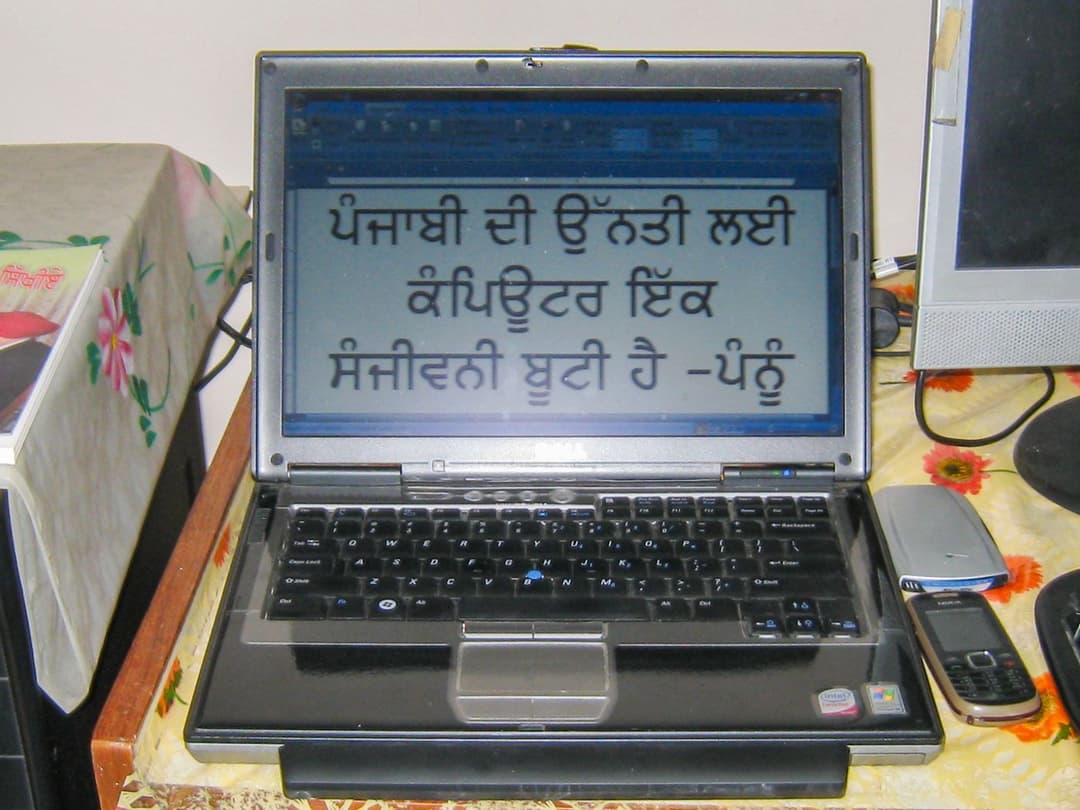
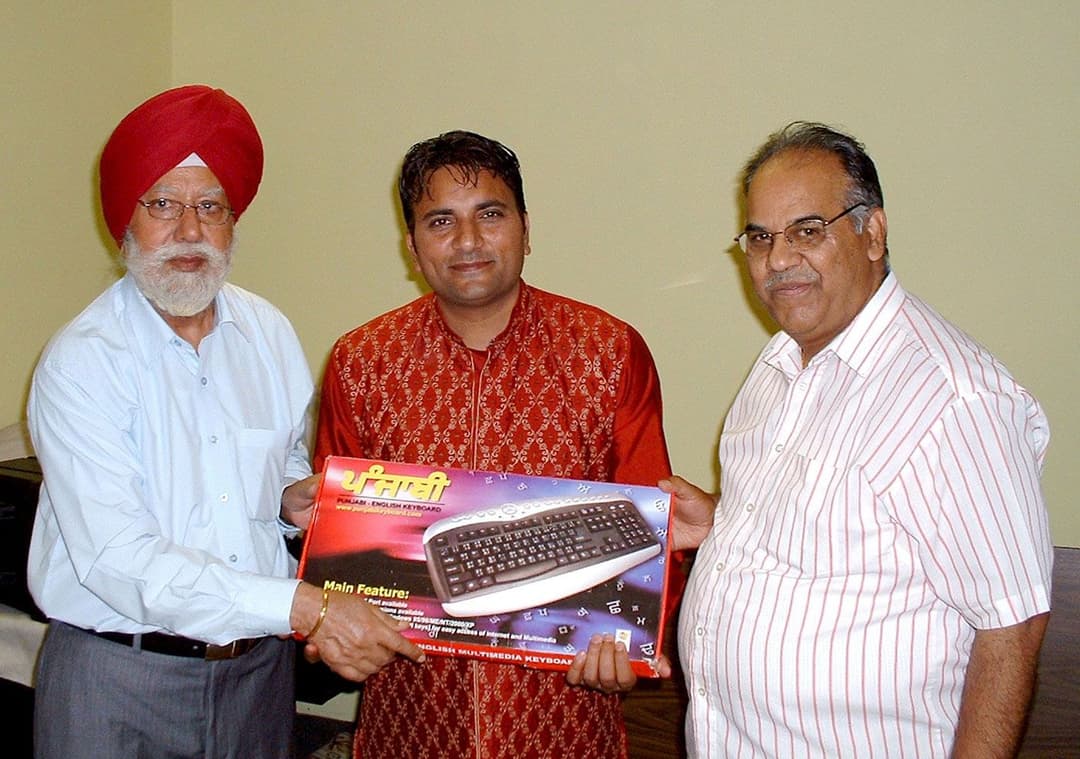
Shahmukhi, written from right to left like Urdu, has not been used in Indian Punjab since 1947. In 1995-1996, Pannu developed a computer programme that converted the Guru Granth Sahib from Gurmukhi to Shahmukhi and vice versa.
Pre-partition, Urdu-speakers would also be able to read Punjabi written in Shahmukhi. Before the formation of Pakistan, most literary works and official court documents were in Shahmukhi. Even Qissa, the traditional storytelling art form of the erstwhile undivided province, used only Shahmukhi.
Gurmukhi, written from left to right and bearing some resemblance to the Devanagari script, is not used in Pakistan’s Punjab. As a result, later generations of Punjabi-speaking Pakistanis, unable to read Gurmukhi, remained alienated from their literature. They could read the great literary works of undivided Punjab only when these were produced in the script they knew, Shahmukhi.