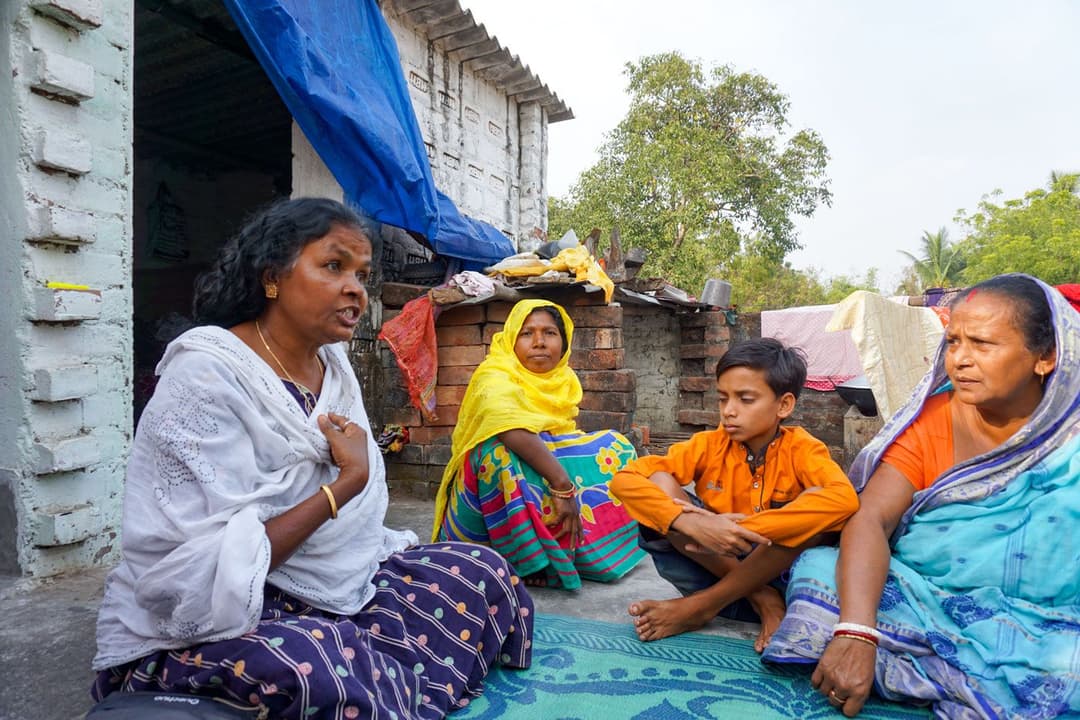

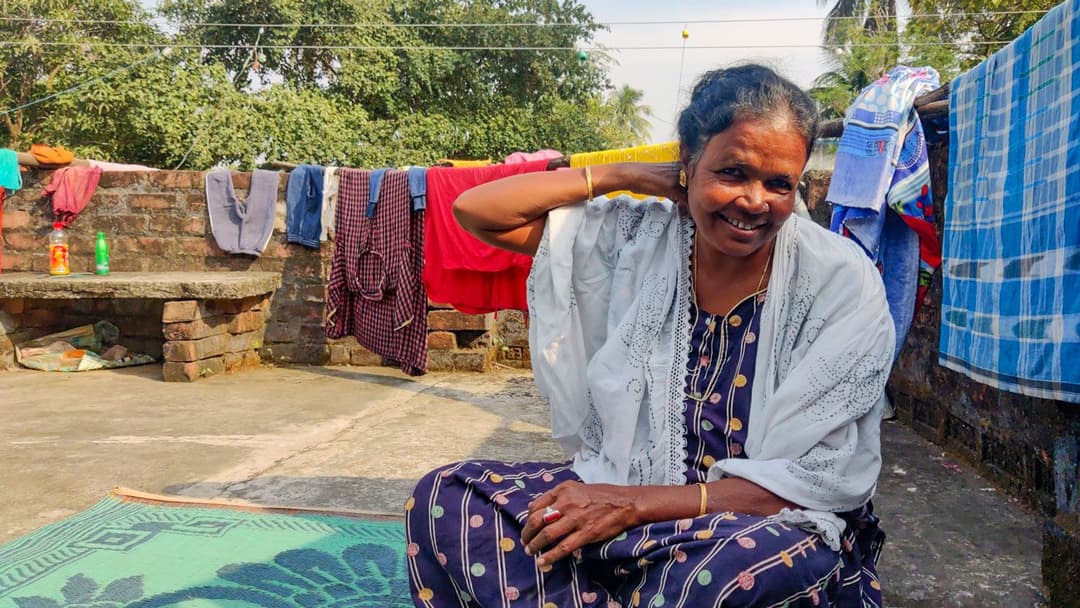
“My abbu [father] was a wage worker, but fishing was the love of his life. He would somehow manage the money for a kilogram of rice and then… he was gone for the day! My ammi [mother] had to deal with everything else,” says Kohinoor Begum, speaking on the terrace of her home in Beldanga’s Uttarpara locality.
“And imagine, out of that one kilo of rice, my ammi had to feed four children, our dadi [paternal grandmother], my father, an aunt and herself.” She pauses briefly and then says, “On top of that, abbu had the courage to ask her for some rice to bait fish. We were at our wit’s end with this man!”
Kohinoor aapa [sister], 55, is a mid-day meal cook at Janaki Nagar Prathamik Vidyalaya Primary School here in Bengal’s Murshidabad district. In her spare time, she rolls beedis and also campaigns for the rights of other women engaged in this work. In Murshidabad, it is the poorest of women who roll beedis — a physically punishing job. The constant exposure to tobacco from a young age puts their health at great risk too. Read: Women beedi workers’ health: up in smoke
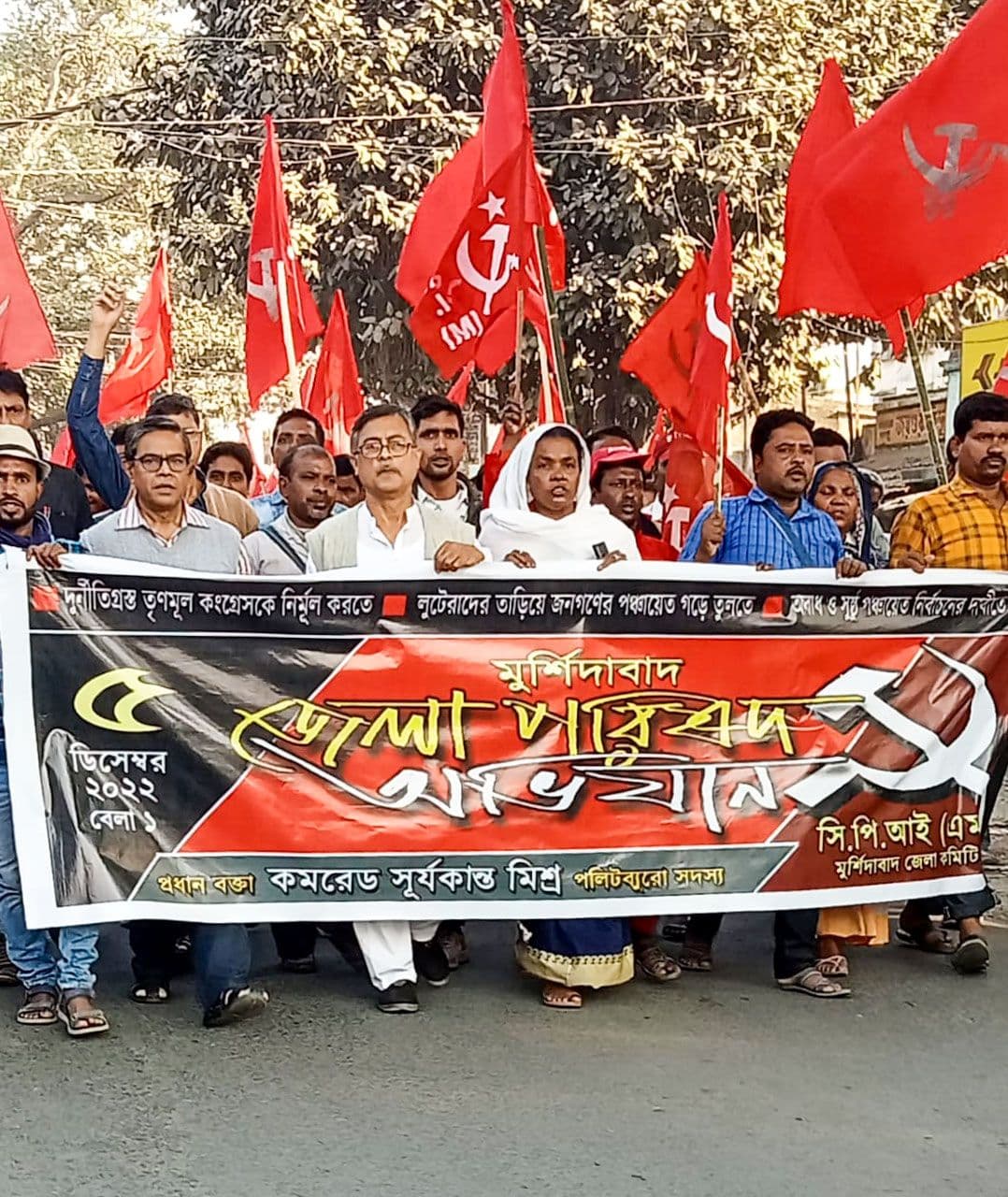
On a December morning in 2021, Kohinoor aapa met this reporter after attending a campaign for beedi workers. Later, a more relaxed Kohinoor spoke about her childhood and even sang her own composition – a song on the arduous work and exploitative working conditions of beedi workers.
When she was a child, Kohinoor aapa said her family’s dire financial situation caused a lot of unpleasantness at home. The young girl found it unbearable. “I was only nine,” she says when, “one morning, amidst the usual chaos at home, I found my ammi sobbing while preparing the earthen chulha with coal, cow dung cakes and wood. She had no grains left to cook.”