
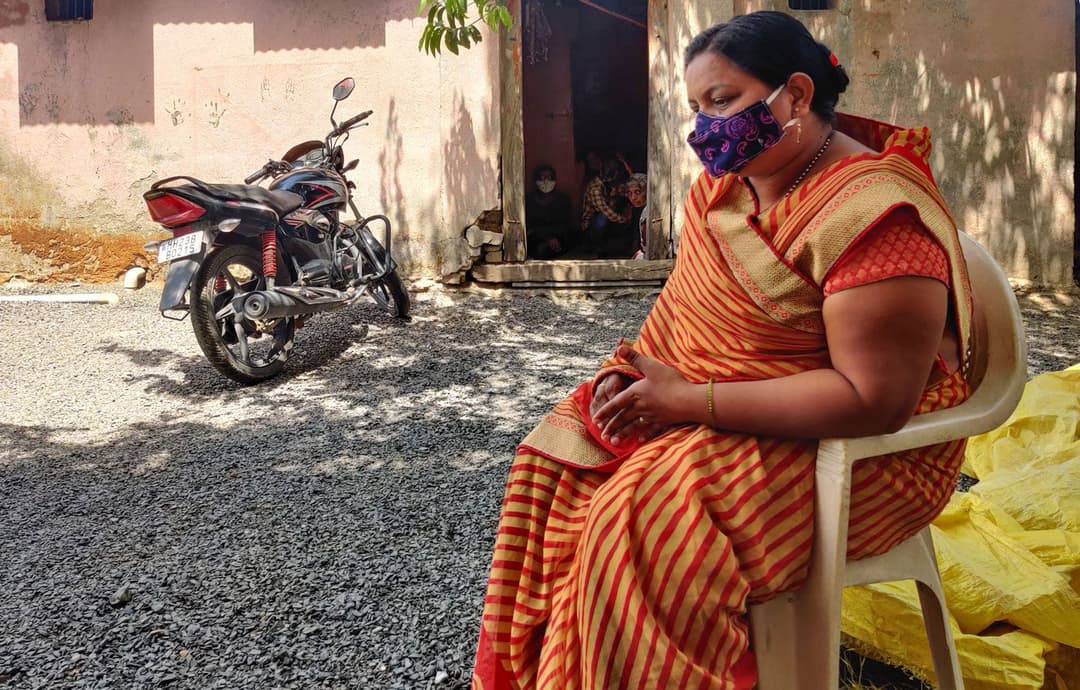
“I don’t know what finally caused her death but I know she did not get the attention she deserved.” Subash Kabade says this, describing his sister’s death.
The night before his sister, Lata Survase, died in the Civil Hospital in Maharashtra's Beed city, a doctor had prescribed two injections to be urgently given to her. So Subash rushed to the medical store just outside and returned with the injections within minutes. But the physician was gone by then.
“He had too many patients to attend to so he moved on to the next ward,” says 25-year-old Subash. “I told the nurse to give my sister the injections but when she looked at Lata’s file, she found no mention of them. I tried to tell her that they were prescribed just a few minutes ago and wouldn’t be in the file.”
But the nurse did not listen to him. When he frantically begged for the injections to be given, “the person in charge of the ward threatened to call the security,” says Subash. Almost an hour was lost in trying to clear up the matter before the injections were given to the patient.
Lata died the next morning, on May 14. She had been in the hospital since April 23, the day she tested positive for Covid-19. “She showed signs of recovery now and then,”says Subash, a lawyer in Beed city. He isn’t certain if the injections, had they been given on time, could have saved her life. But he is sure that the hospital is highly understaffed. “It is affecting the patients,” he says.
The rapid spread of the second wave of Covid-19, which began in March this year, has highlighted the overburdened public health infrastructure in rural India. Short-staffed hospitals, worn-out health workers, and patients deprived of good treatment sum up the state of medical care available to several lakhs of people in the countryside.