
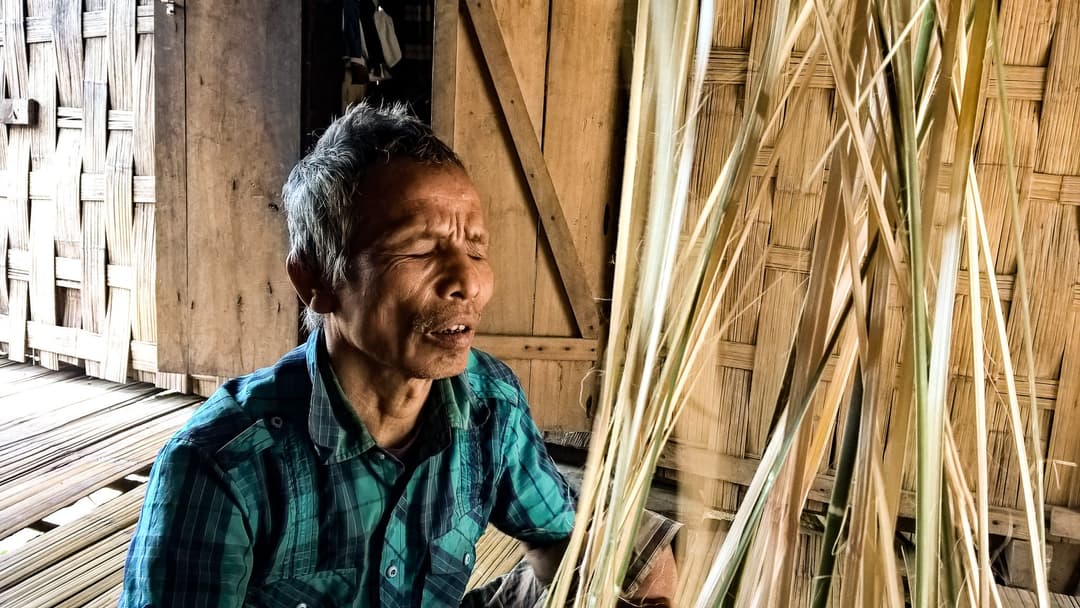
When Debahala Chakma was born, dark clouds covered a gloomy sky. So his parents chose a name for him that means ‘dark sky’ in their language, Chakma. The darkness stayed with Debhala his entire life – he went blind at the age of three after a bout of chicken pox followed by acute diarrhoea, which led to night blindness and eventual loss of sight.
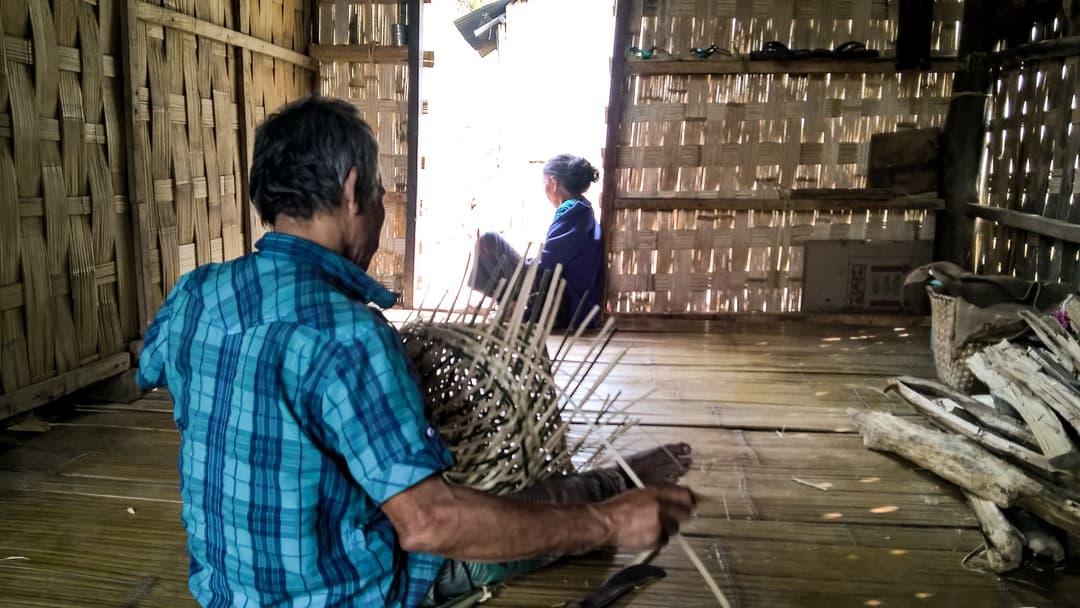
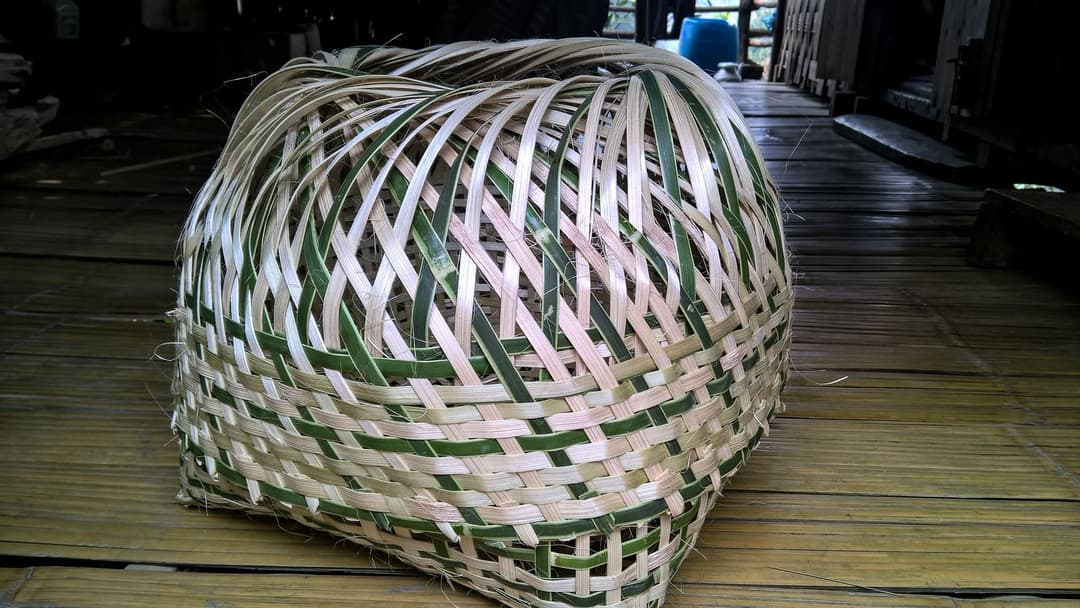
But this hardly dismayed Debahala, who taught himself the art of making bamboo baskets when he was 16. Now 65, he says, “I learned how to weave patterns with strips of bamboo by myself. When I was younger, I had enough strength to build a bamboo house.”
Debahala lives in Rajivnagar, a village with a population of 3,530 in Zawlnuam block of Mizoram’s Mamit district. He belongs to the Chakma community, a Scheduled Tribe, many among them practicing Buddhists, whose primary occupation is farming. The district’s hills have fertile soil on which many practise jhum or shifting cultivation, and grow corn, paddy, sesame seeds, betel nut, pineapple and other crops. It also has dense bamboo forests and broom plantations that are central to the local economy.