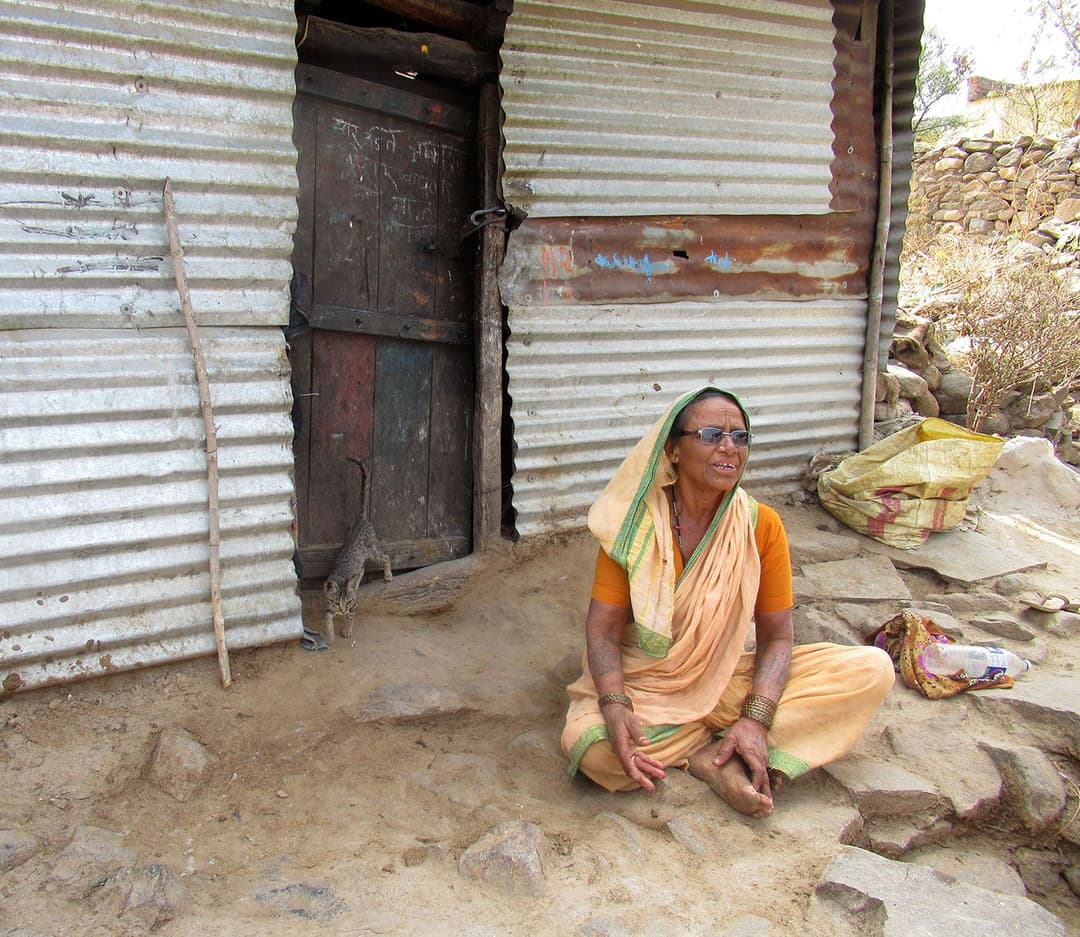

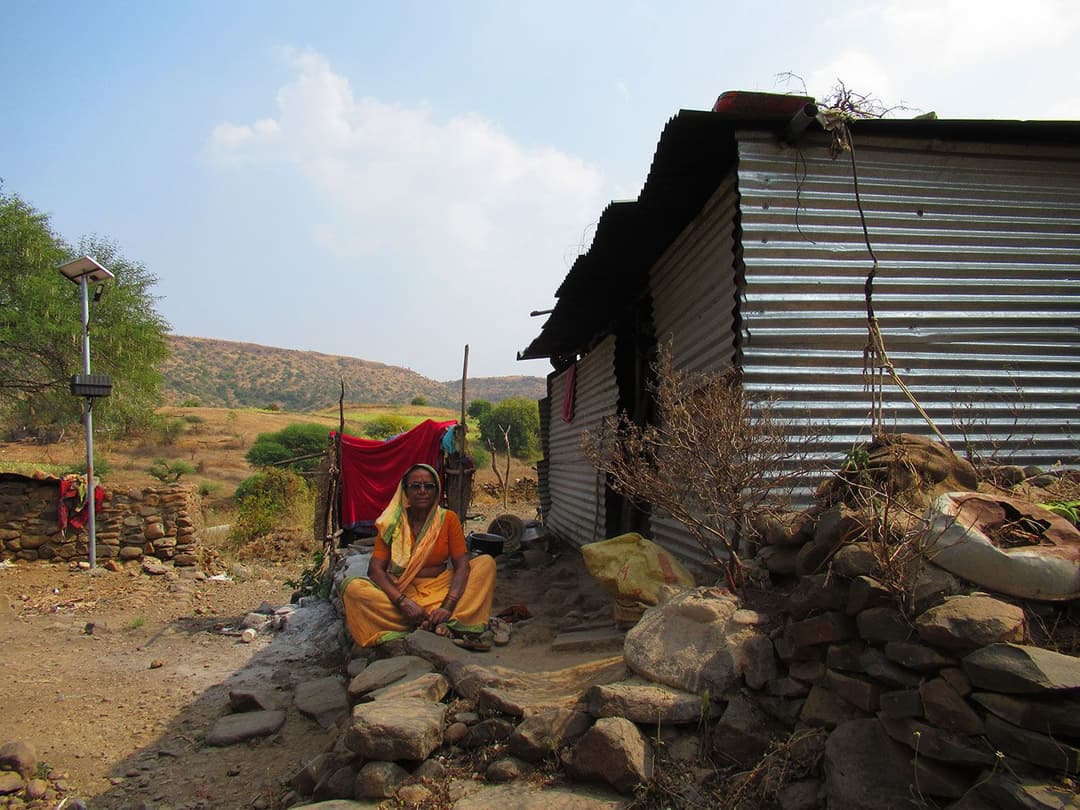
Yashodabai Jorwar spends her evenings shooing away pigs. “They barge in and run around the farm,” she says. “The land is actually not useful to us. But I have to do something to keep myself busy.”
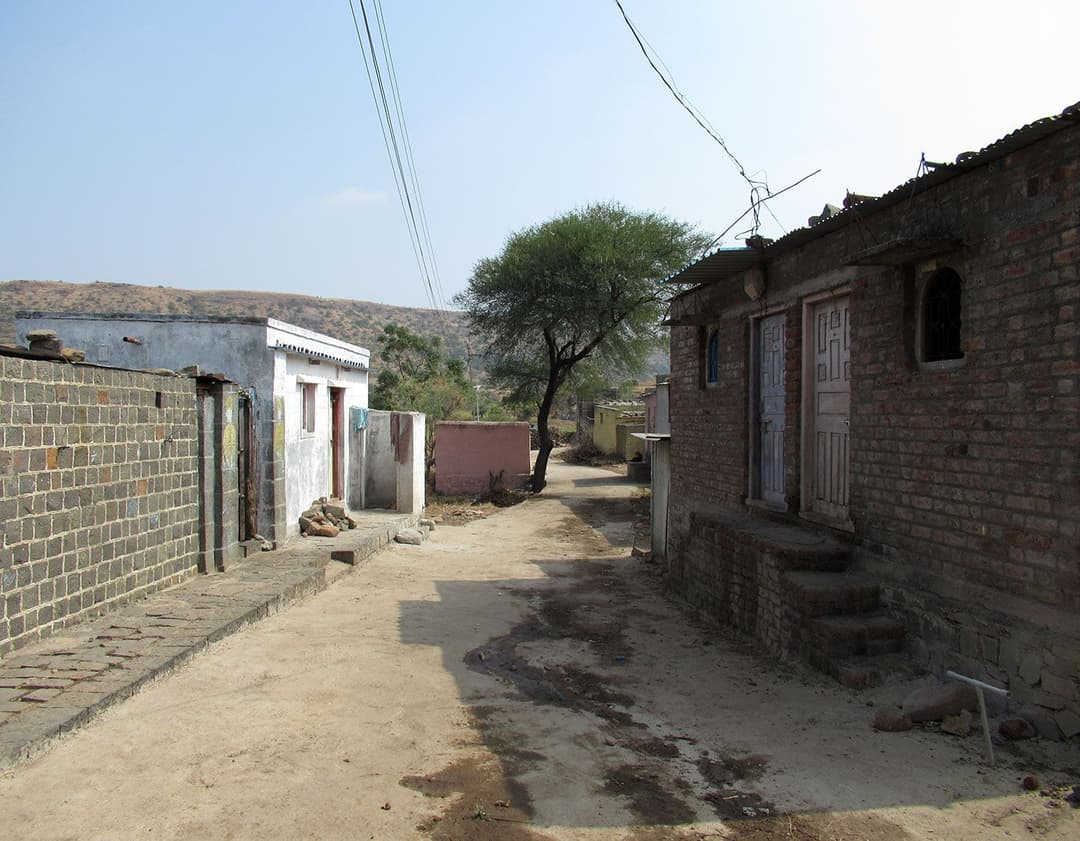
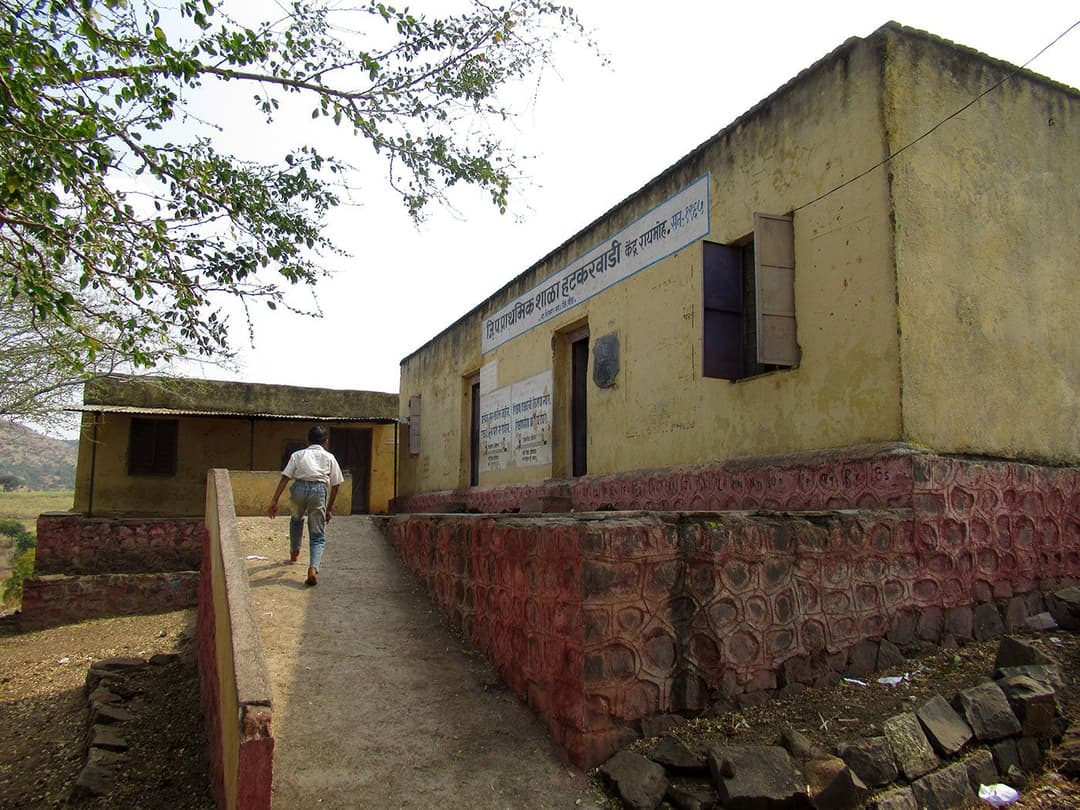
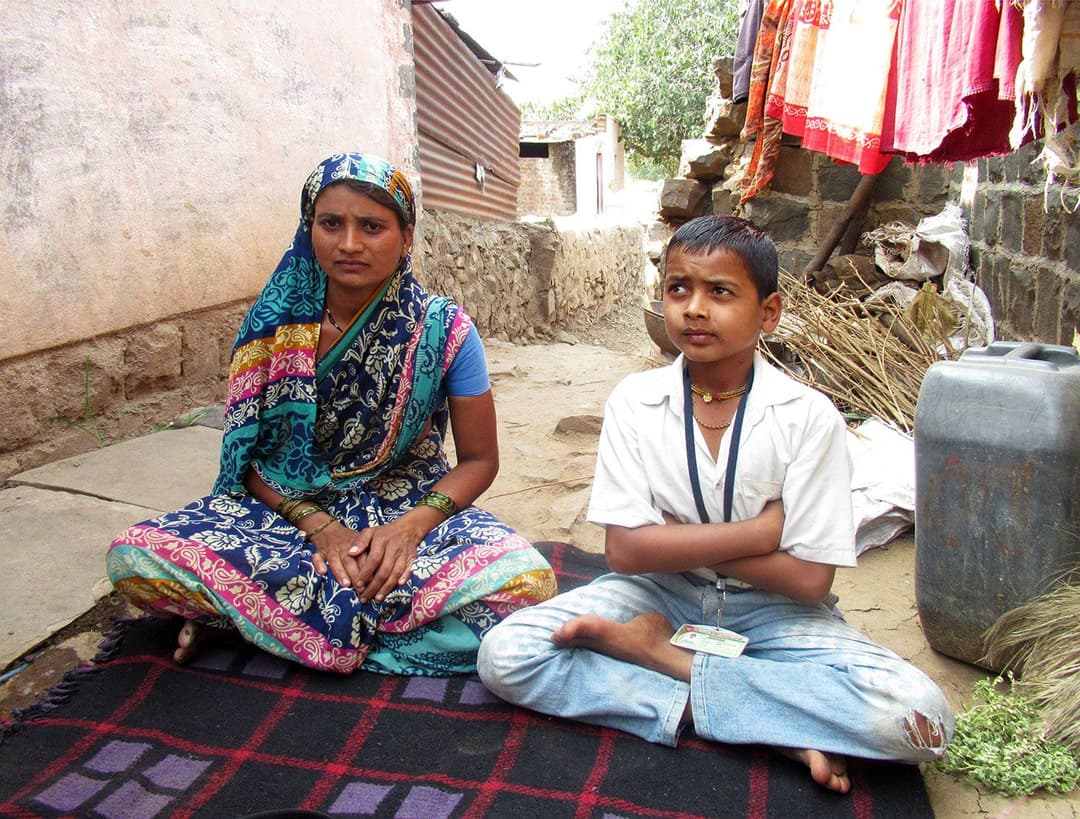
Jorwar, over 70 years old, has been living alone for the past few months in her home in Hatkarwadi village in Beed district of Maharashtra. “My two sons and their wives are in Baramati [around 150 kilometres away, in western Maharashtra] with their five children,” she says. “They left our village at the end of October to cut sugarcane and will be back by March-end.”
Every year, farmers in Marathwada, particularly from Beed district, migrate seasonally to work as labourers on sugarcane fields because farming is no longer enough to cover household expenses. As labourers, a couple can earn Rs. 228 per ton of cane they cut, or a total of up to Rs. 60,000 in five months. For many families this is their only source of steady income every year.
“Our yearly income from the two acres of land is not even 10,000 rupees,” says the bespectacled Jorwar. “Even during the farming season, we depend more on [the income from] agricultural labour. Water is also not available easily in hilly areas.” During the 6-7 months of the year when her sons and their families live in Hatkarwadi, they cultivate food crops like jowar, bajra and tur, primarily for household consumption. The harvest is what Jorwar depends on for food when she is alone.