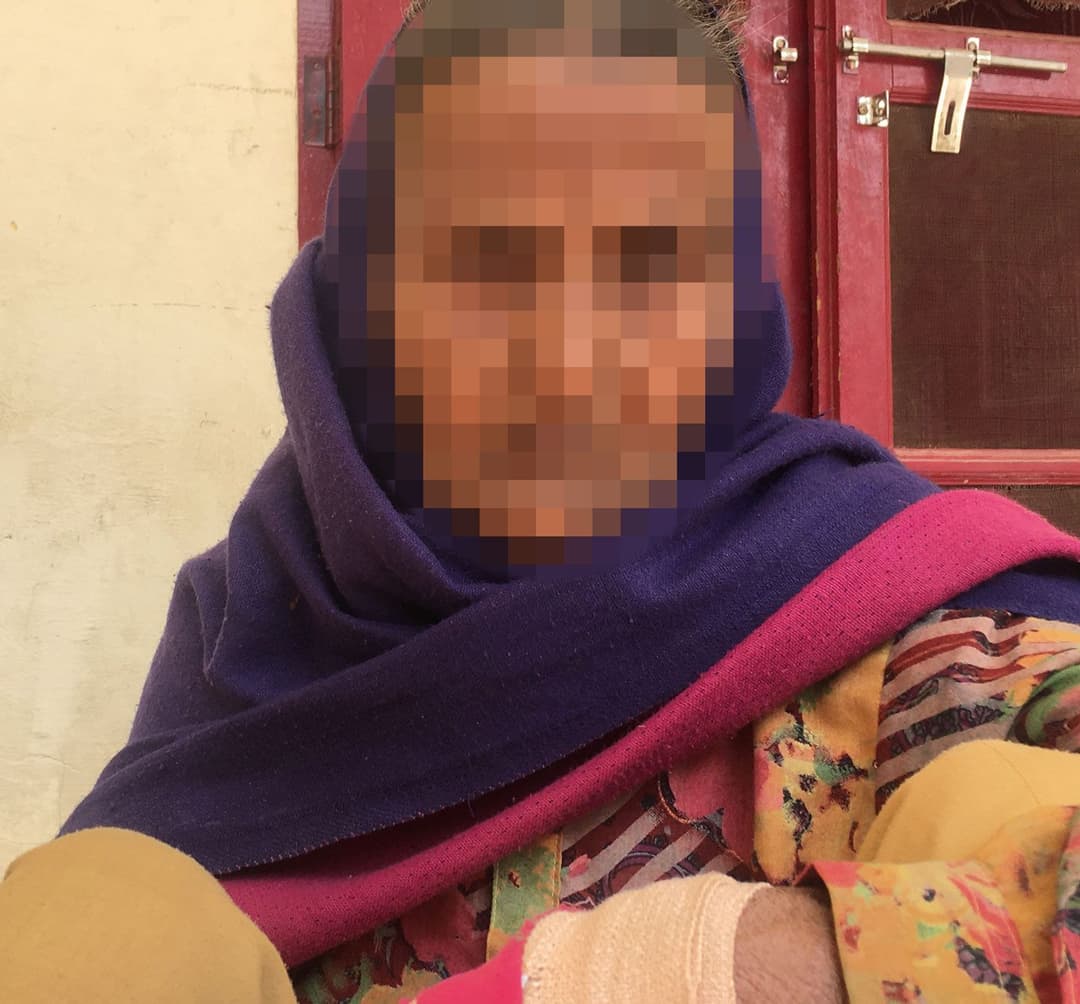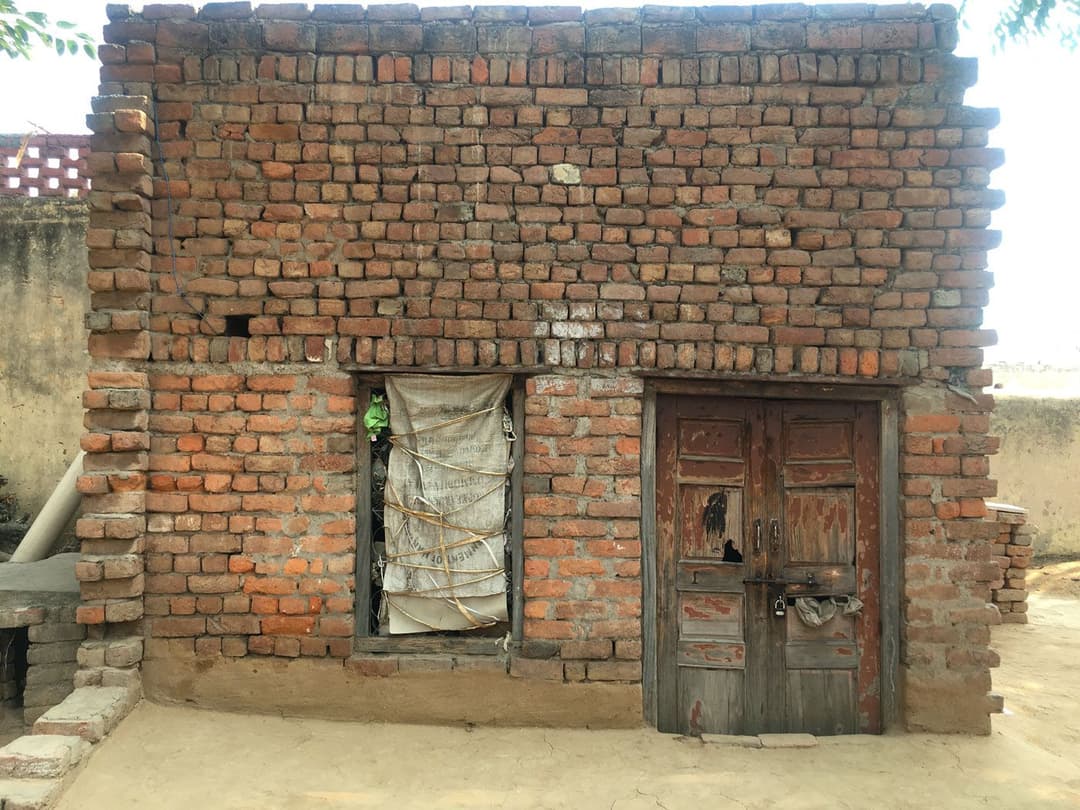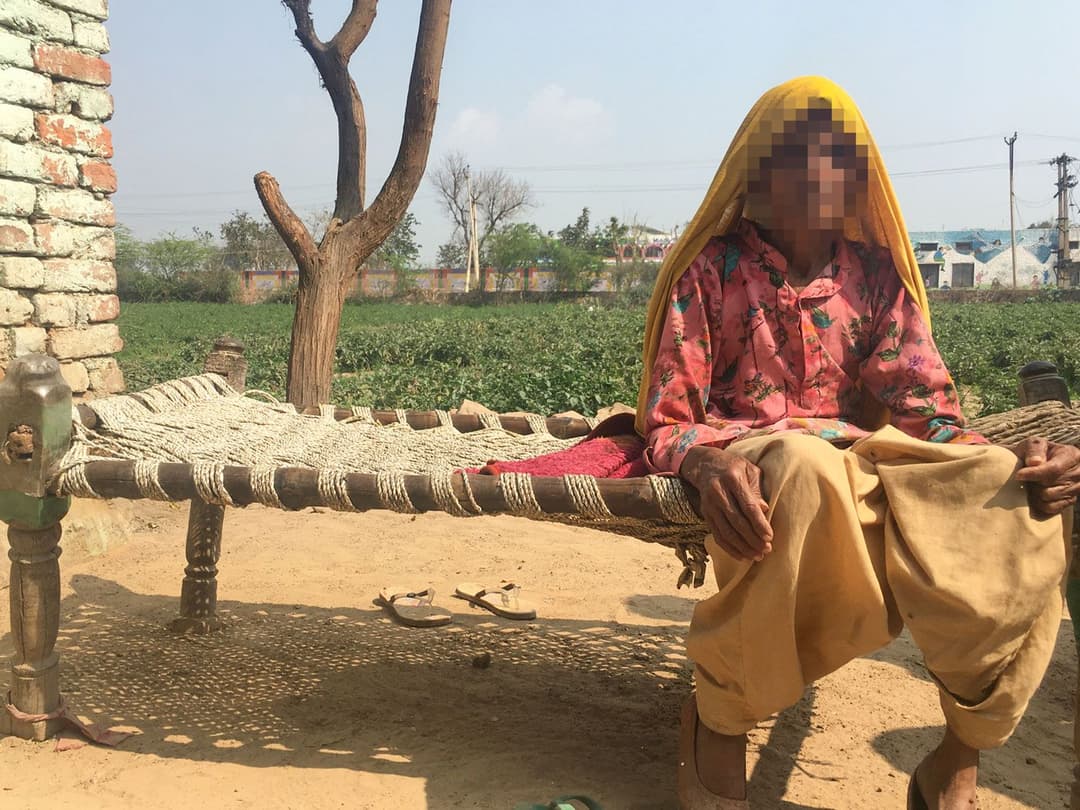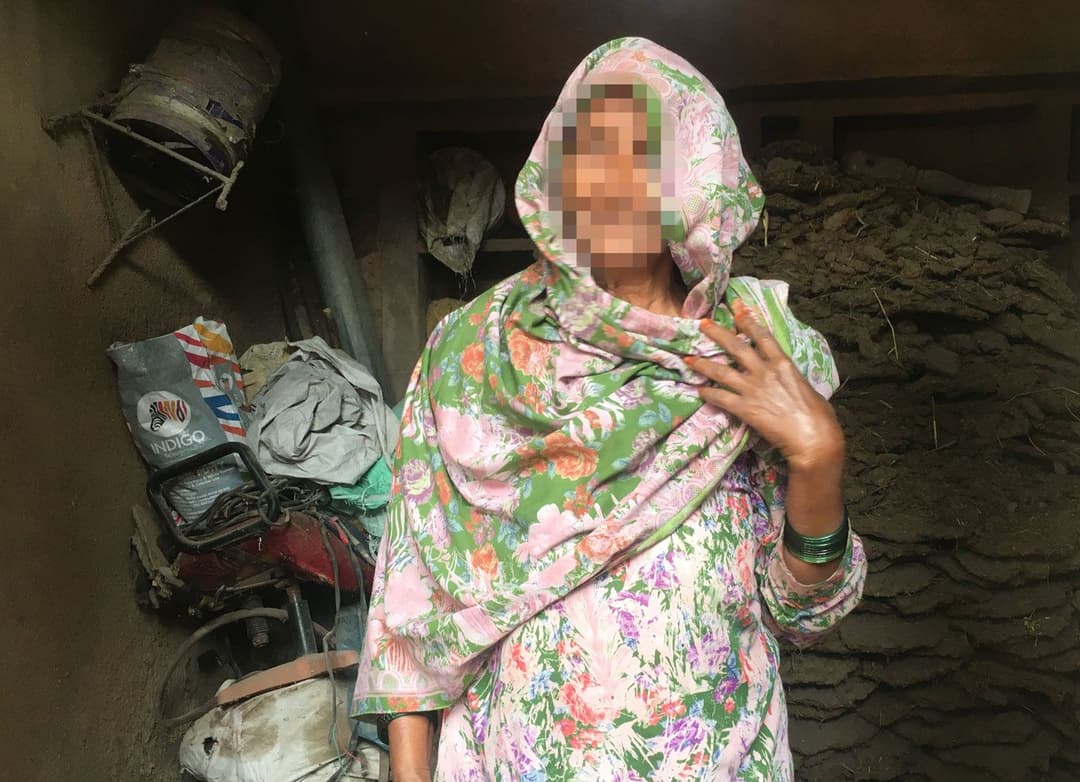

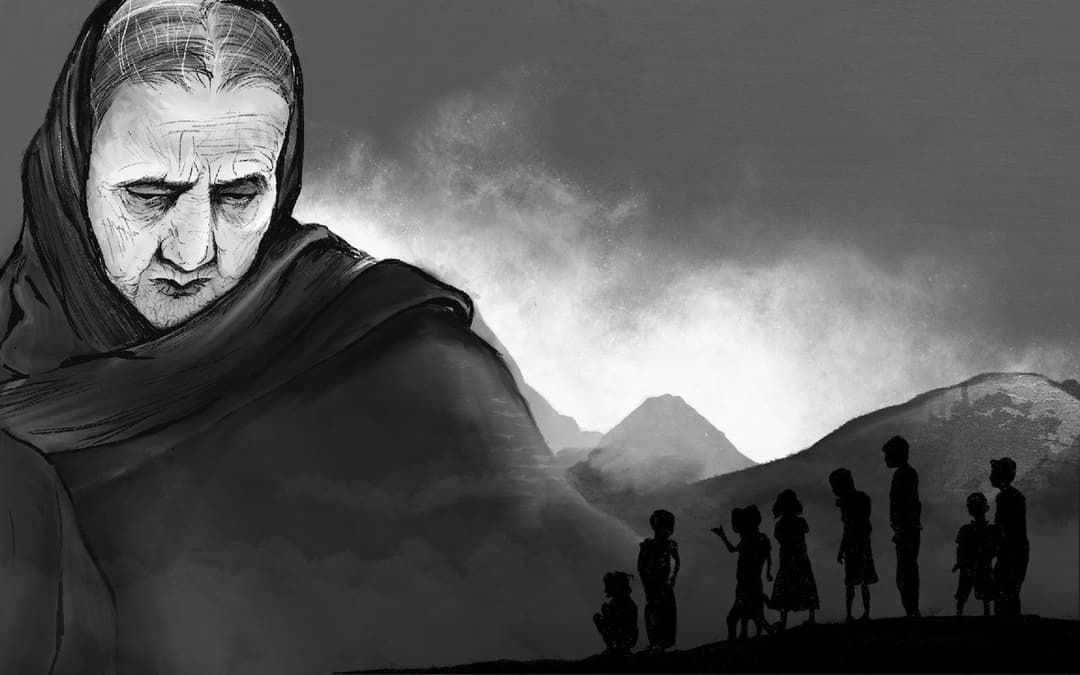
At 82, Aarifa has seen everything. Her Aaadhar card says she was born on January 1, 1938. Aarifa doesn’t know if that’s accurate, but she remembers that as a 16-year-old she became the second wife to a 20-something Rizwan Khan and came to the village of Biwan in Haryana’s Nuh district. “My mother got me married to Rizwan after my elder sister [Rizwan's first wife] and her six children died in a stampede during Partition,” recalls Aarifa (not her real name).
She also has faint memories of the time Mahatma Gandhi came to a village in Mewat to ask the community of Meo Muslims not to leave for Pakistan. Every December 19, Meo Muslims in Haryana commemorate Gandhi’s visit to Ghasera village in Nuh as Mewat Diwas (Nuh was called Mewat until 2006).
Aarifa's memory of her mother sitting her down and explaining why she should marry Rizwan, is more vivid. “He is left with nothing, my mother told me. Meri ma ne mujhe usey de dia fir [My mother then gave me to him],” Aarifa says, recalling how Biwan became her home, some 15 kilometres from her own village, Rethora, both in a district with some of the poorest development indicators in the country.
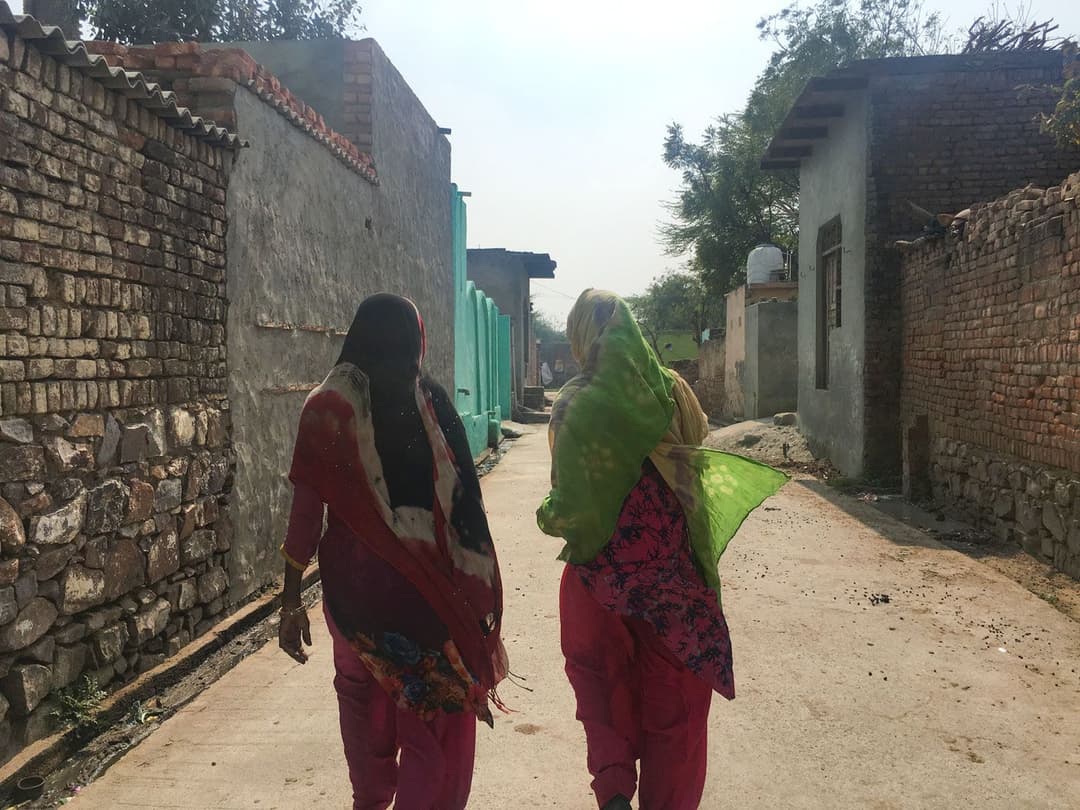
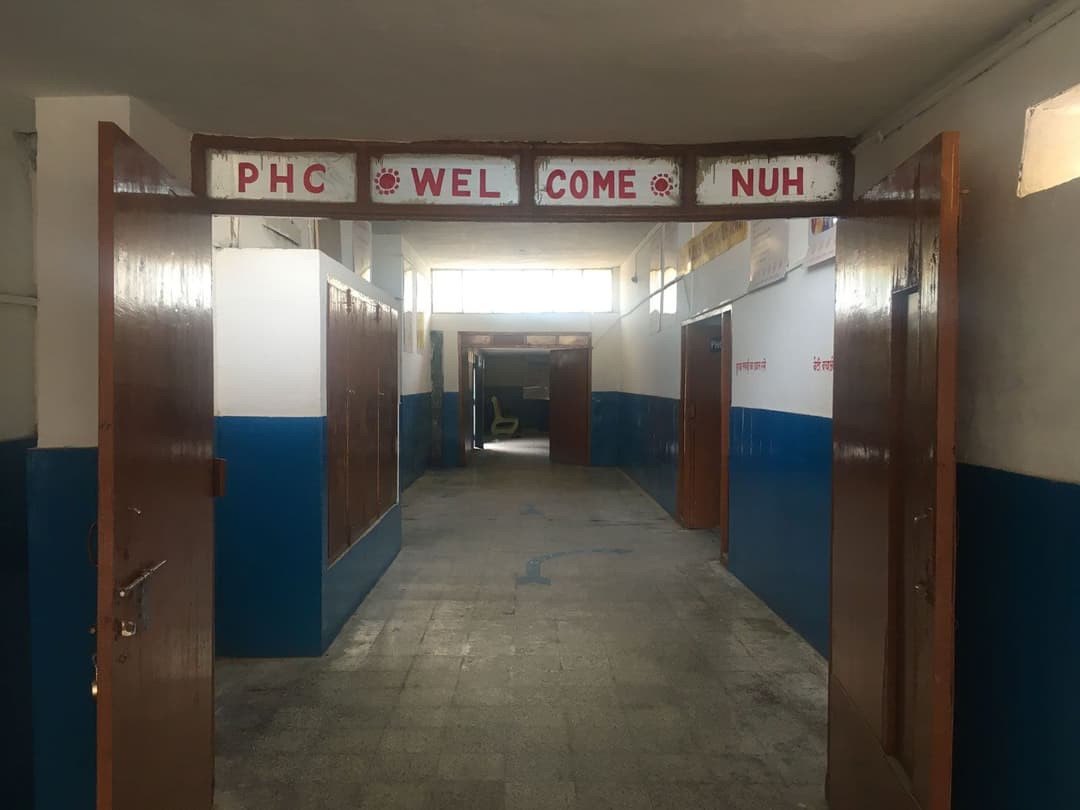
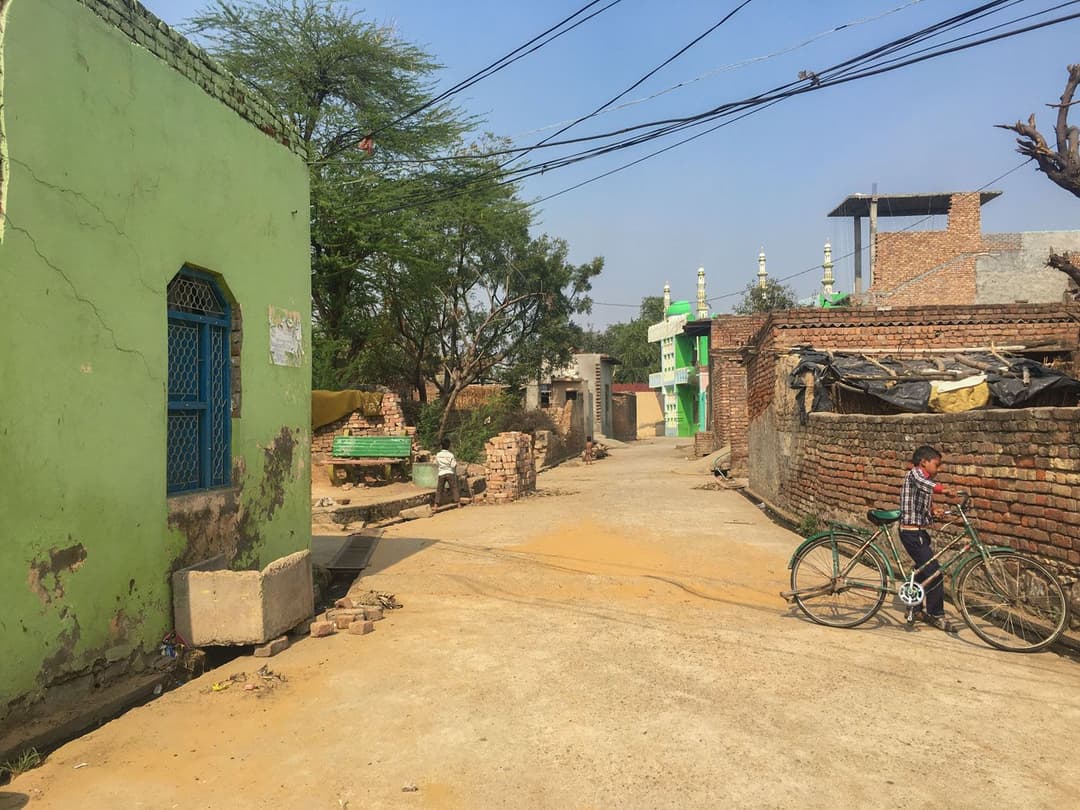
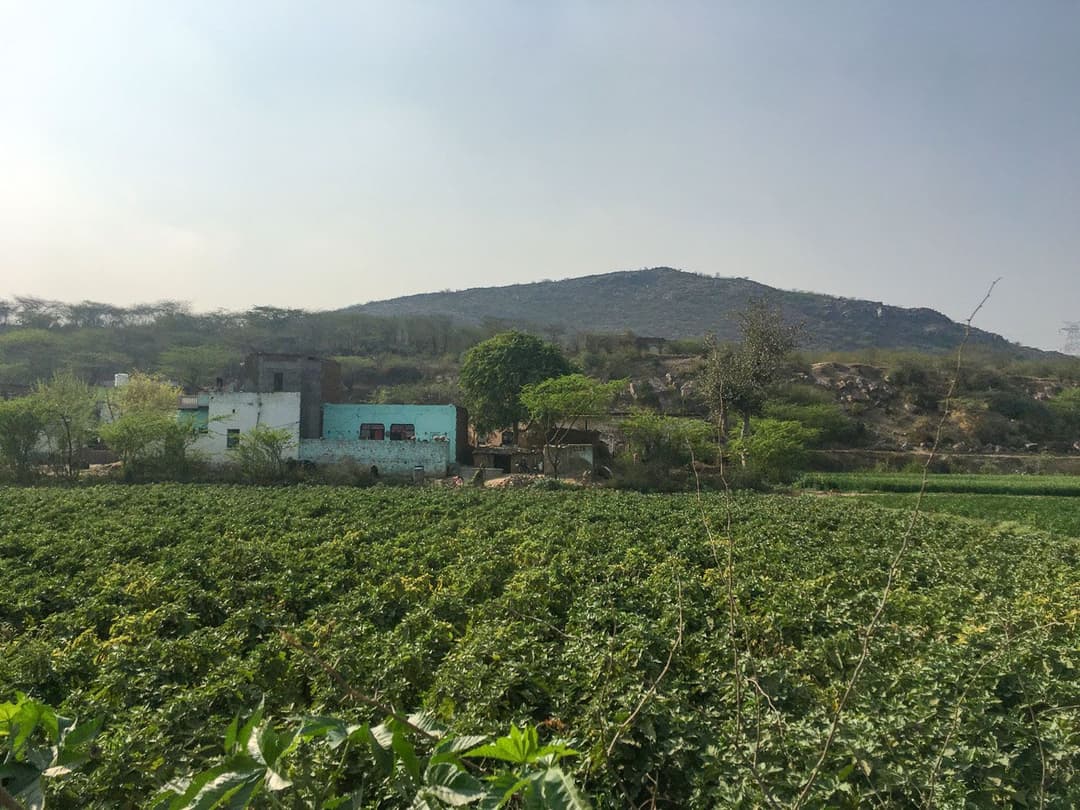
Around 80 kilometres from the national capital, Biwan, in Ferozepur Jhirka block, is located at the foothills of the Aravalli hills bordering Haryana and Rajasthan. The road from Delhi to Nuh runs through southern Haryana’s Gurugram, a financial and industrial hub with the third-highest per capita income in India, and brings you to the 44th most backward district in the country. Here, green fields, arid hills, poor infrastructure and water scarcity mark the lives of many like Aarifa.
The Meo Muslim community lives across much of this part of Haryana and some parts of neighbouring Rajasthan. Muslims constitute 79.2 per cent of the population of Nuh district (Census 2011).
In the 1970s, when Aarifa's husband Rizwan started working in the sand, stone and silica mines that are walking distance from Biwan, Aarifa’s world was circumscribed by the hills, and her major task was fetching water. After Rizwan passed away, 22 years ago, Aarifa laboured in the farms to provide for herself and her eight children, earning, she says, as little as Rs 10 to Rs. 20 a day. “Our people say have as many children as you can, Allah will provide for them,” she adds.