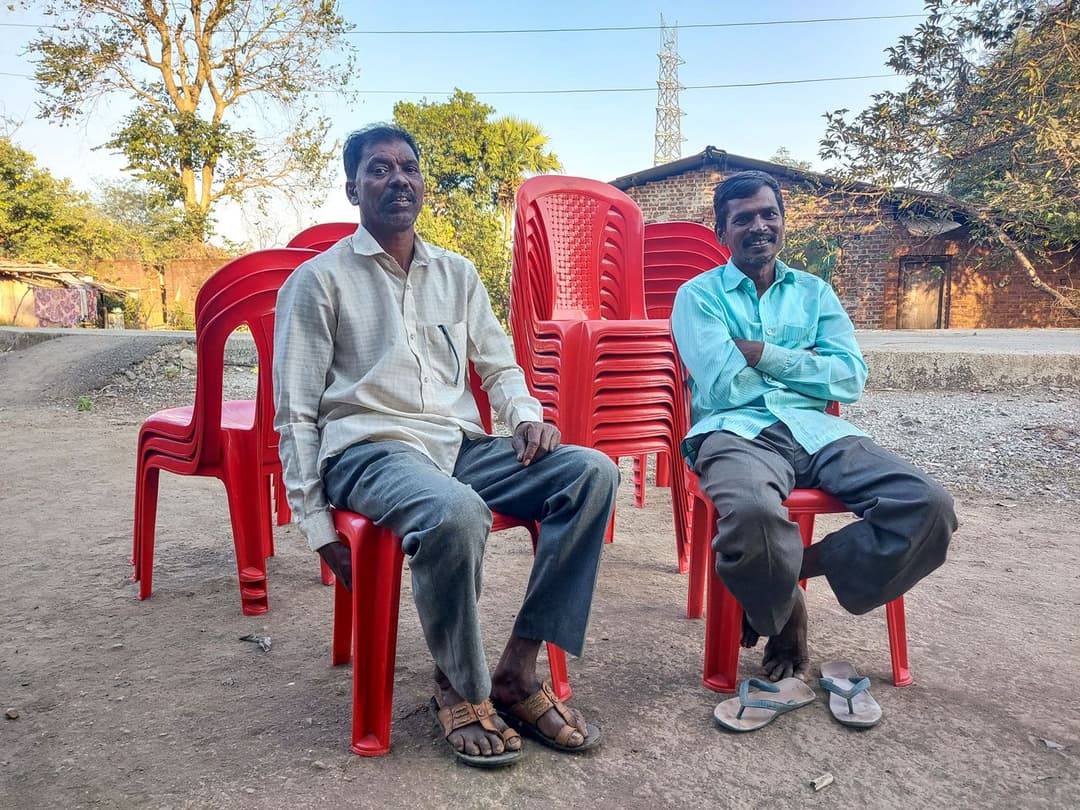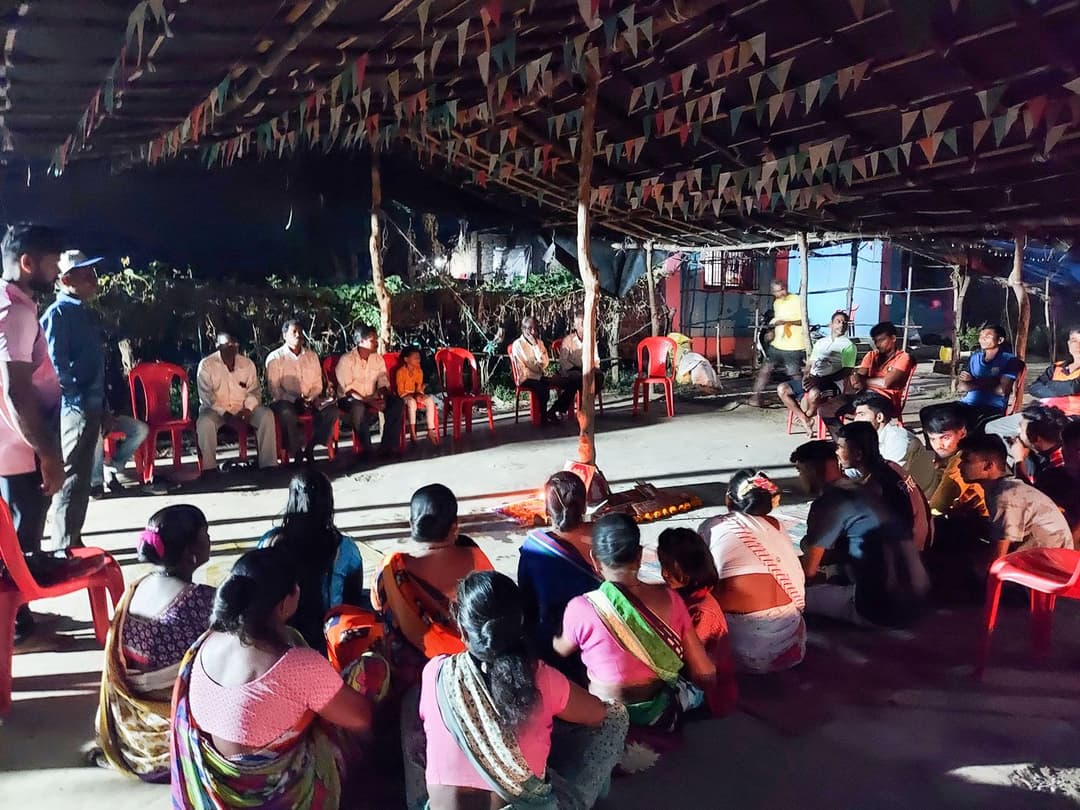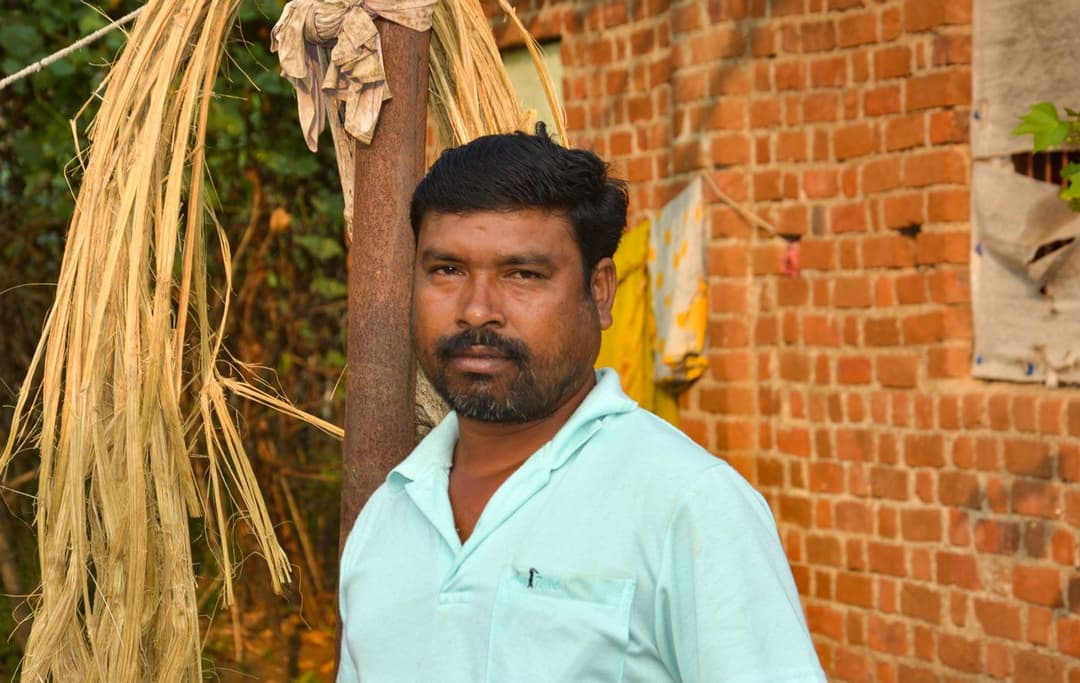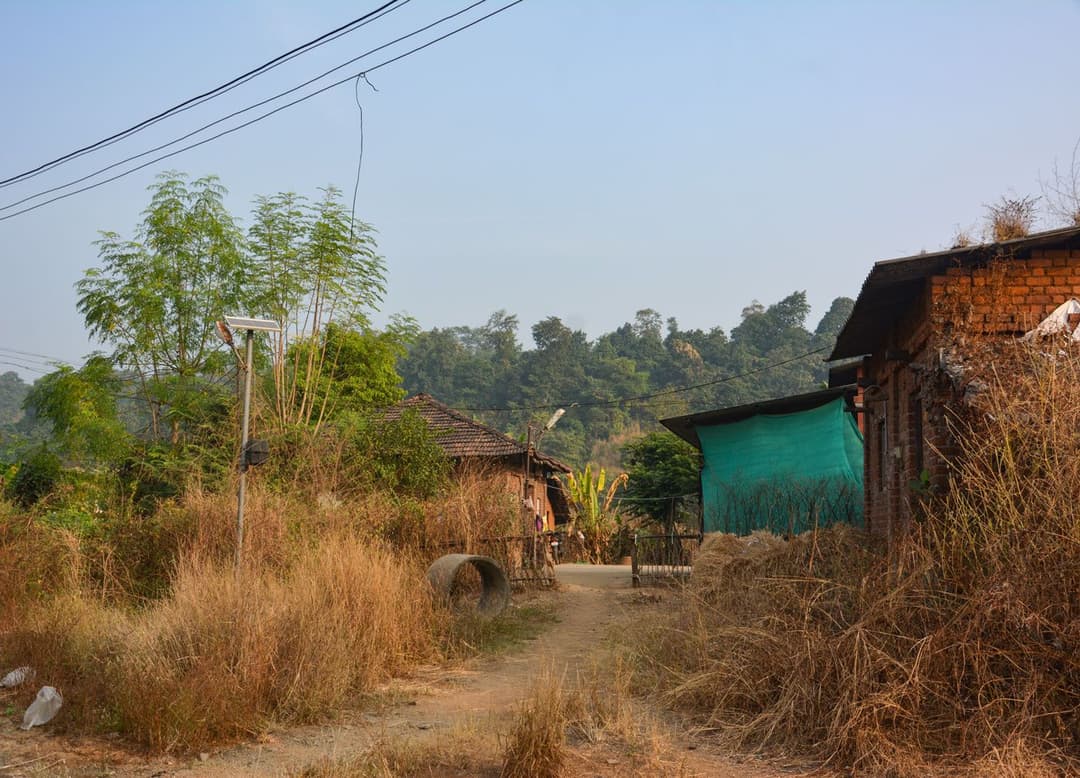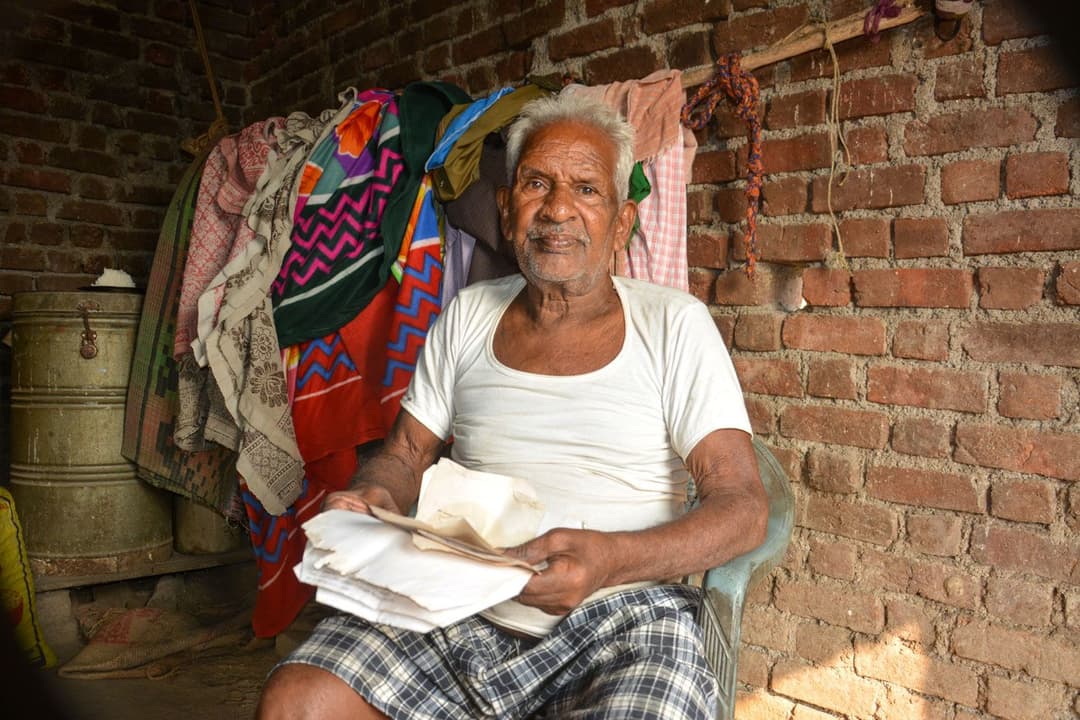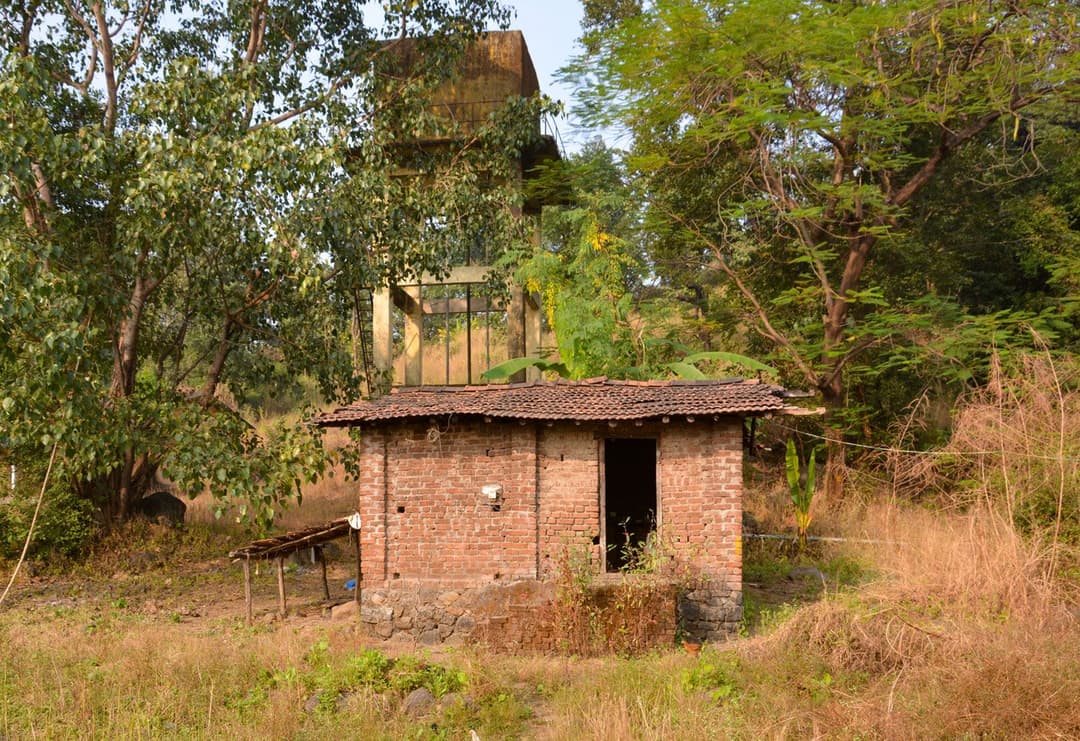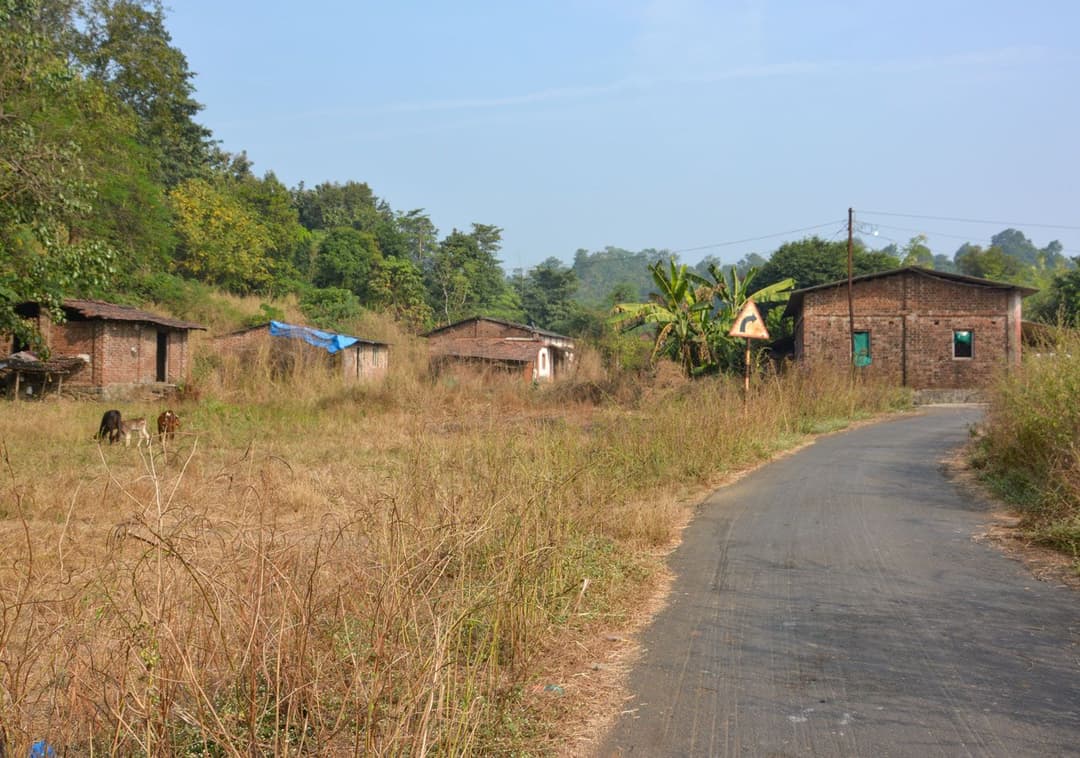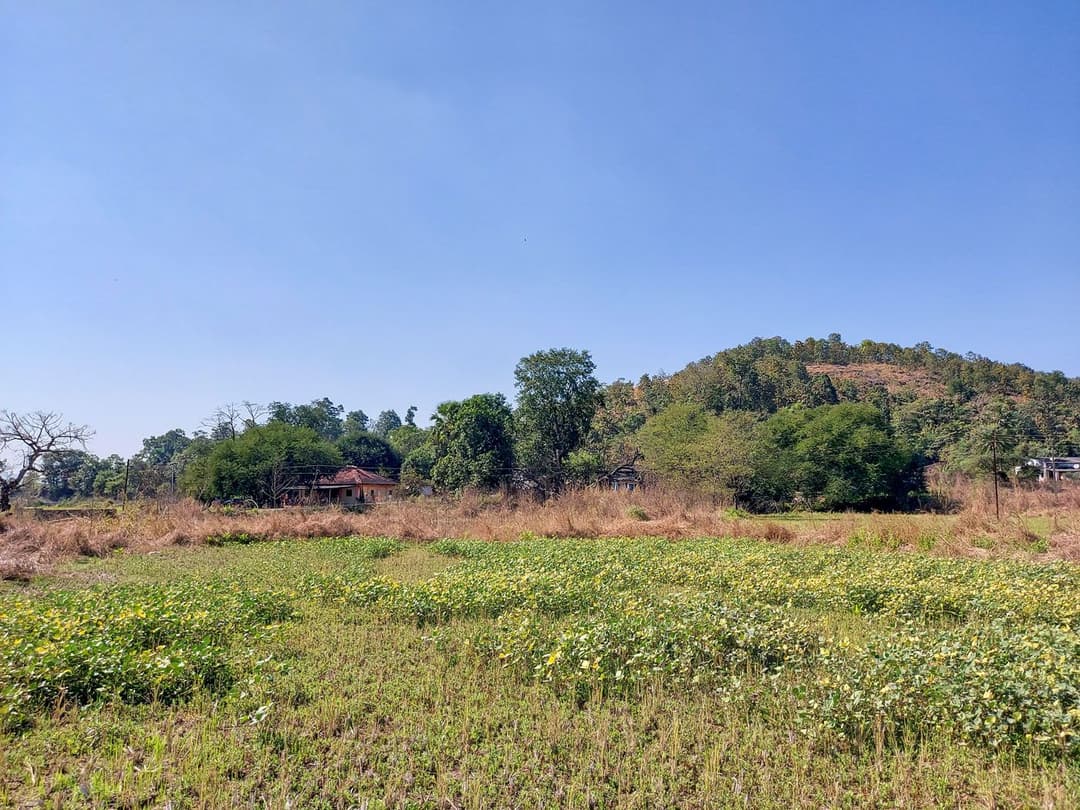
A group of middle-aged men have gathered under a tree in my village, Nimbavali, in Maharashtra’s Palghar district, discussing the events of nearly 10 years ago whose implications are felt even today. A team of government officials had stopped by in a big car, armed with papers, measuring equipment, rulers and tapes. They had searched for spots to dig to access underground water, recalled Baba, my father Parshuram Pared, 55.
“I remember them well. When we repeatedly asked what they were doing, they shot back ‘You need water, isn’t it?’ We said we do. Paani kise nahi mangta [who doesn’t want water]?,” Baba recalled. In a water-scarce region, any water source that the government could locate was welcome, but the anticipated joy of the villagers was short-lived.
Months later, the Warlis of Nimbavali, in Wada taluka, received official notices of eviction. There was no water project, instead the village land had been earmarked for the Mumbai-Vadodara National Express Highway.
“It was only then that we got to know about the highway,” said Balkrushna Lipat, 50. That was 2012. A decade later, my village is still struggling to come to terms with the deceptive land acquisition. Many know it’s a losing battle against the might of the state and have narrowed down their demands from higher compensation and alternative land back then to proper resettlement of the entire village.