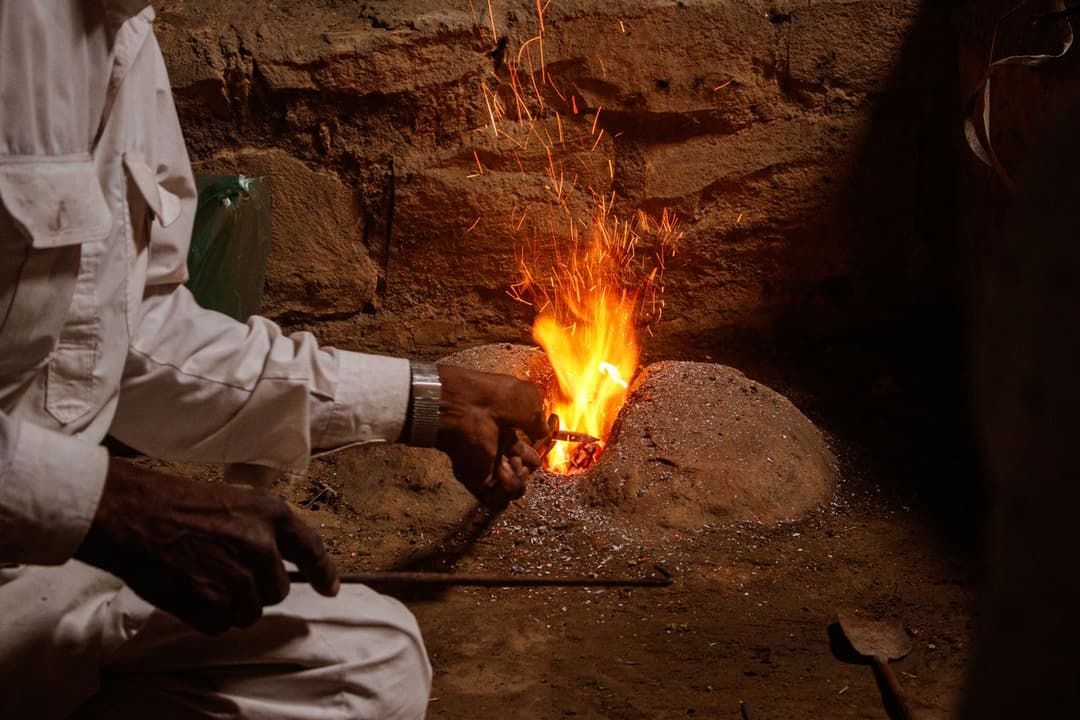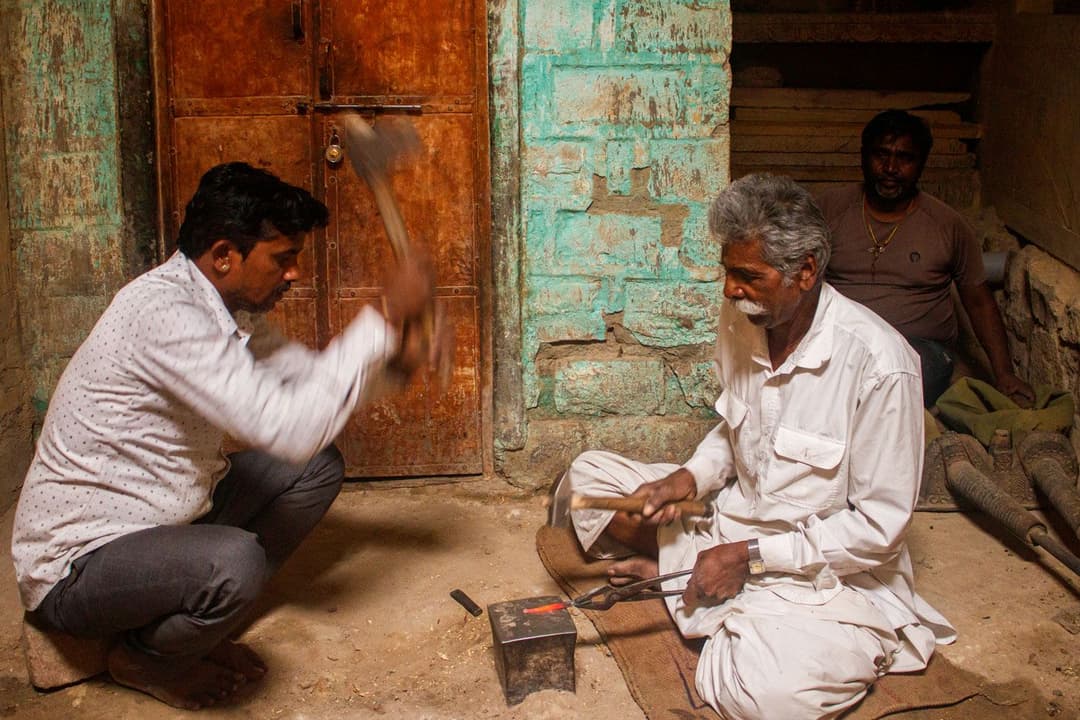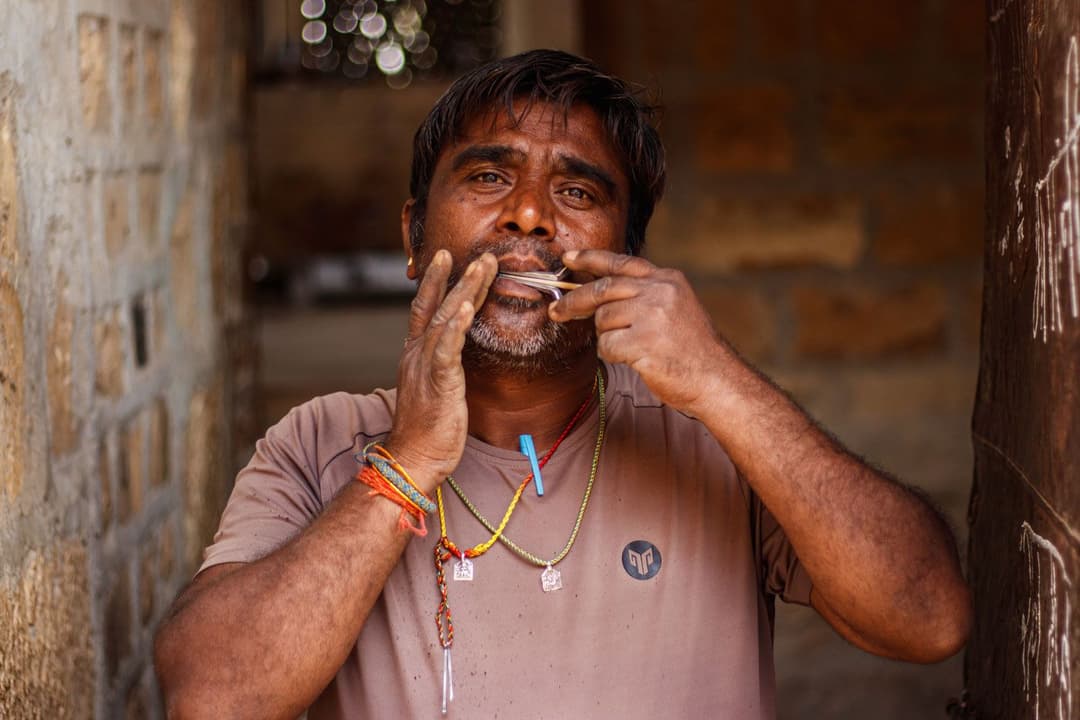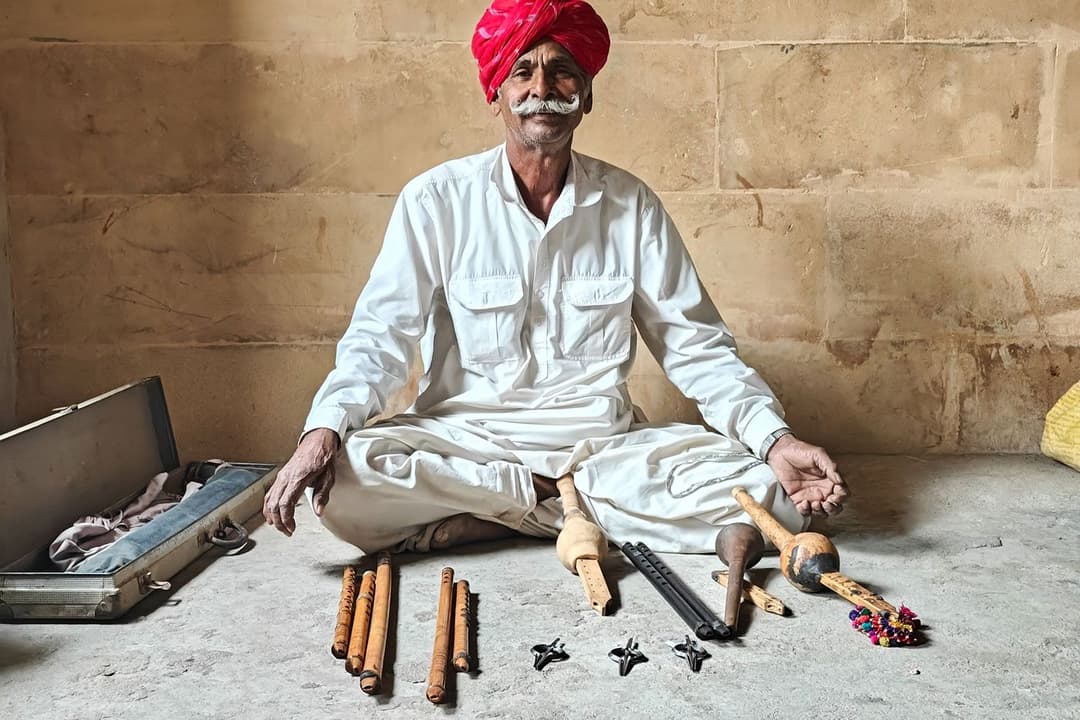
For as long as he could remember, Mohanlal Lohar has been fascinated with the melody of a hammer pounding away. Listening to the rhythmic clanging, he grew up knowing that crafting them would become a lifelong passion.
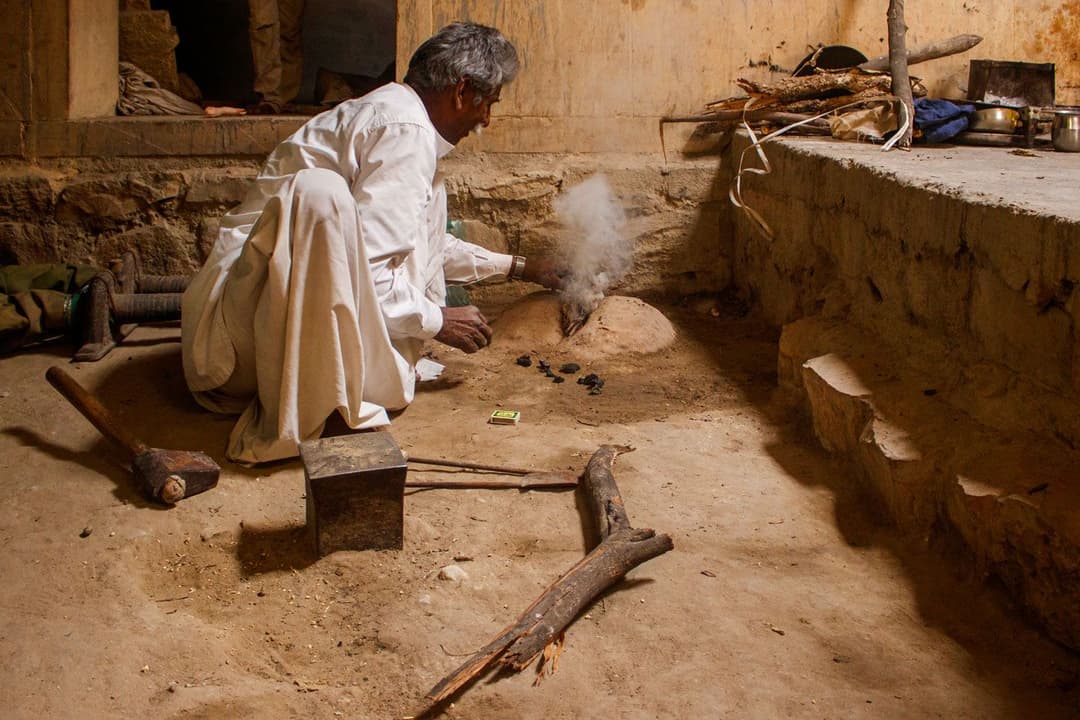
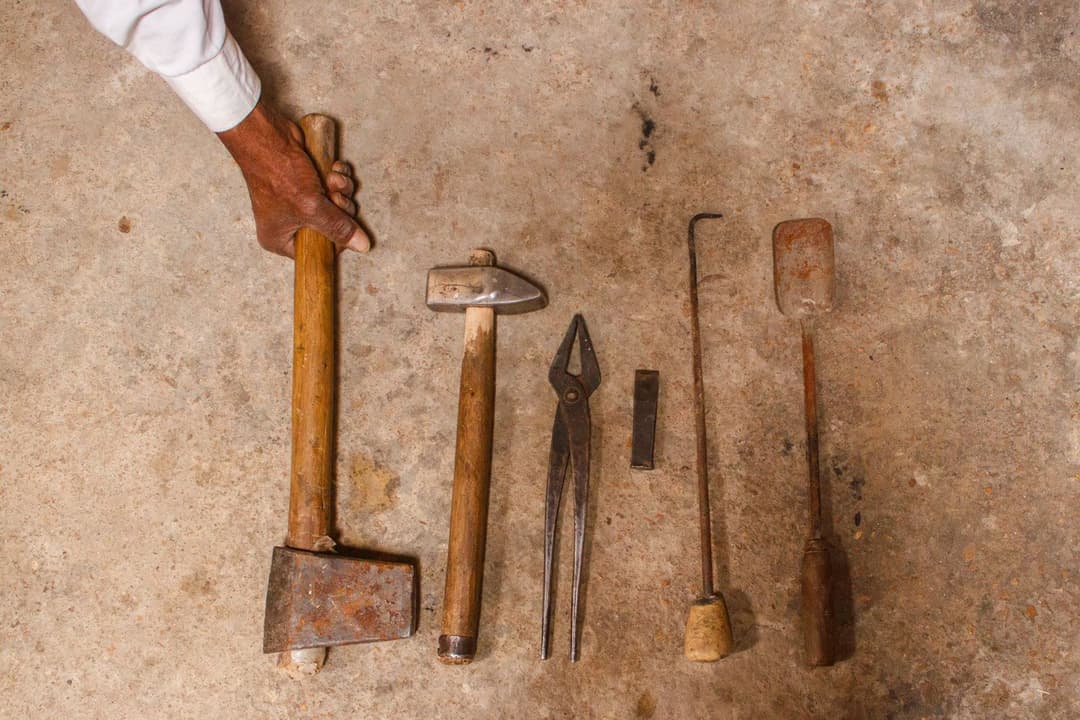
Mohanlal was born in a home of lohars (blacksmiths) in Nand village of Rajasthan’s Barmer district. He started when he was eight, assisting his father, the late Bhavraram Lohar, by handing him hammers and other tools. “I never went to school and kept playing with these pieces of equipment,” he says.
The family belongs to the Gaduliya Lohar community, listed as an Other Backward Class in Rajasthan, and speak Marwari and Hindi. Mohanlal was a teenager when he came to Jaisalmer five decades ago in the early 1980s looking for more work. Since then, he has made morchangs from a variety of materials: aluminum, silver, steel and even brass.
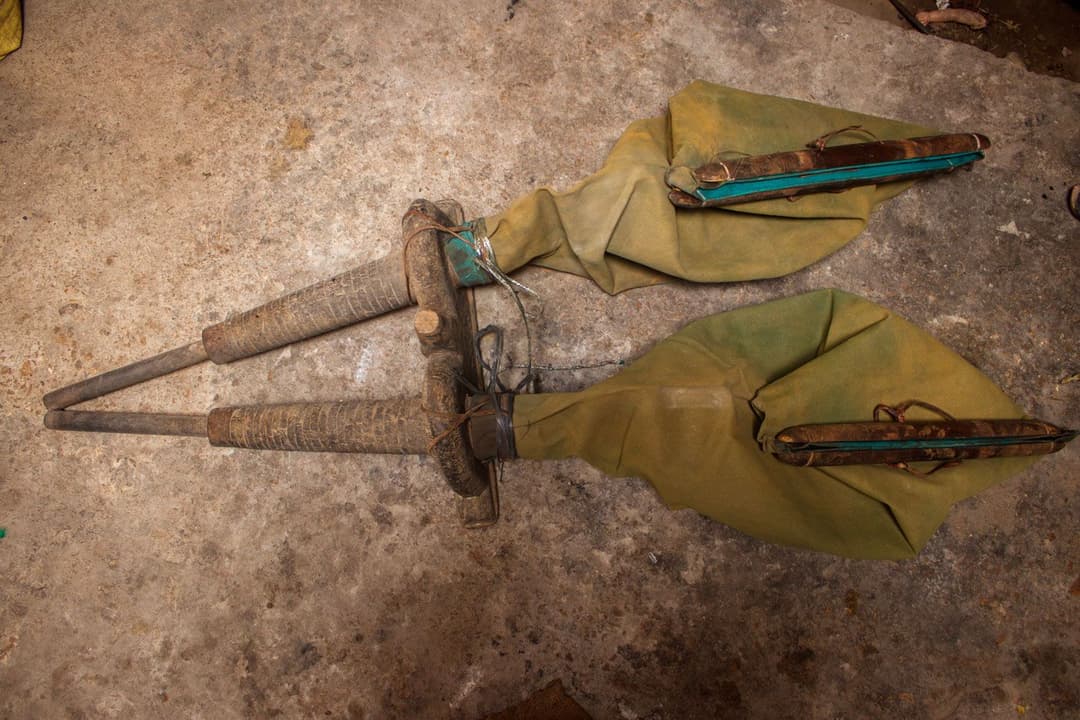
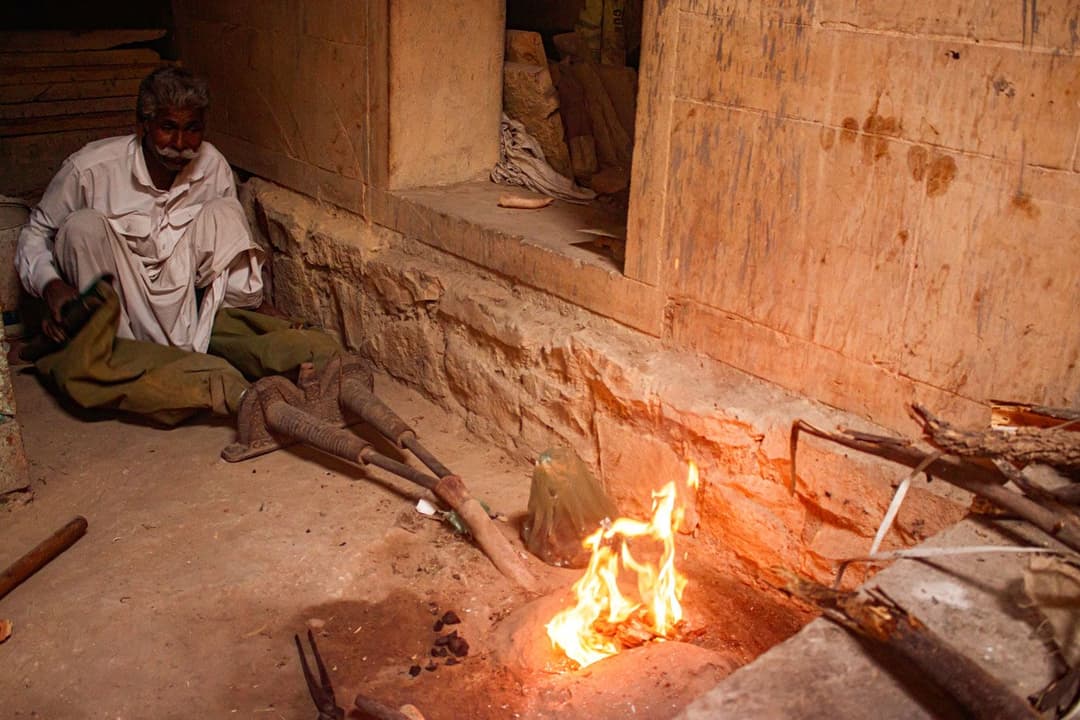
“By merely touching a piece of loha [iron], I can tell if it will sound good or not,” says Mohanlal who has spent over 20,000 hours hammering red-hot iron to shape musical morchangs, a percussion instrument heard across Jaisalmer’s sand dunes.
“It is tough to make a morchang,” says the 65-year-old and says he can’t recall how many morchangs he’s made to date: “ginti se bahar hain woh [there is no count to it].”
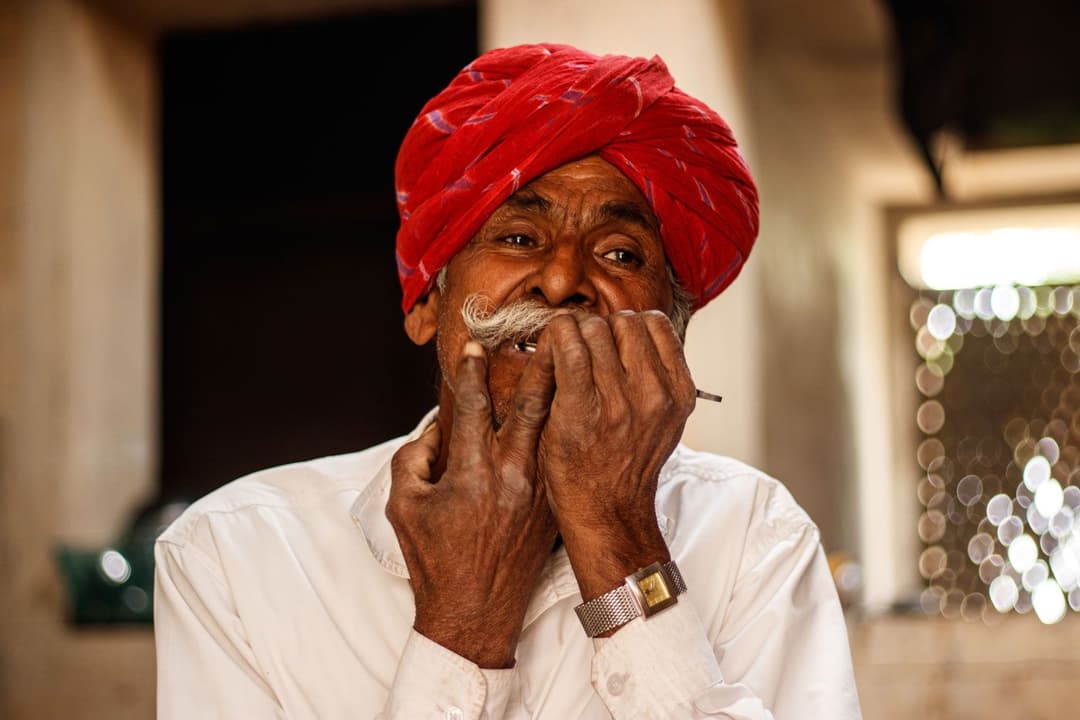
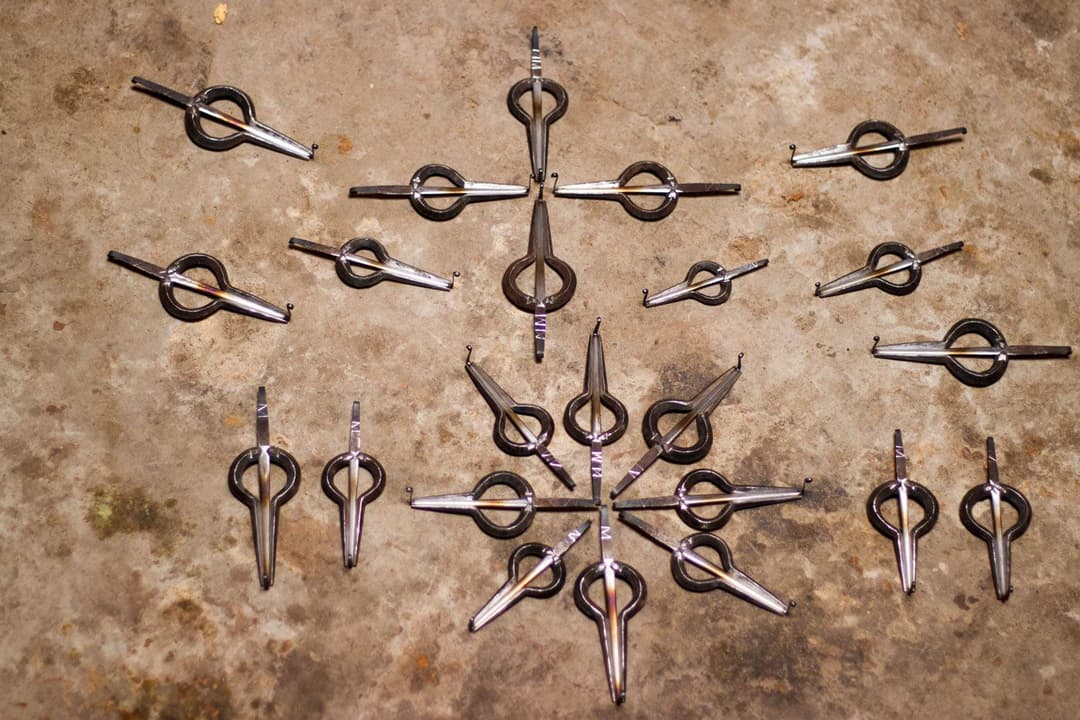
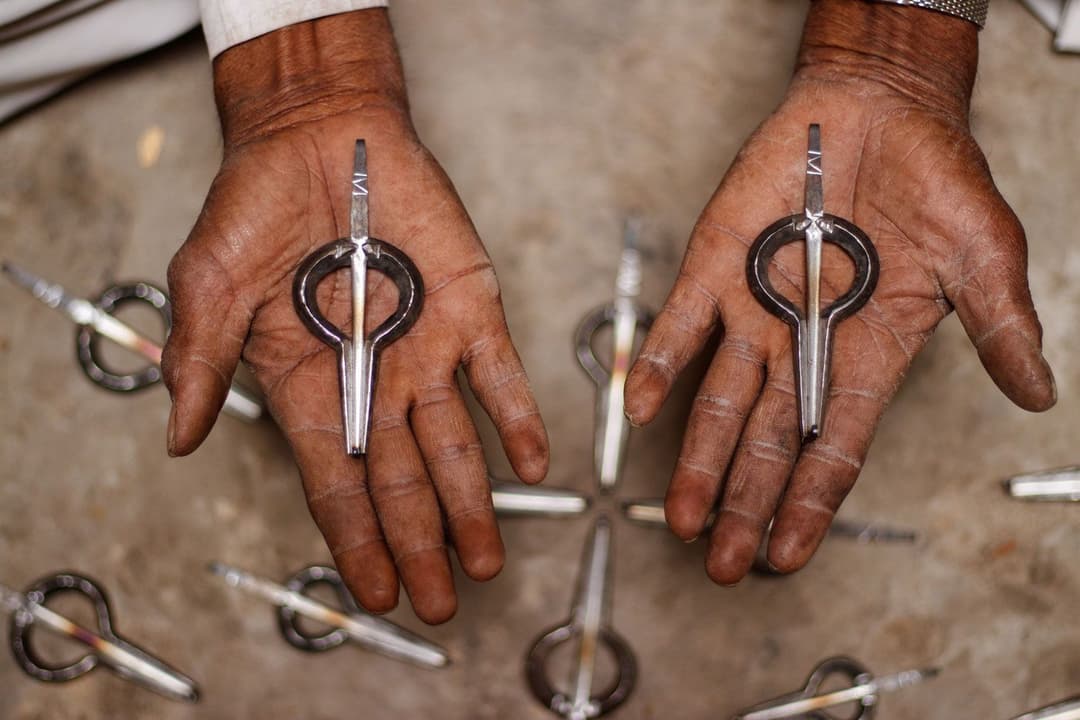
A morchang (also spelt as morsing) is roughly 10 inches long and has a metal horseshoe-shaped ring with two parallel forks. Between them is a metal tongue, known as a trigger that is fixed on one end. The musician grips it with their front teeth and breathes in and out through it. With one hand, the musician moves the morchang’s tongue, producing musical notes; the other hand helps keep the grip on the iron rim.