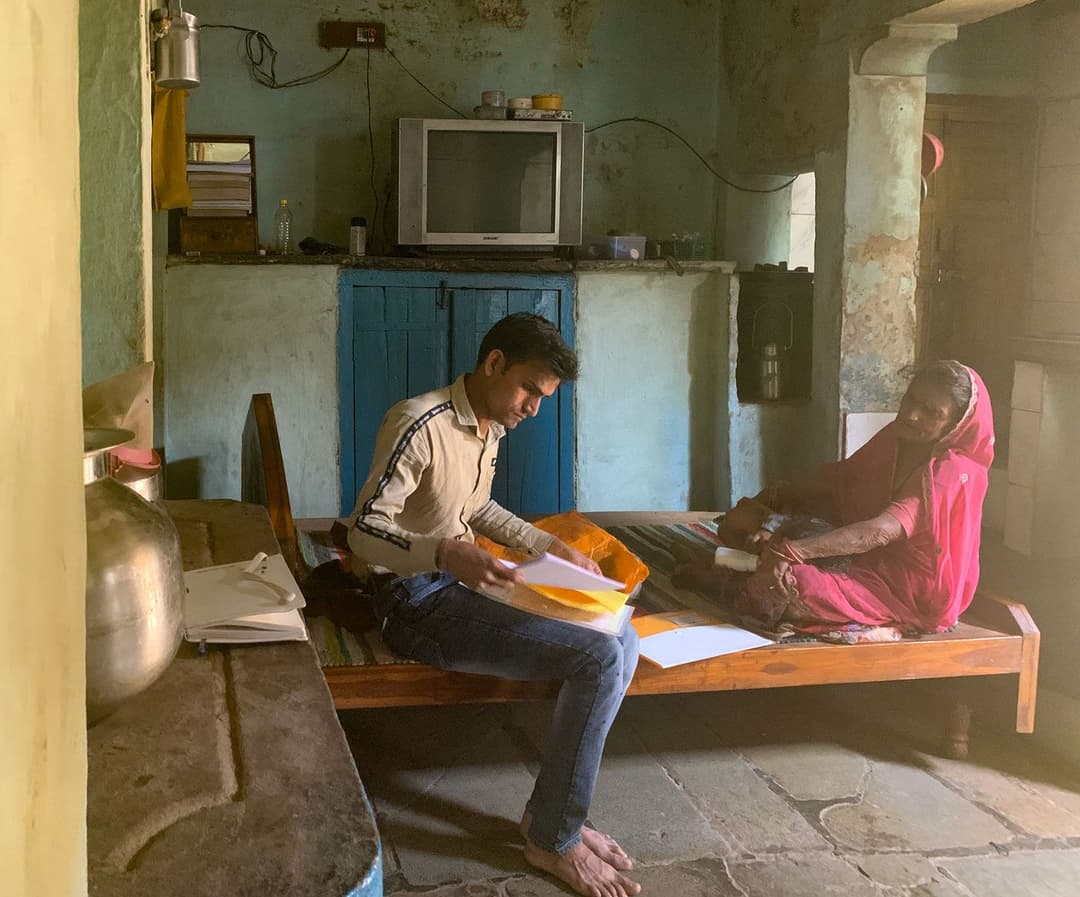


“There was nothing wrong. Nothing unusual. Everything was fine, life was going on quite ordinarily,” says 33-year-old Dinesh Chandra Suthar, sitting amid his family's files and reports, and recalling how everyday the circumstances were when the unthinkable happened.
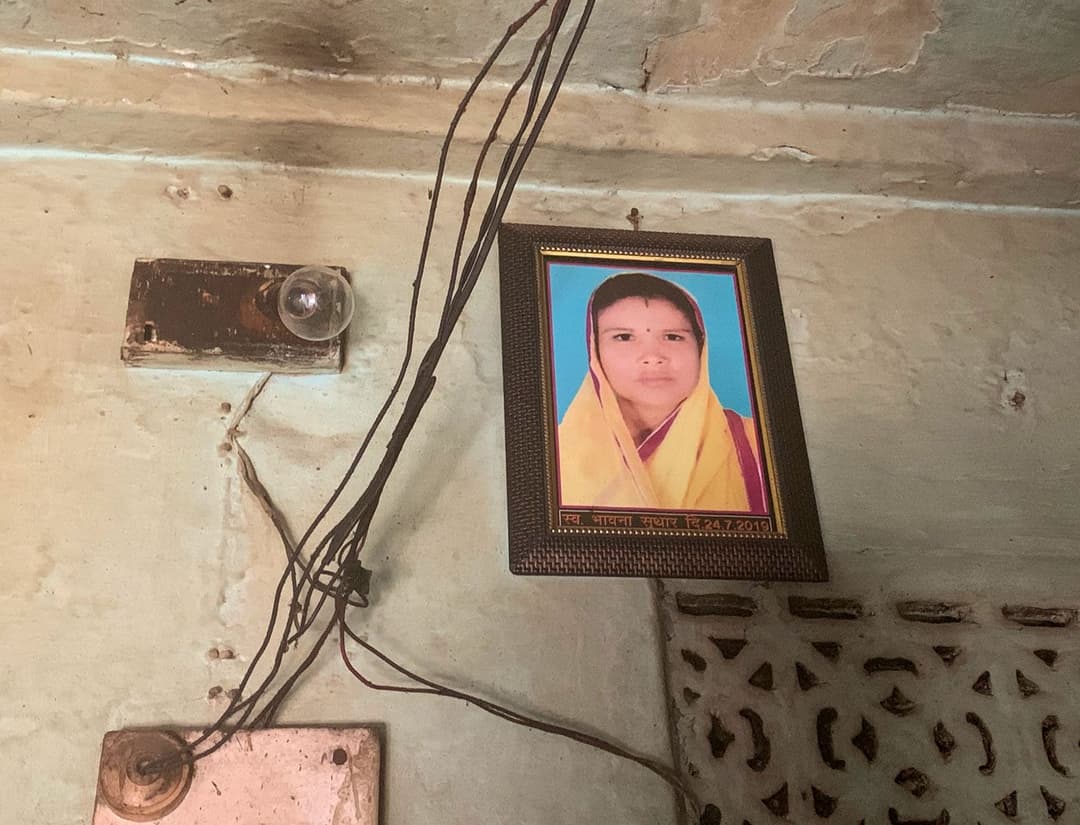
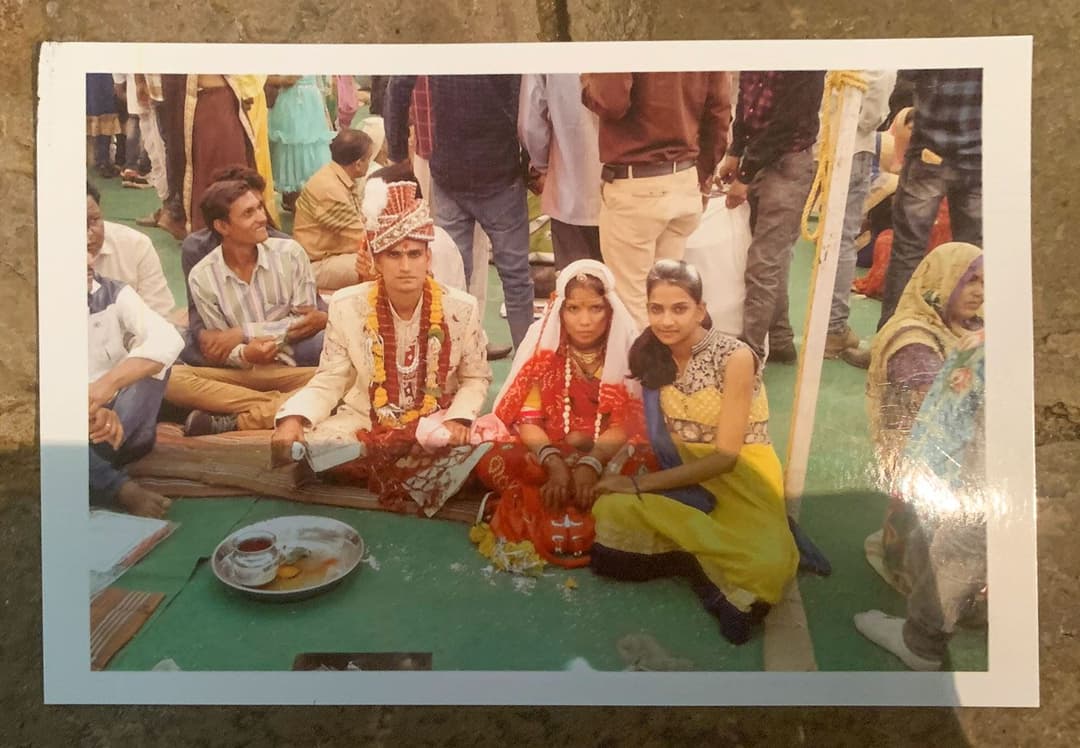
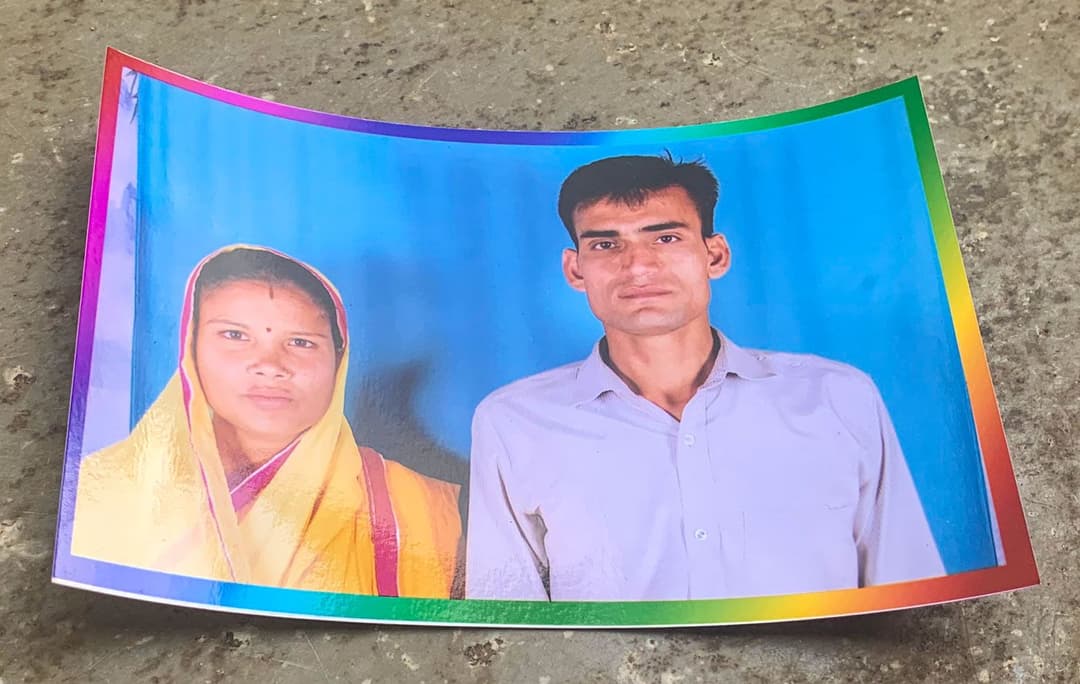
On the walls of the Suthar home in Bansi village in Rajasthan, hang photographs of his deceased wife. Bhavna Devi’s picture is the same one Dinesh has in his files. Shot months after they were married in 2015, the photograph was to accompany an application for a government scheme.
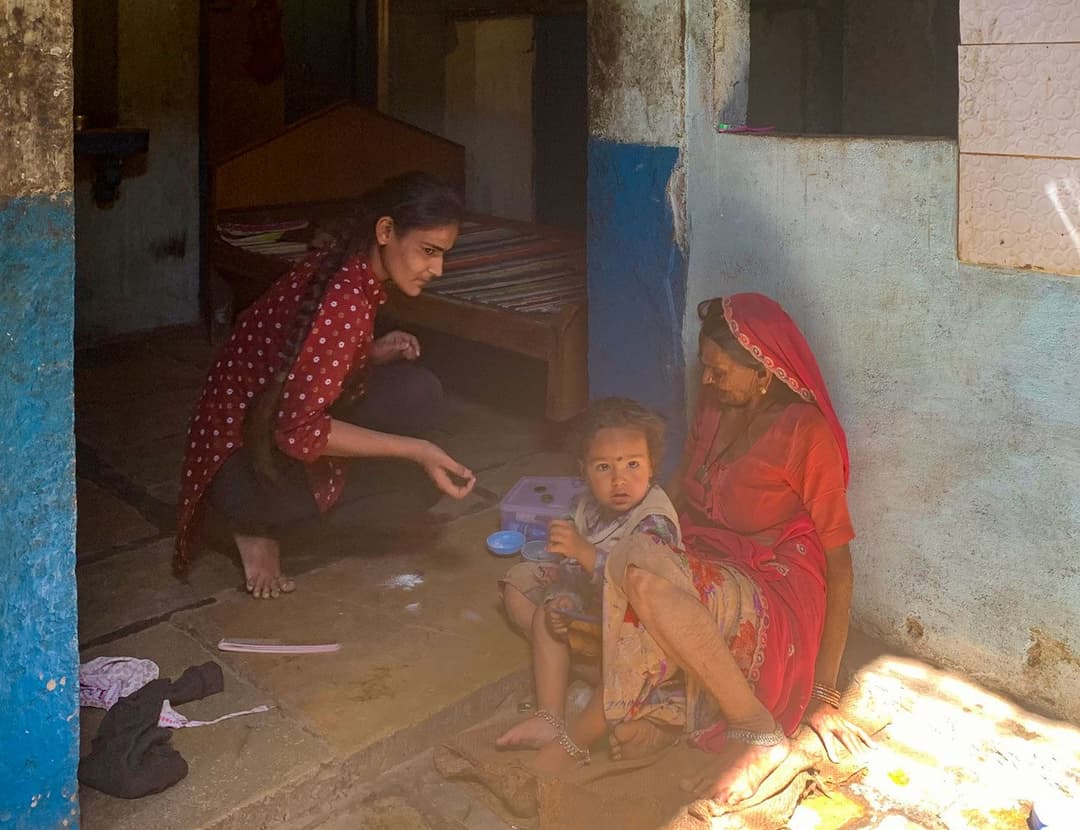
Five years on, Dinesh is holding on to these papers and photographs that mark his brief married life. He is the father of two boys, three-year-old Chirag and Devansh, who was just 29 days old and still to be named when Bhavna, his mother, died of a punctured intestine following a sterilisation procedure at the 50-bed community health centre (CHC) in Bari Sadri municipality.
Dinesh – who has a BEd degree and earns Rs. 15,000 as a teacher at a private school in Badwal, six kilometres from Bansi – tries hard to stitch the chain of events together, looking for the loose thread, the single flaw that caused their lives to unravel. And ends up blaming himself.
“Was it because I agreed to the operation, trusted the doctors who kept saying it’s all fine? I should have asked for more information. I should not have agreed to the operation or trusted anybody. That’s my fault,” says Dinesh, who has tussled with these tortured thoughts innumerable times since his wife died on July 24, 2019.
On June 25, 2019, barely a month before her death, Bhavna, 25, delivered a healthy baby boy, Devansh. The second pregnancy and delivery, like the first, had been smooth. Her reports, check-ups, and even the delivery at the CHC in Bari Sadri, around 60 kilometres from their village in Bari Sadri block in Chittaurgarh district, were all normal.