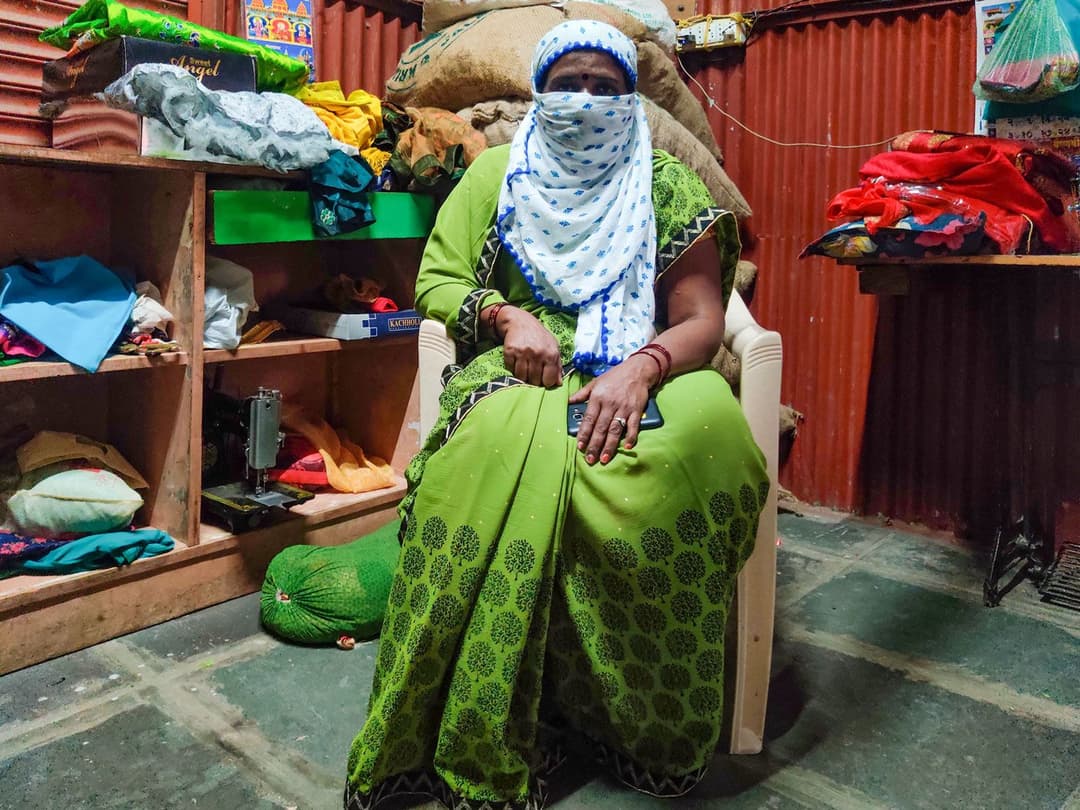

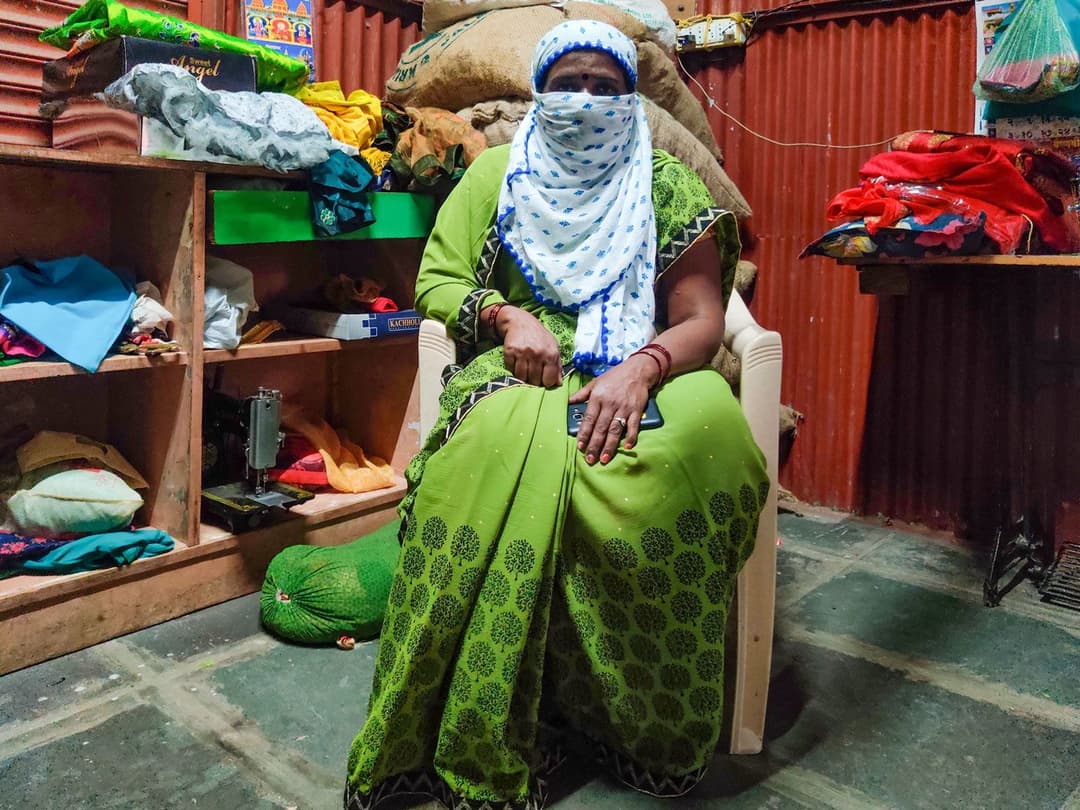
Shahbai Gharat was chasing the coronavirus for over a year – until it caught up with her one day. An accredited social health activist, or ASHA, Shahbai had been going from door to door tracking Covid-19 in Sultanpur, her village in Maharashtra’s Beed district. But in the last week of May, her worst fear came true when she tested positive for the infection.
Shahbai, 38, was aware of the risks of her job during the pandemic, but she had not foreseen the ramifications. Soon after she tested positive, her 65-year-old mother was infected too. Then her four nephews got it. The whole family was in anguish because of the disease.
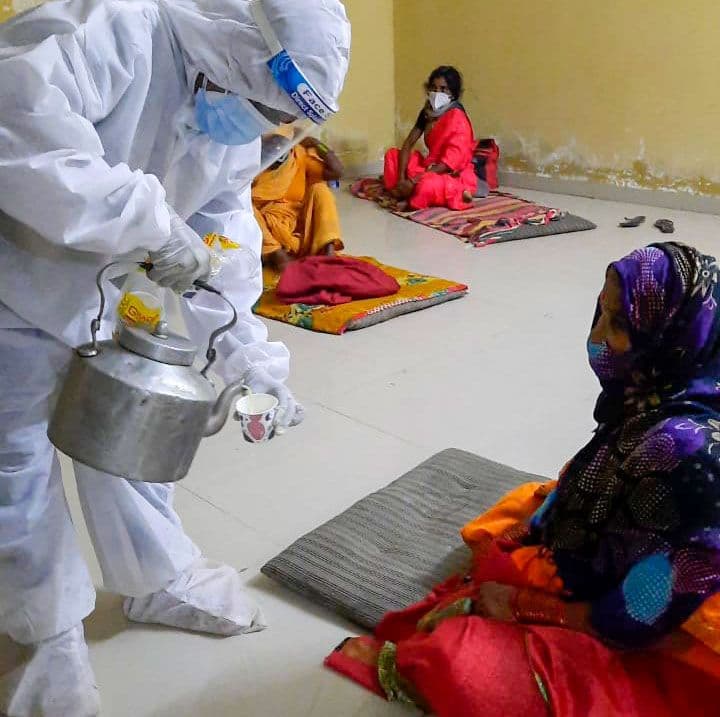
It took a few weeks for Shahbai to recover. “My nephews got better too, but my mother had to be admitted to a hospital,” says Shahbai, adding that she required oxygen support for a week. “My mother's treatment cost 2.5 lakh rupees. I sold my 2.5-acre farmland and some jewellery to pay for it.”
Her work as an ASHA was never easy but the pandemic has made it worse. “I have faced threats and abuses. People would hide their symptoms initially,” says Shahbai. “I have faced a lot of negative reactions in the village for trying to do my job.”
There are more than 70,000 accredited ASHAs in Maharashtra. They have been the first line of defence against the virus since its outbreak in March 2020. In addition to performing home visits, they also tackle vaccine hesitancy in the villages.