
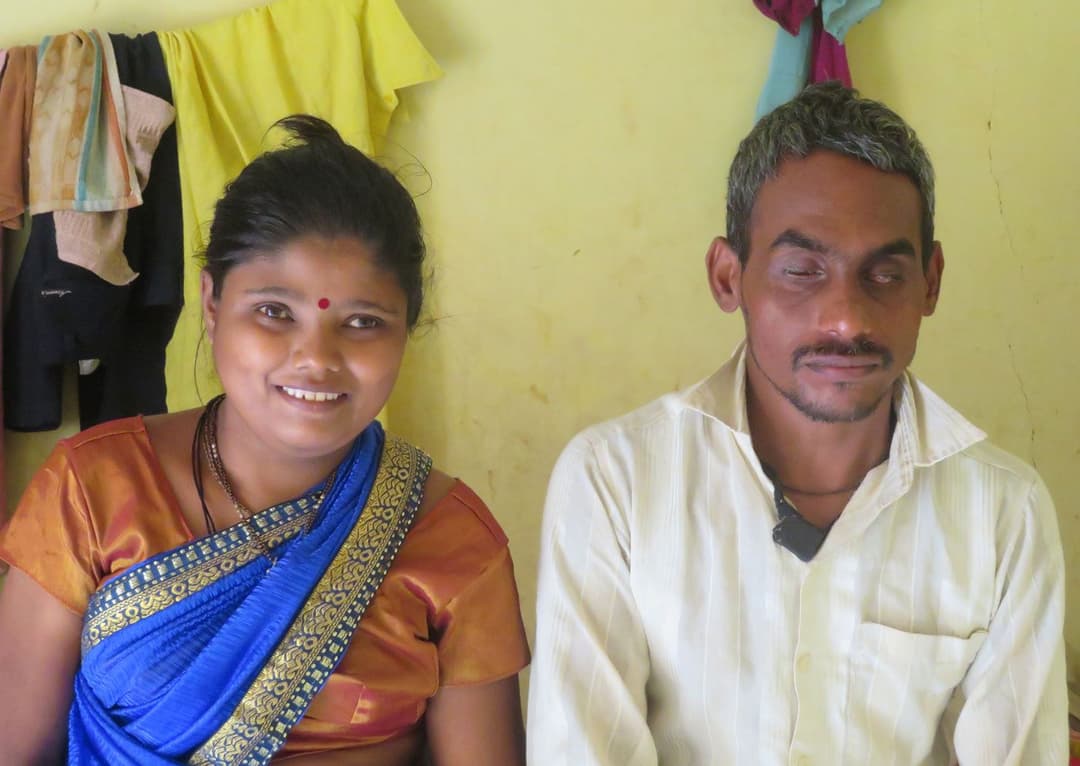
It is noon and it has just stopped drizzling in Maharashtra’s Ulhasnagar taluka.
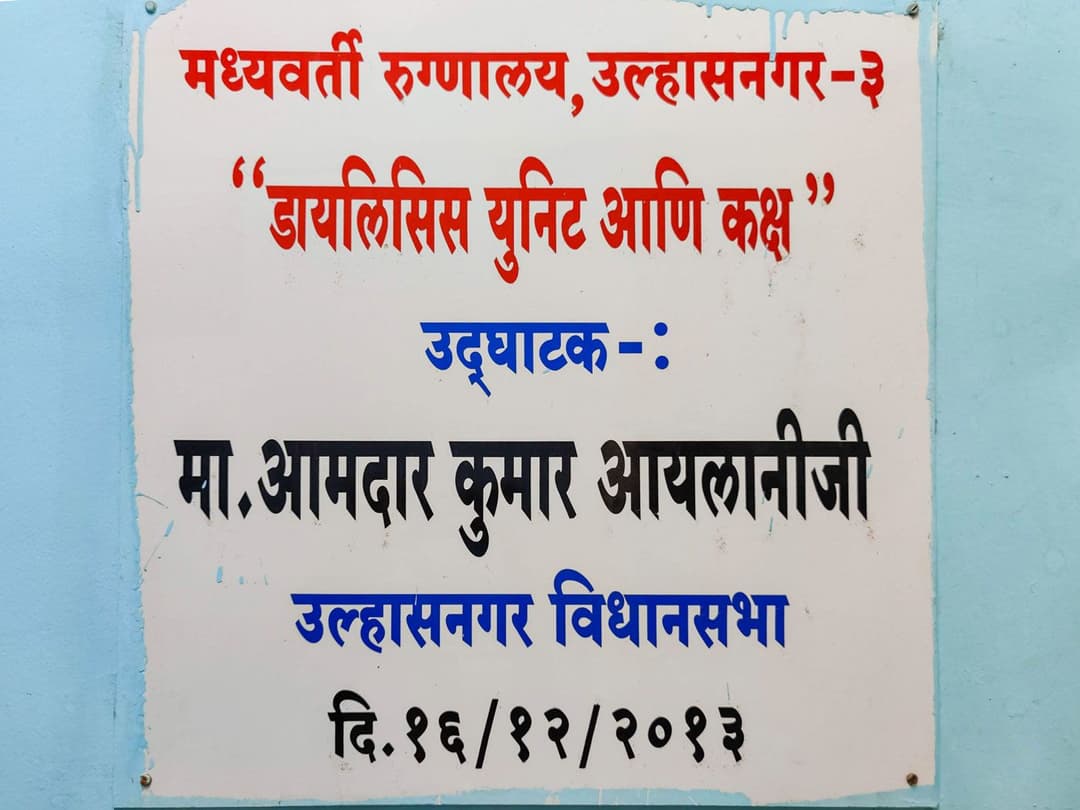
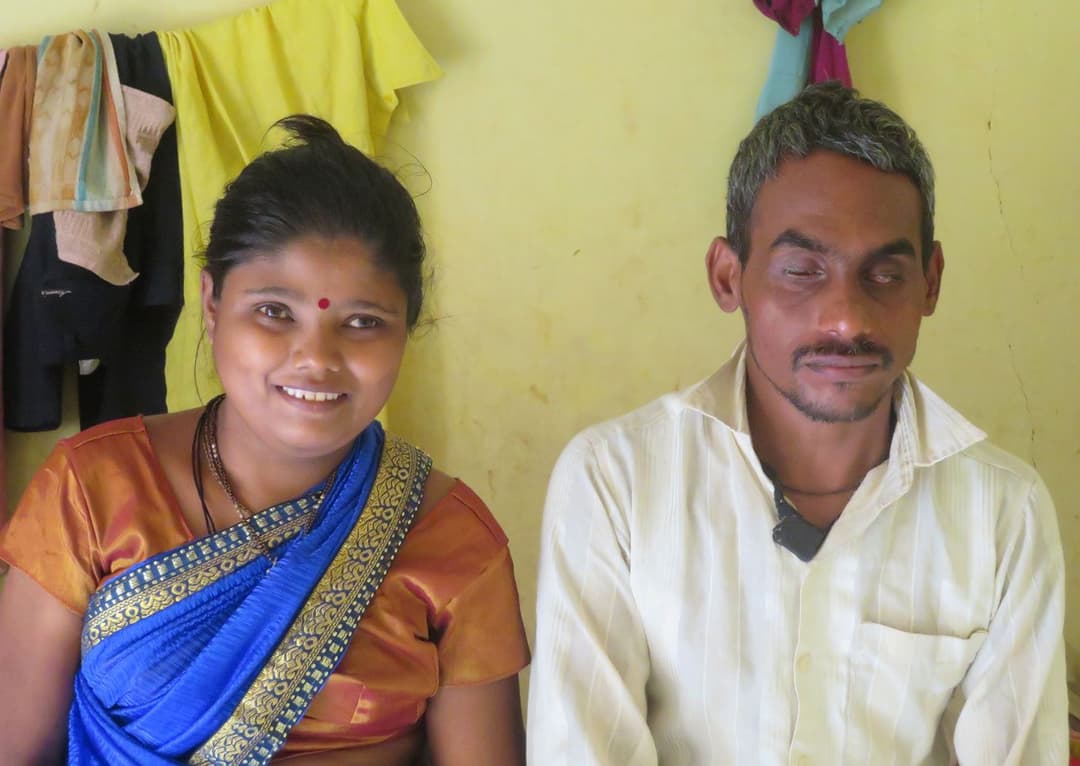
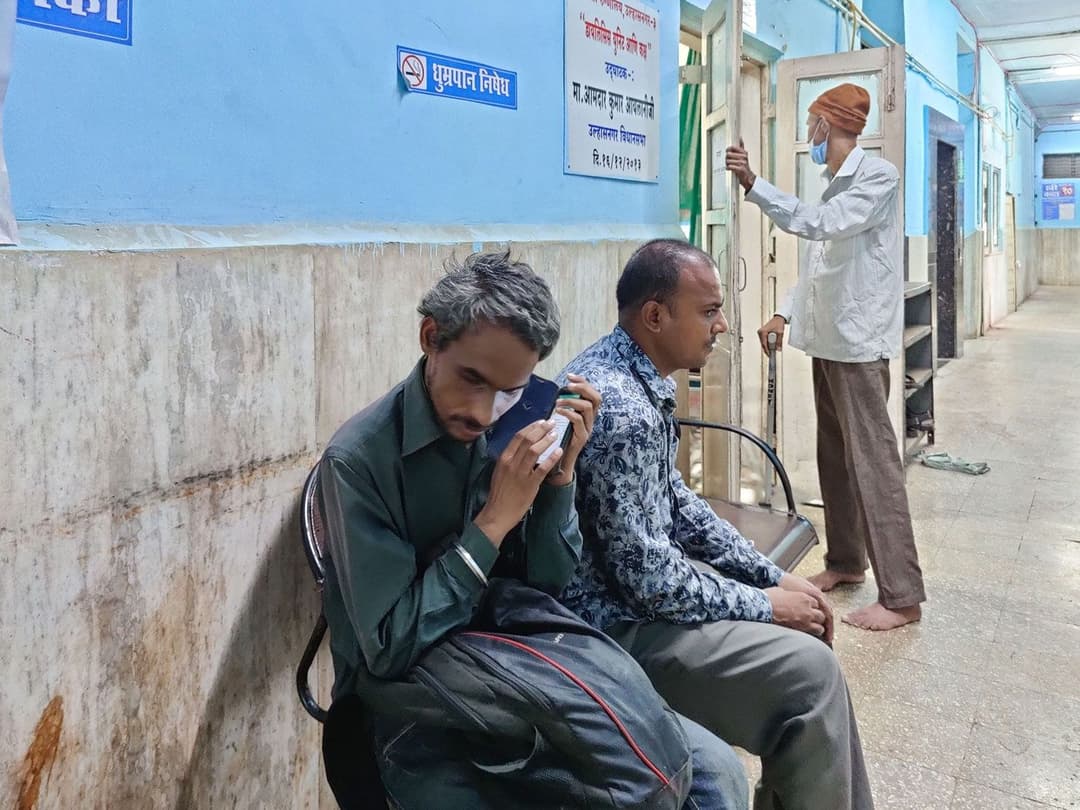
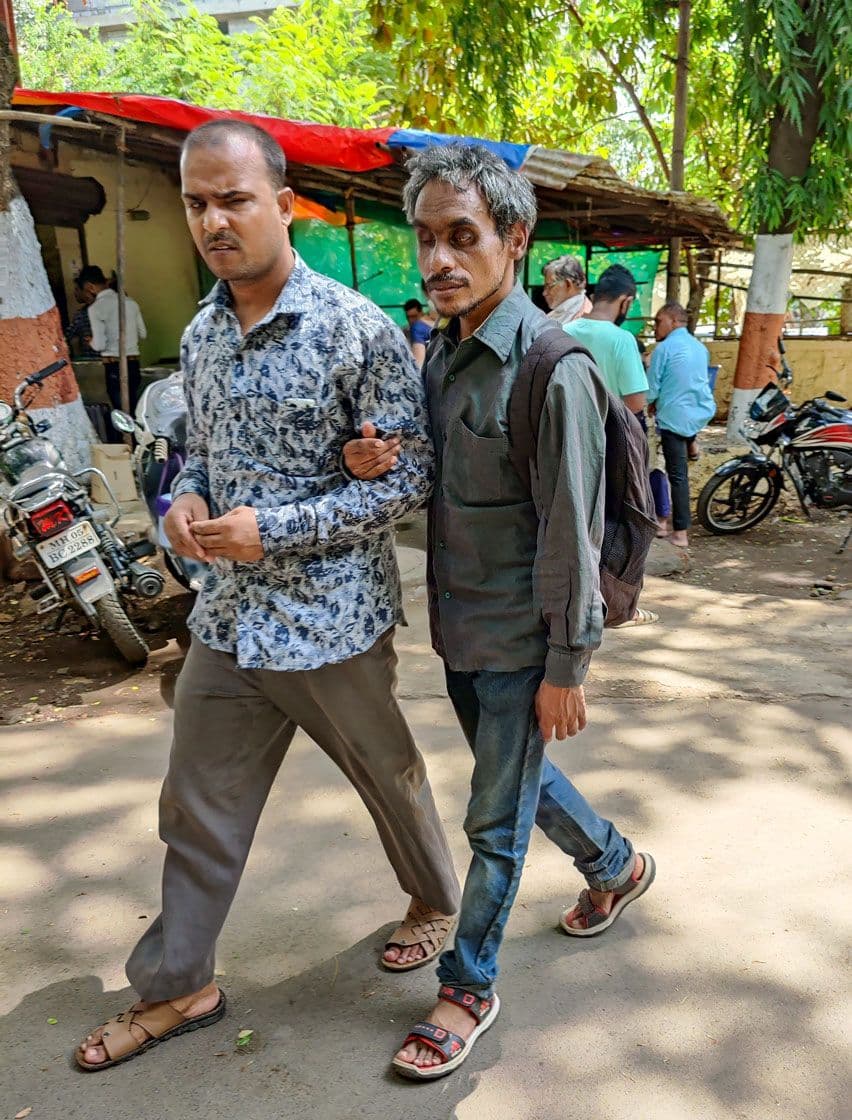
An auto rickshaw drives up to the entrance of Central Hospital Ulhasnagar in Thane district. Holding a white-and-red cane in his left hand, Dnyaneshwar gets out of the rickshaw. His wife Archana follows him, holding onto Dnyaneshwar’s shoulder, her slippers splashing in the muddy water.
Dnyaneshwar draws two notes of Rs. 500 each from his shirt pocket and hands one of them to the rickshaw driver. The driver returns some change. Dnyaneshwar touches the coin. “Five rupees,” he says as he puts the coin into his pocket, carefully feeling it drop. The 33-year-old lost his vision to a corneal ulcer when he was three.
A one-way rickshaw ride for a dialysis session for Archana at the Ulhasnagar hospital – 25 kilometres from their home in Vangani town in Ambarnath taluka – costs the couple Rs. 480-520. “I borrowed 1,000 rupees from my friend [for this trip],” says Dnyaneshwar. “I have to borrow money every time [we travel to the hospital].” The couple begins walking, with slow, cautious steps, towards the dialysis room on the second floor of the hospital.
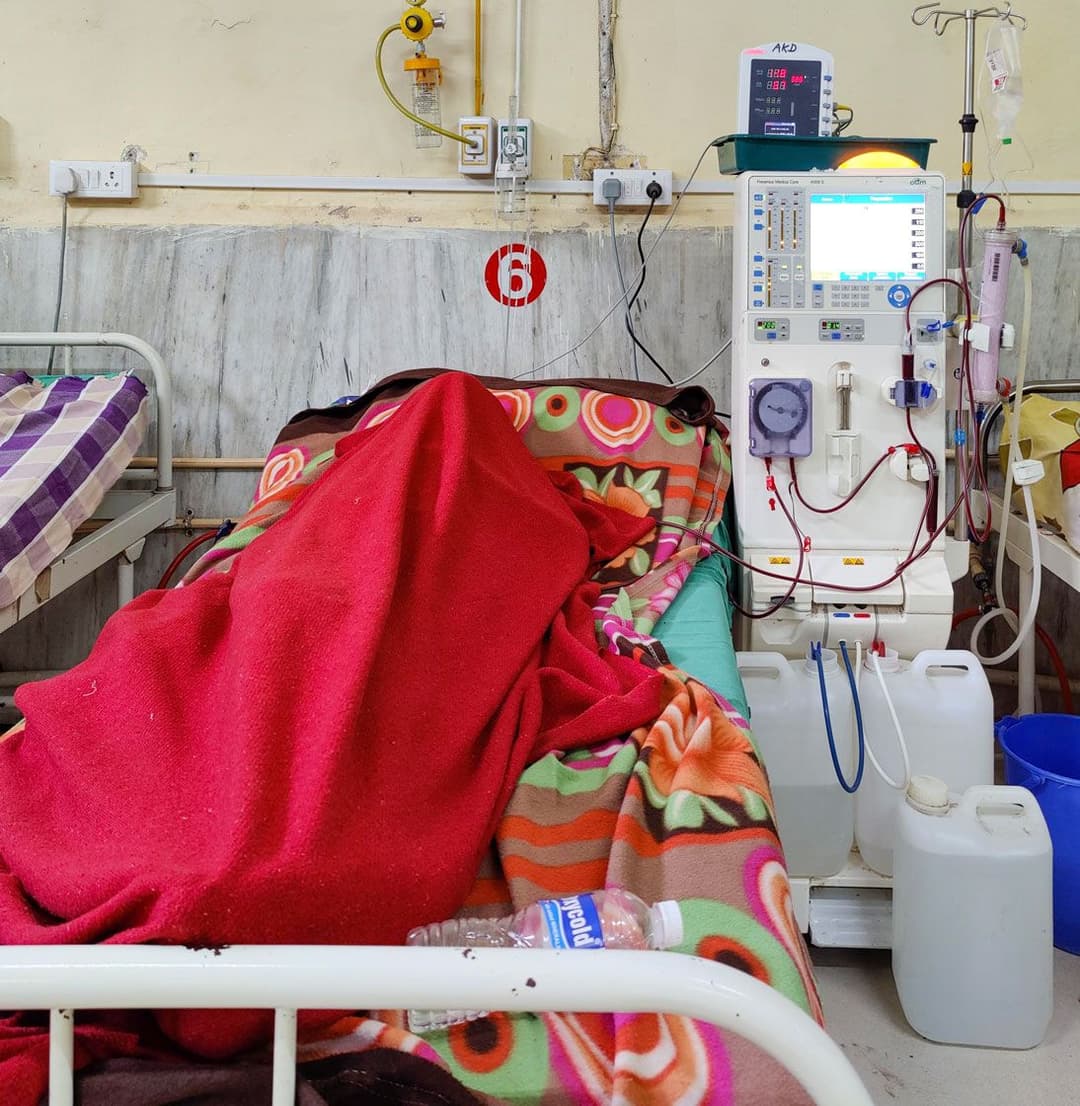
Archana, who is partially blind, was diagnosed with chronic kidney disease in May this year at Mumbai’s Lokmanya Tilak Municipal General Hospital. “Both her kidneys have failed,” says Dnyaneshwar; 28-year-old Archana needs haemodialysis three times a week.
“Kidneys are essential organs of the body – they remove waste and excess body fluid from your system. When they fail, a person needs dialysis or a transplant to stay alive,” says Dr. Hardik Shah, a nephrologist at Central Hospital Ulhasnagar. Every year, India reports around 2.2 lakh new patients of End Stage Renal Disease (ESRD), creating an additional demand for 3.4 crore dialysis procedures.