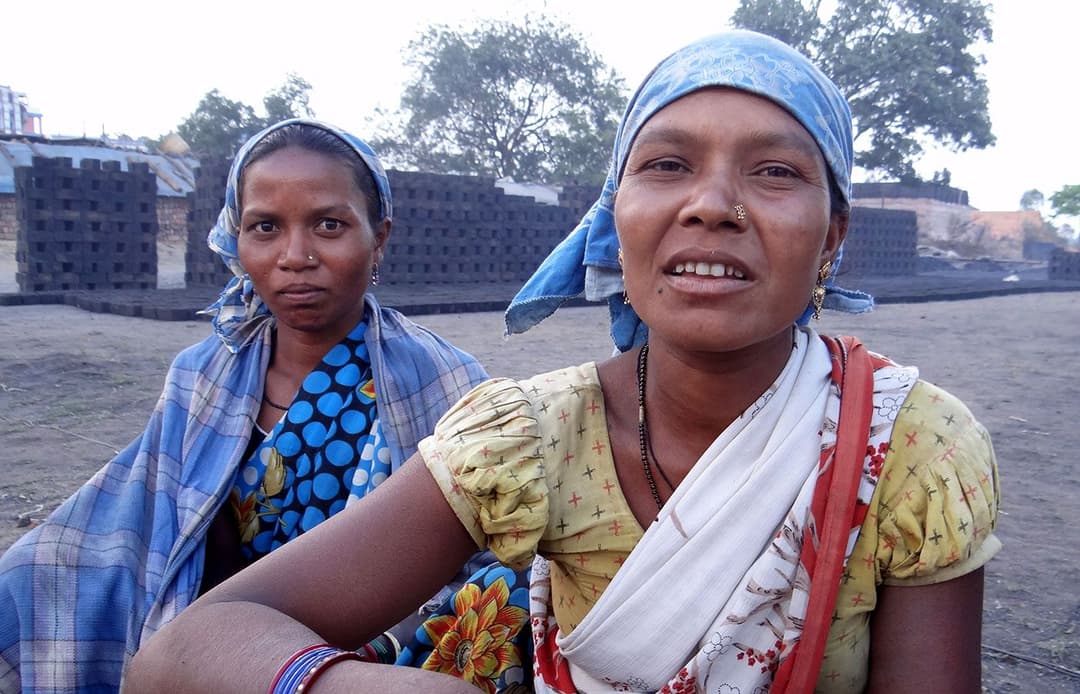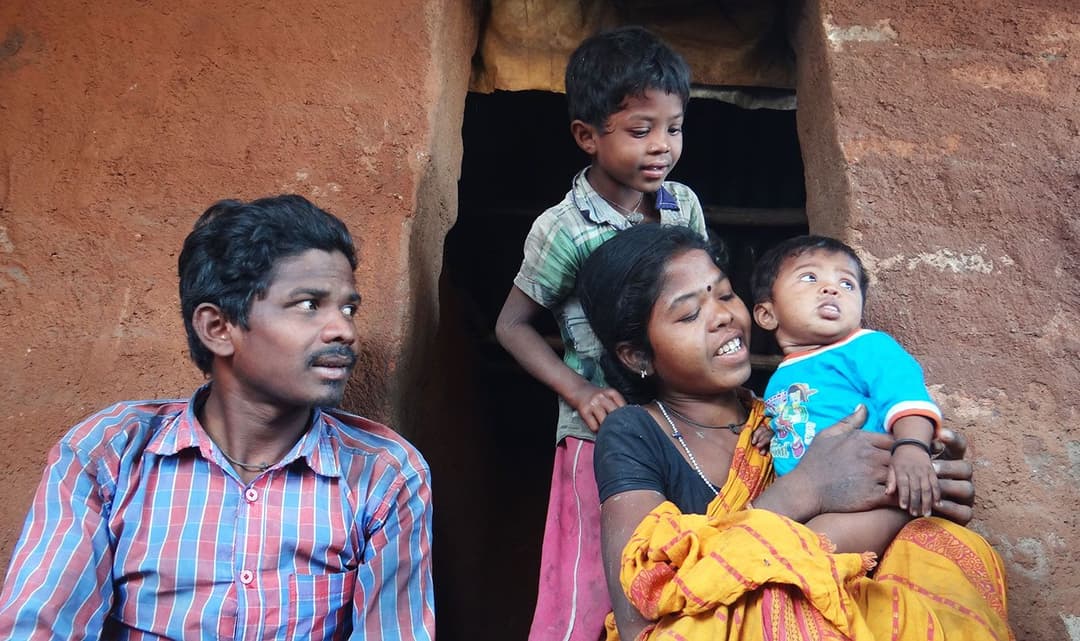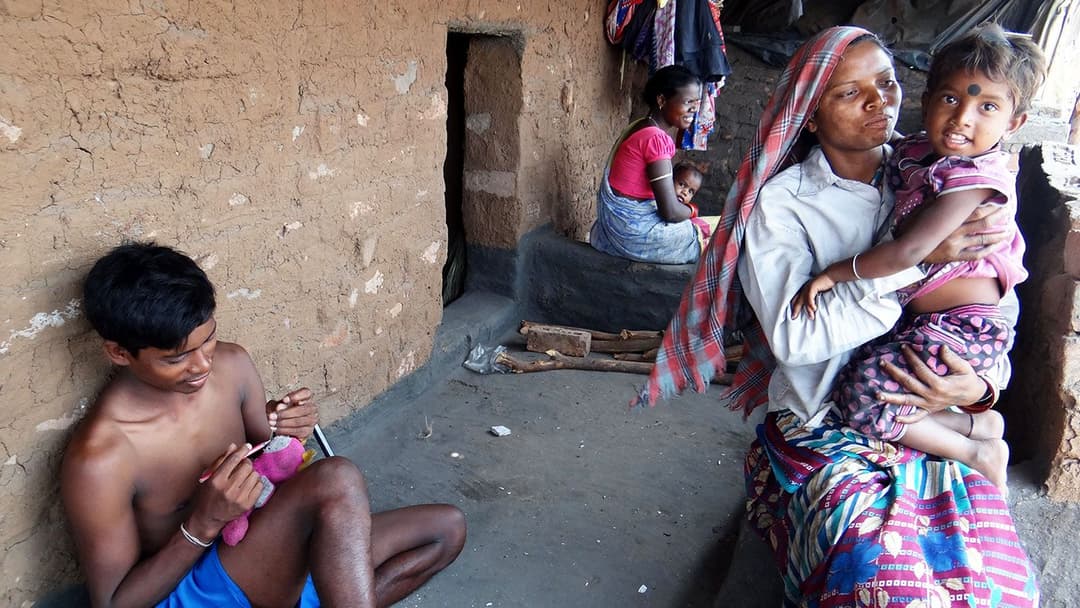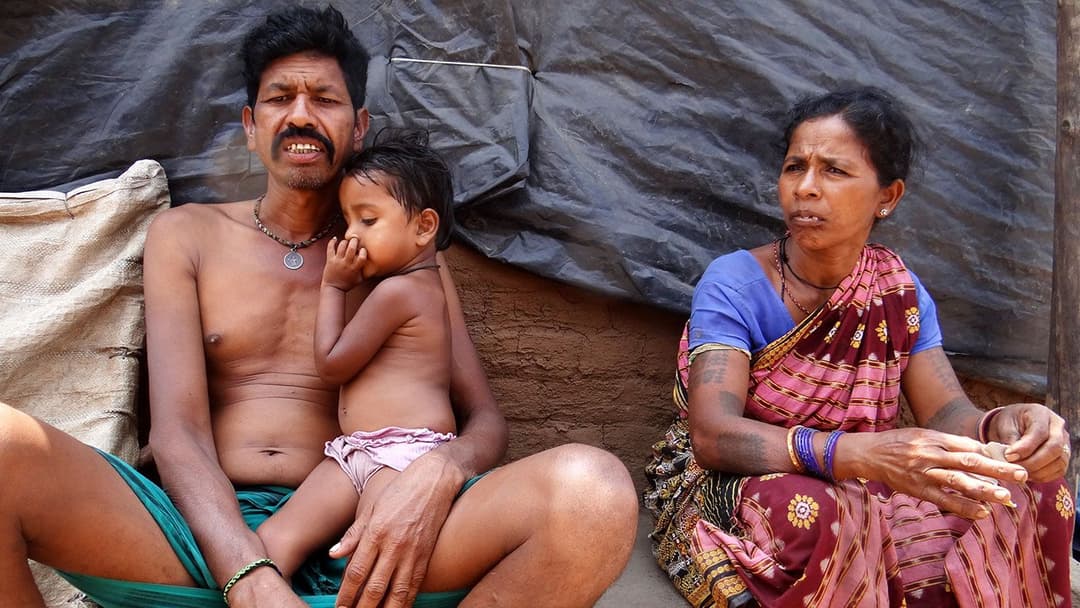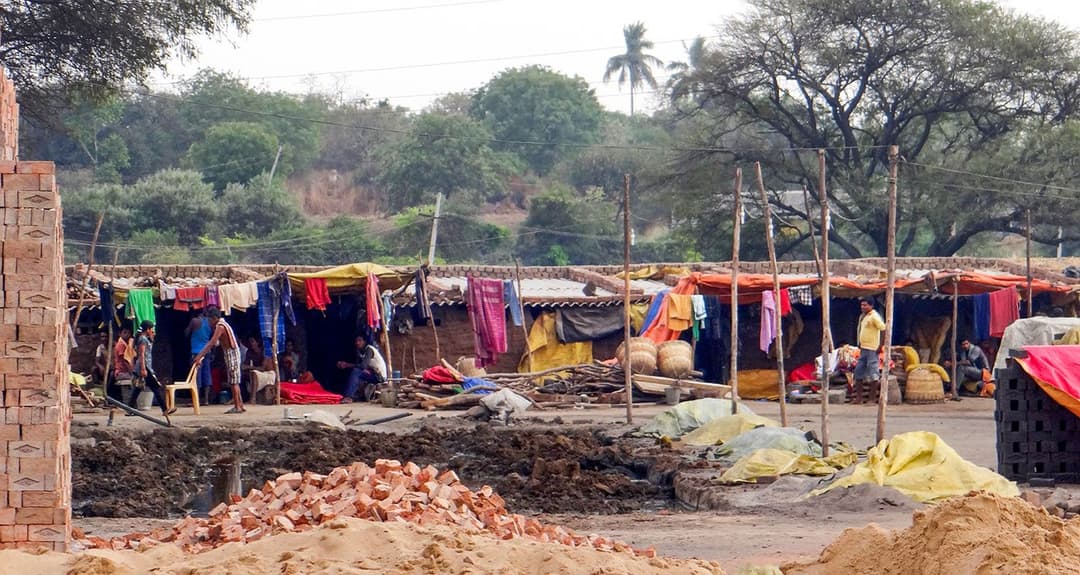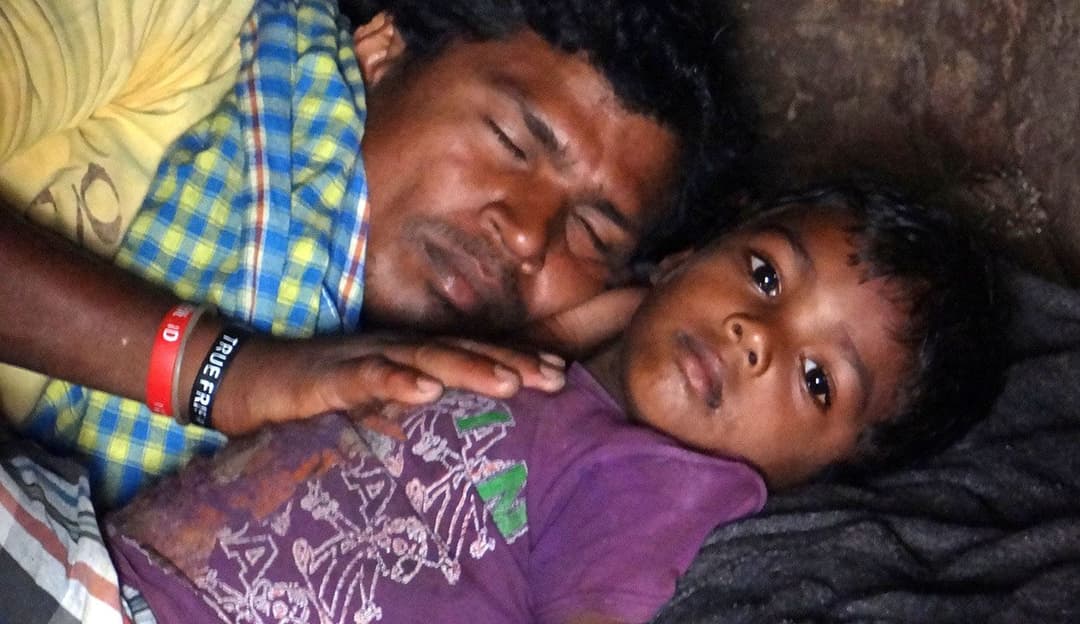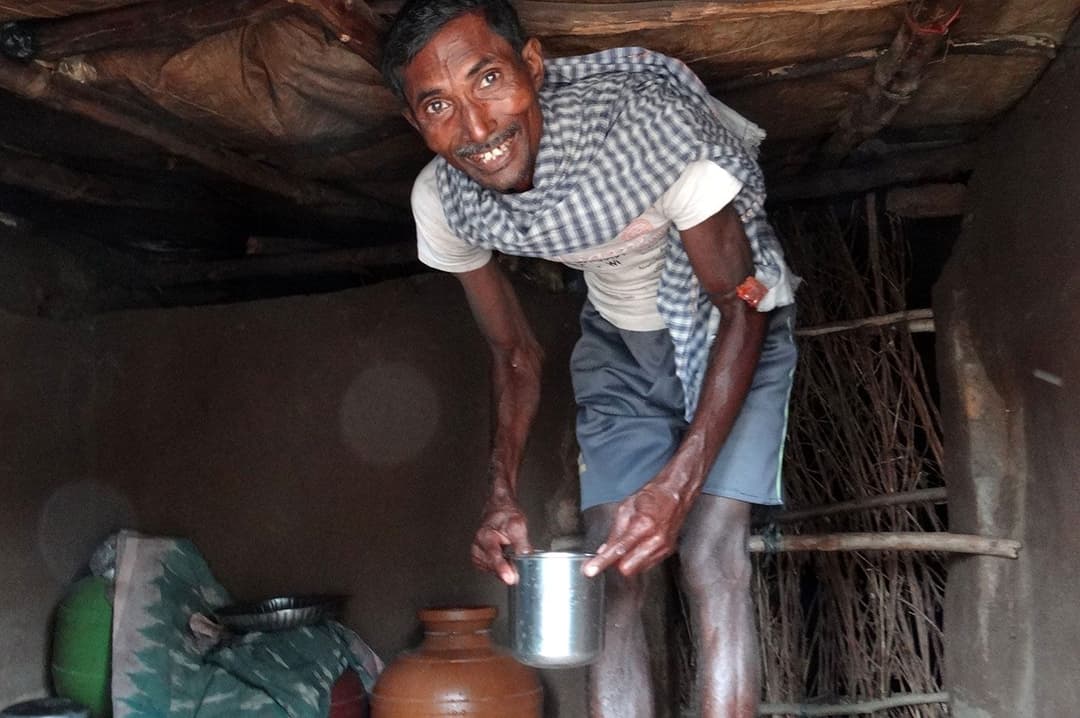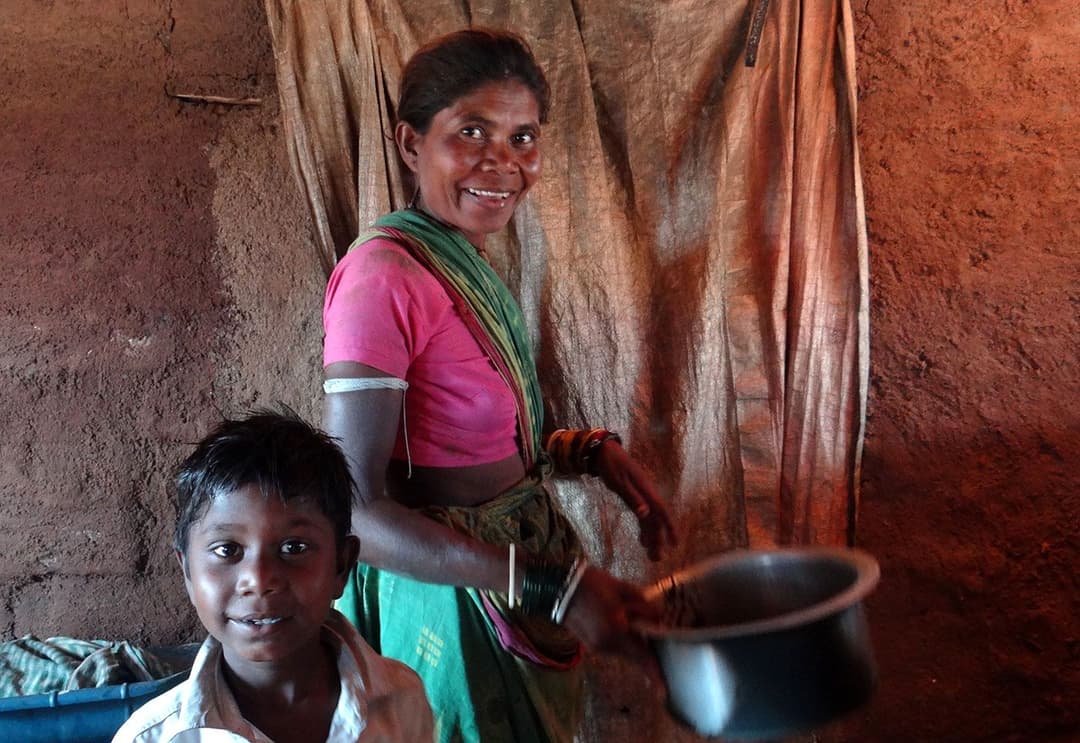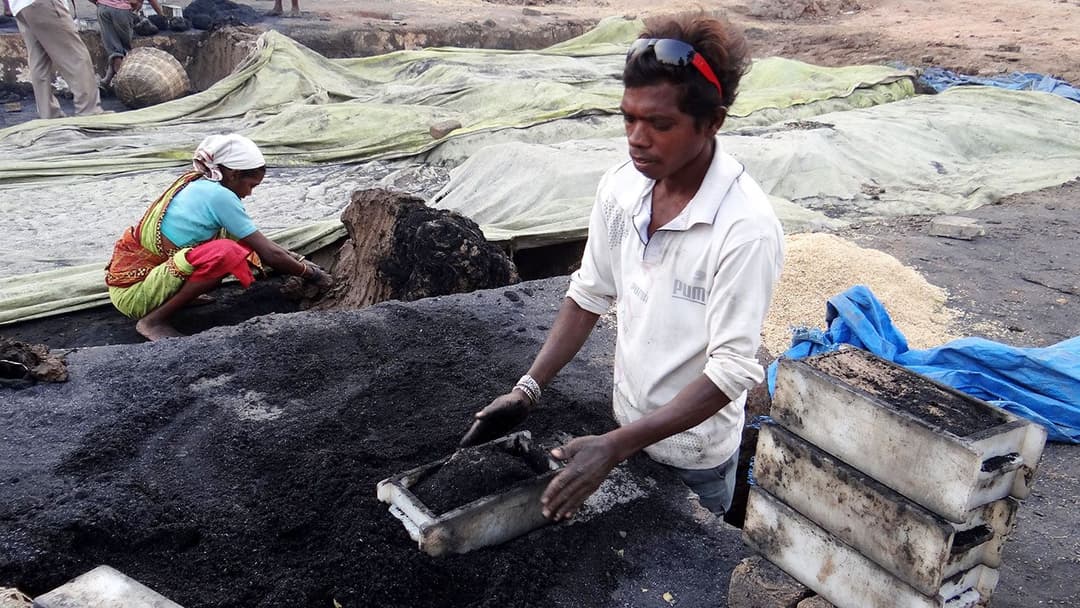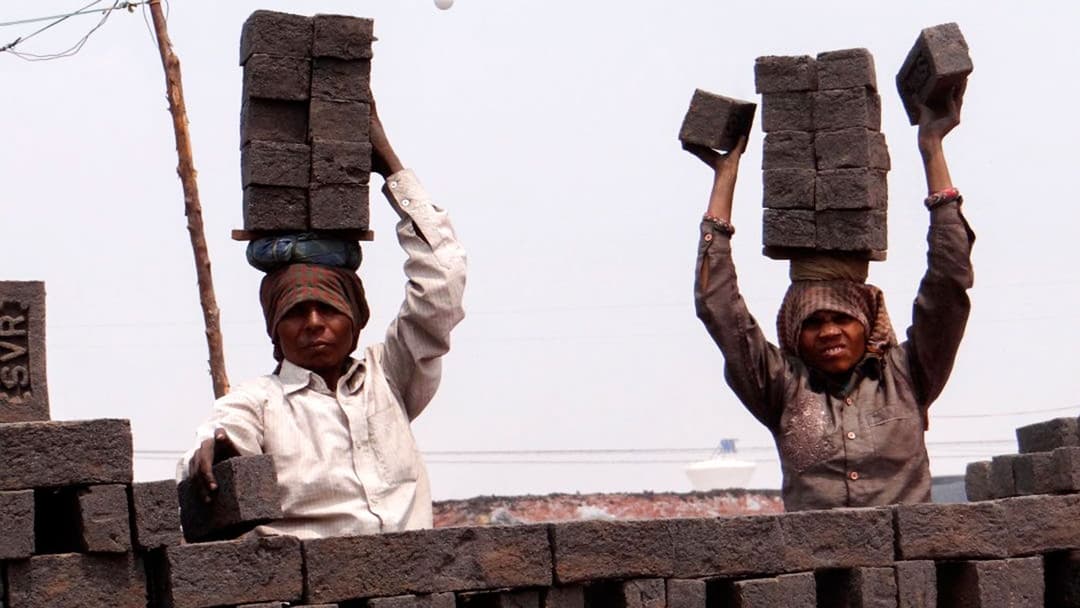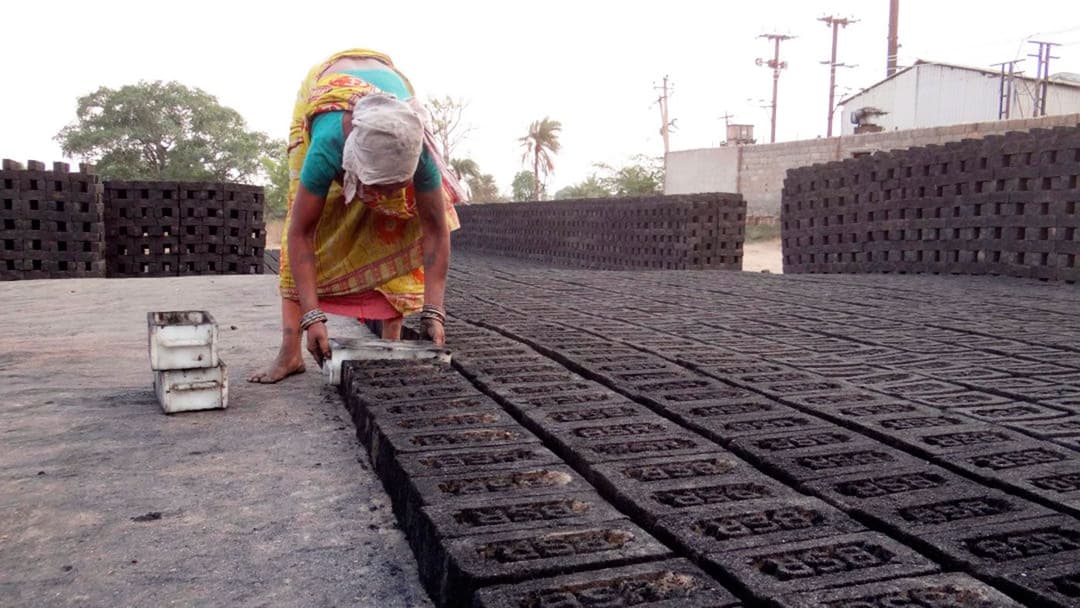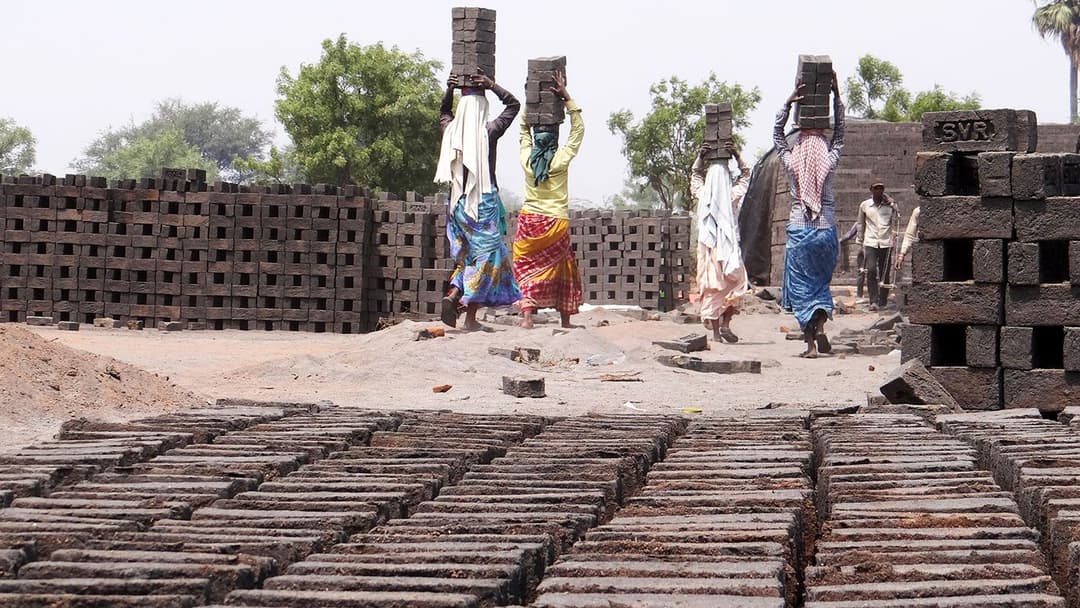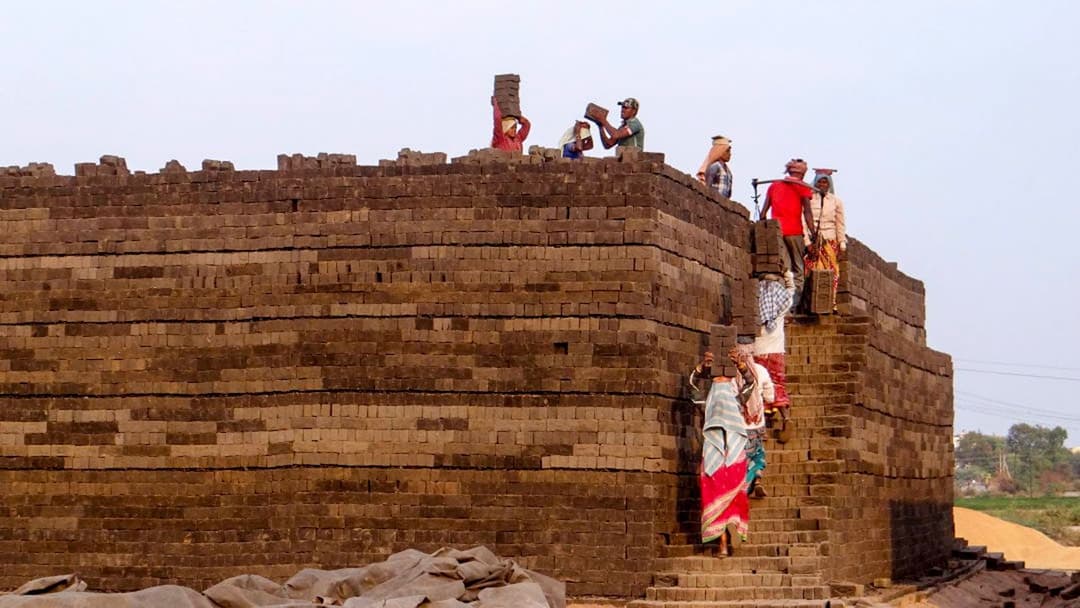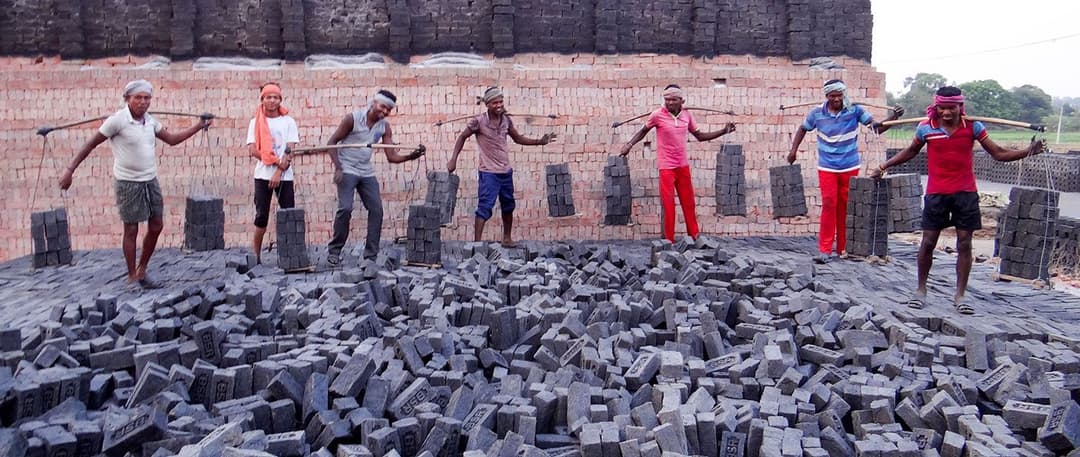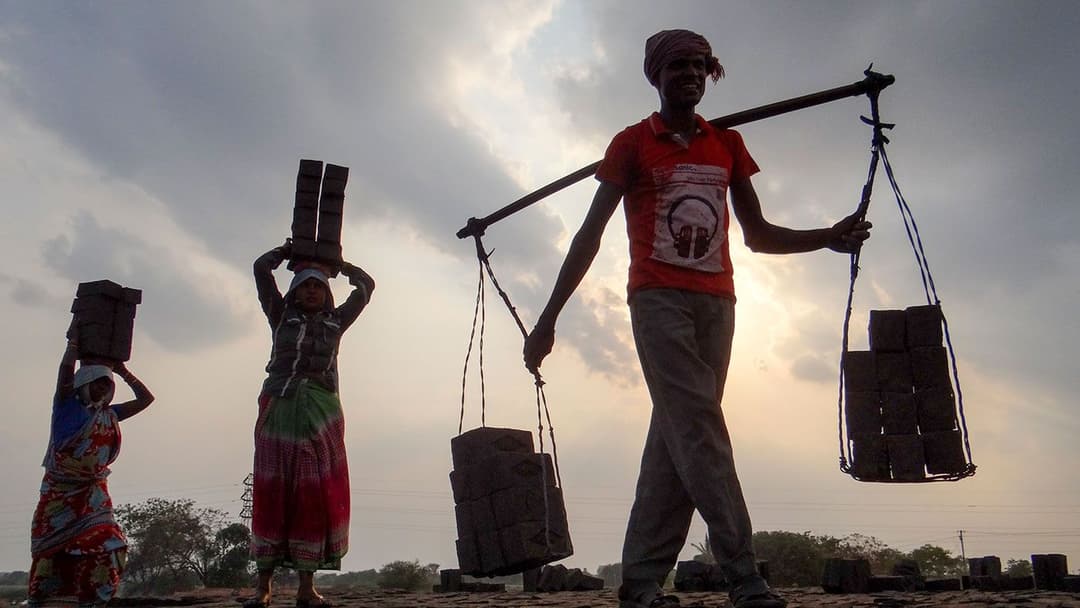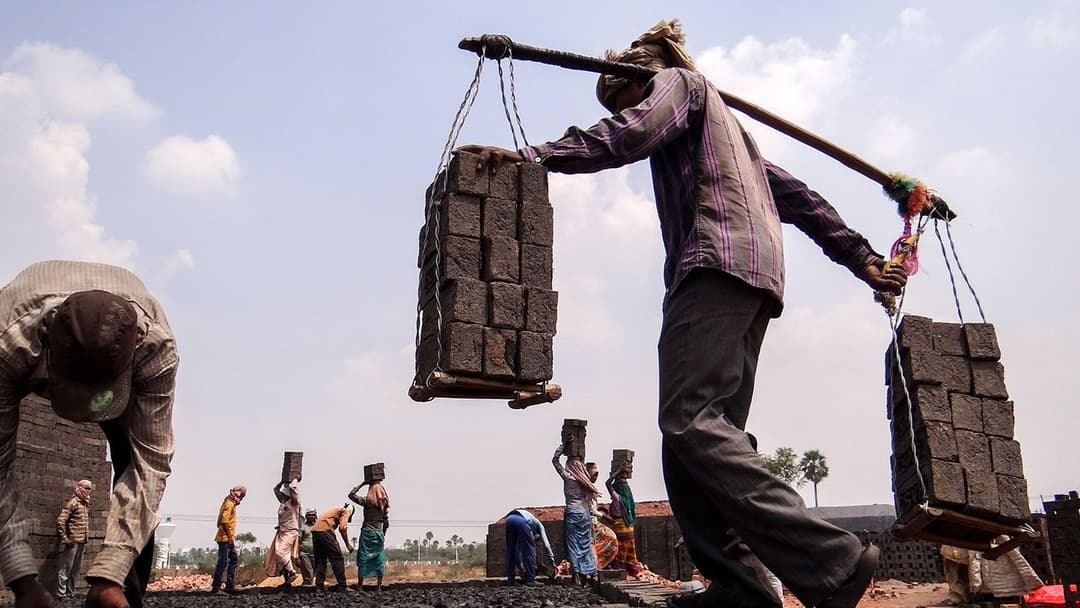
Baidehi and her husband have been working at a brick kiln in Domadugu village of Gummadidala block in Telangana’s Sangareddy district for over a decade. They come here every year from Kurumpuri panchayat of Nuapada district. “We took an advance of Rs. 20,000 from the seth,” Baidehi says. Additionally, the kiln owner pays them Rs. 60 a day as food allowance. “Please ask the seth to pay us at least Rs. 80 so that we can sleep only half-hungry.”
I met Baidehi’s family in 2017, when I revisited the brick kilns of Telangana, in Rangareddy, Sangareddy and Yadadri Bhuvanagiri districts.
Many years before this, when researching and reporting on migration from Kalahandi (now sub-divided into Nuapada district) and adjoining Bolangir (or Balangir, now sub-divided into Sonepur district, which is now called Subarnapur) in the 1990s, I had come across four kinds of migrations:
People who migrated to Raipur city (now the capital of Chhattisgarh) to work as daily-wage labourers, rickshaw pullers, hotel cleaners and for other forms of labour; those who left for better-irrigated districts such as Bargarh and Sambalpur; youth who shifted to Delhi, Mumbai and other cities mostly to work as construction labourers; and families who moved to brick kilns in Andhra Pradesh (and later also to coastal Odisha).