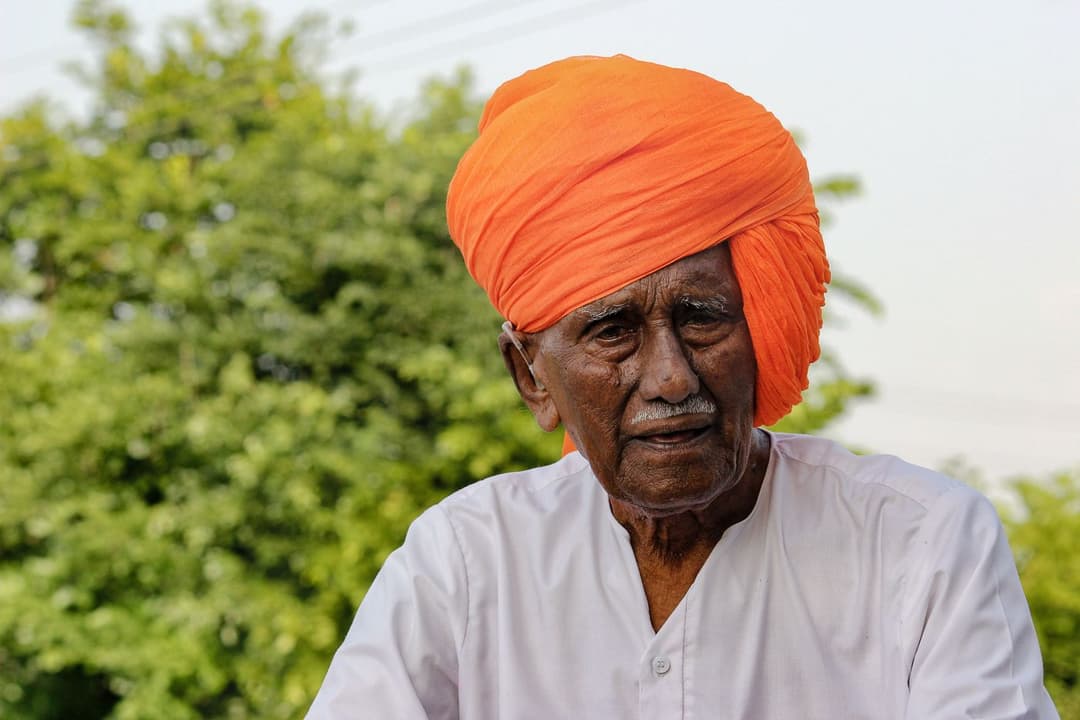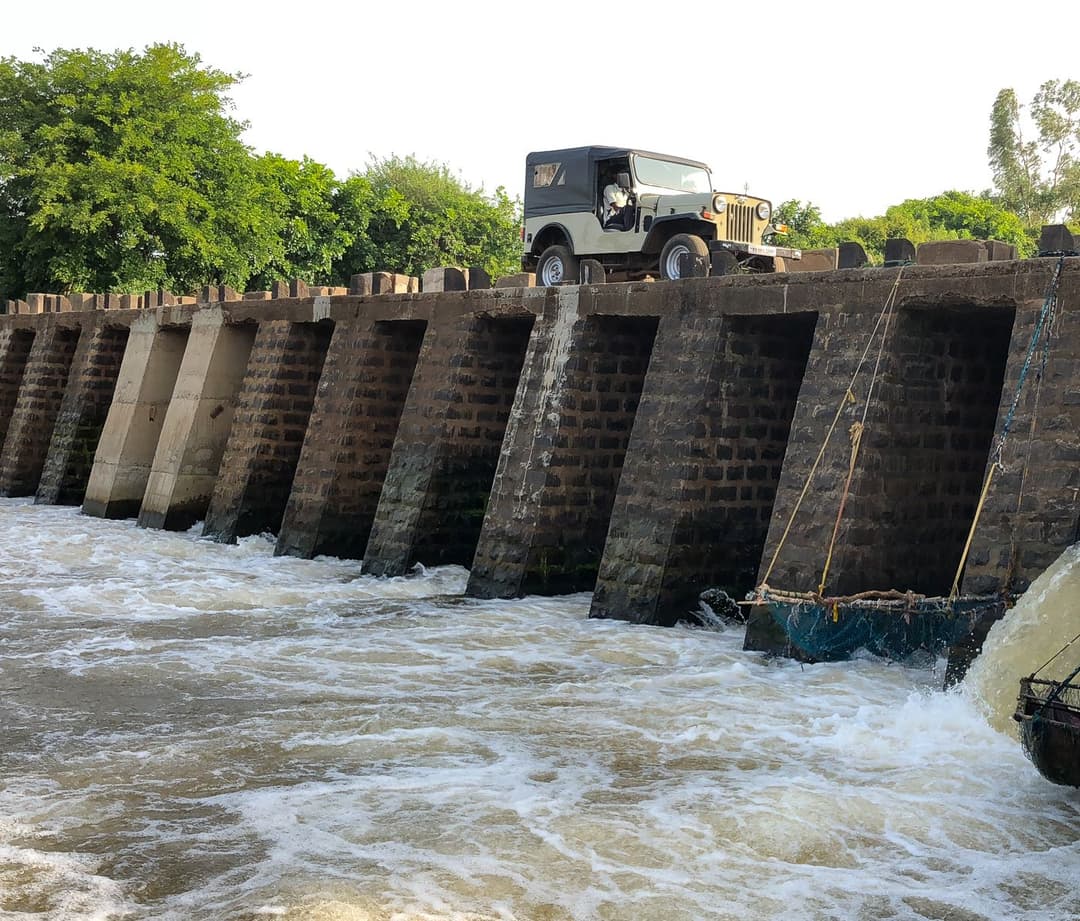


He sits calm and unruffled by the blazing heat on a small bridge atop this compact dam in Kolhapur that he brought into being over half a century ago. Patiently continuing to answer questions we had sprung on him earlier at lunch. He also walks, sprightly and energetic, all over the bridge with us – explaining how this barrage came to life in 1959.
Six decades later, Ganpati Ishwara Patil still has a grasp of irrigation, and understands farmers and farming. He knows the history of India’s struggle for Independence – and was part of it. He is 101 years old and among India’s last living freedom fighters.
“I was just a messenger,” he says, with striking modesty and humility about his life from the 19300s onwards. “A courier for the underground anti-British movements.” That included the banned networks of the communist revolutionary groups, of the socialists – and that of the Congress Party (around the time of the Quit India movement in 1942). He must have been good it – because he never got caught. “I did not go to prison,” he says, almost apologetically. It’s left to others to tell us that he also did not accept the tamra patra (inscribed citation) or even the pension given to freedom fighters after 1972.