
Jab pyar kiya toh darna kya...pyaar kiya koi chori nahi...ghut ghut kar yun marna kya…
Why fear when one is in love...love is not a crime...why suffocate like this and die…
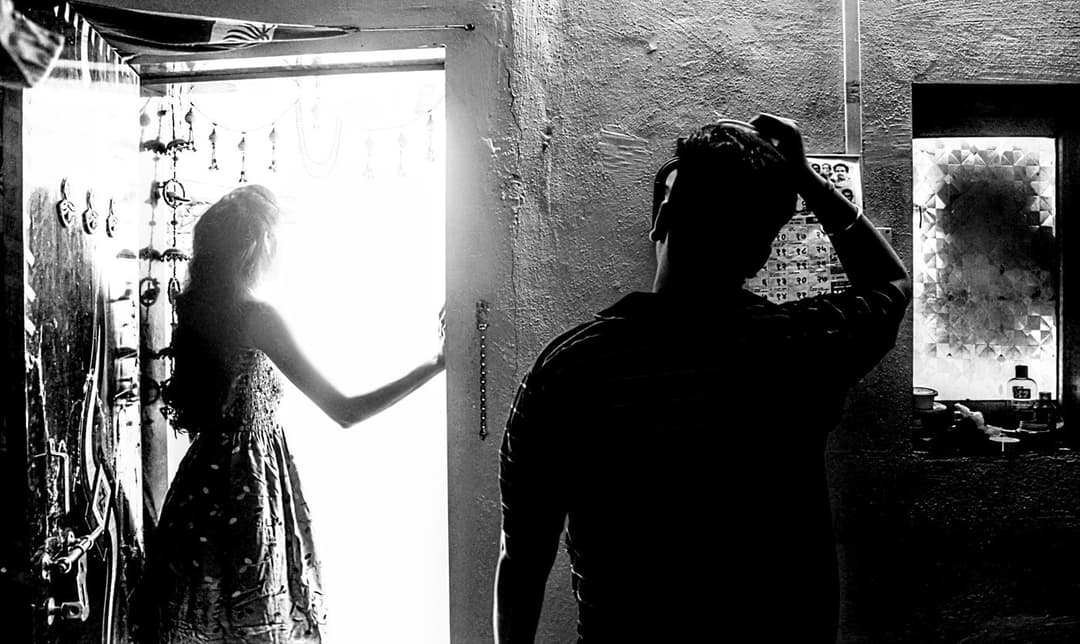
Vidhhi has been humming this song from the ’60s classic film Mughal-e-Azam for a while now. She is in her newly rented room in central Mumbai, and pausing in the middle of her singing she asks, “We too haven’t committed a crime either. Why should we live in fear?”
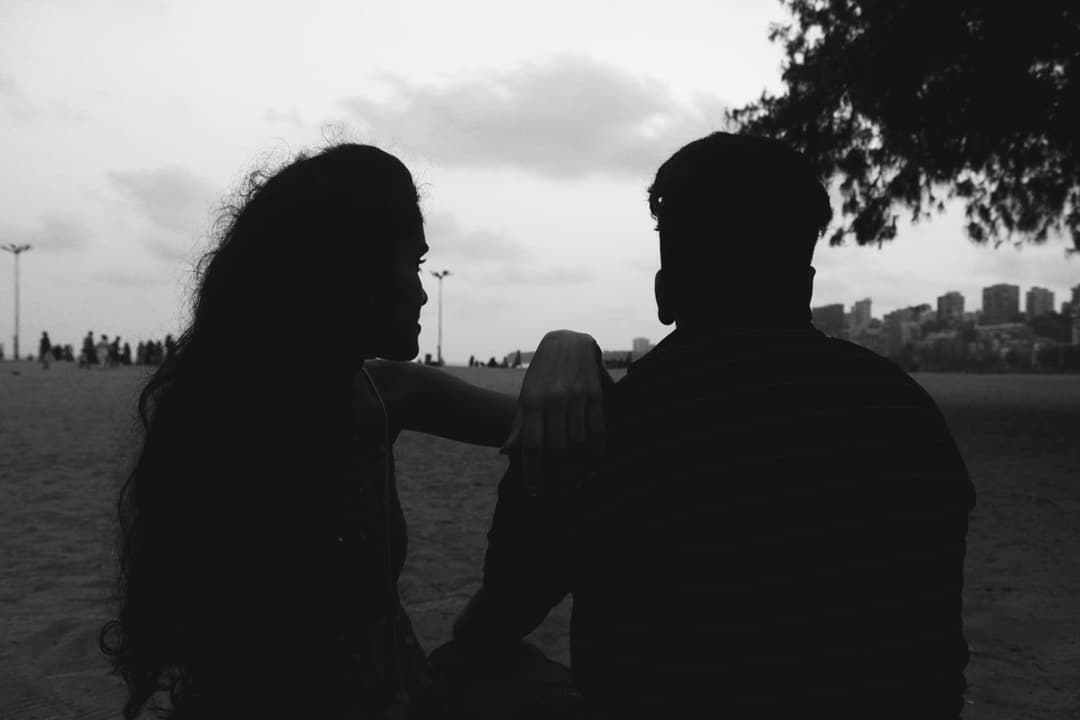
Her question is not rhetorical but a nagging one. The fear of being killed is real for her. She’s been living with it ever since she rebelled against her family and ran away with the person she loved – Aarushi, her classmate in school. The two are in love and want to get married. But the road to legalising their union is long, tedious and fraught with harsh challenges. Their families, they fear, will not approve of their relationship nor will they understand Aarushi’s struggle with her assigned female gender identity. Aarushi identifies as a trans man, and chooses to go by the name Aarush now.
Moving to the metropolis, they thought they had escaped to freedom from their families. Vidhhi’s family lives in a village in Thane district, about 20 kilometres away from Aarush’s village in the neighbouring Palghar district. Vidhhi, 22, belongs to the Agri community, listed as Other Backward Class (OBC) in Maharashtra. Aarush, 23, belongs to the Kunbi community, also an OBC but socially ‘below’ the Agri in the strict caste hierarchy present in their villages.
It has been a year since the two left their homes for Mumbai; they have no plans of returning. Aarush hardly speaks about his family in the village, but does say, “I lived in a kachha house and I was always embarrassed about it. I used to fight with aai [mother] a lot over this,” he says.