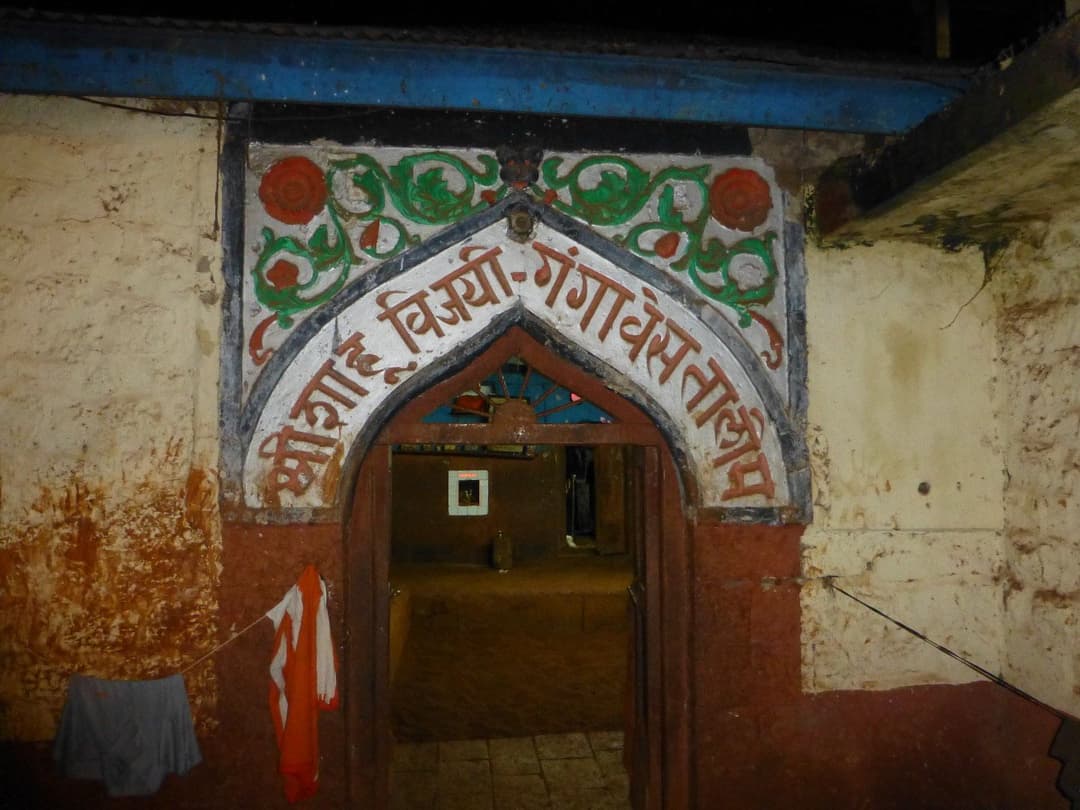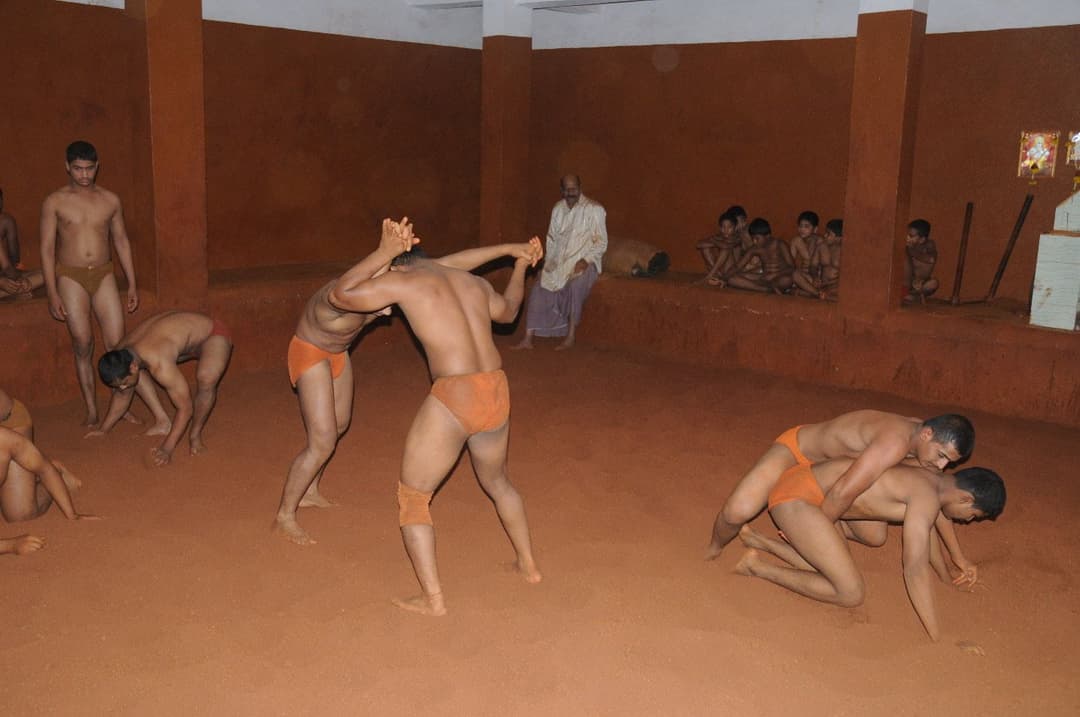

The board above the school entrance says ‘taleem ’ (Urdu for ‘education’). But the first thing you see within is an image of Hanuman, the deity of pehelwans here. The culture is a colourful blend. Wrestling schools in rural western Maharashtra are called taleems, not akharas. That’s a throwback to the pre-partition Punjab with whose taleems they developed strong links over 100 a hundred years ago. Particularly in the time of Shahu Maharaj, ruler of the erstwhile princely state of Kolhapur and famous as a social reformer. He was also a great wrestling enthusiast who brought grapplers from all over undivided India, many of them from the Punjab, to Kolhapur.
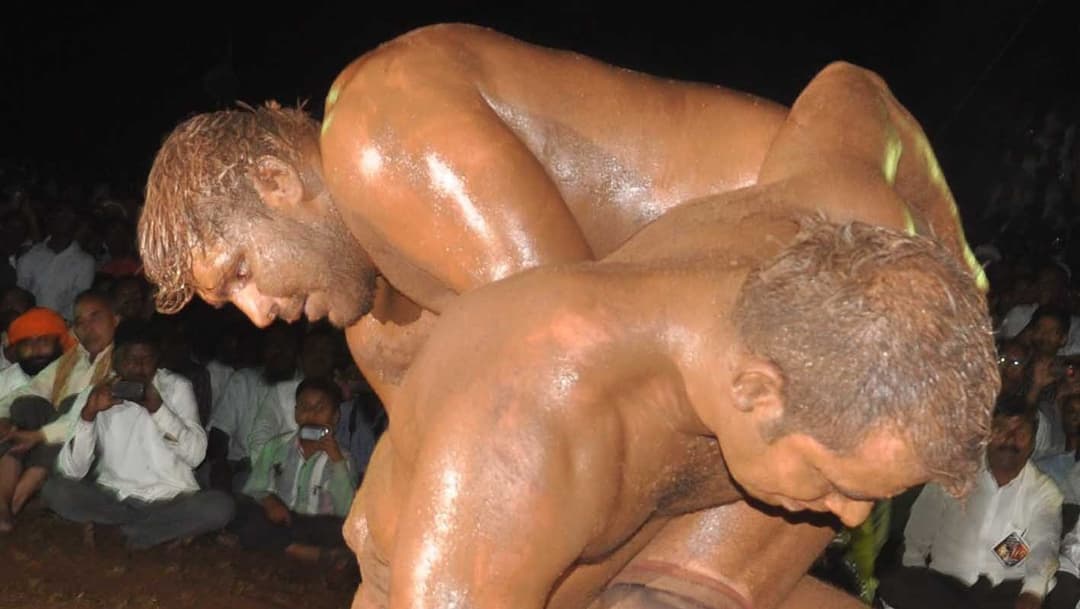
To this day, huge tournaments in rural western Maharashtra feature top wrestlers from Pakistan, Iran, Turkey and even some African nations. The fighters from Pakistan and Iran have a fan following amongst the overwhelmingly Hindu male audiences here. “The crowds are riveted by the outside wrestlers,” says Vinay Kore, member of the legislative assembly (MLA) from Kolhapur. Kore, who heads a major cooperative sugar factory and dairy complex, runs a unique tournament in the state. The one at Warananagar in Kolhapur district which boasts the largest wrestling maidan in Maharashtra. It is held on December 13 every year.
“Up to 3 lakh people can gather,” says Kore. “Sometimes there are huge headaches with visas. One year, the visas for the Pakistanis came very late. Their wrestlers had to then fly from Islamabad to Delhi, from there to Pune, from where we picked them up and drove them to Warana. Meanwhile, a crowd of lakhs waited patiently for them for 12-13 hours.”
At the taleems, Maharashtra’s wrestling gurus emphasise an ethical and moral instruction that blends the spiritual and the secular. Many teachers tell their students about the legendary Gama pehelwan (the one undefeated wrestler of his time who vanquished the world’s greatest). Gama, born Ghulam Muhammad in the Punjab, was a Muslim who stayed on in Pakistan after 1947. Teachers tell their students of the time he stood like a rock outside the colony of his Hindu neighbours facing down a violent mob during the partition riots. “That is how a wrestler should be,” is the common refrain.