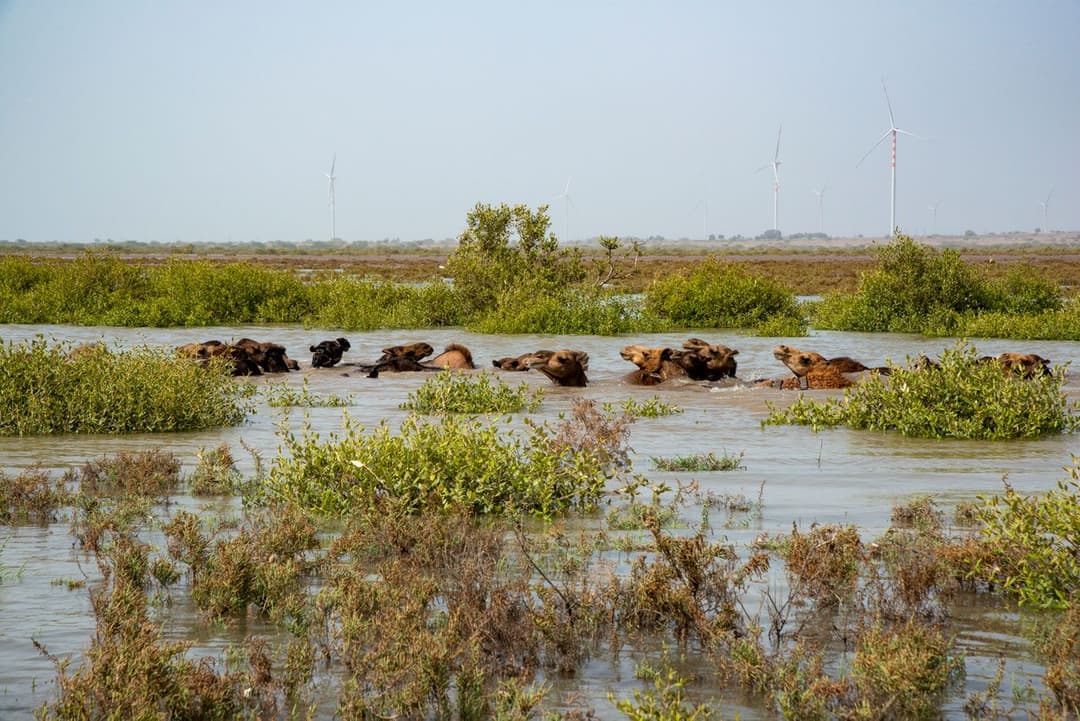
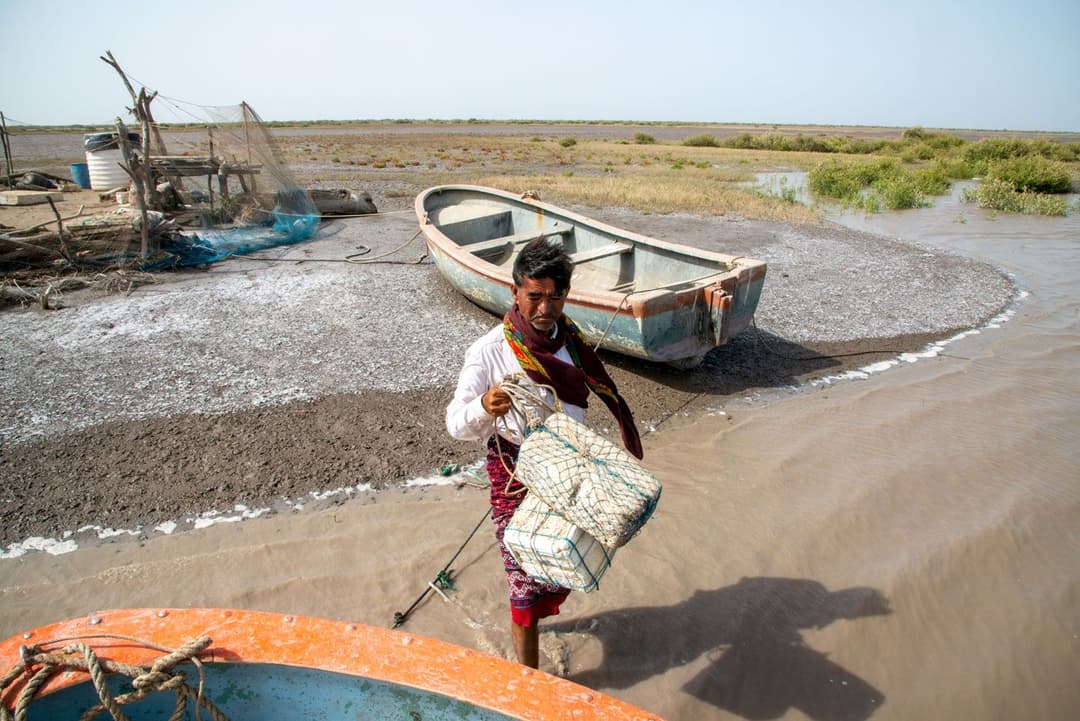
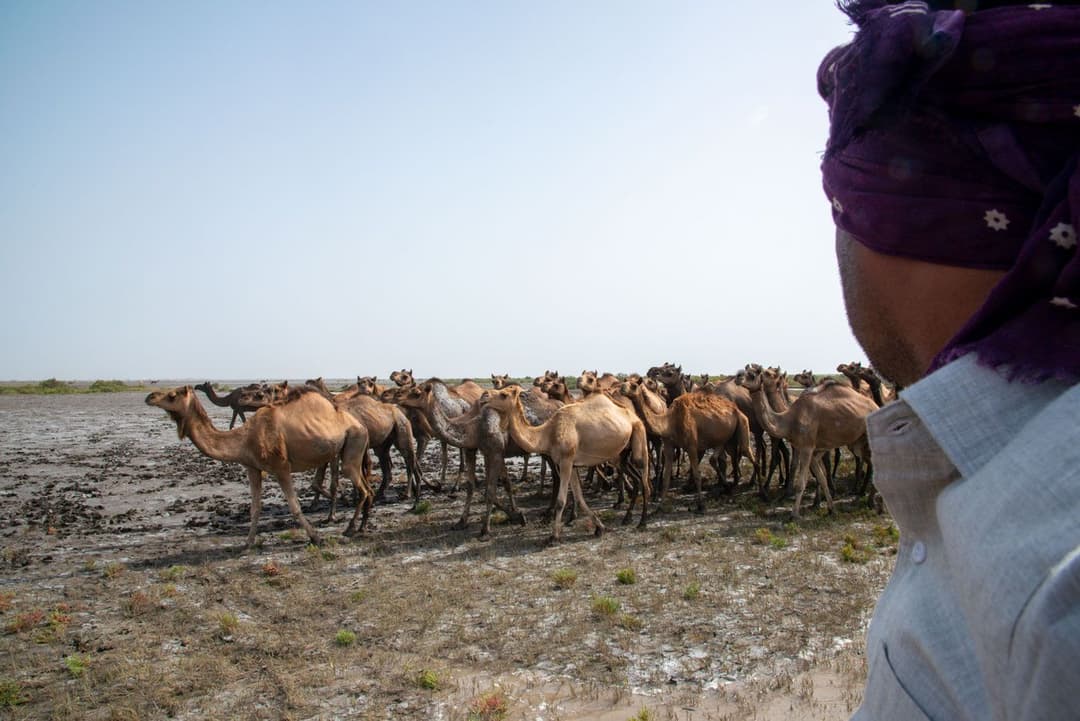
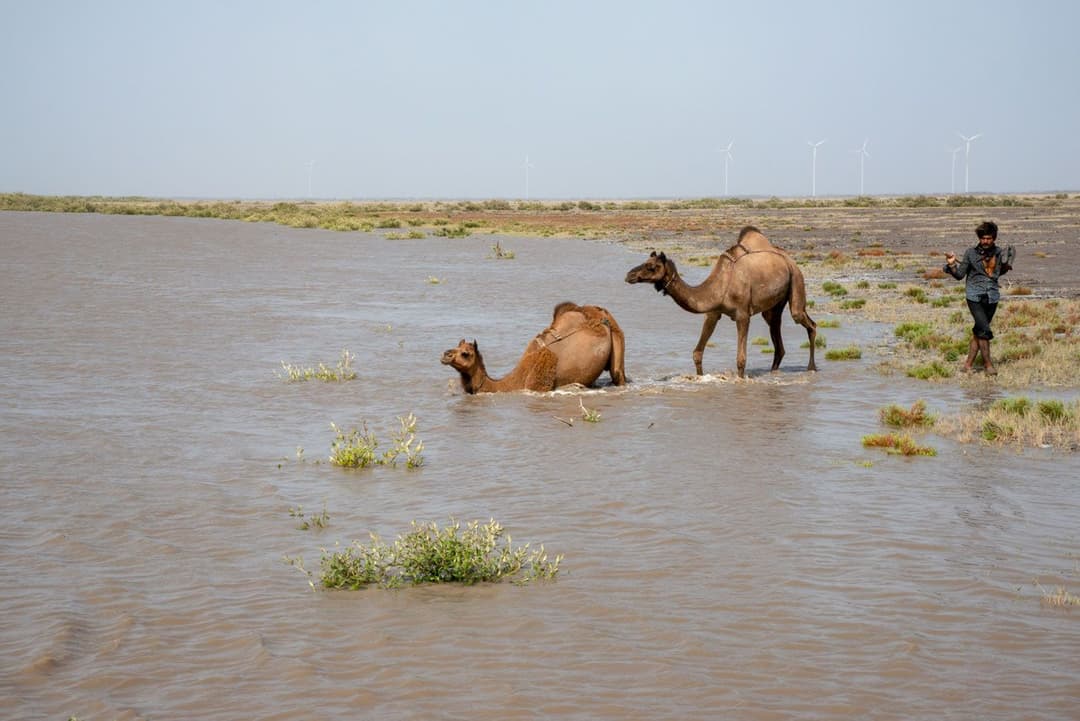
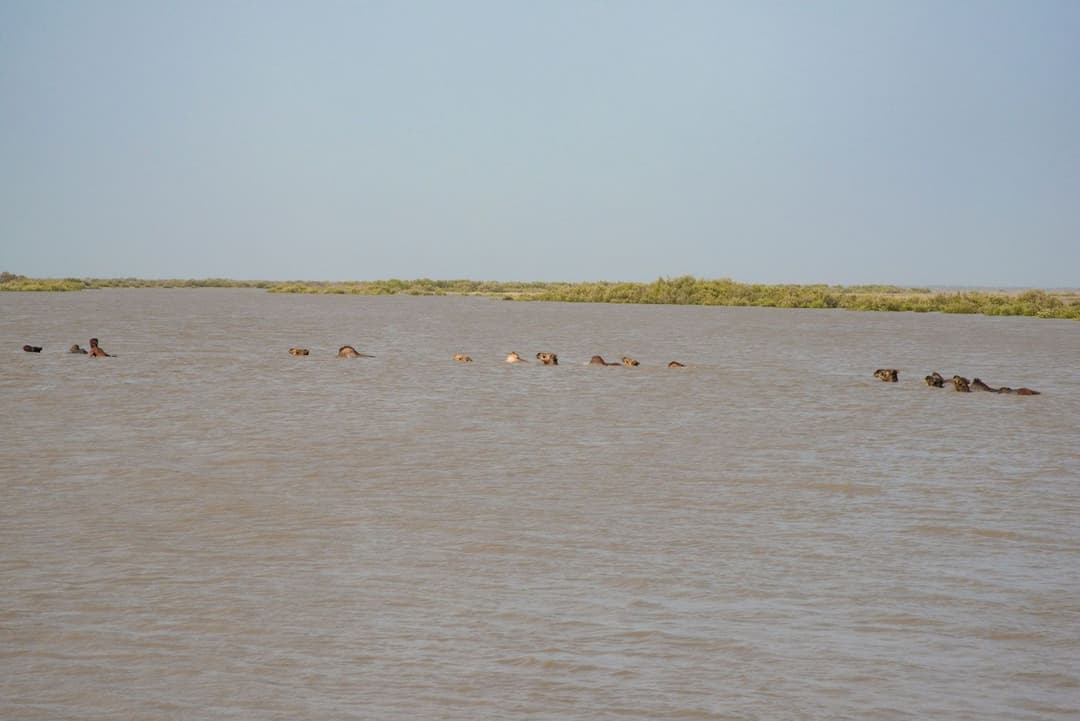
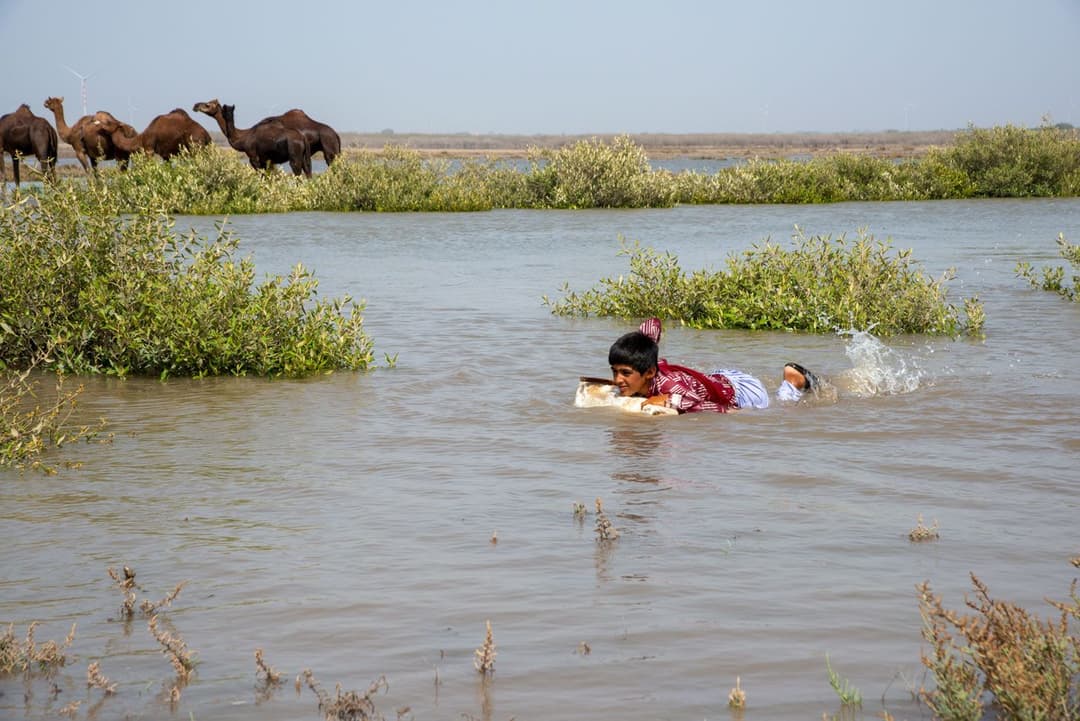
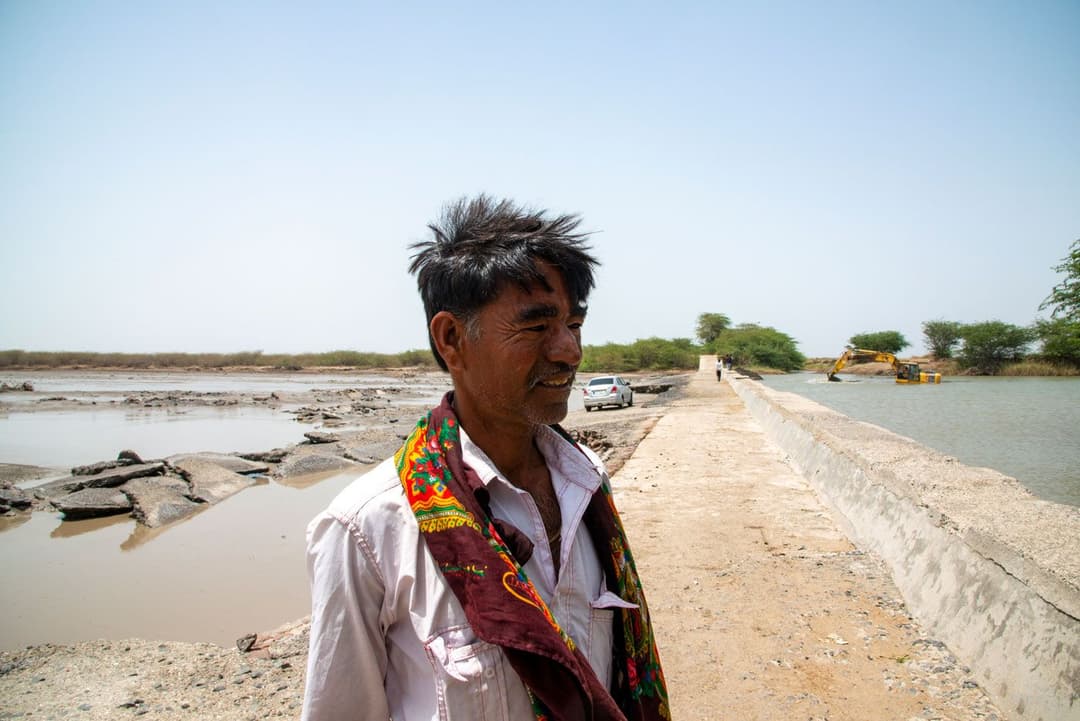
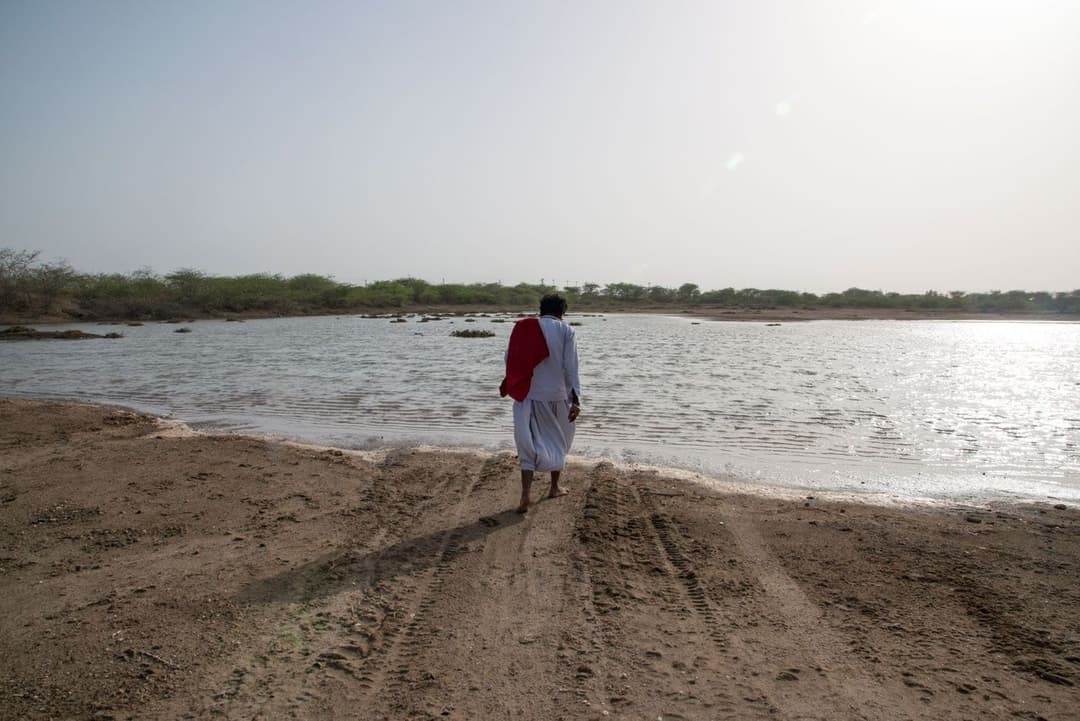
Jamnagar and surrounding areas have seen quite some industrialisation since the 1980s. “There is the effect of salt pan industries, oil jetties, and other industrialisation in these areas,” points out Rituja. “They face few difficulties in having land diverted for their use – for their ease of business! But the department becomes conservationist when it comes to the subsistence occupation of pastoralists. Which, incidentally, runs counter to Article 19(g) of the Constitution, which guarantees the right ‘to practise any profession, or to carry on any occupation, trade or business’.”
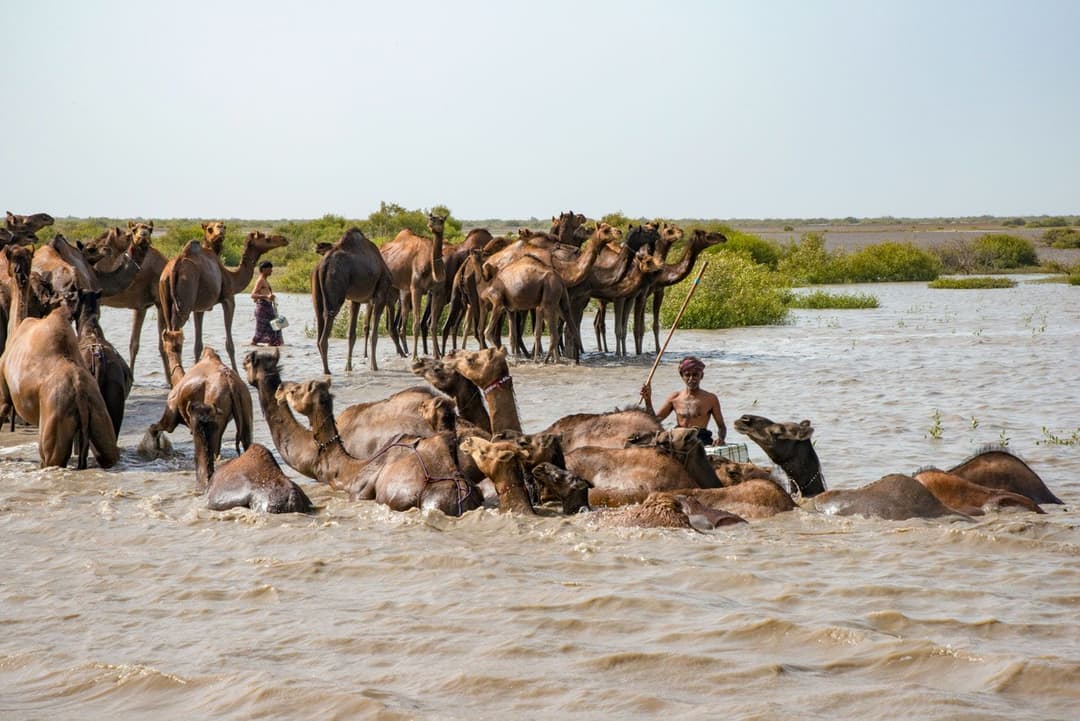
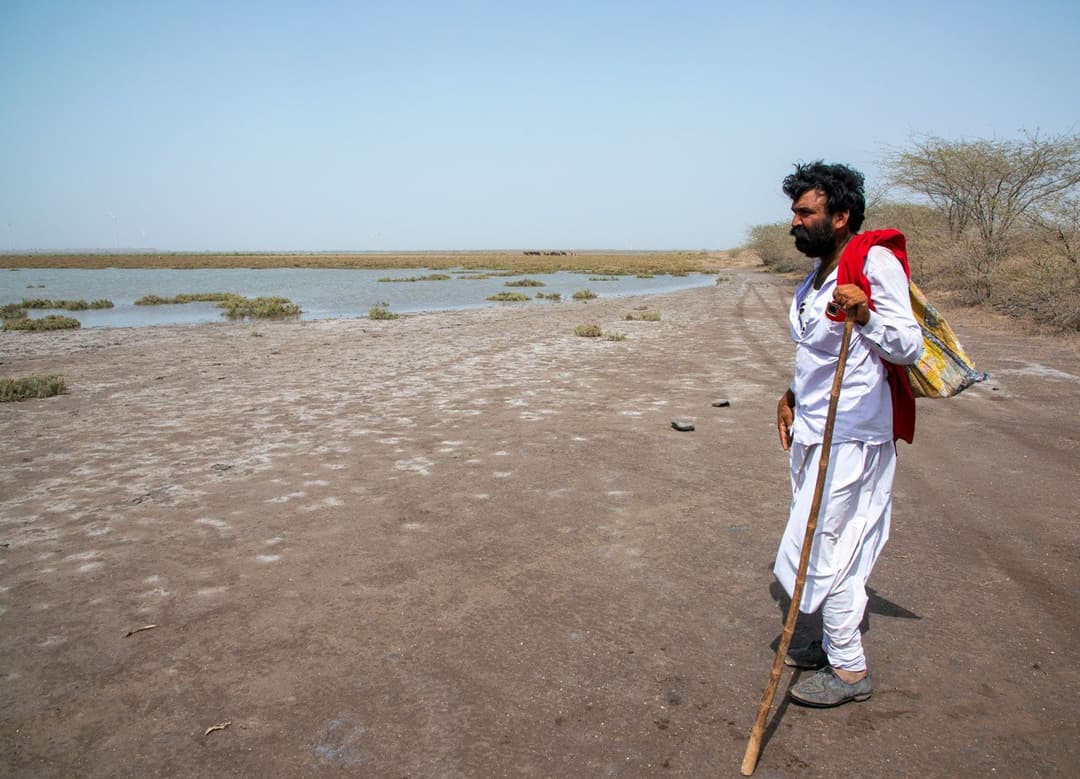
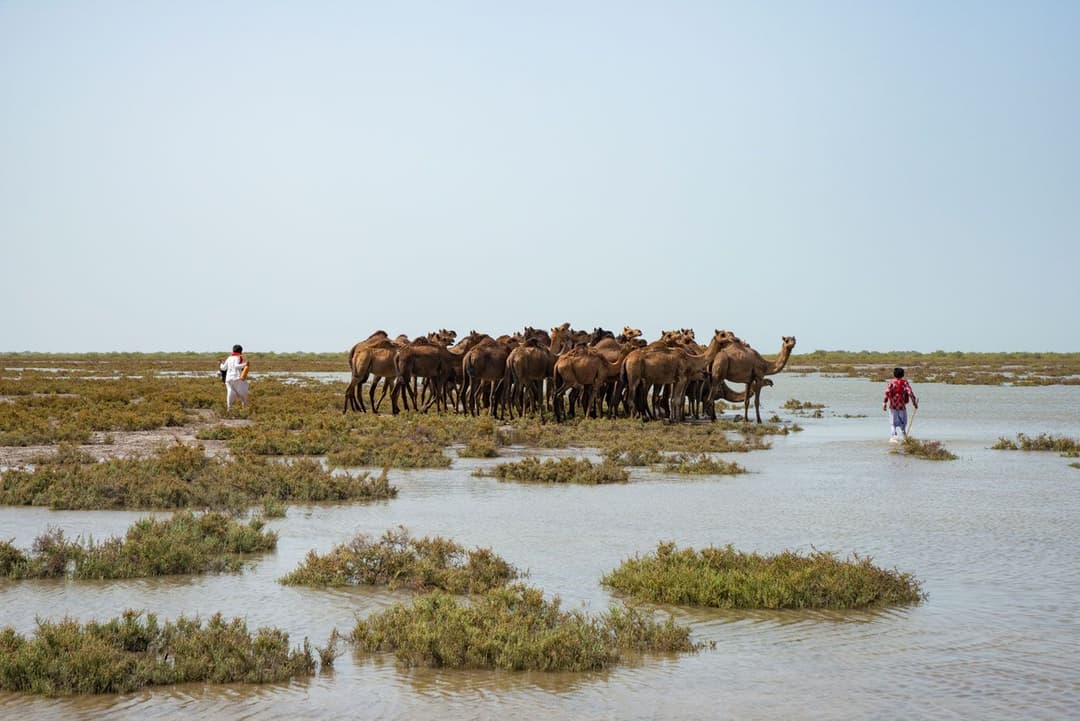
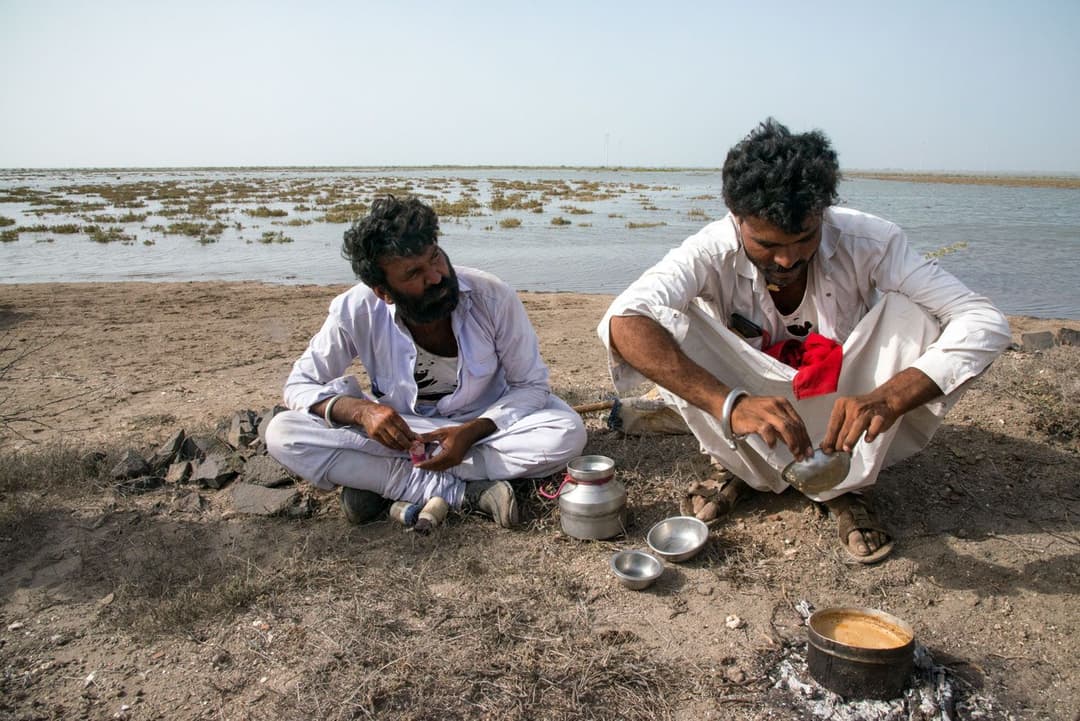
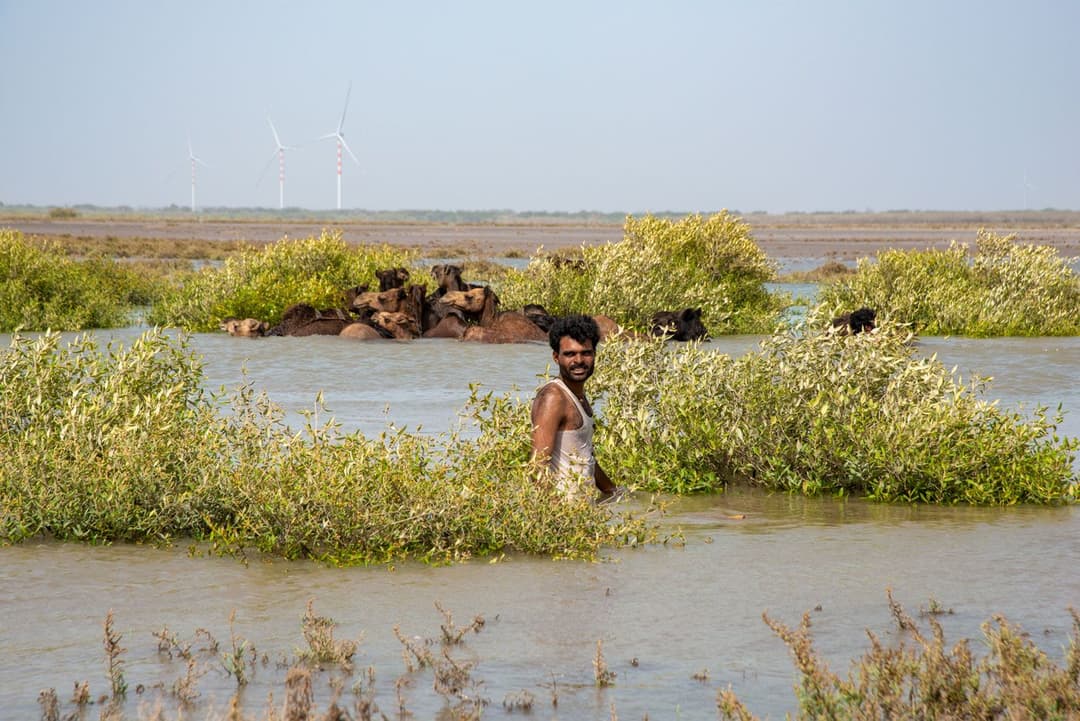
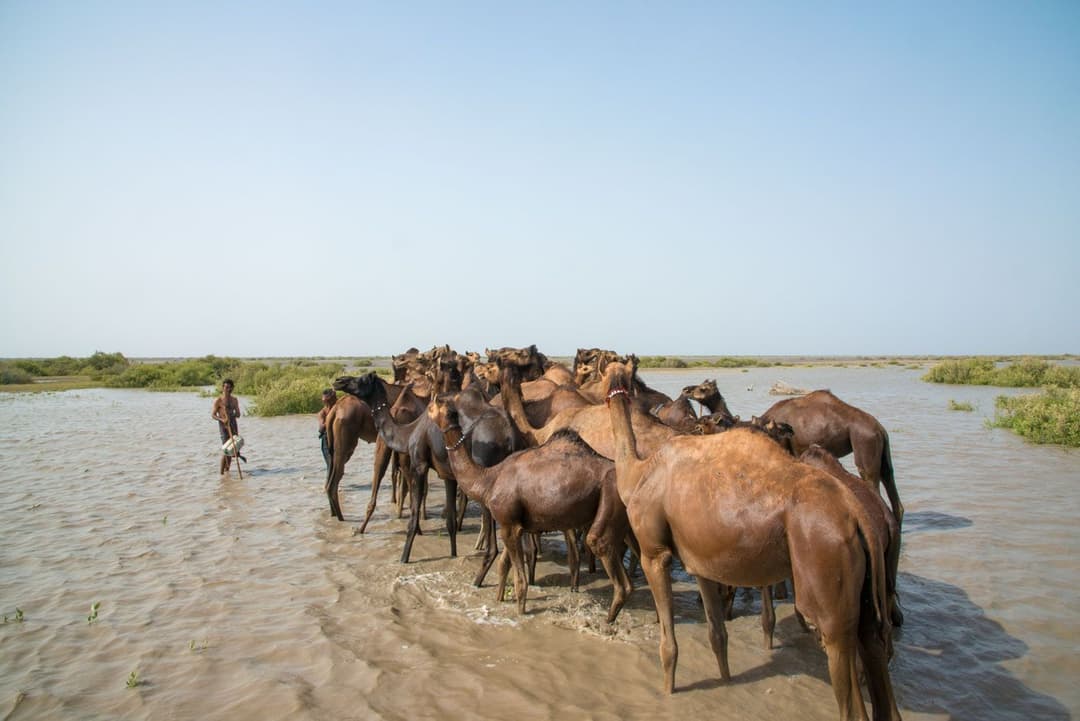
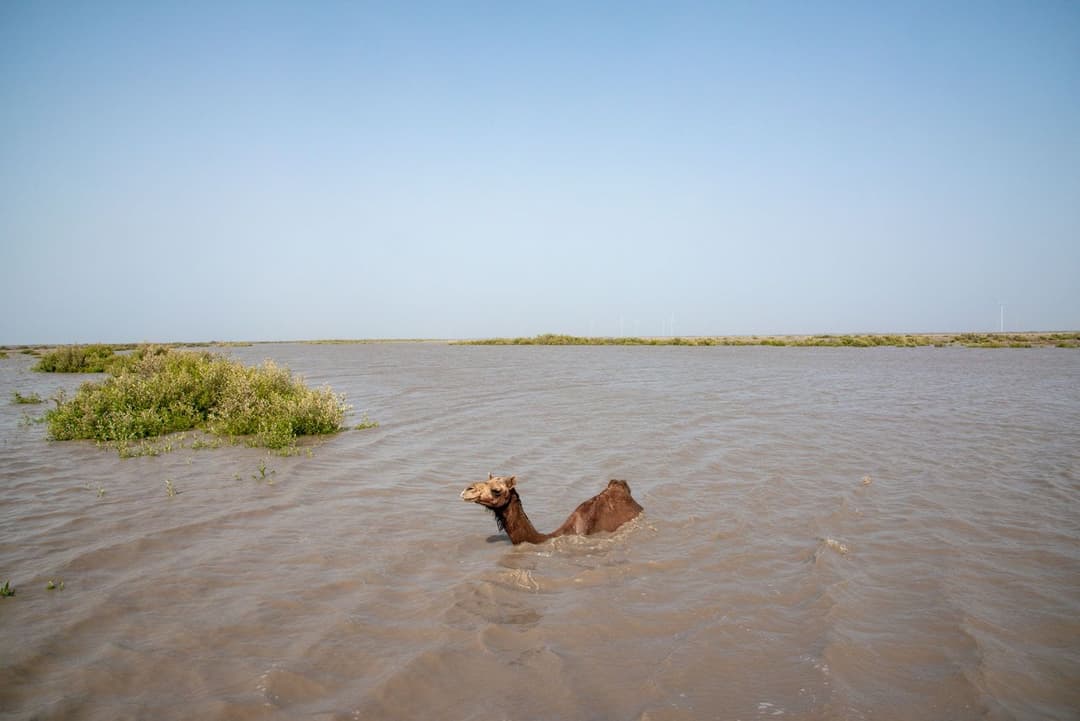
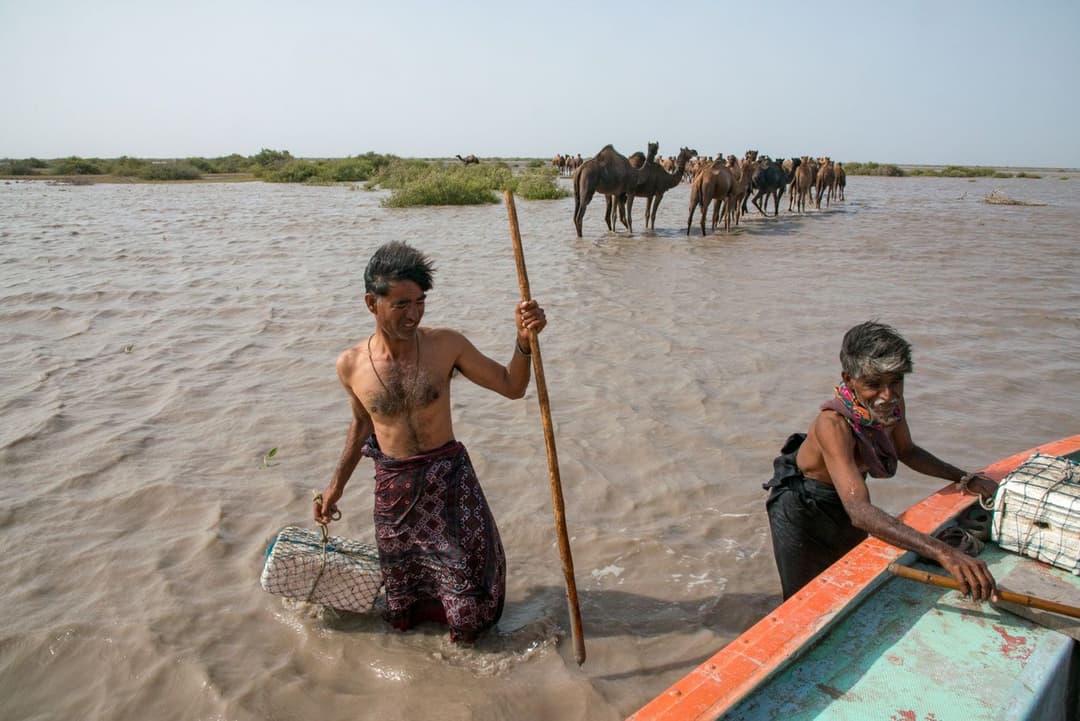
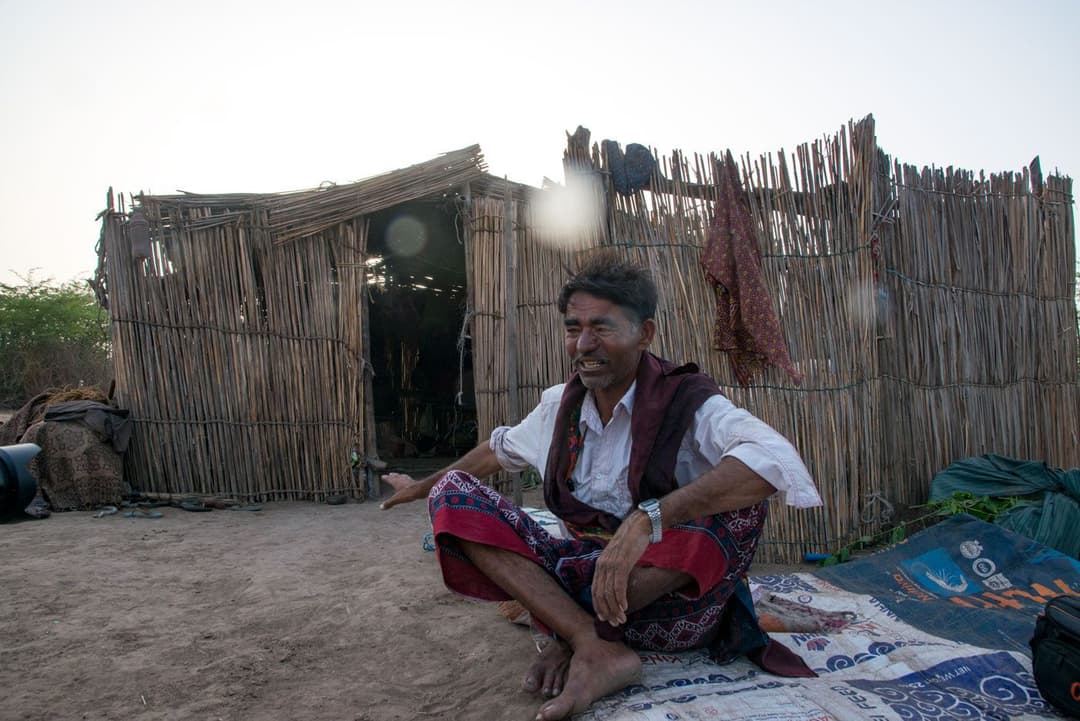
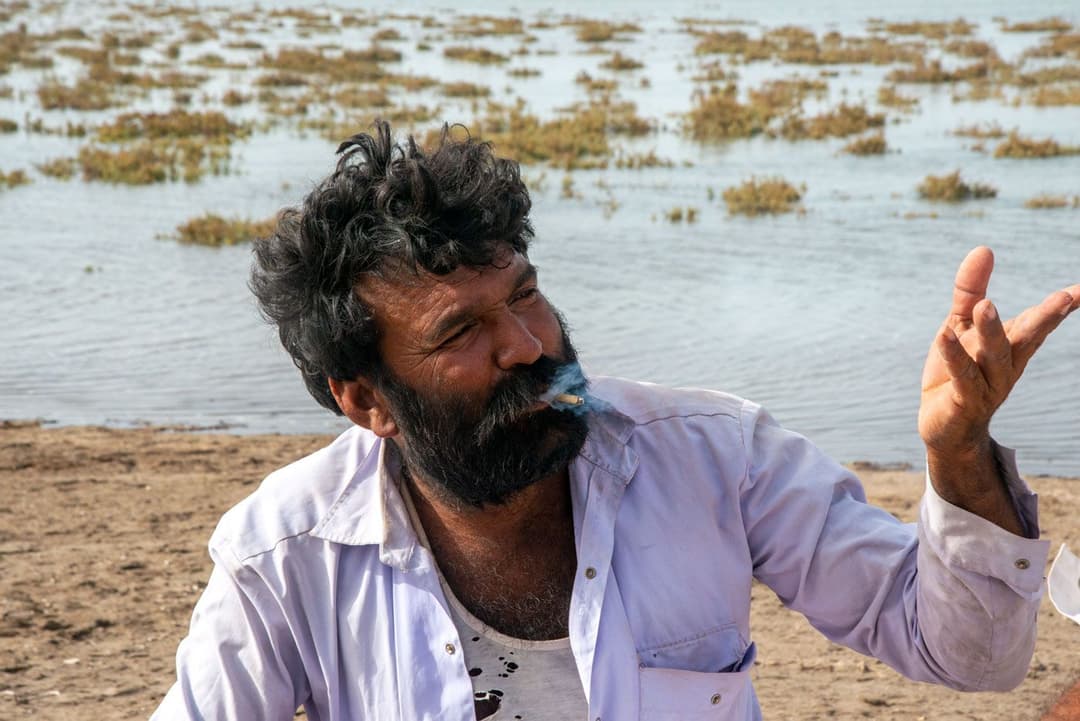
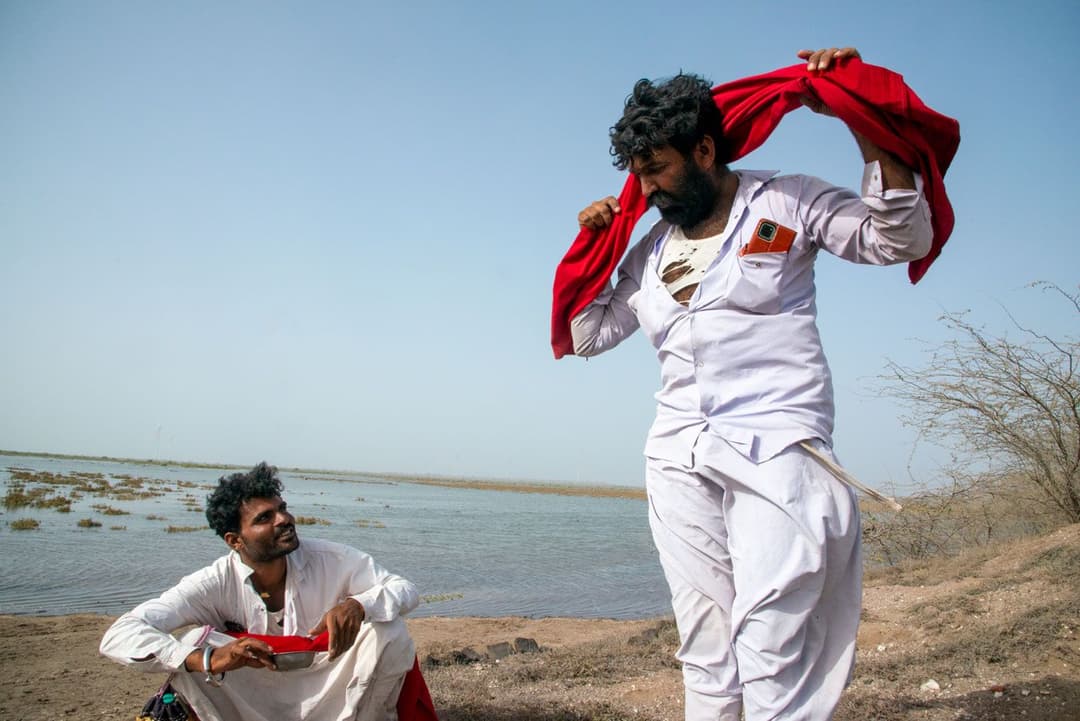
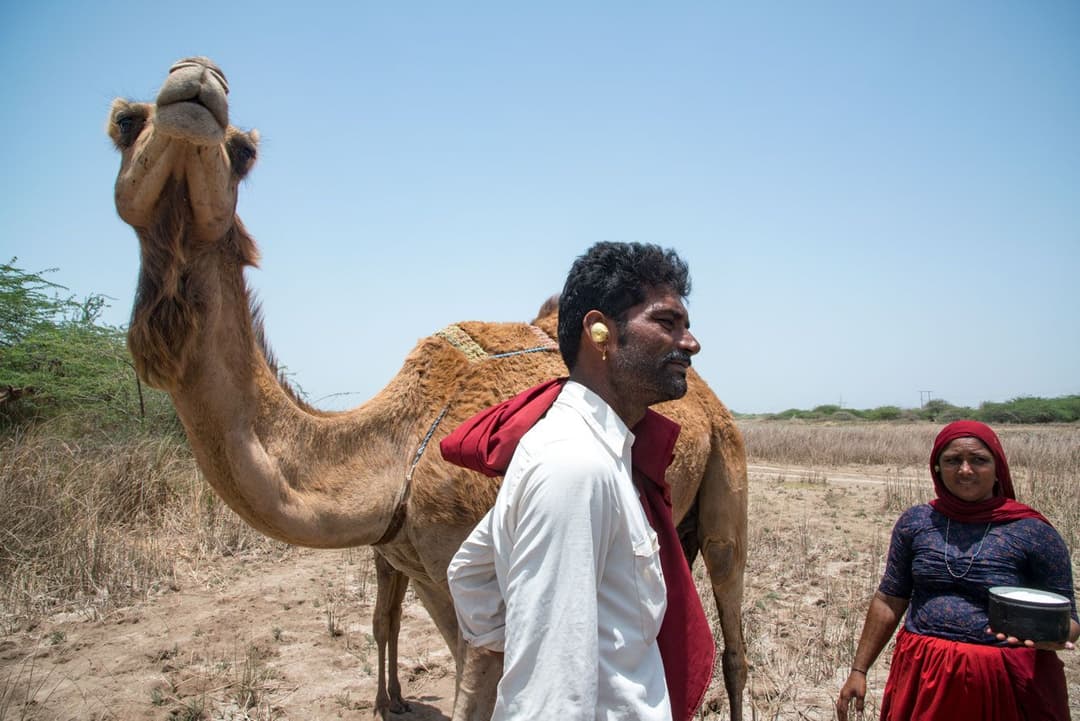
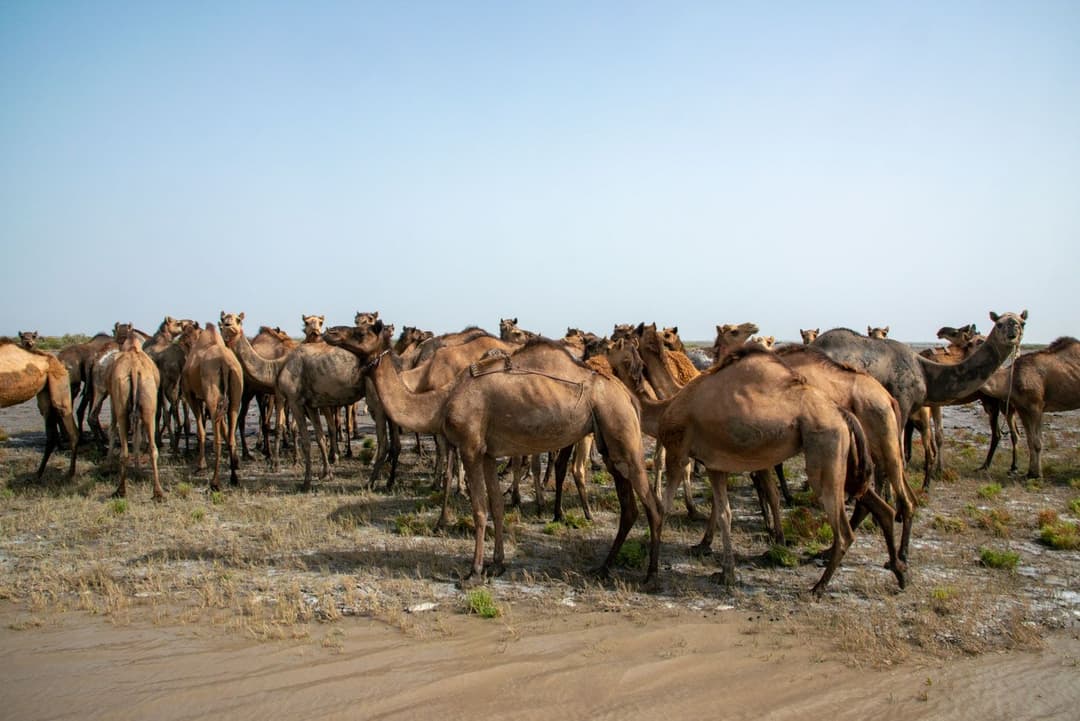
Since pastoralist grazing is banned inside the marine park, camel herders often face harassment from the forest department. Aadam Jat is among those maldharis who have suffered. “A couple of years ago,” he says, “I was detained by forest officials for grazing camels here and paid a fine of Rs. 20,000.” Other pastoralists here, too, tell us of similar experiences.
“The central government's legislation of 2006 is still of no help,” says Rituja Mitra. Under the Forest Rights Act 2006, Section 3(1)(d) provides community rights of uses and grazing (both settled or transhumant) and traditional seasonal resource access of nomadic or pastoralist communities.
“Nonetheless, these maldharis are routinely penalised by forest guards for grazing, and often end up paying Rs. 20,000 to Rs. 60,000 when caught,” says Rituja, adding that the various safeguards set up on paper under the FRA remain non-functional.
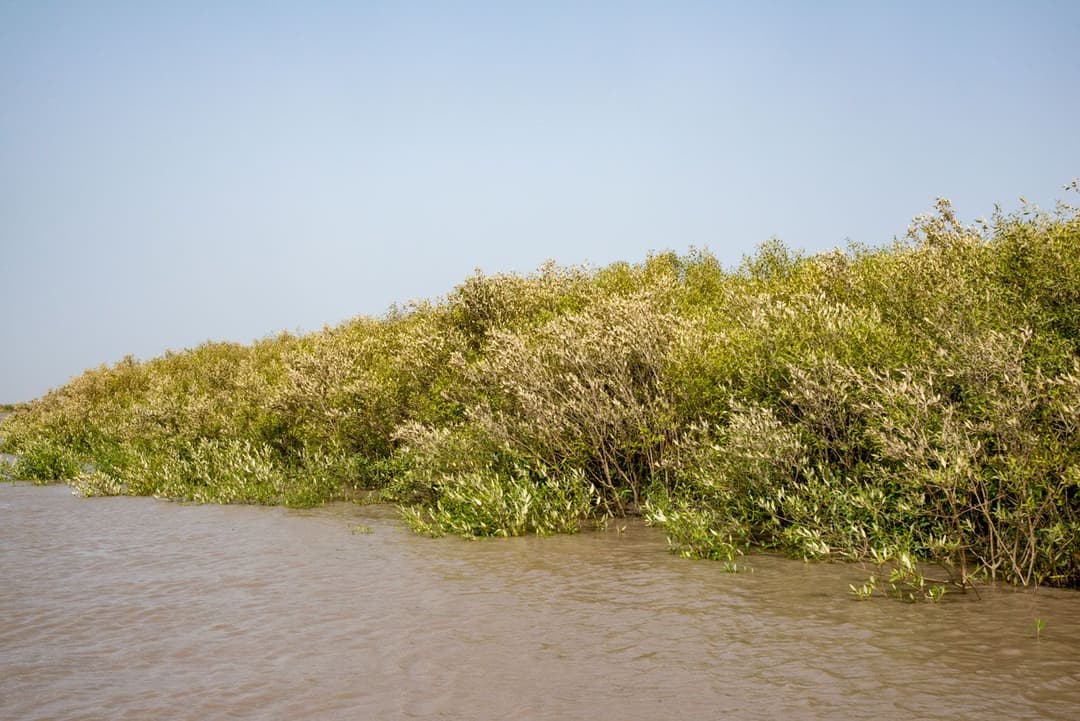
It somehow seems futile to try and expand mangrove cover without involving pastoralists who have lived here for generations and know this complex zone better than anyone else. “We understand this land, understand how the ecology works, and we are also not against the government policies they make to protect the species, the mangroves,” Jagabhai Rabari says. “All that we ask is: please hear us before making any policies. Or else the lives of around 1,200 people residing within this area will be at stake, and so too the lives of all those camels.”