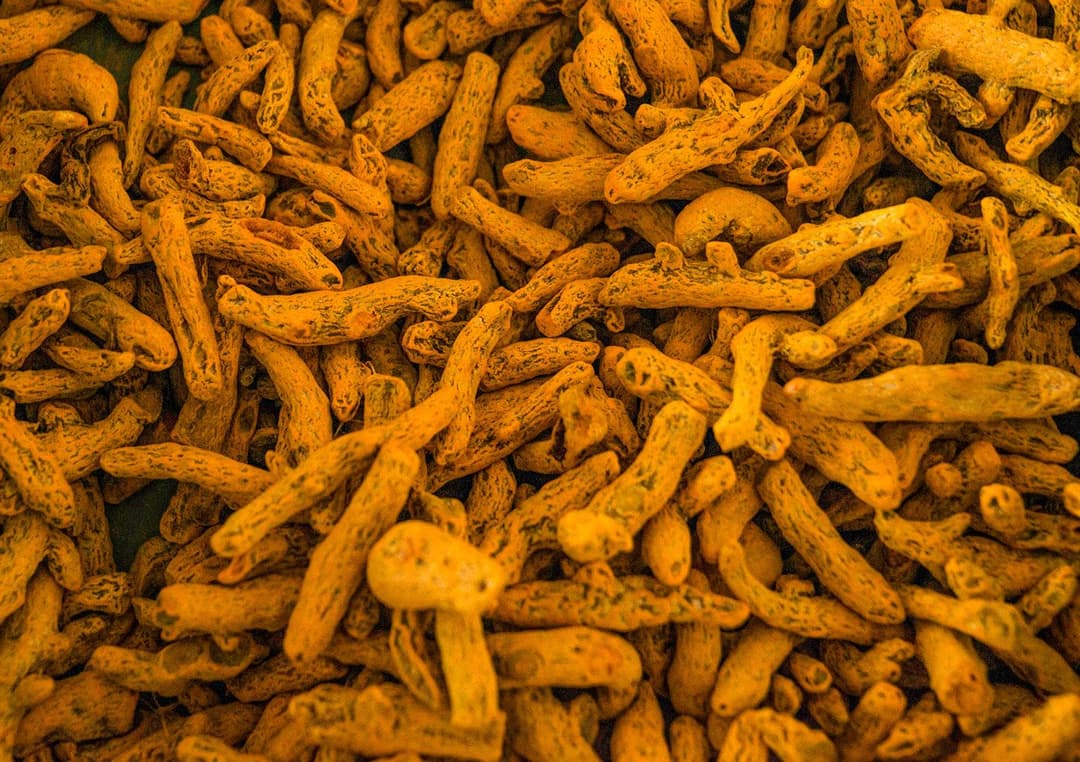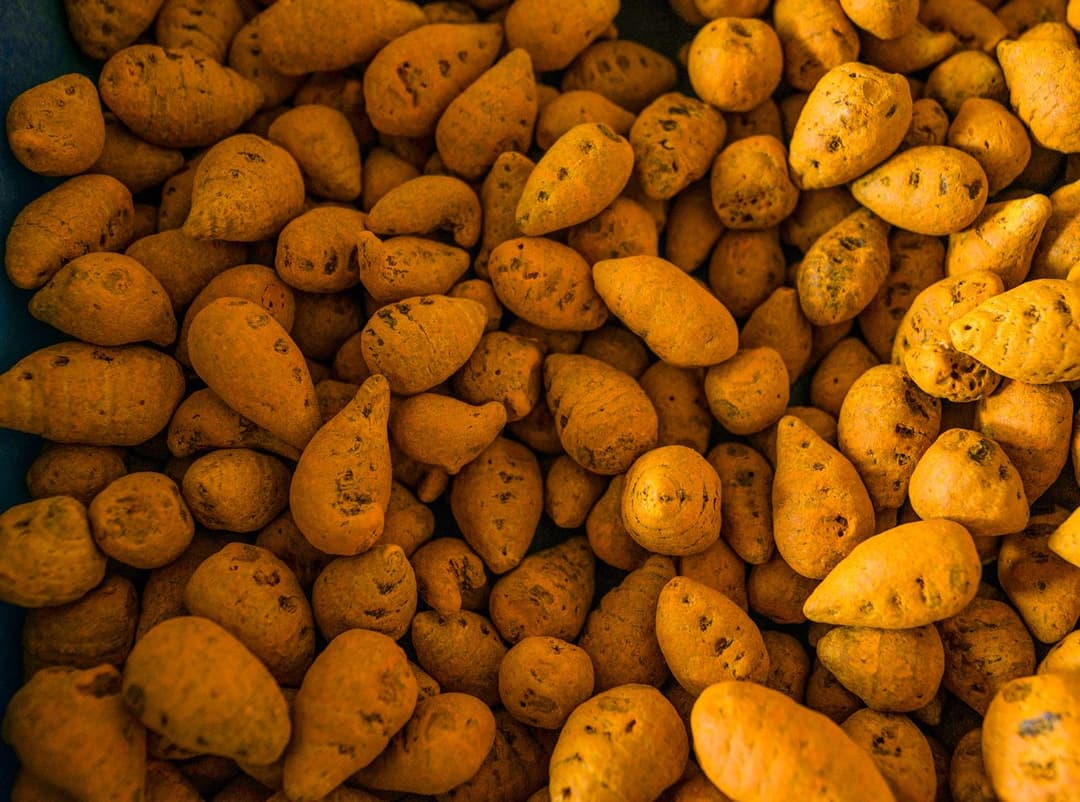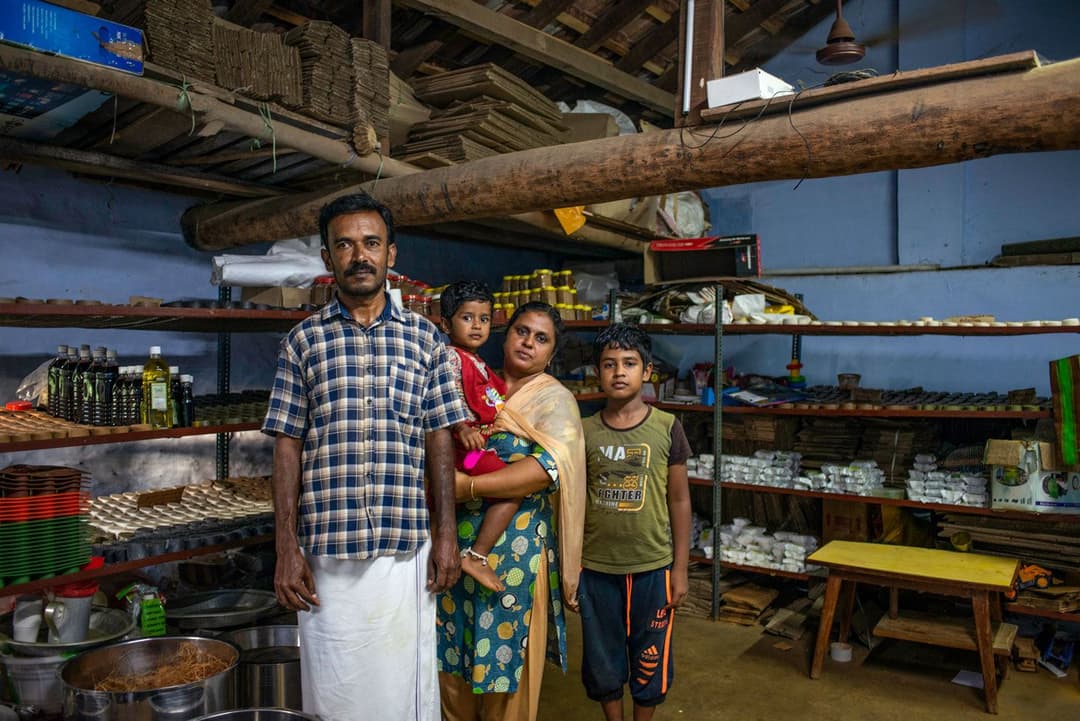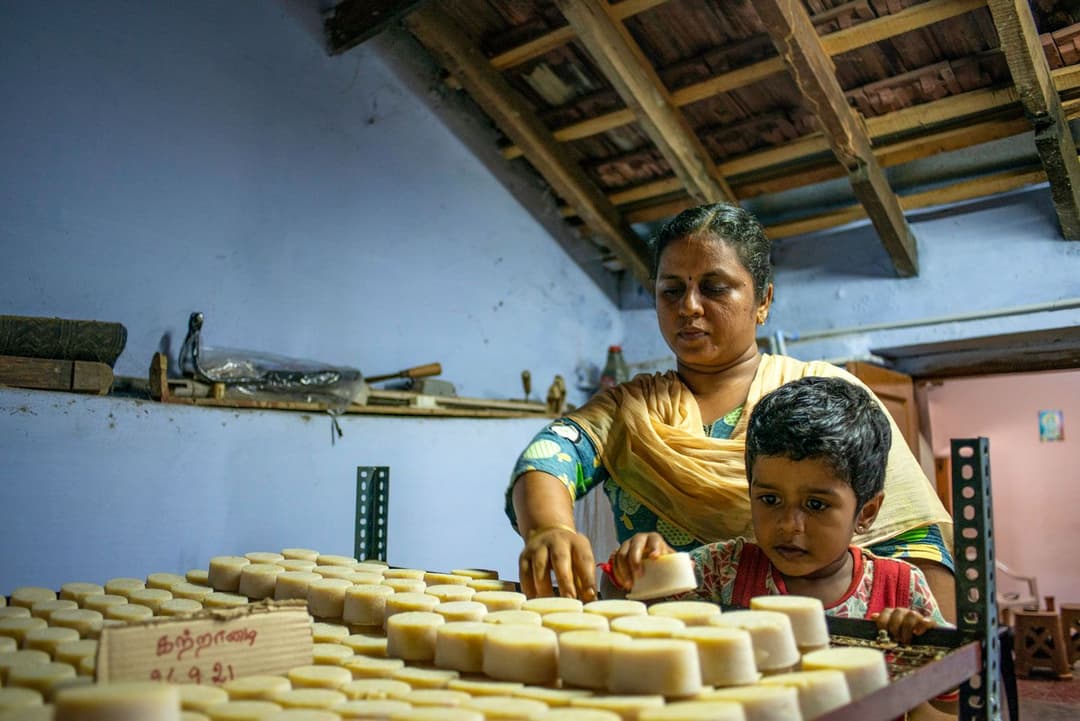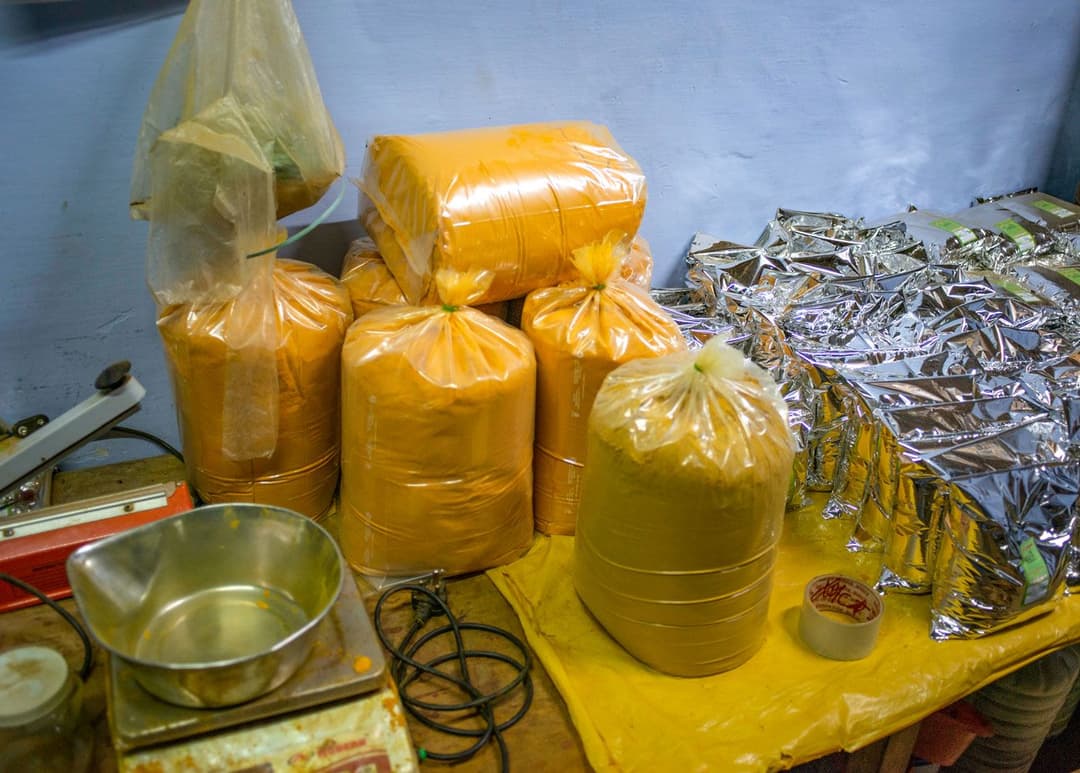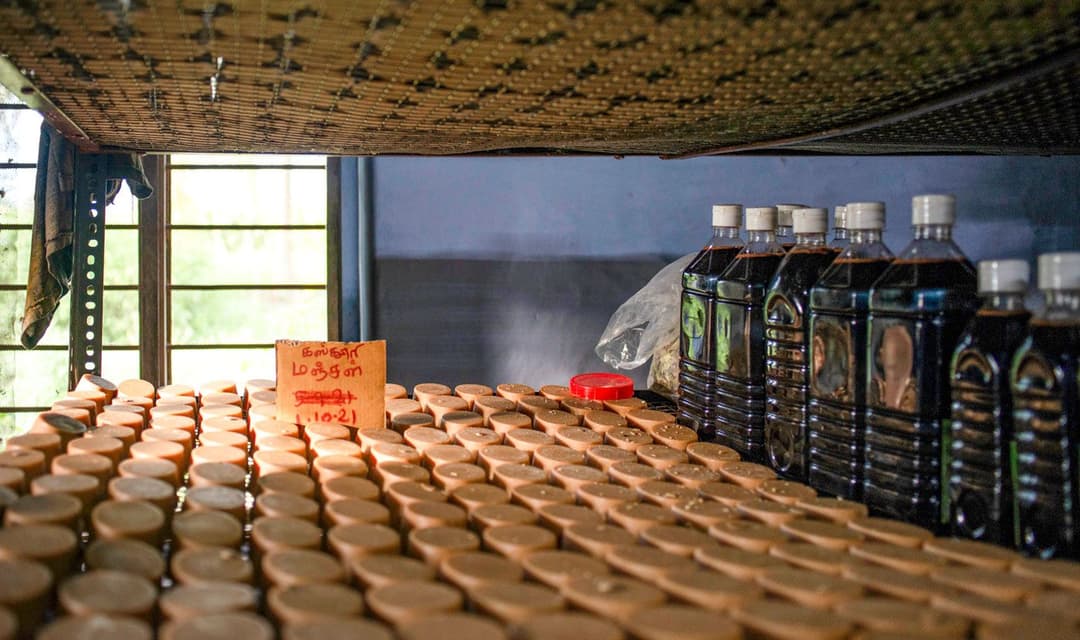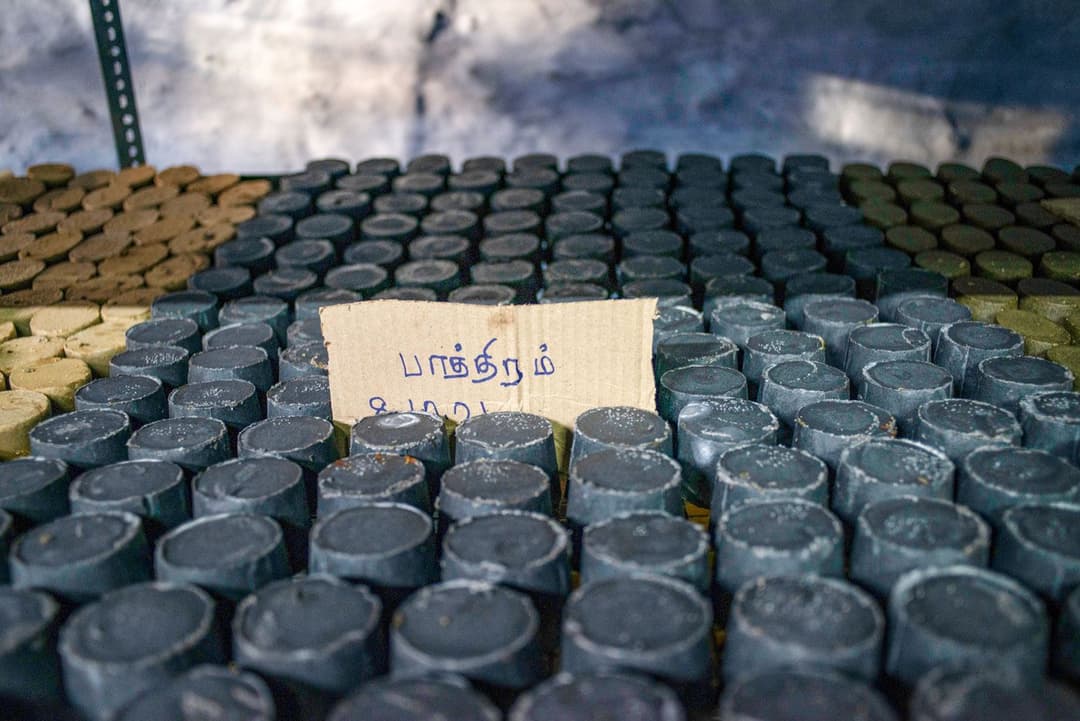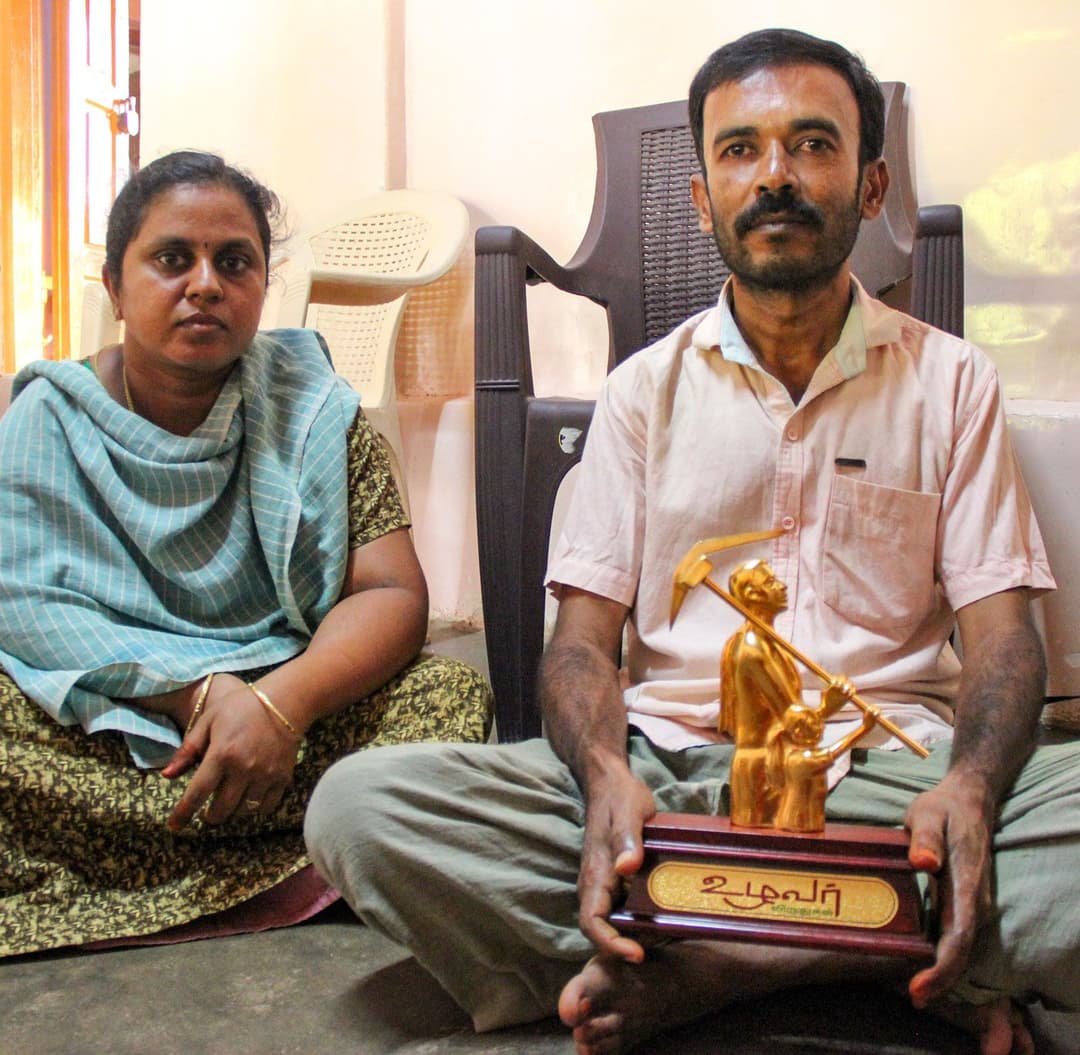

For his father’s death anniversary, Thiru Murthy makes an unusual offering: ten types of soap, many varieties of coconut oil and his star product: turmeric powder. This, besides a hand of red bananas, flowers, coconut, and a lit camphor, before Sundaramurthy’s garlanded portrait.
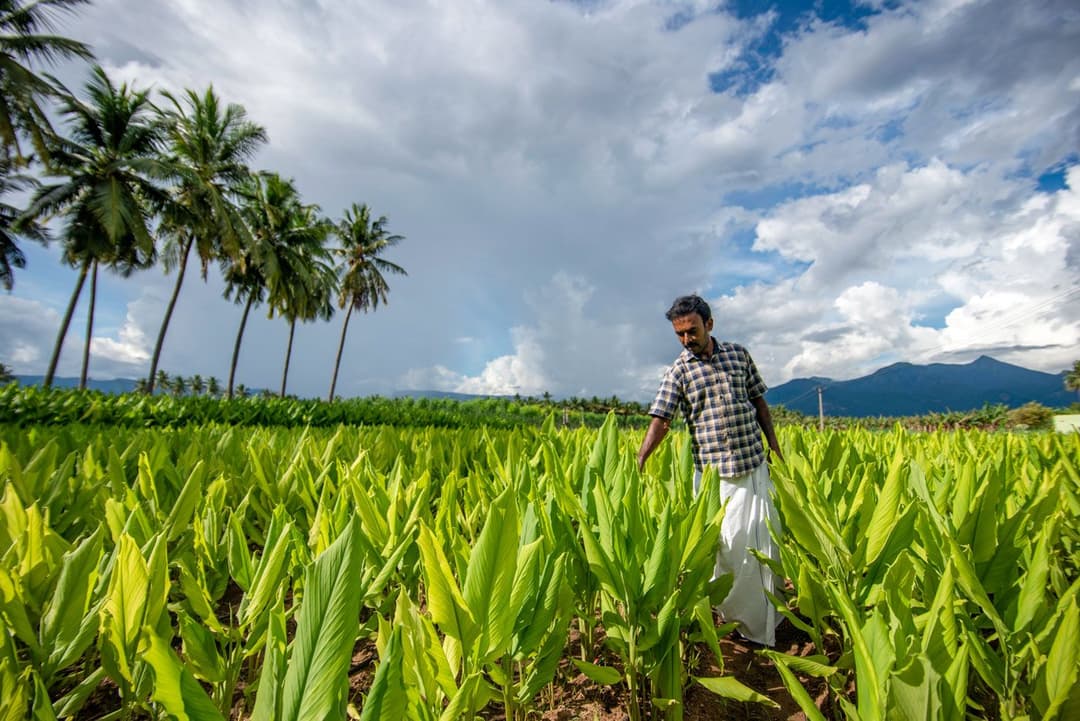
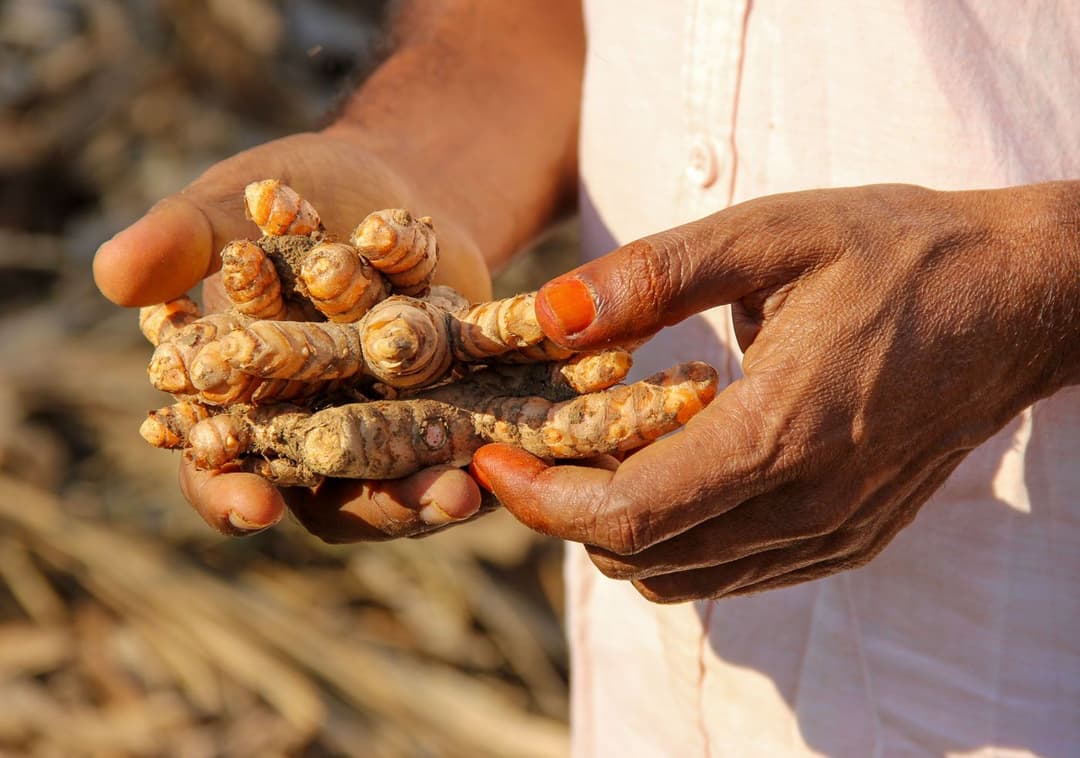
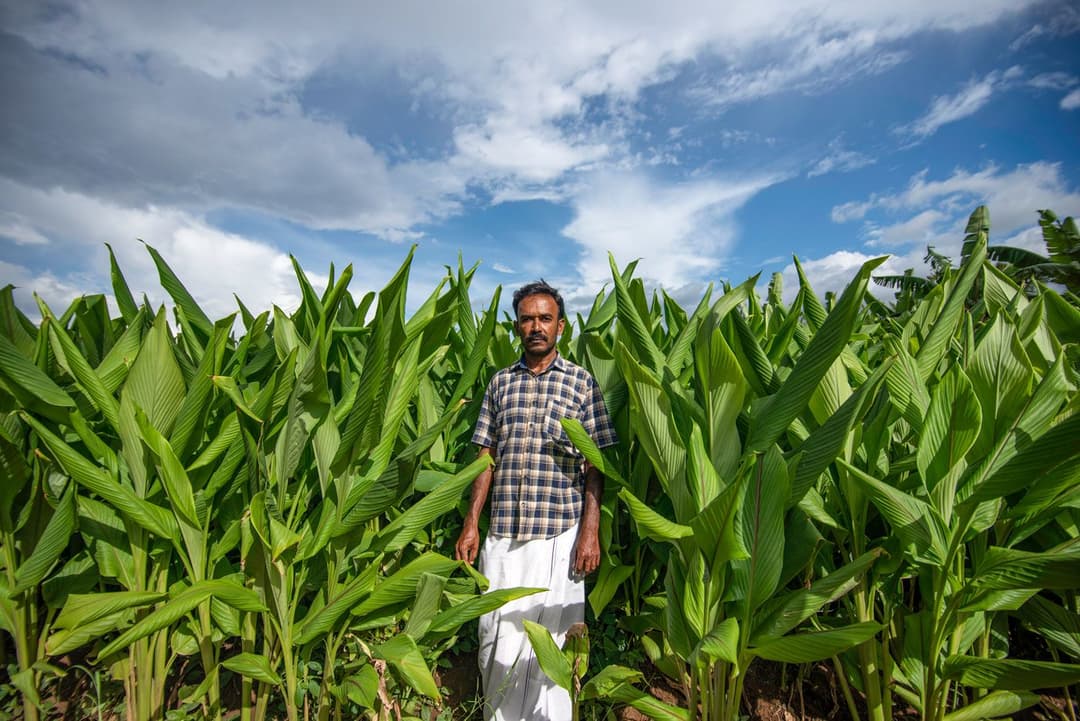
“What could be a better tribute for Appa?” he asks, in a Facebook post. His father had given up farming manjal (turmeric). Thiru took it up when everybody advised him against it. “They told me to raise malli (jasmine), because flowers fetch a daily income. They laughed at me when I planted manjal,” he smiles. Thiru proved them all wrong. His story is a rare one: a turmeric triumph.
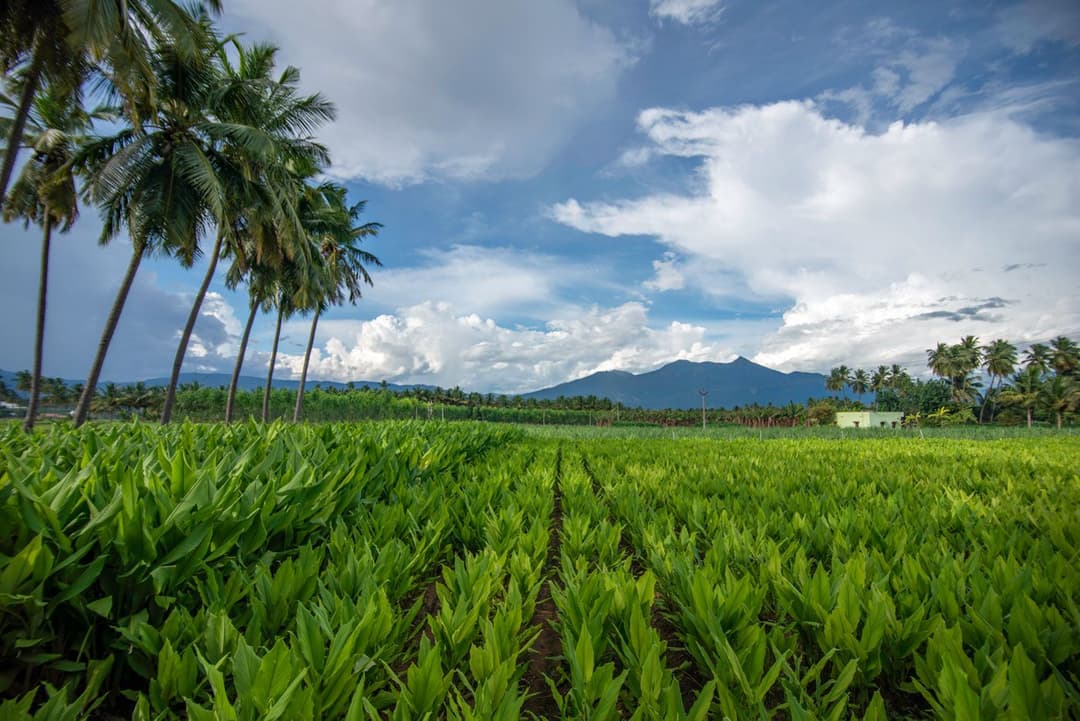
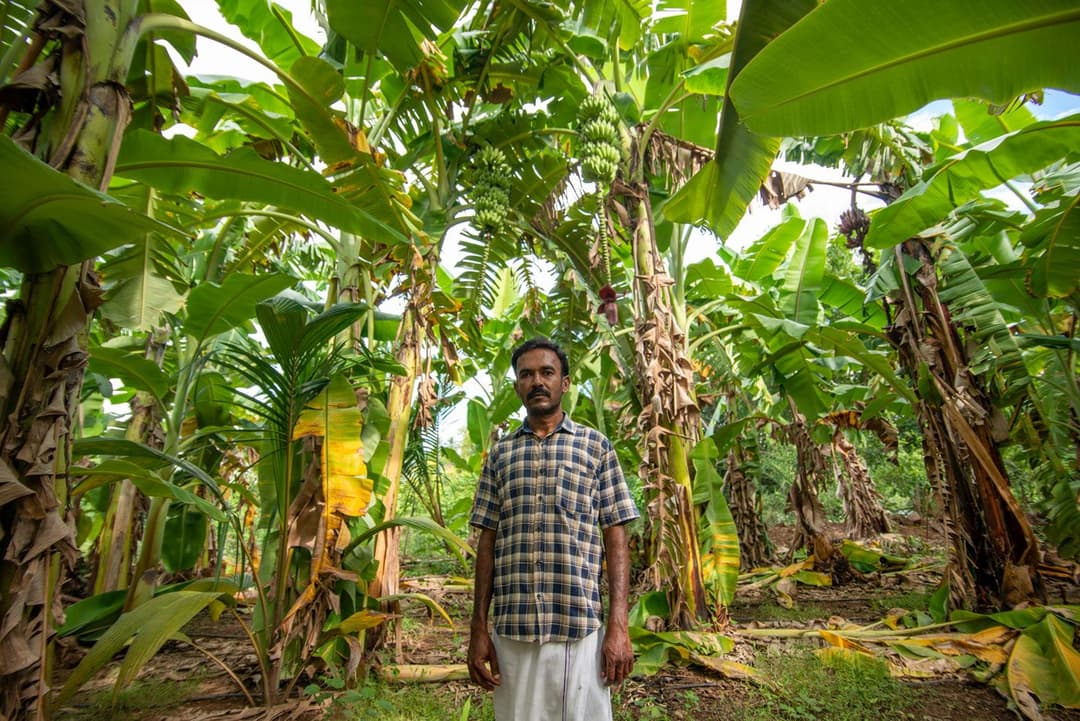
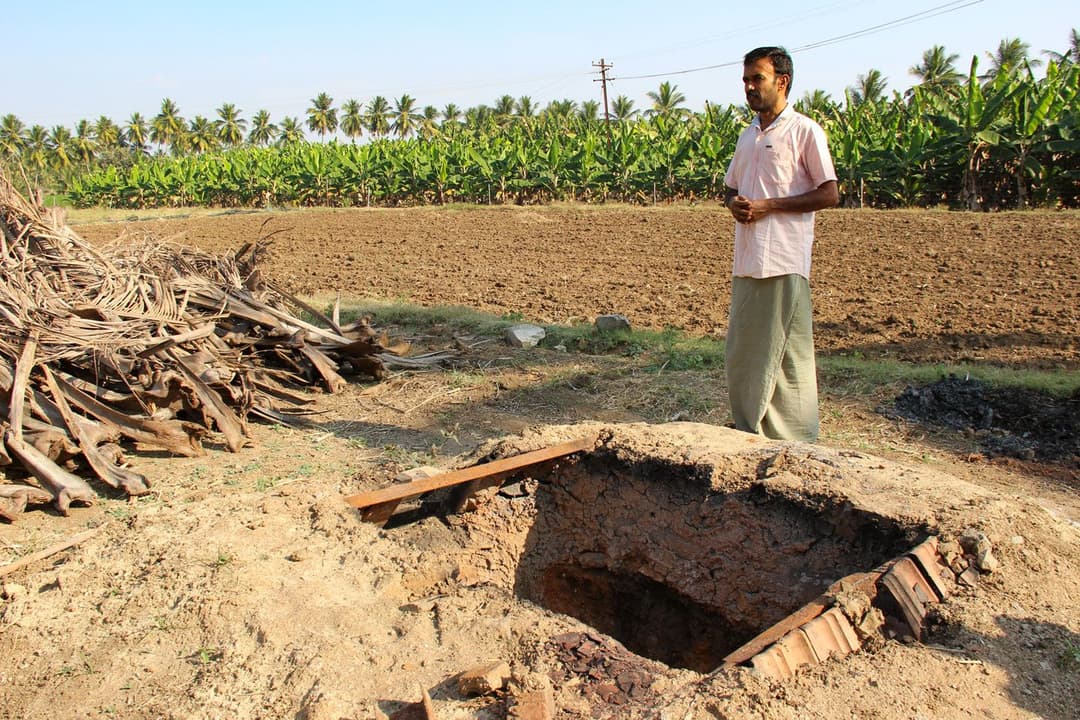
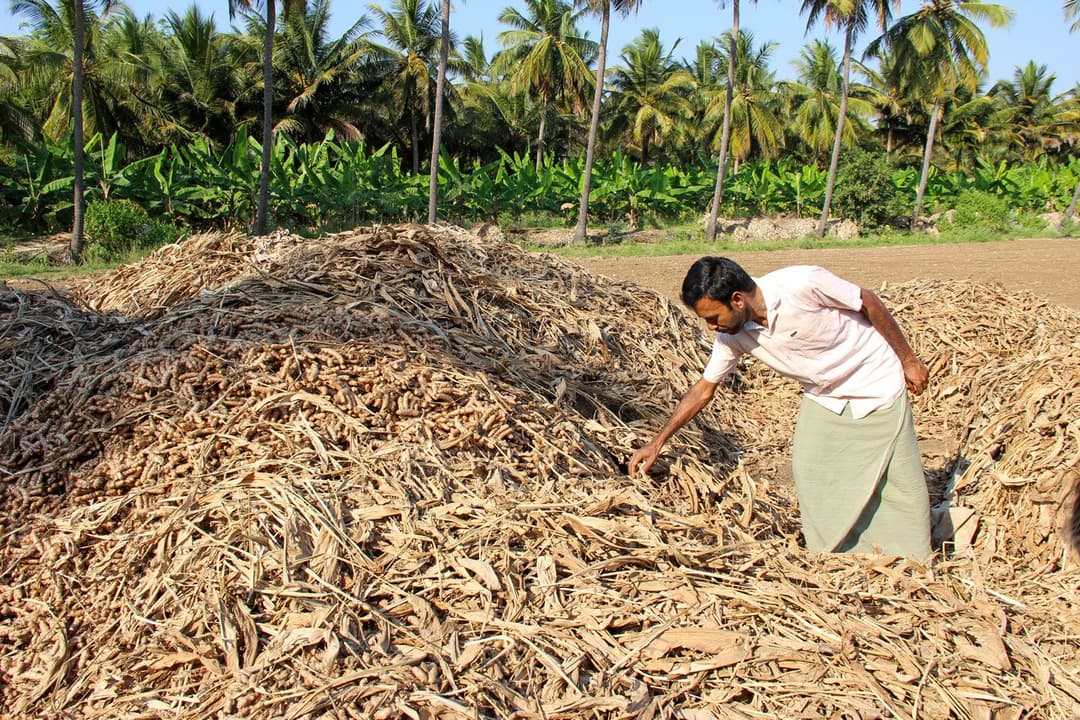
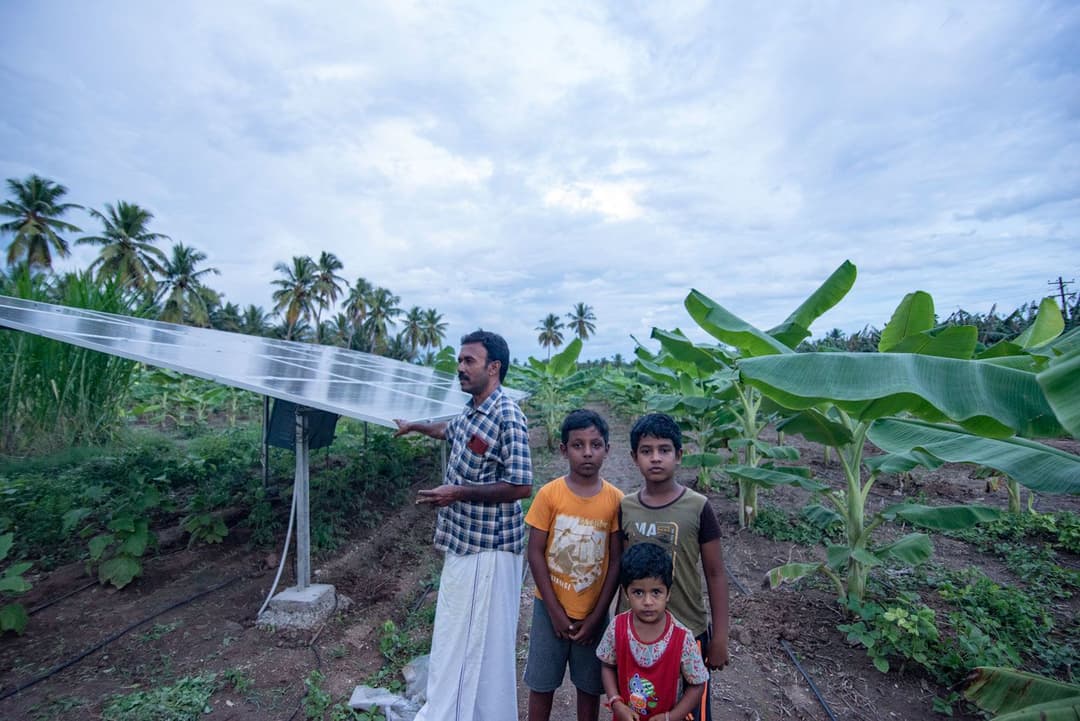
Thiru Murthy, 43, farms 12 acres of land that he jointly owns with his elder brother in Uppupallam hamlet, Bhavanisagar block in Tamil Nadu’s Erode district. He raises three crops – turmeric, banana and coconut. But he does not sell them wholesale. It would be pointless, he says, when he has no control over the prices. Locally, nationally and internationally, it is the bigger traders, corporates and governments that fix rates.
India is the world’s biggest player in the thriving turmeric market. Exports in 2019 touched $190 million – that’s 62.6 per cent of the global trade. The catch: India is also an importer – the second highest, at 11.3 per cent. This major surge in imports over the past few years has hurt the interests of Indian turmeric growers.
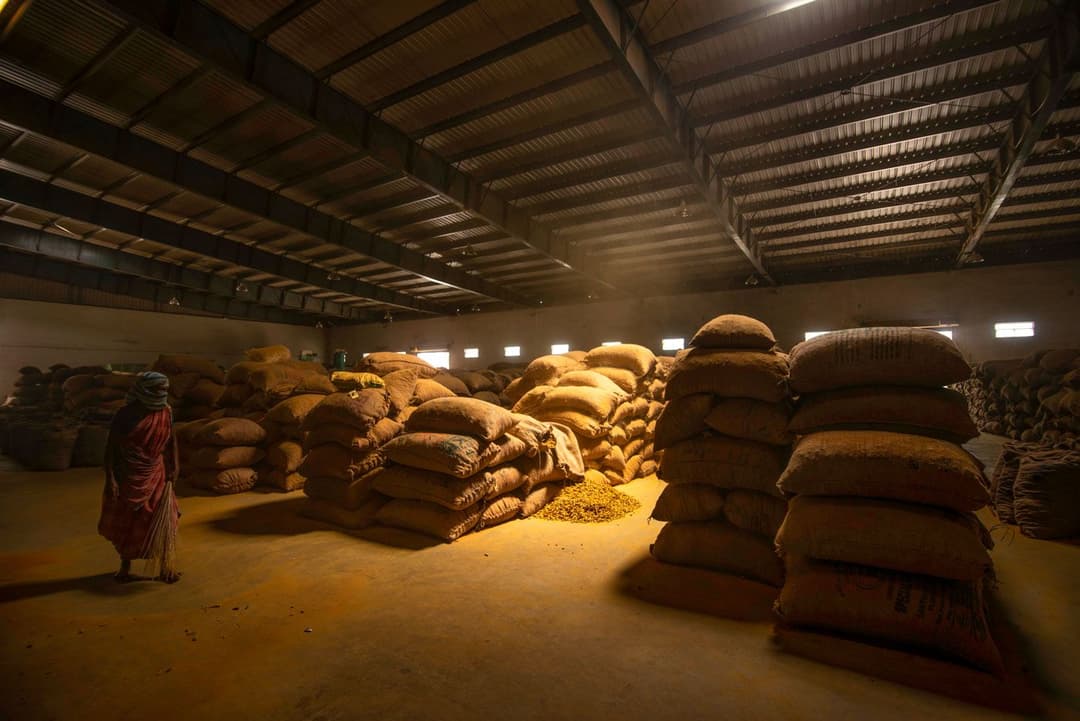
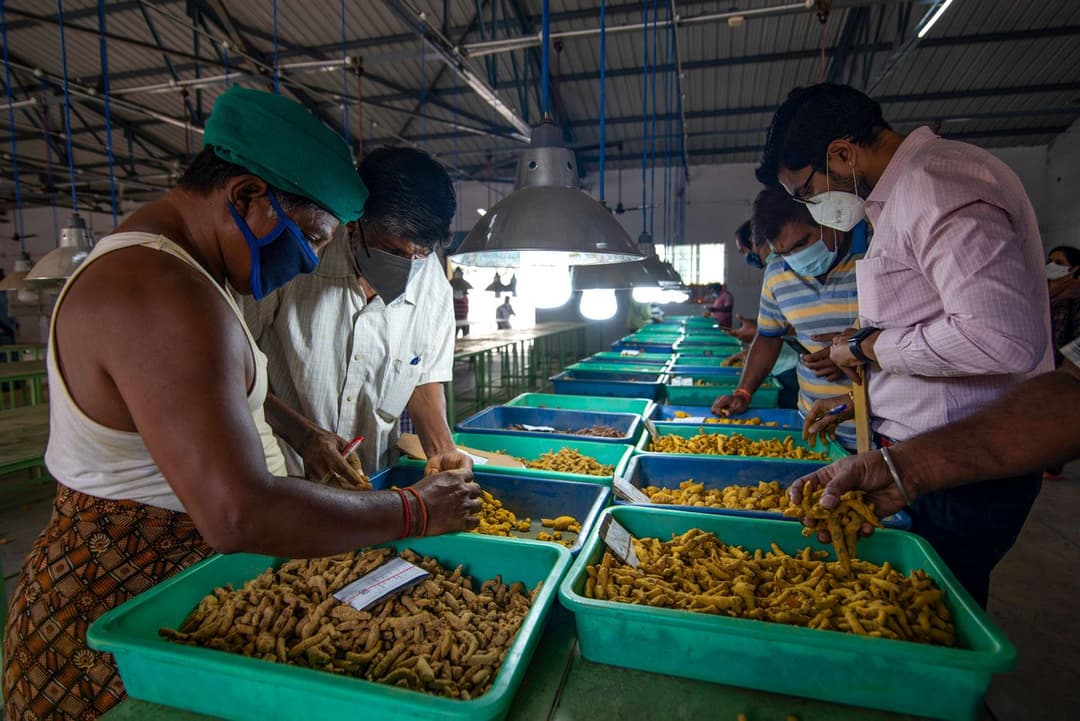
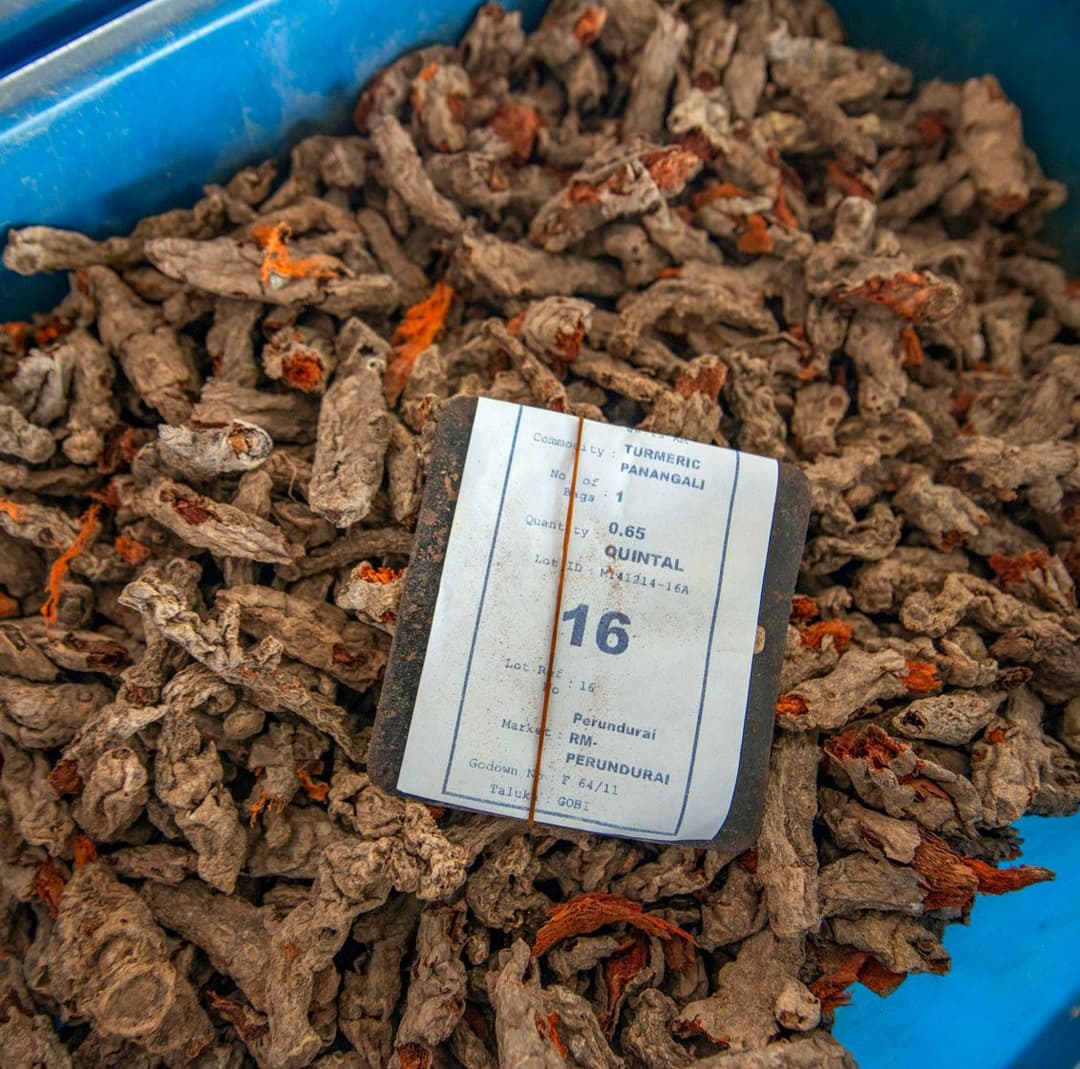
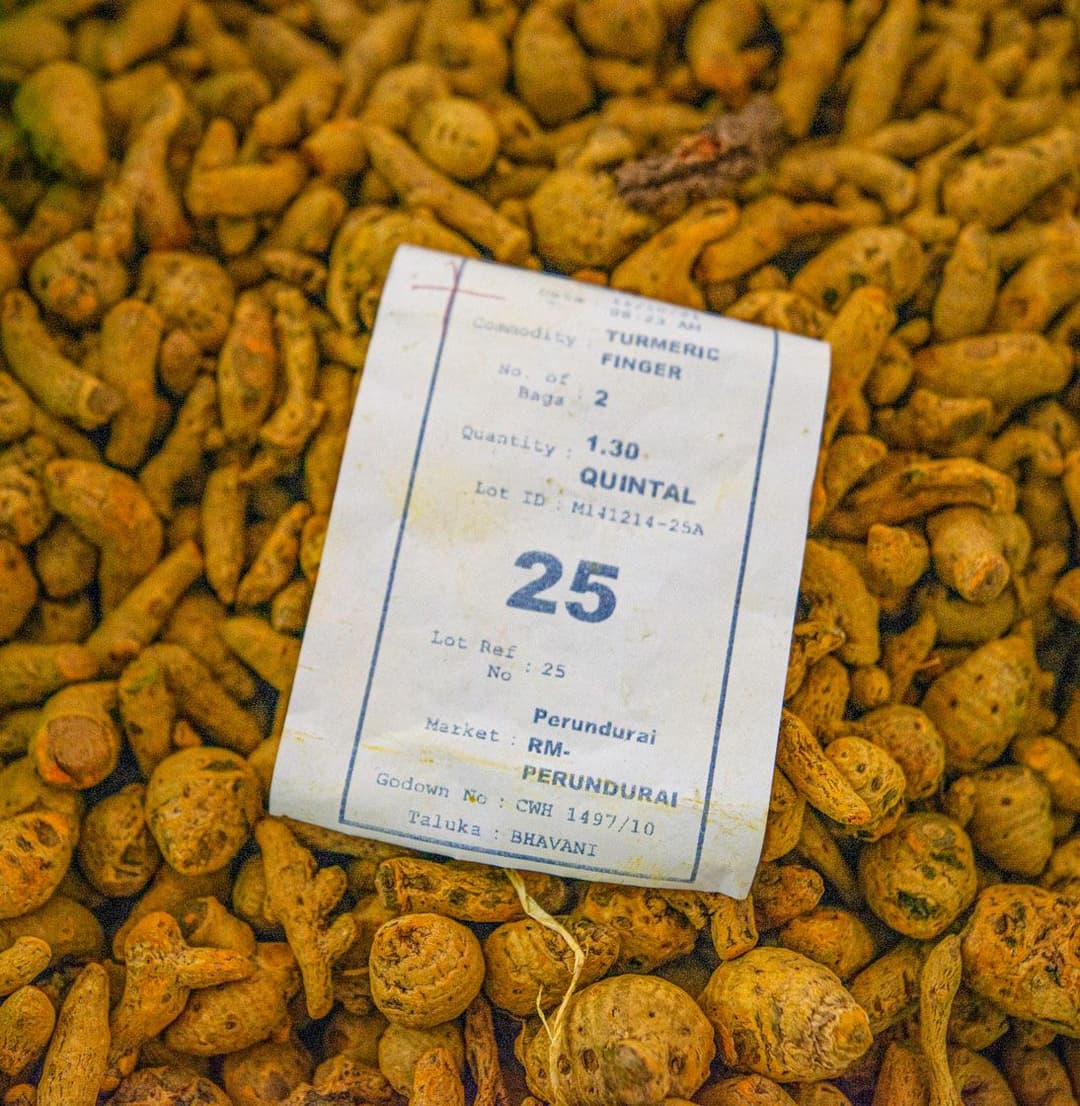
The domestic markets – the mandis in Erode – already squeeze them. Big traders and buyers decide the value. There is no preferential pricing for organic produce, plus, there’s a huge year-on-year volatility. In 2011, the crop fetched a whopping Rs. 17,000 per quintal. The next year, it dropped to almost a fourth of that price. The 2021 average was around Rs. 7,000 a quintal.
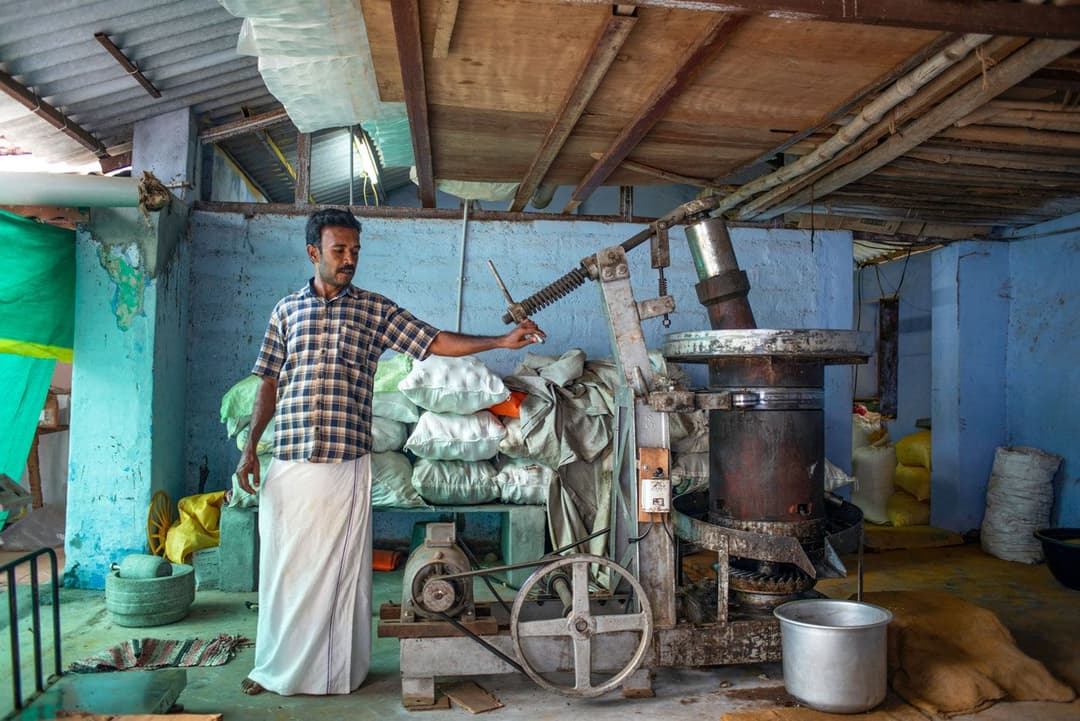
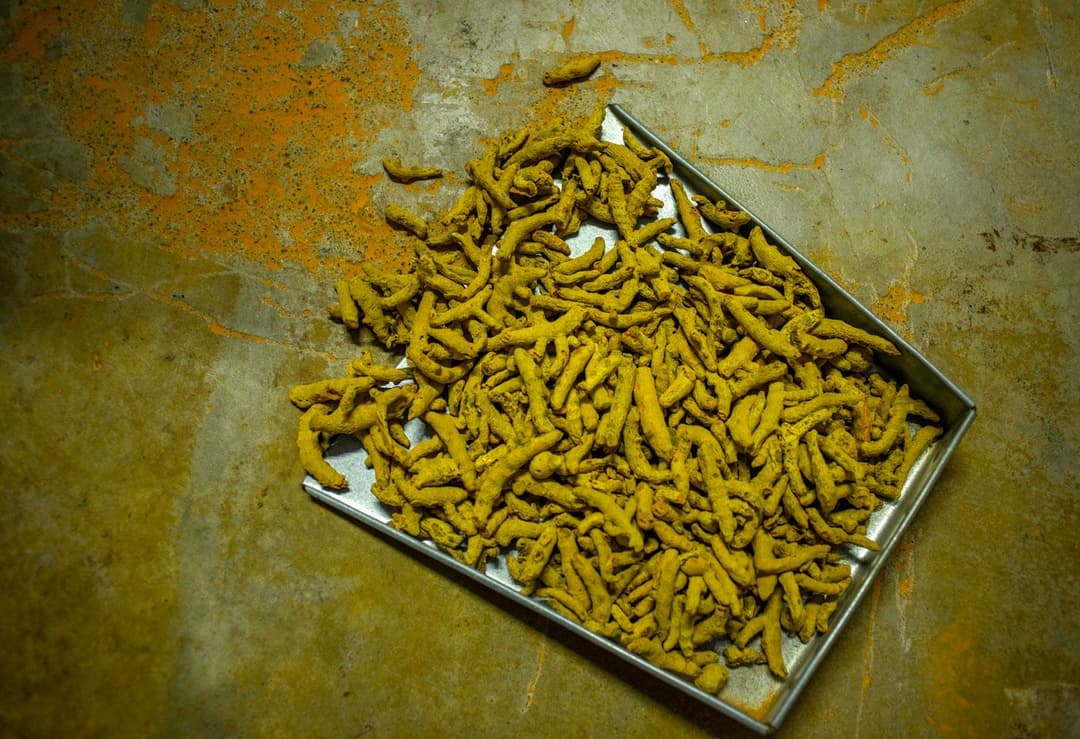
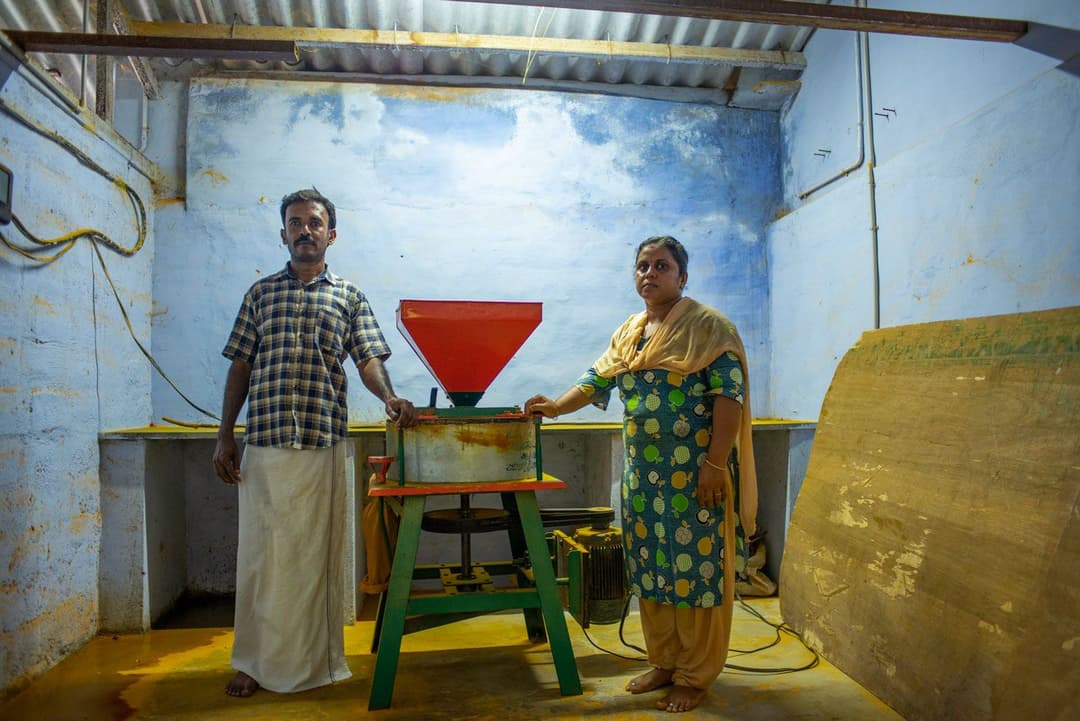
With ingenuity, perseverance and a social media account, Thiru found a straightforward solution: value addition. While his effort may not be widely replicable, it was quite an achievement. “A single coconut that can fetch 10 rupees at the farm gate, earns me three times more, all because I press it for oil, and then make it into soap. It’s the same story with turmeric,” he explains. “I raise that on 1.5 acres. If I have to sell 3,000 kilos at the mandi, I will make a loss of nearly 50 rupees on every kilo of organic turmeric.”