
“It used to feel like a festival in the village,” said Nanda Gotarne. Towards the end of October every year, the ground next to her field would turn into a collective threshing venue, where the farmers of Gates Budruk would thresh freshly harvested paddy with the help of bullocks. They would continue the process till around the middle of November.
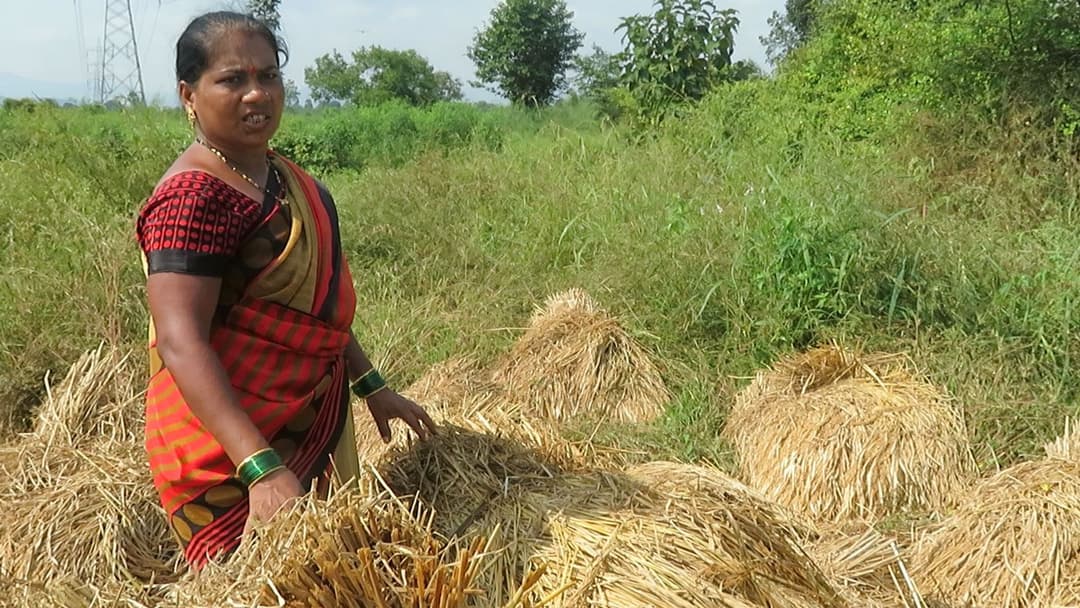
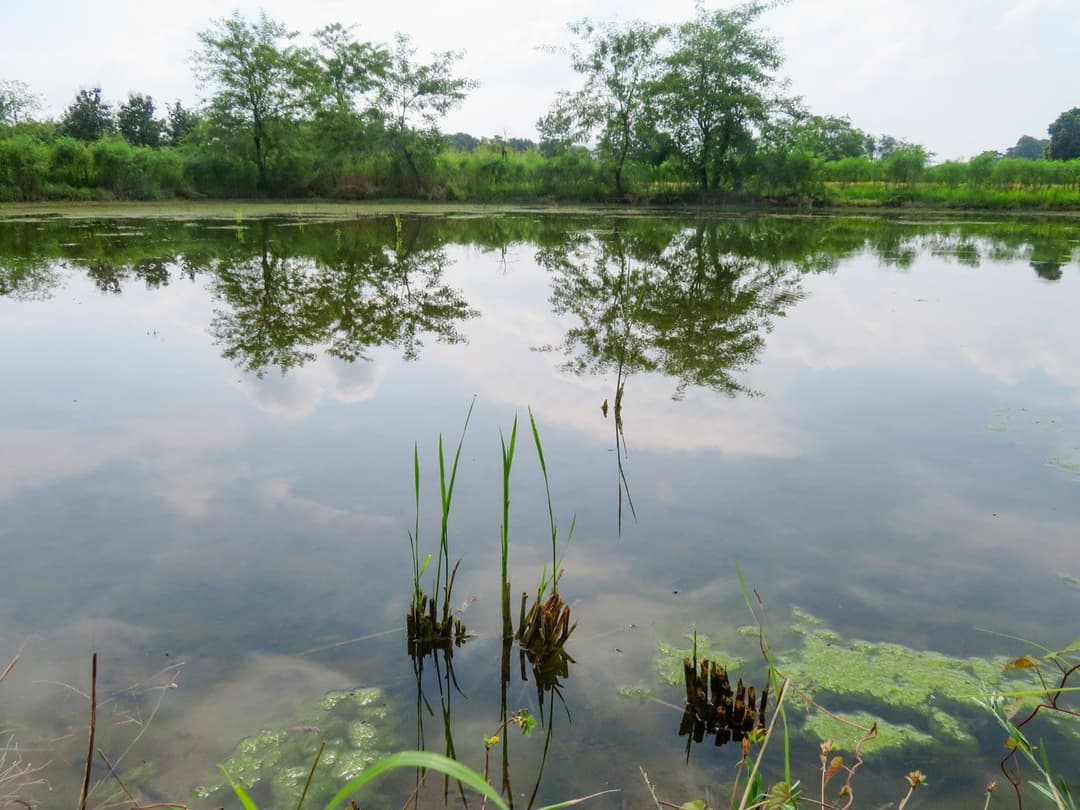
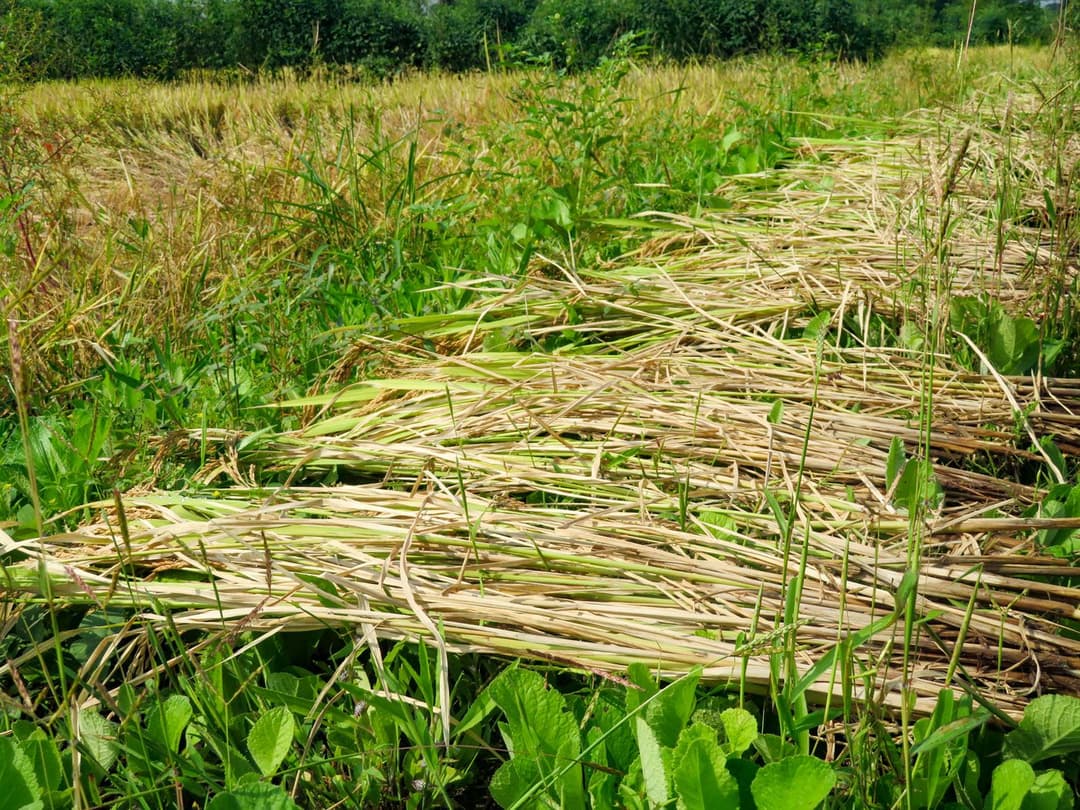
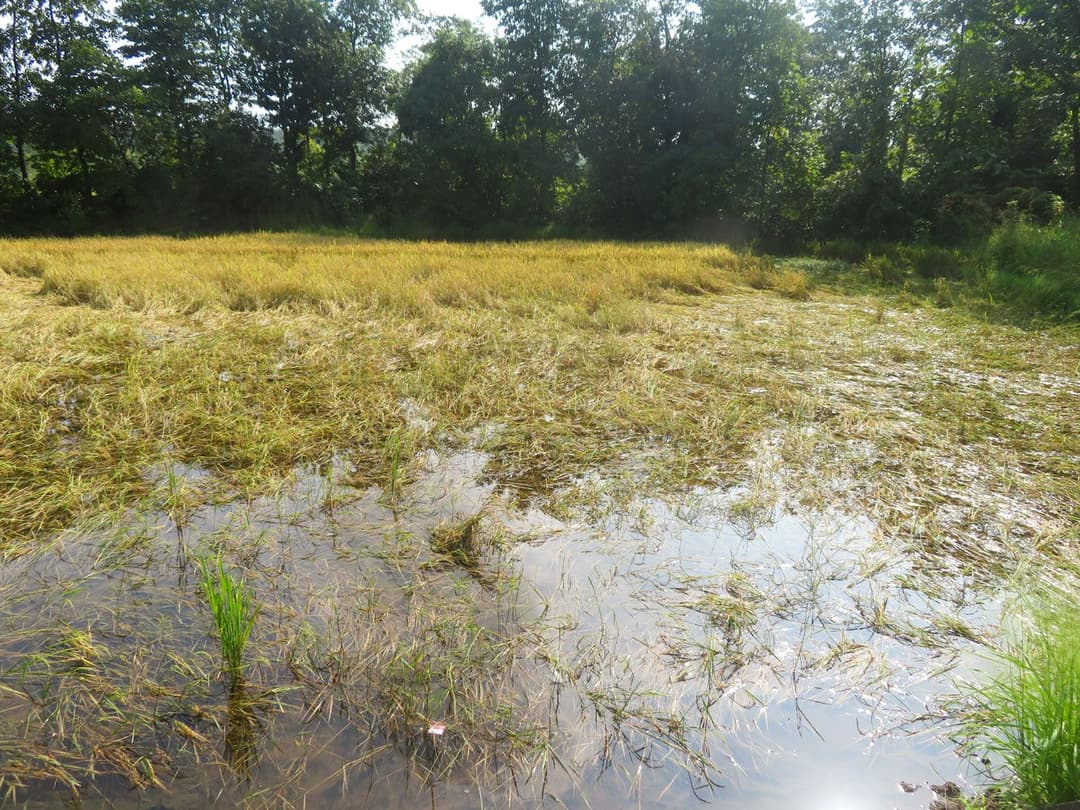
This year, the ground and fields had turned into a marshland by the middle of last month. Instead of preparing to thresh the harvested grains, Nanda and her husband Kailash had to clear the crop on their two acres on October 16 and 17.
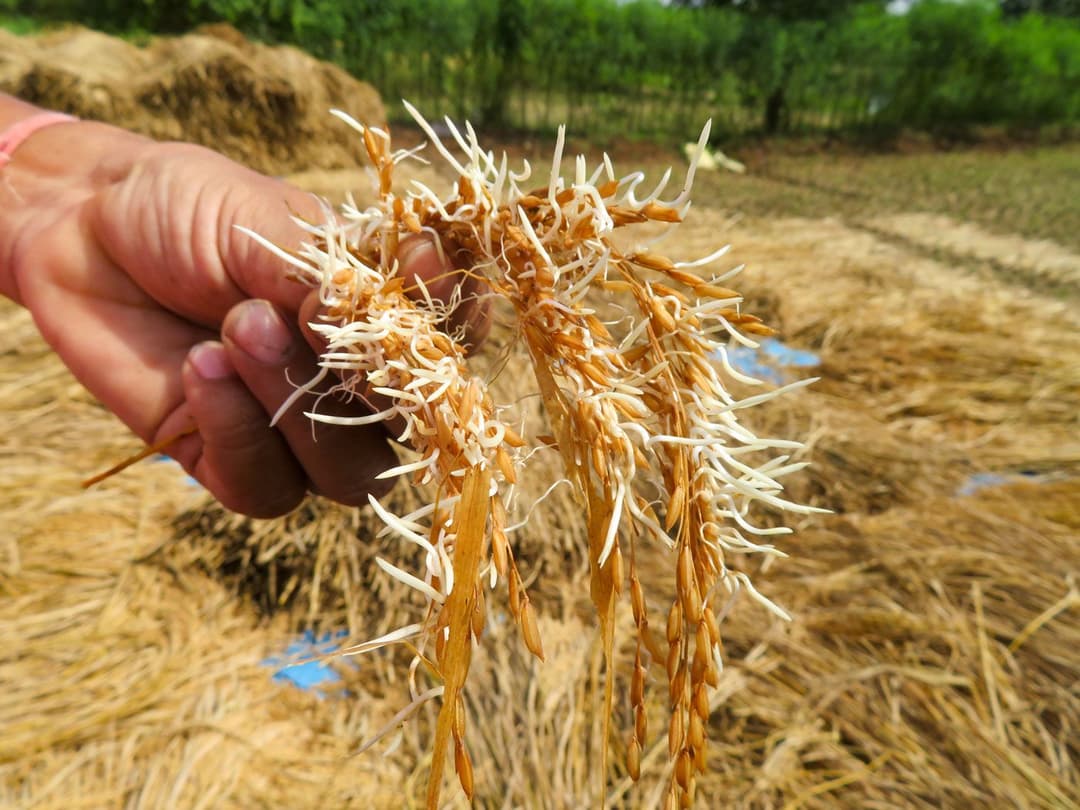
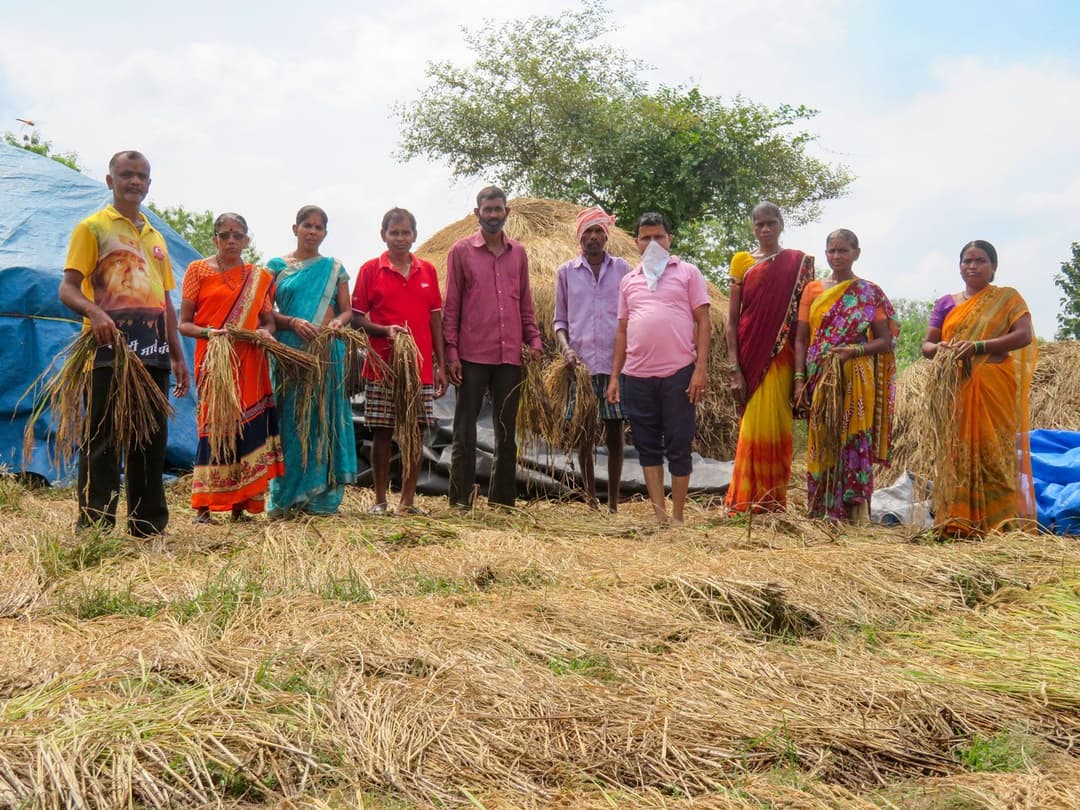
Two days later, there was still ankle-deep water in their field, and 42-year-old Nanda was drying drenched paddy stalks under the sun. “I don’t know if this drying will help or not…” she said, wiping away tears with a corner of her saree. (It eventually did help and she managed to get six quintals of poor-quality rice husk after threshing the paddy – much less than last year’s harvest of around 15 quintals). Nanda’s husband Kailash, 47, works as an assistant in a private office in Vada taluka, earning around Rs. 8,000 a month. They have a 14-year-old daughter and 10-year-old son, both studying in the local zilla parishad school.
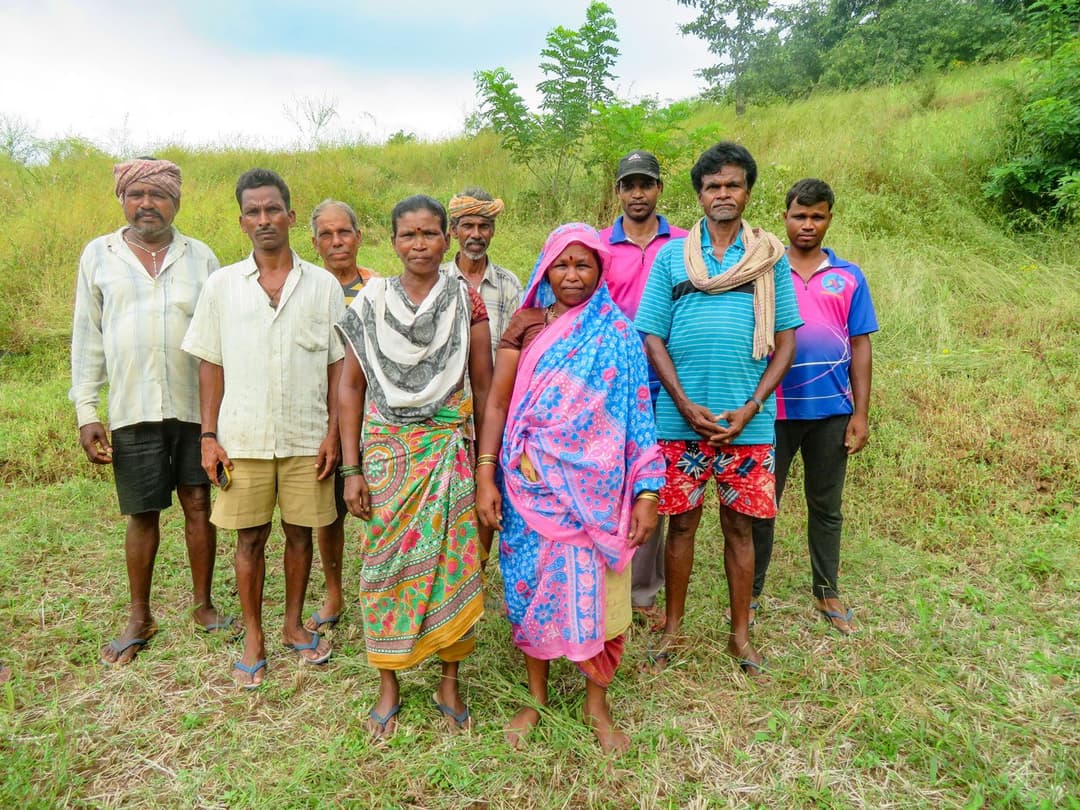
Unexpected rainfall in October had hit Nanda's family and all the other farmers in Gates Budruk, a village of 1,134 people
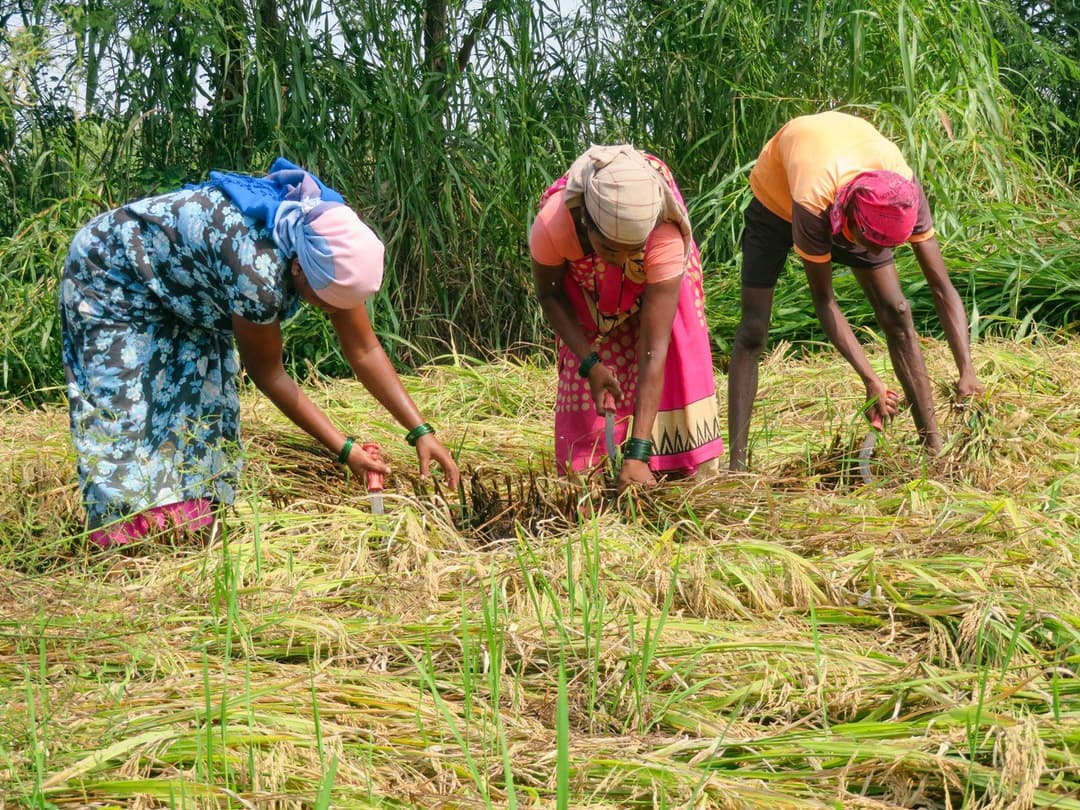
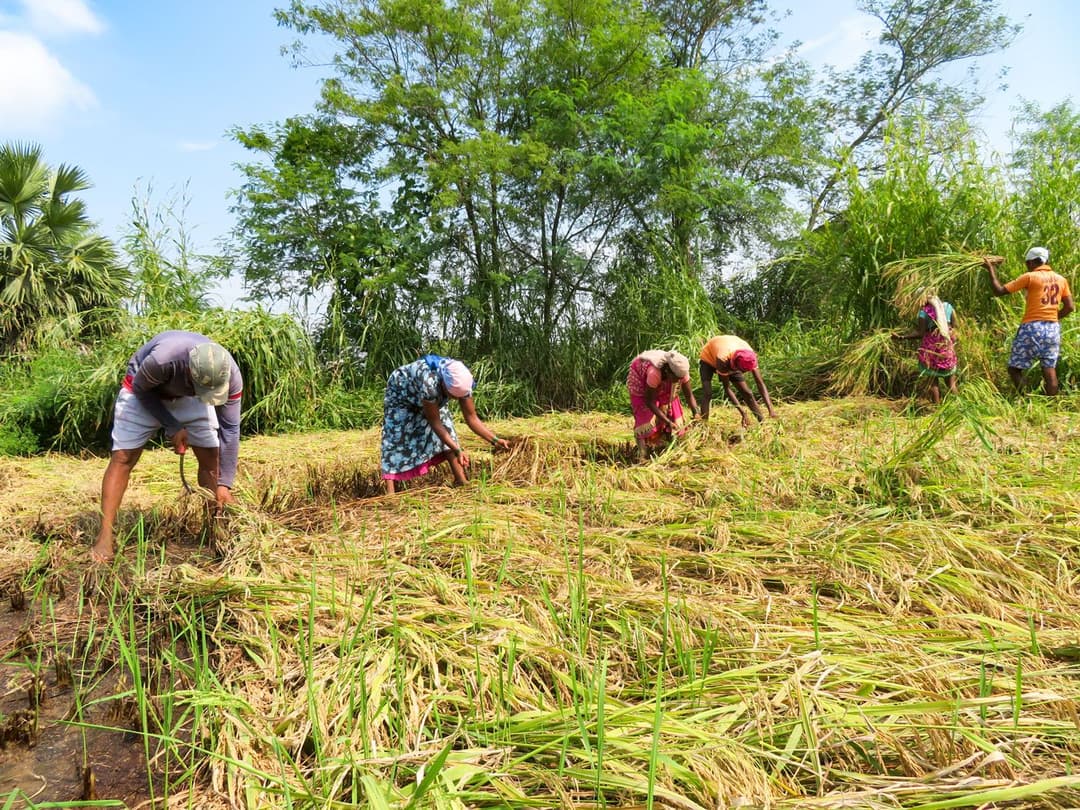
Kamini Gotarne’s field had become a swamp too. “The paddy is completely drenched. It’s full of mud,” she said. She and her husband Manoj were also clearing the damaged crop on their four acres in October, cutting flattened paddy stalks with a sickle. Four other farmers were helping them – everyone was pitching in on each other’s farms in the village.