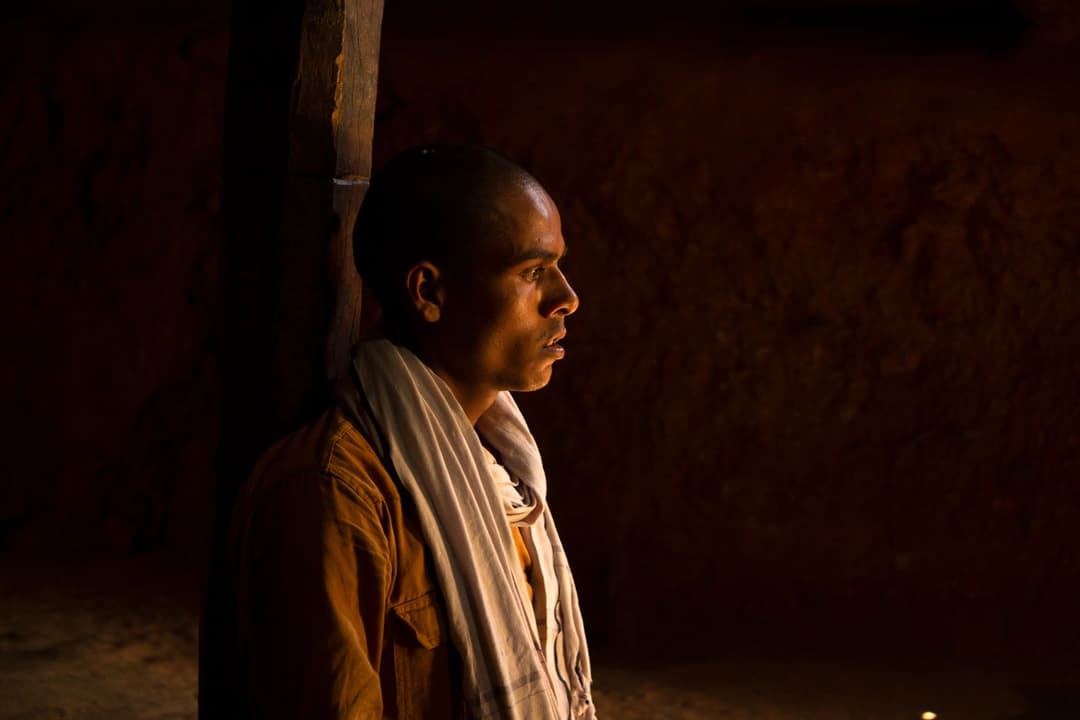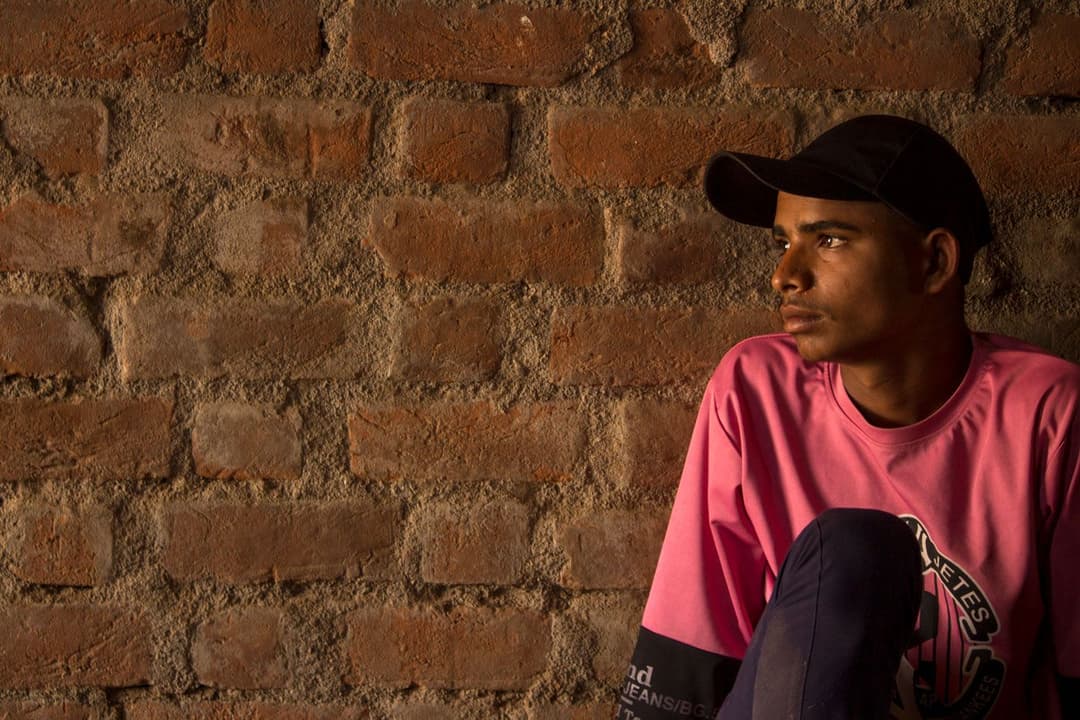

“The gutter was about 20 feet deep. First Paresh went in. He pulled out two or three buckets of waste; then he came up, sat for a while and went in again. He screamed as soon as he went in...
“We didn’t know what had happened, so Galsing Bhai went in. But there was silence. So, Anip Bhai went in next. And yet, none of the three now inside made a sound. So, they tied a rope around me and sent me in. I was made to hold someone’s hand; I am not sure whose hand it was. But once I grasped it, they tried pulling me up and that is when I became unconscious,” Bhavesh speaks without pausing for breath.
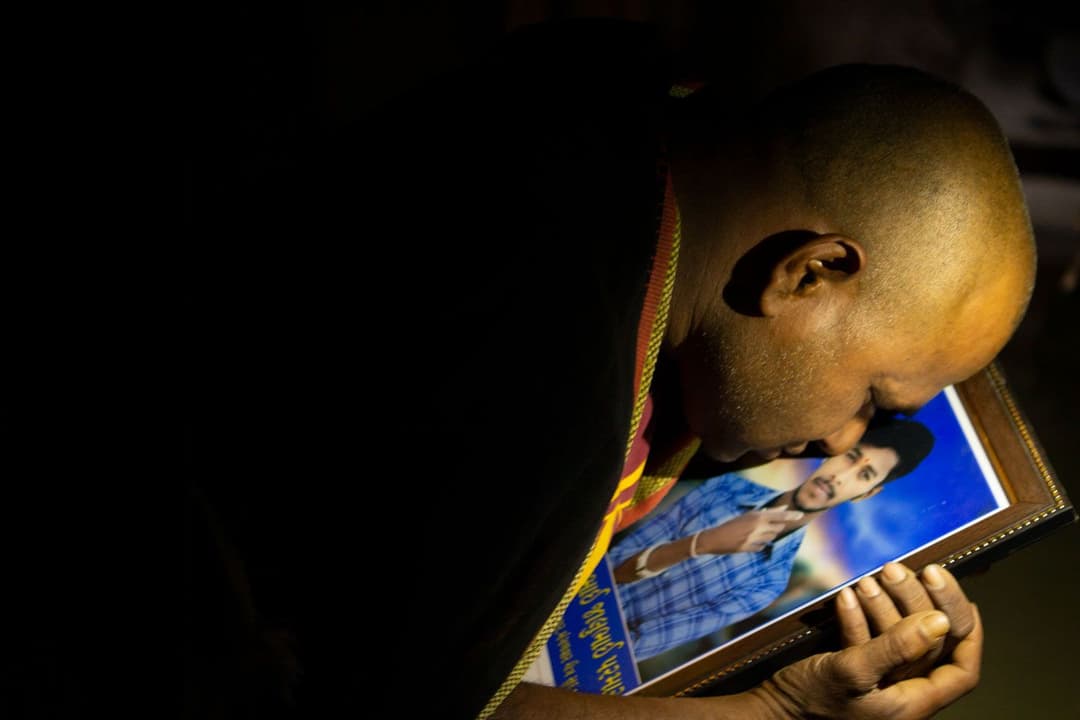
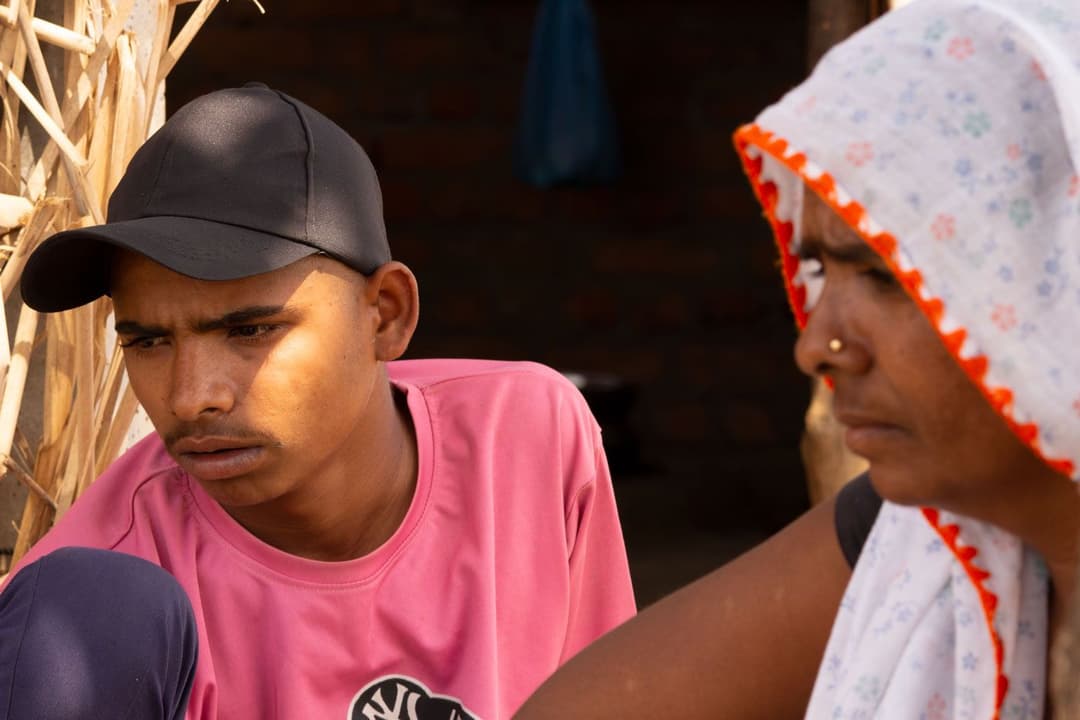
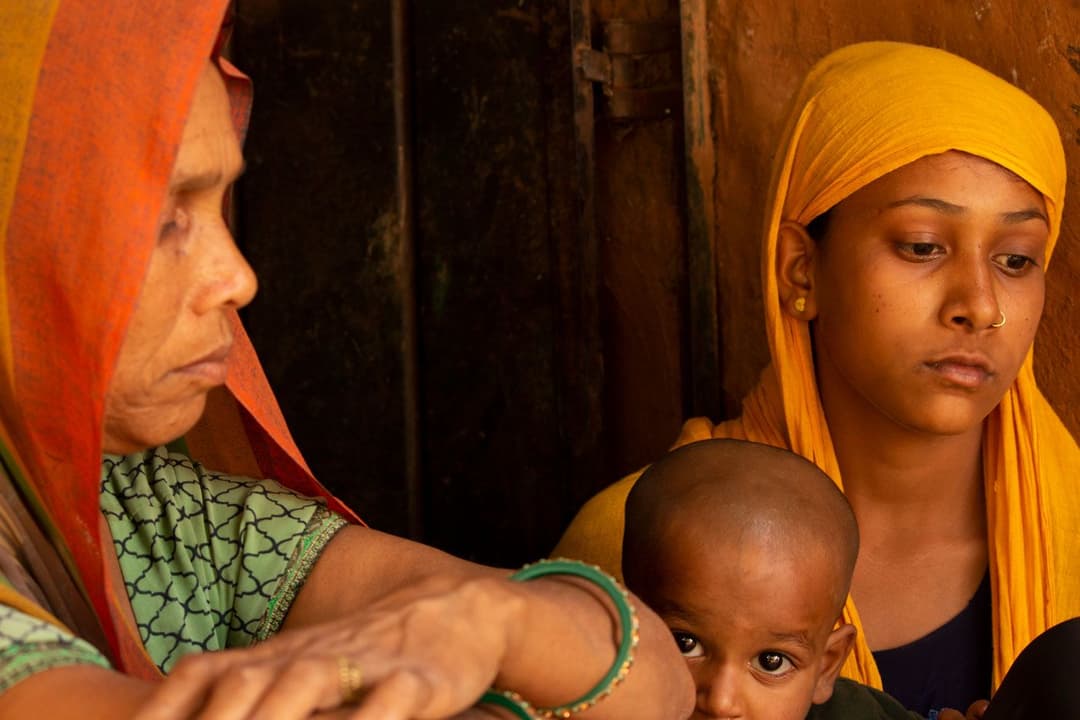
When we met Bhavesh, it had been less than a week since he lost his brother Paresh in front of his eyes, along with two other workers. He is visibly in pain, recalling the details of that tragedy. And speaks in a voice distinctly sad and depressed.
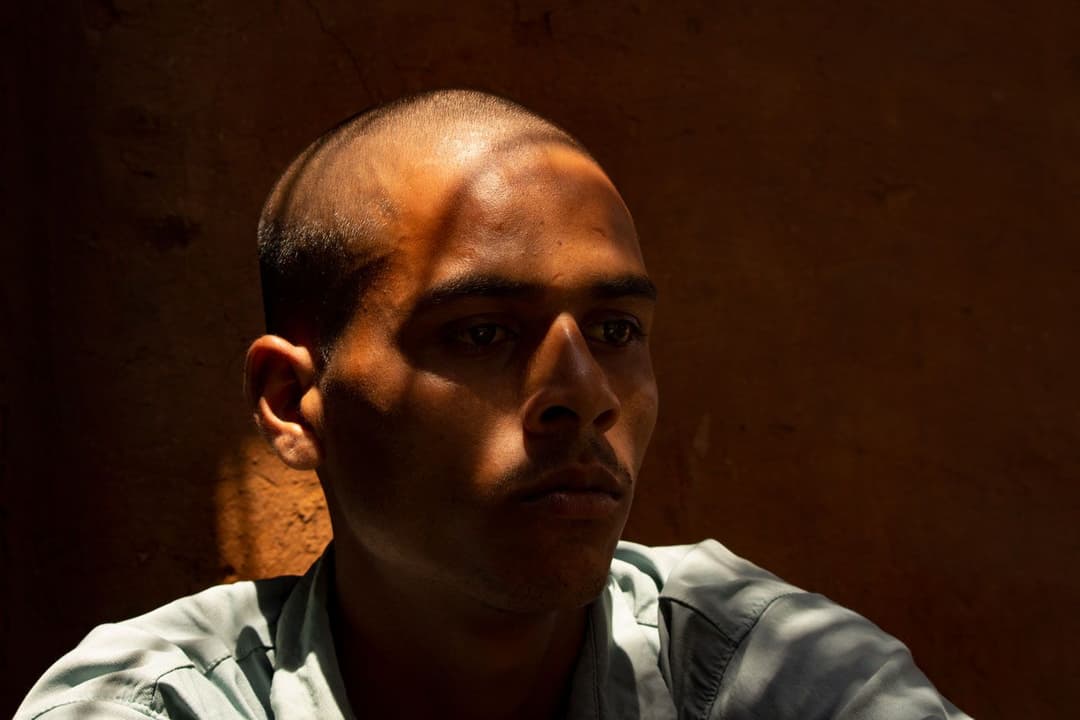
Bhavesh Katara, 20, from Kharsana village in Gujarat’s Dahod district is a ‘lucky’ survivor. He was one of only two who made it out alive in a disaster while five men – all Adivasis – were cleaning a toxic sewer chamber in the Dahej gram panchayat in Bharuch district. The other survivor is Jignesh Parmar, 18, from Balendiya-Pethapur also in Dahod.
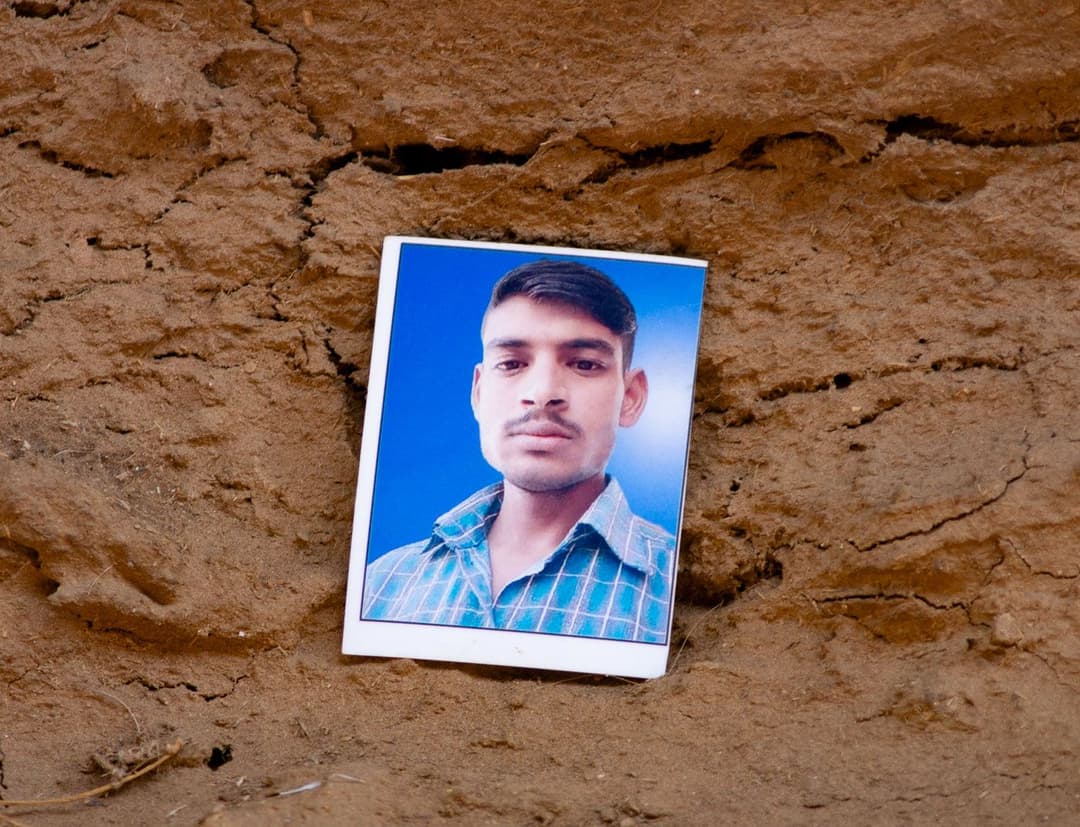
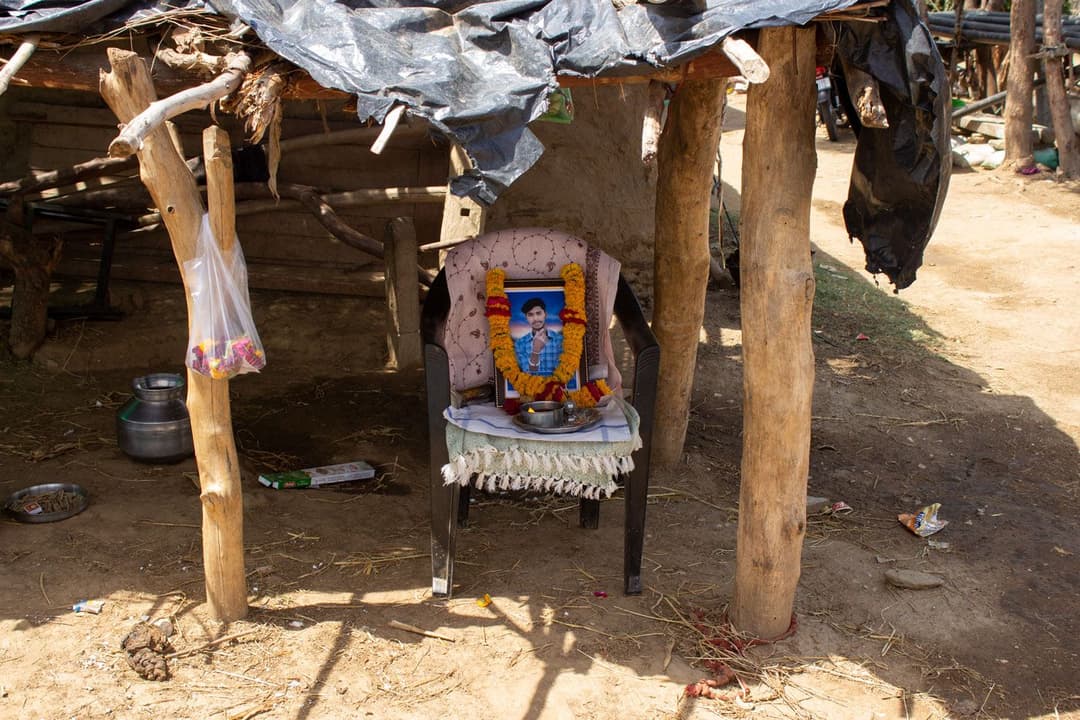
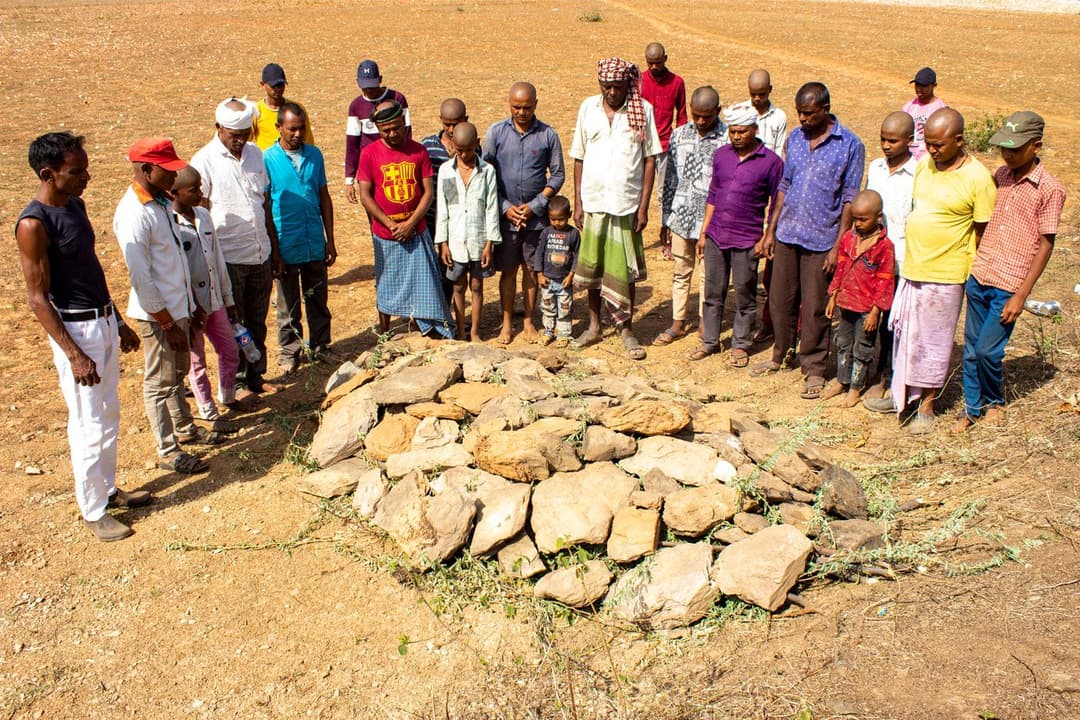
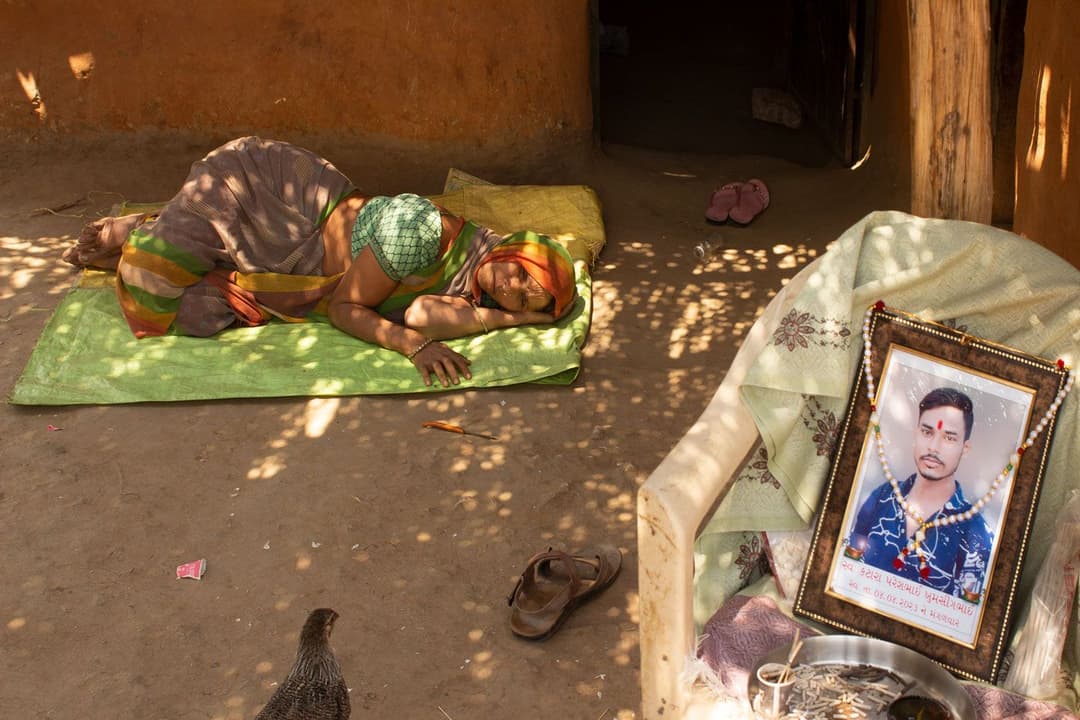
Working with them were Anip Parmar, 20, from the same village as Jignesh; Galsing Muniya, 25, from Dantgadh-Chakaliya in Dahod; and Paresh Katara, 24, was of course from the same village as his brother Bhavesh. These three died of asphyxiation in the sewer. [The ages cited here are taken from their Aadhaar cards and have to be treated as uncertain approximations. Those are often arbitrarily assigned by impatient low-level officials].