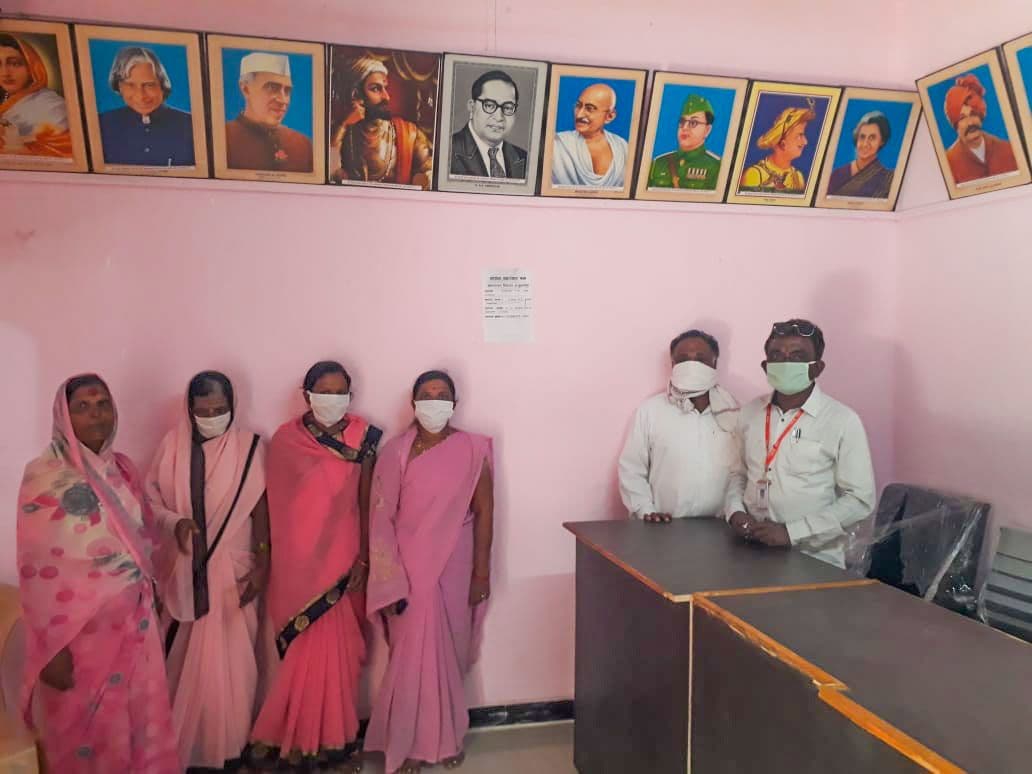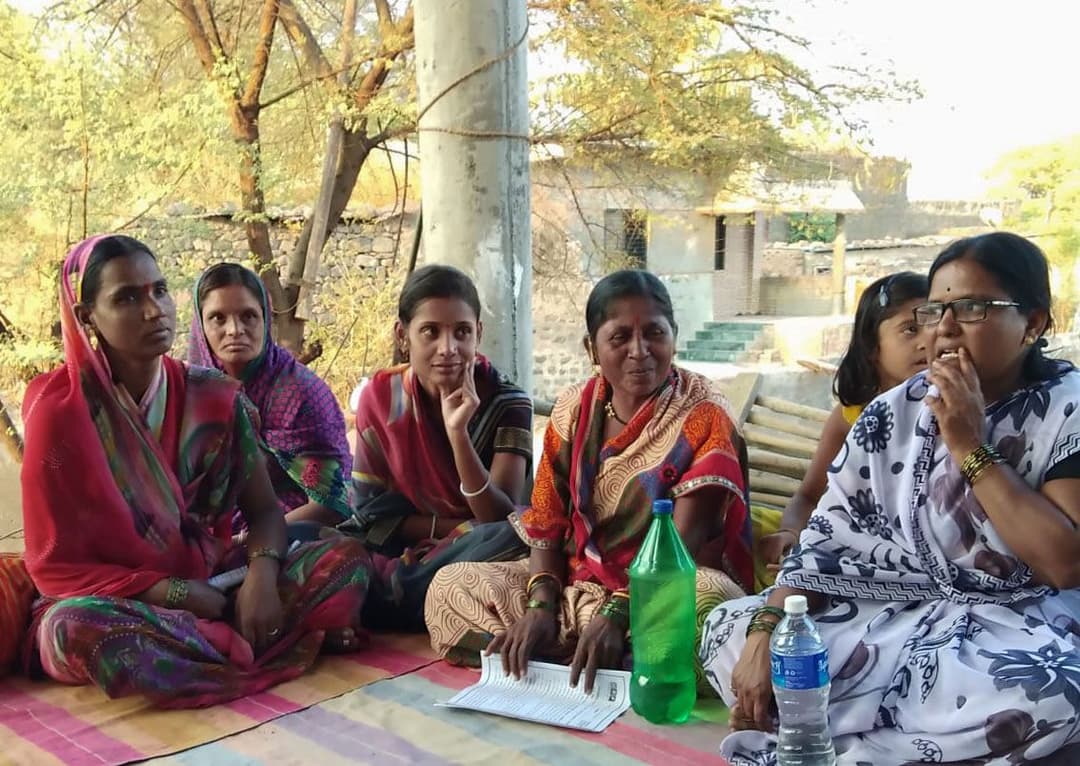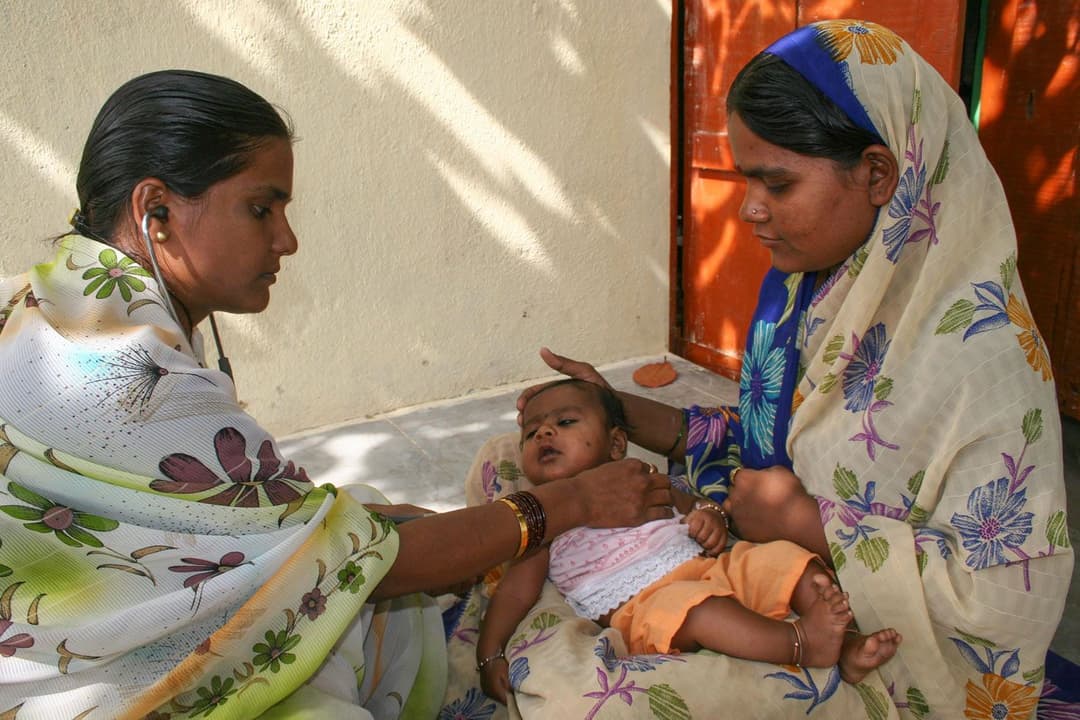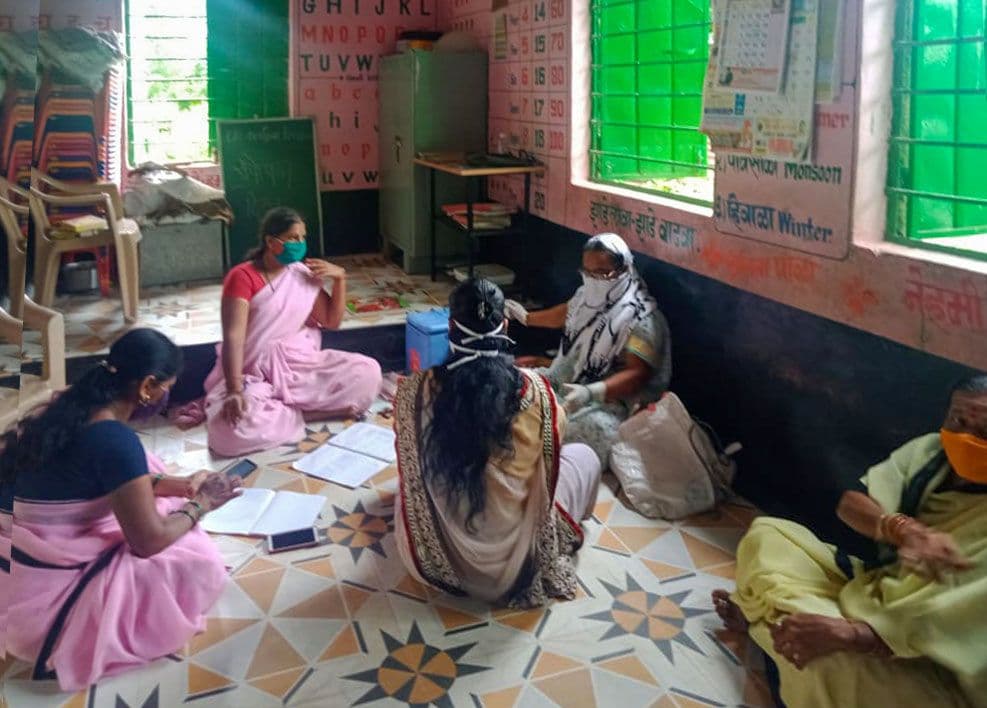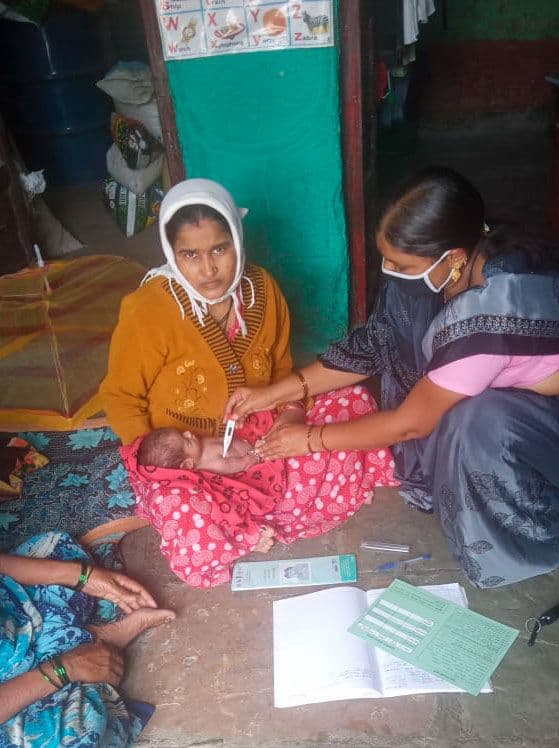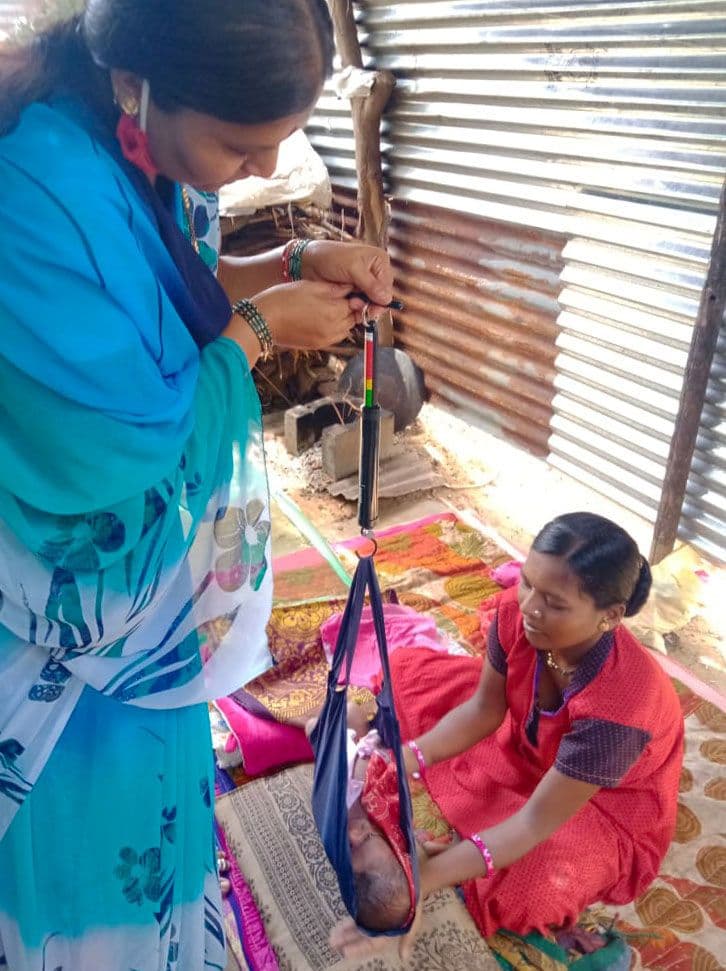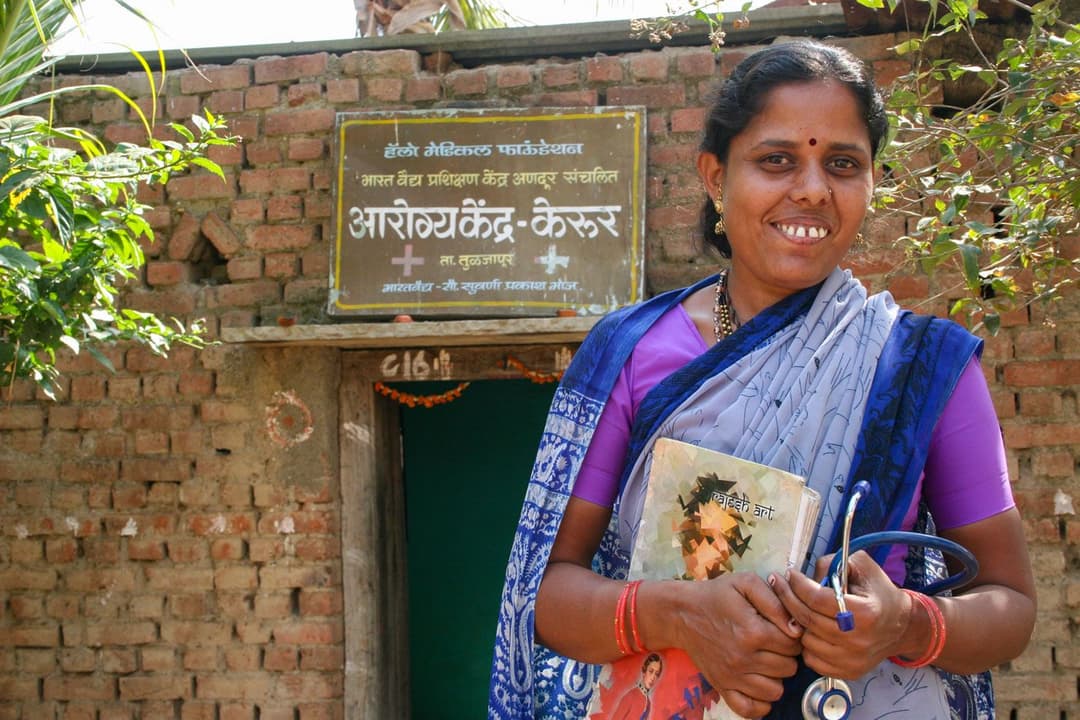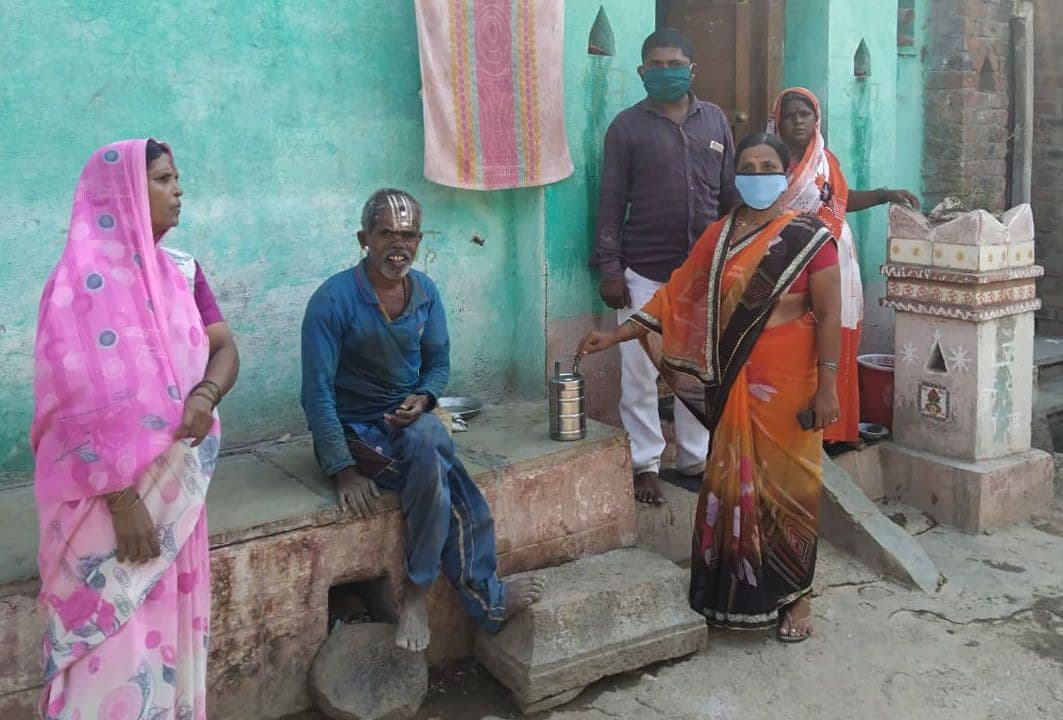

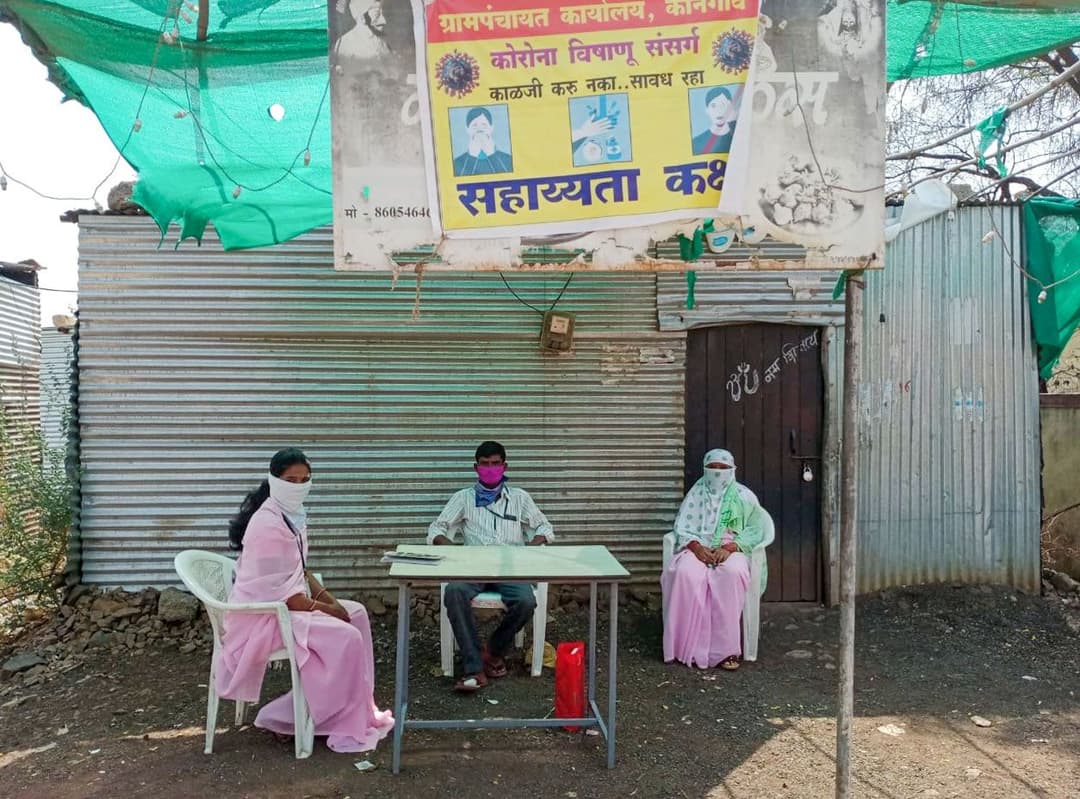
“We have gone through a lot of strain during the lockdown. Apart from the Covid-19 surveys, I handled 27 childbirths from just April to July. Right from the mother’s check-up to taking her to the primary health centre for delivery, I was there for all of them,” says Tanuja Waghole, an ASHA worker – accredited social health activist – in Nilegaon village of Osmanabad district.
After the lockdown was imposed at the end of March, Tanuja began waking up at 4 a.m. (instead of her usual 7:30) to complete housework and cook for her husband and two sons, before setting out every day. “If I don’t start by 7.30, I won’t get to meet everyone. Sometimes, people leave their homes early just to avoid us and our instructions,” she says.
And instead of only 3-4 hours of ASHA work a day for around 15-20 days a month, 40-year-old Tanuja, who has been an ASHA since 2010, is now on her rounds for about six hours a day nearly every day.
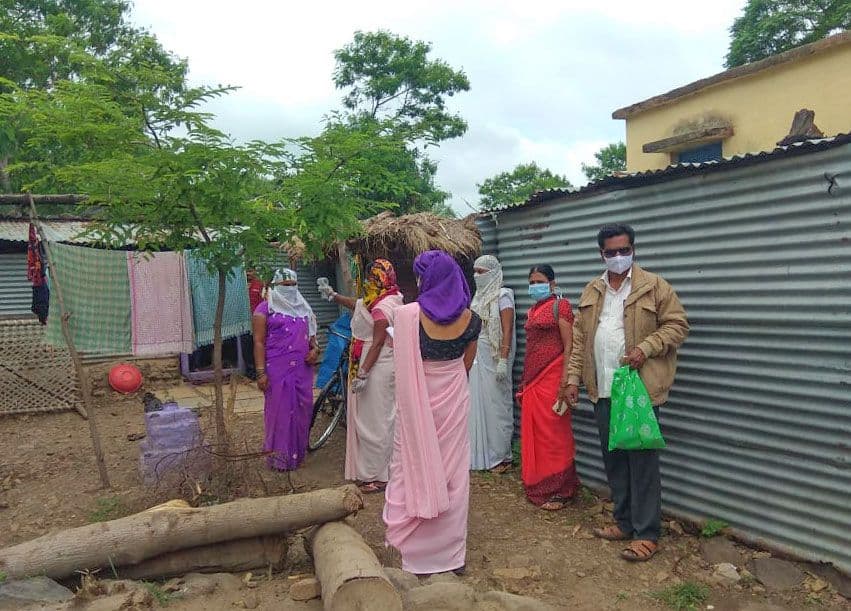
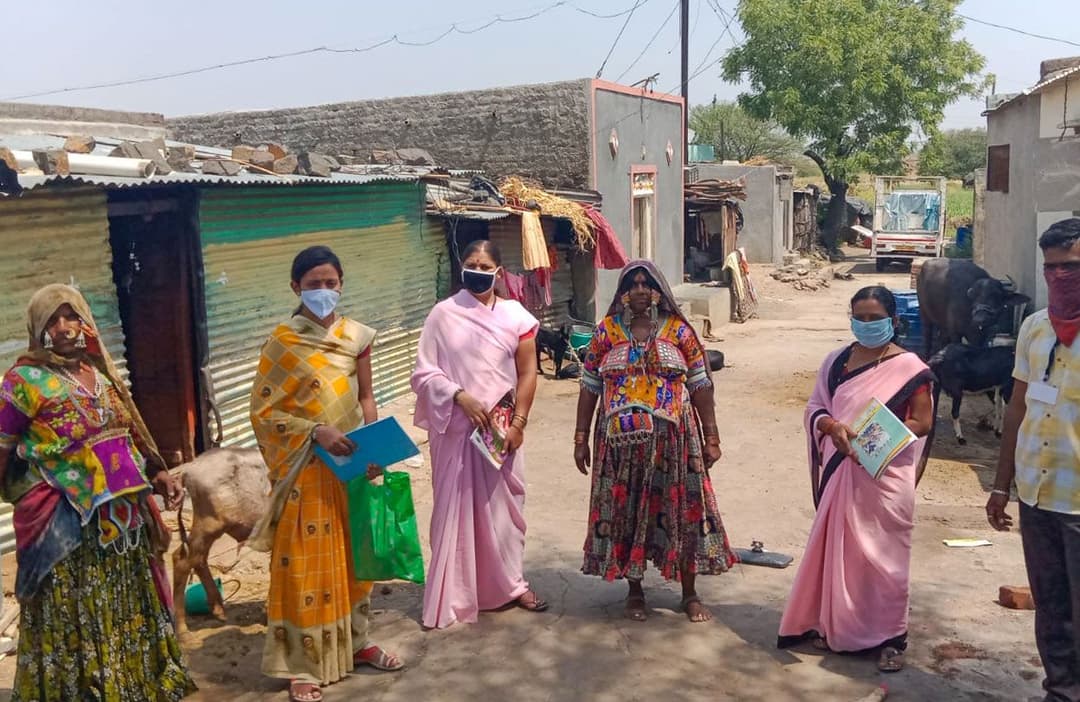
The Covid-19 survey began on April 7 in Nilegaon village of Tuljapur taluka. Tanuja and Alka Mulay, an ASHA colleague, have together been visiting 30-35 homes in their village every day. “We go door-to-door and check if anyone has fever or any other coronavirus symptom,” she says. Anyone complaining of fever is given paracetamol tablets. If they have coronavirus symptoms, the primary health centre in Andur village, 25 kilometres away, is alerted. (The PHC then sends someone to the village to collect samples for a Covid test; if the test result is positive, the person is moved to the Rural Hospital in Tuljapur for quarantine and treatment.)
The ASHA workers take almost a fortnight to cover all the households in the village –then they start again. On the periphery of Nilegaon are two tandas – settlements of the once nomadic Laman community, a Scheduled Tribe. The total population of the central village and tandas is about 3,000, estimates Tanuja. (Census 2011 lists 452 households in Nilegaon.)