“The apricots taste different now.”
“I remember having snow up to my knee.”
“We always had rain, but never this much damage. We are afraid.”
“It’s getting hotter earlier now.”
“We don’t know why it’s happening –and we are unprepared.”
“The glaciers have receded by at least a kilometre.”
“There is no doubt that climate change is happening.”
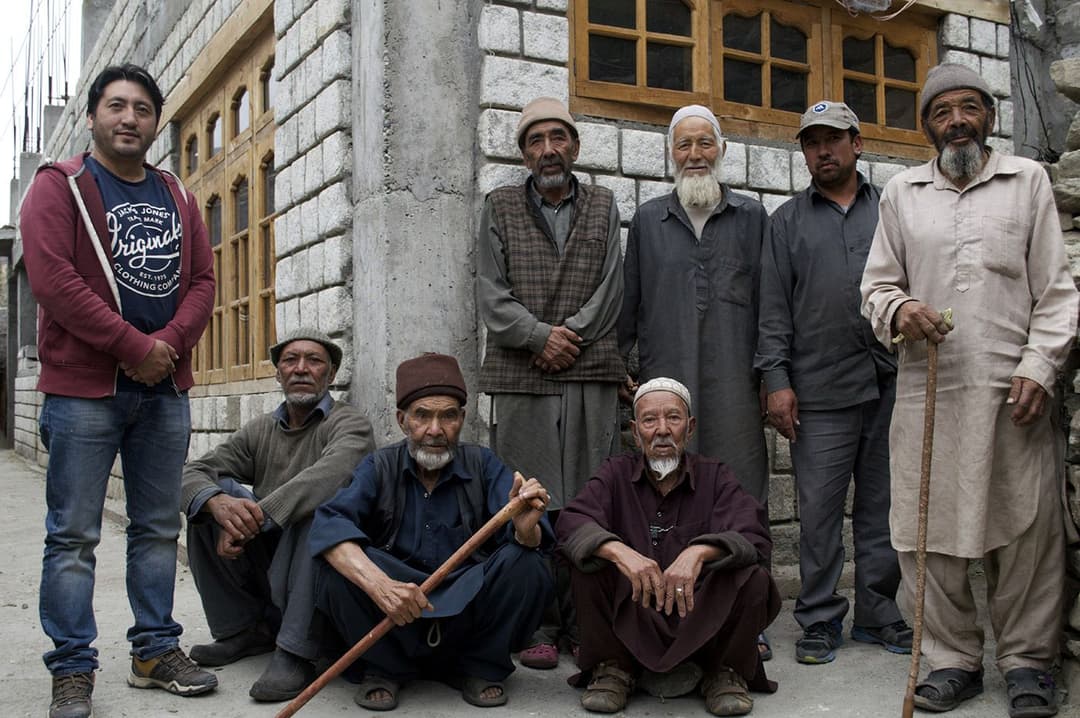
From the city of Leh to the villages of Nubra Valley and across generations and occupations these are voices desperate to be heard. The damage that the people here have seen over the past six years because of flash floods, mudslides, landslides and severe rains adds up to crores of rupees.
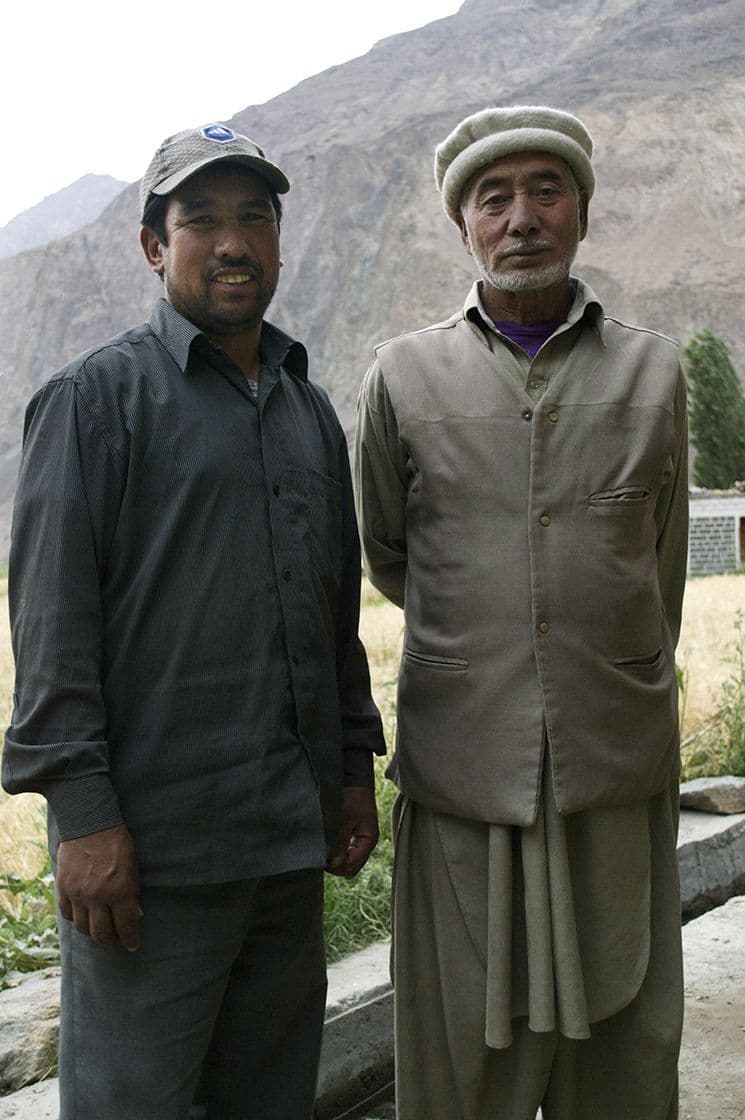
Gulam Mohammed, owner of Shayok Guesthouse, knows about the growing climate changes in his village, Turtuk, and in the neighbouring village of Chulungkha. He says: “The problem is that we were and still are unprepared for the changes that will come.”
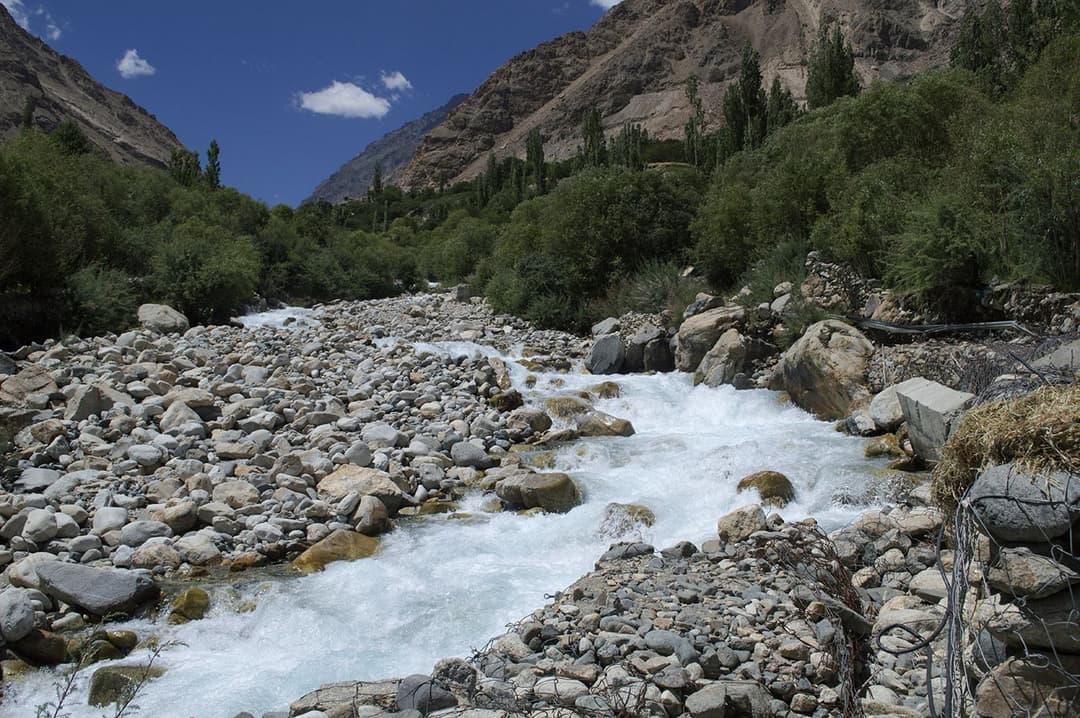
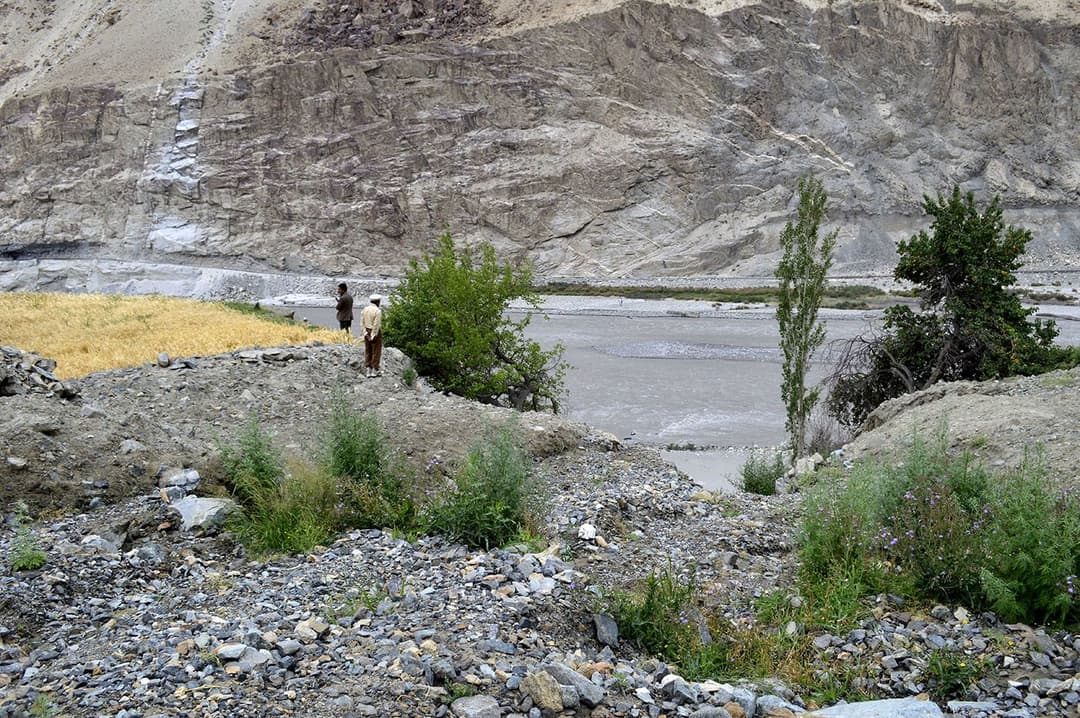
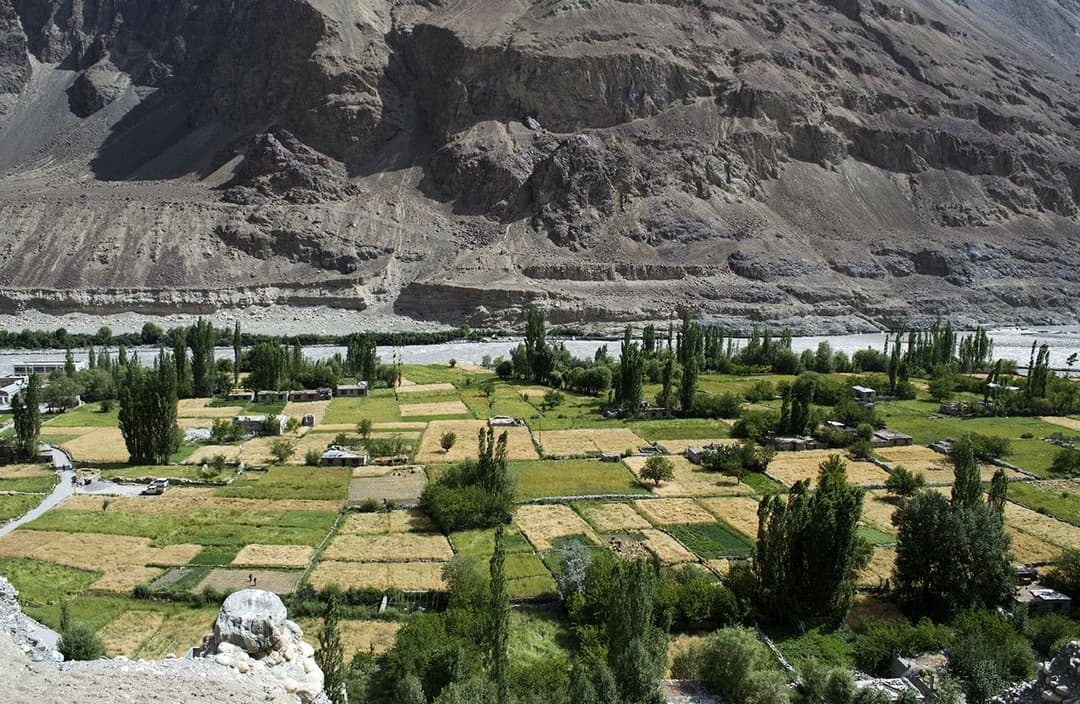
Nubra is a high altitude cold desert with bitingly low temperatures, scanty rainfall and epic glaciers. Turtuk sits on a hilltop in this region, surrounded by mighty mountains and green fields along the grand Shayok river. Once a stopover on the ancient Silk Route, the village is 3,000 metres above sea level. It is 10 kilometres away from the Line of Control (LoC) between India and Pakistan, and an eight-hour drive north of Leh.