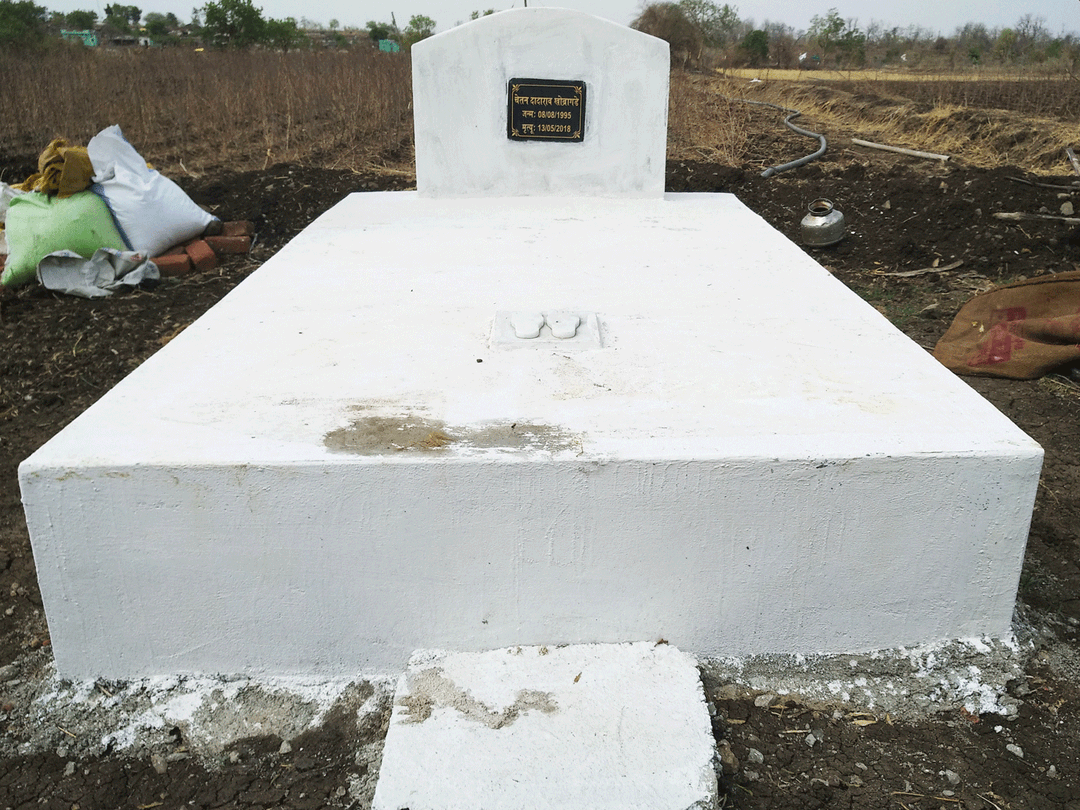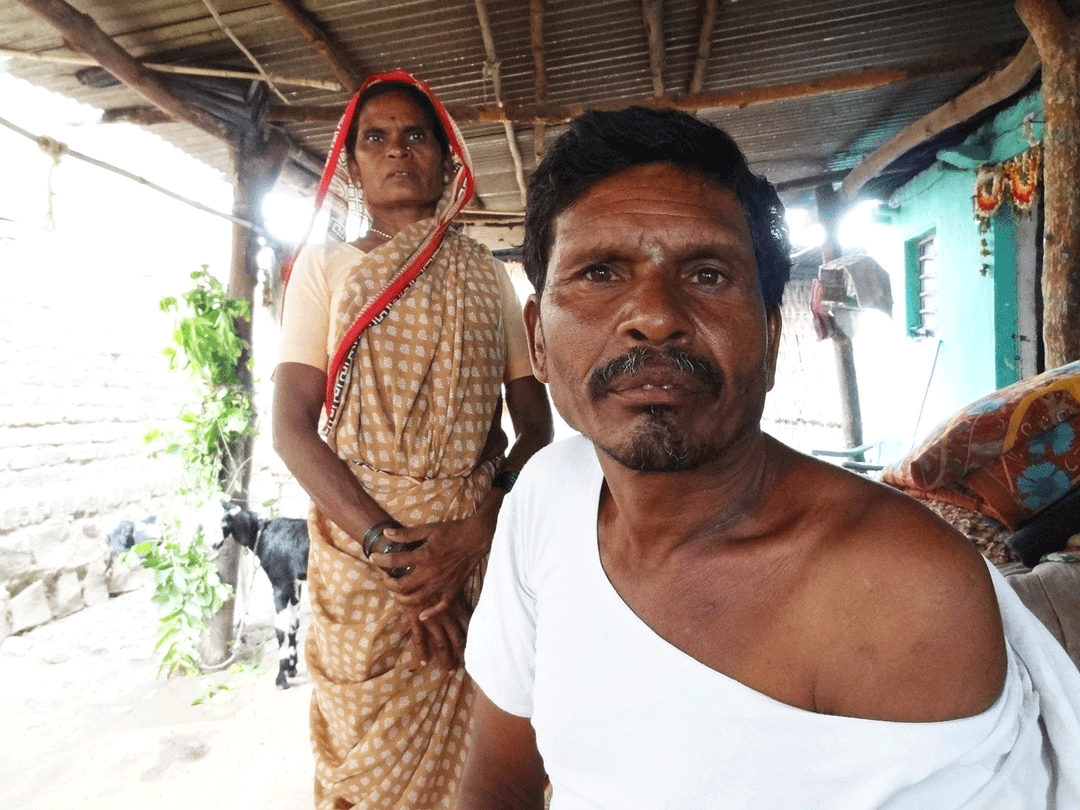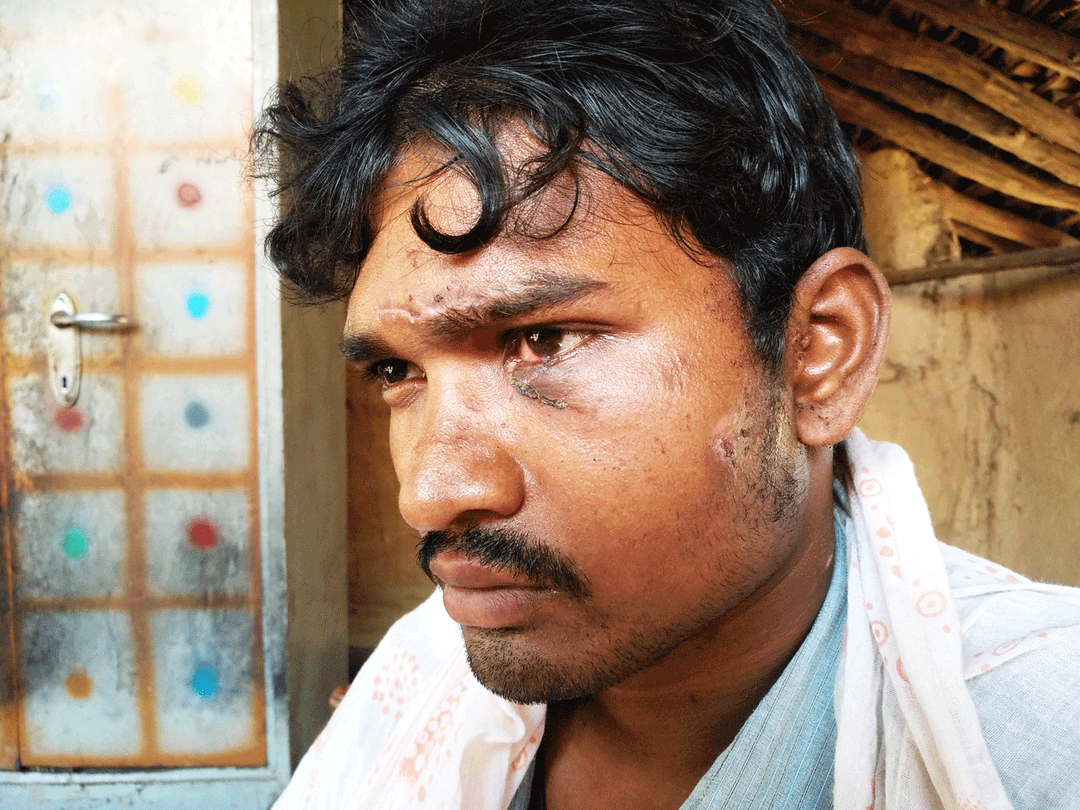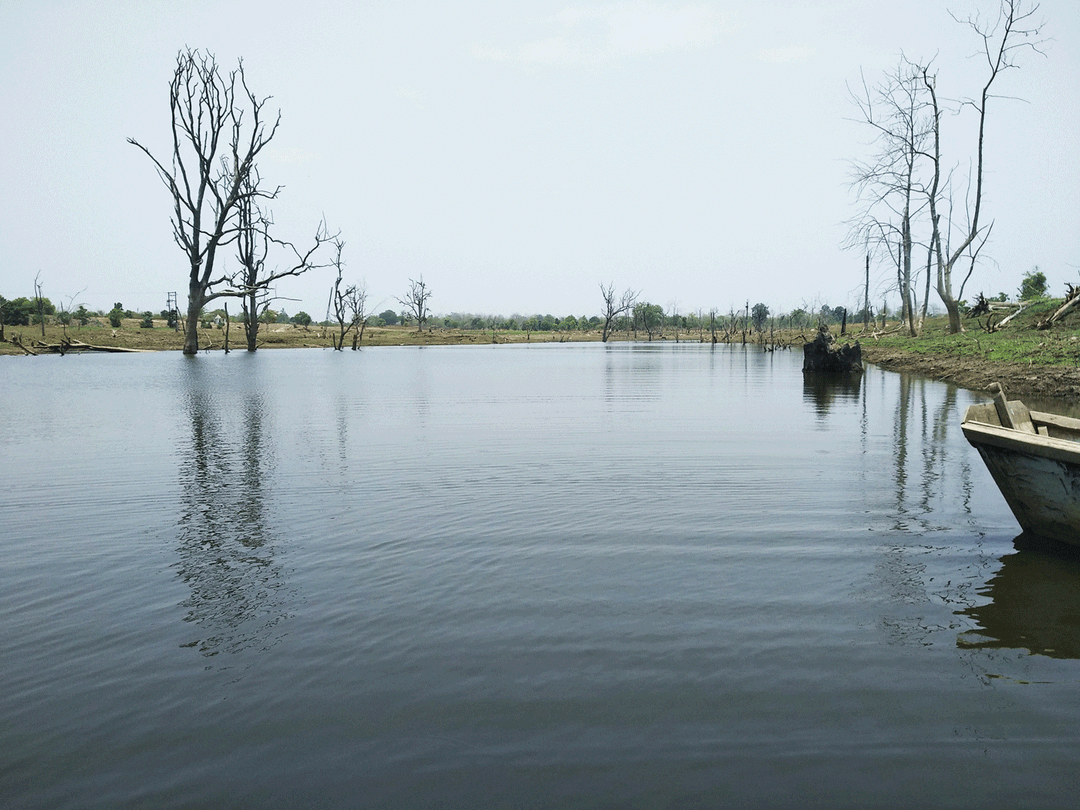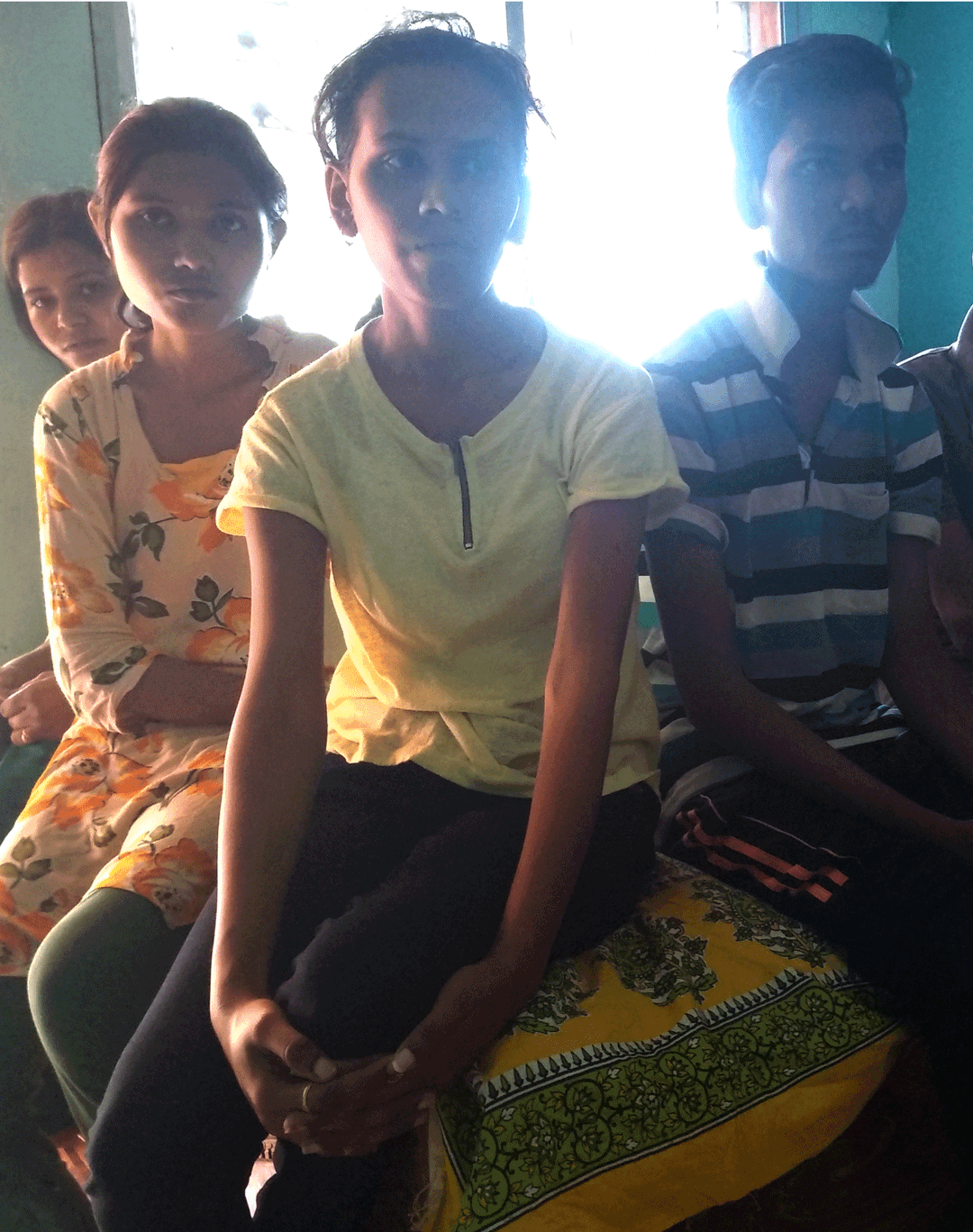

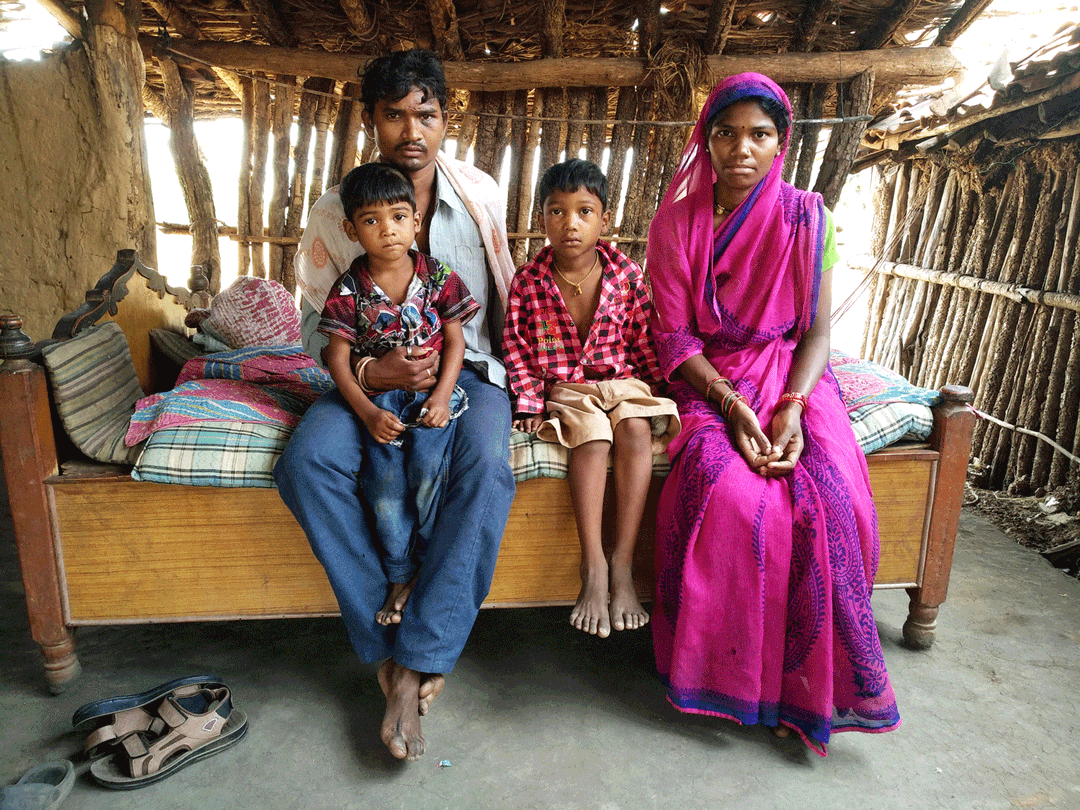
A small plaque on a five feet by ten feet brick and cement structure in the middle of the farm reads: ‘Chetan Dadarao Khobragade. Birth: 8/8/1995. Death: 13/5/18’. His parents built this memorial at the spot where their son was killed by a tiger.
At 23, Chetan was awaiting his elder sister Payal’s marriage, then planning to get married himself. “We knew there was a tiger in our vicinity,” Payal, 25, says. “We could not have thought even in our wildest dream that he would be killed by a tiger, that too on our own farm.”
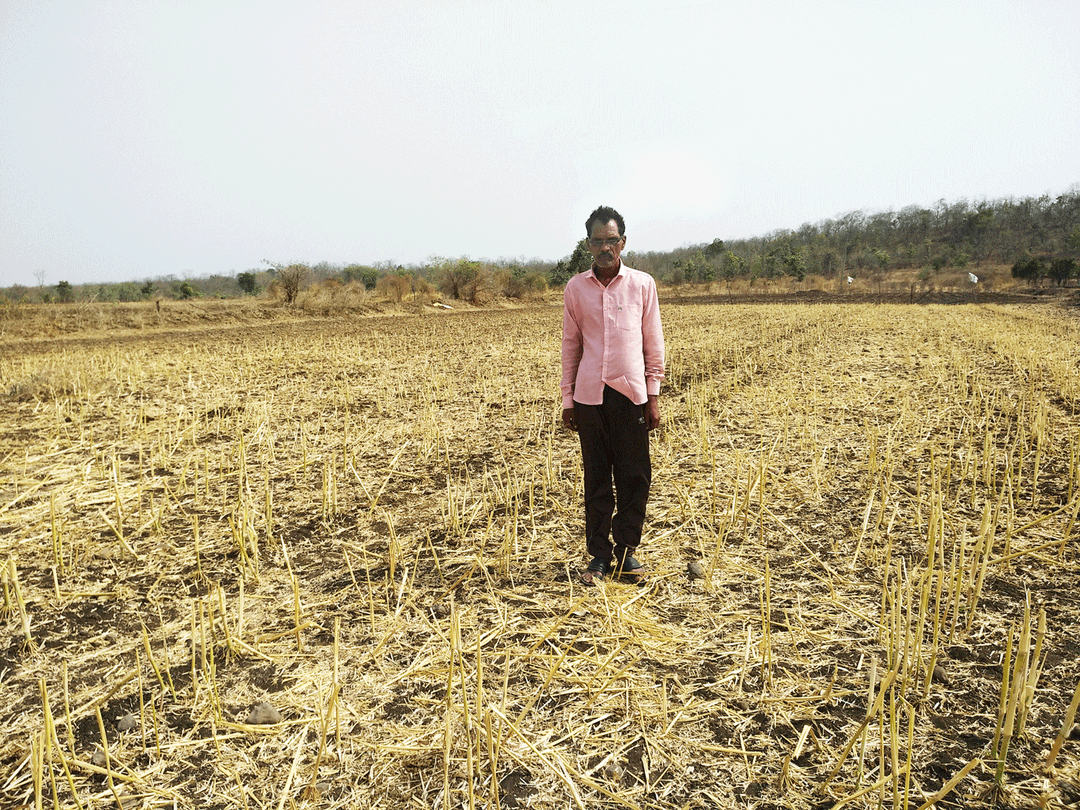
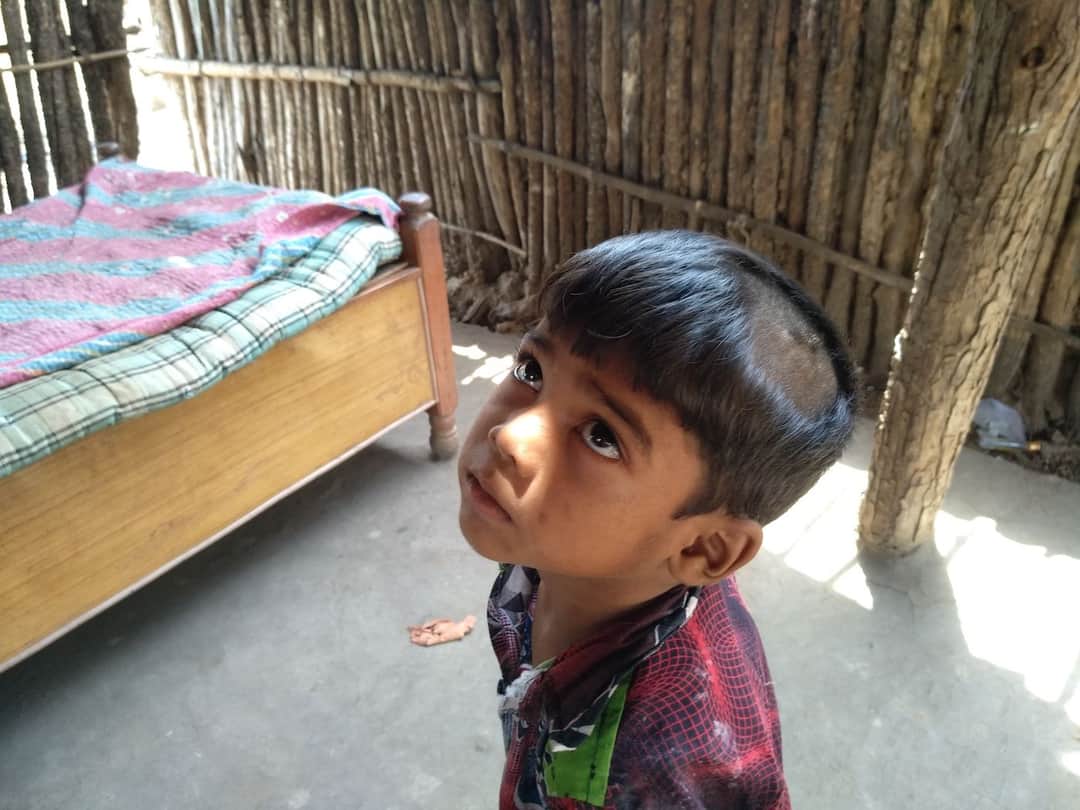
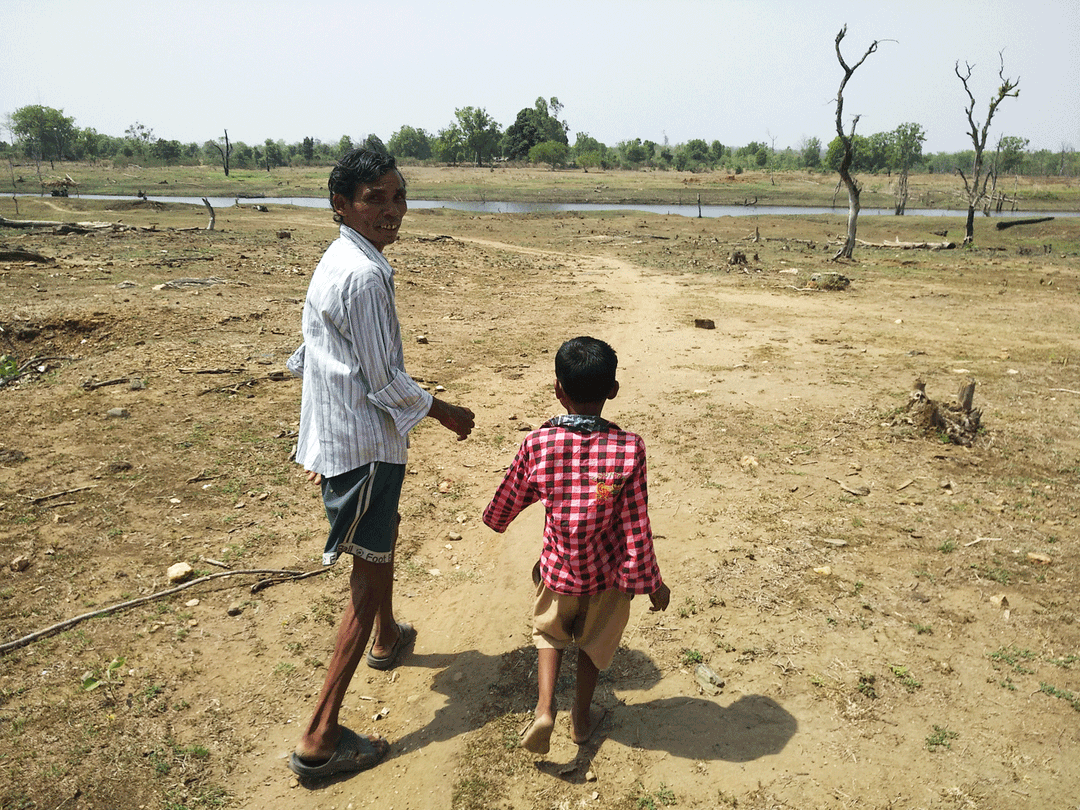
It was around 6 p.m. on that hot May day. Chetan went to his farm in Amgaon village to fetch green fodder for his cows. When he did not return home by 7 p.m., his youngest brother Sahil, 17, and their cousin Vijay, went searching for him. They saw Chetan’s sickle lying on the ground. The family’s five-acre field is barely 500 metres from their home, across the road, beyond which are dry and deciduous teak and bamboo forests.
They both screamed, “Wagh, wagh [Tiger, tiger],” and began calling others for help. At some distance, amid the green shoots of the kadyalu fodder crop, was Chetan’s badly mauled body. He had been killed by a tiger that the entire village knew was on the prowl in the vicinity.
“We saw the tiger going into the forest,” Vijay says, pointing to the patch of forests adjoining the farm. It was a full-grown tiger, he recalls, that was perhaps hungry and thirsty.
A shrinking of common lands
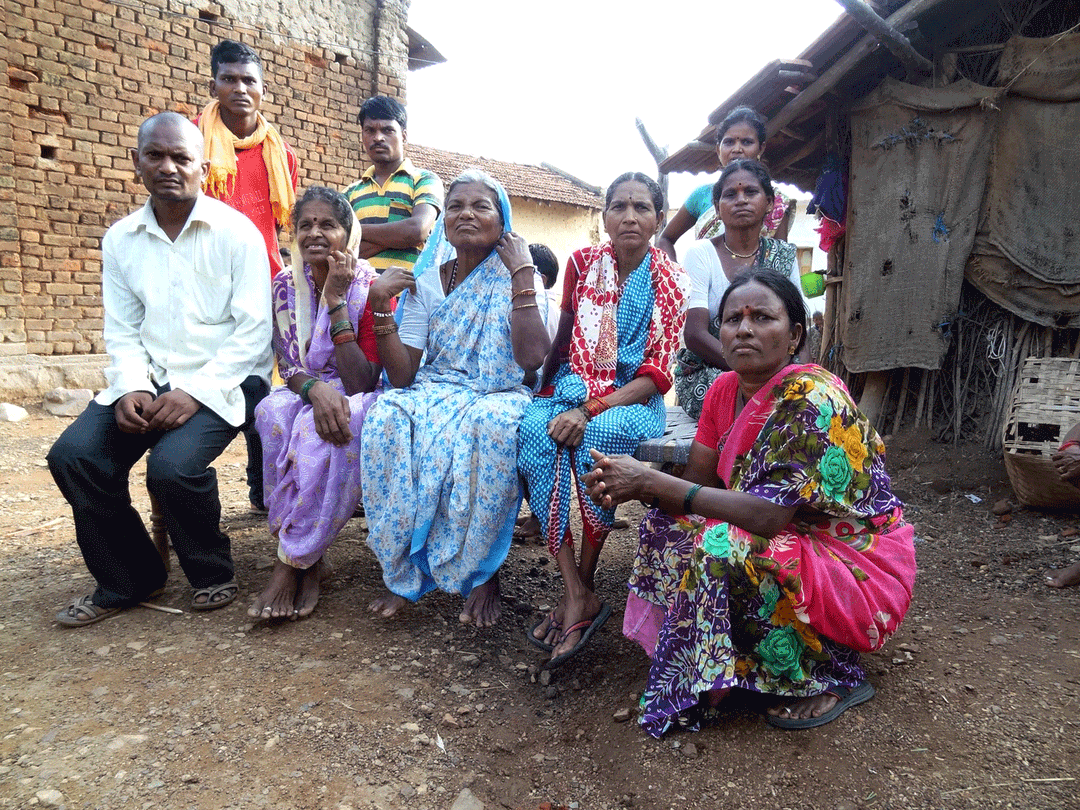
The death of a young man, who led the social and political functions of this small community, sank the people of Amgaon (locals call it Amgaon-Junglee) into a fearful and gloomy silence. Even when the rains came, the fields remained barren – people didn’t dare venture into the fields
The village in Wardha district’s Seloo taluka, is located in the buffer zone of the Bor Tiger Reserve. In the buffer, there are restrictions, under the Wildlife Protection Act on the use of pasture or common lands, construction and grazing. It is a zone between the core (or inviolate) areas of protected forests where human entry is regulated by the forest department, and the territorial forests or areas beyond the buffer in which villages exist.
The Bor reserve is one of the newest and smallest in the country, about 50 kilometres from Nagpur. It became a tiger reserve in July 2014, and covers just 138 square kilometres.