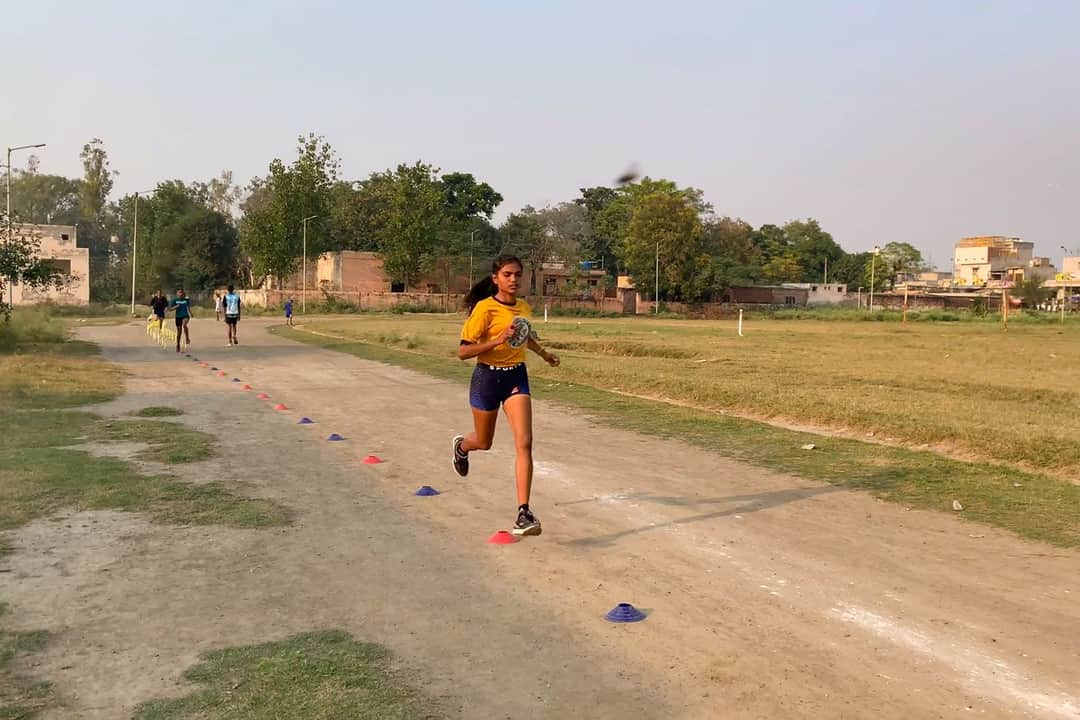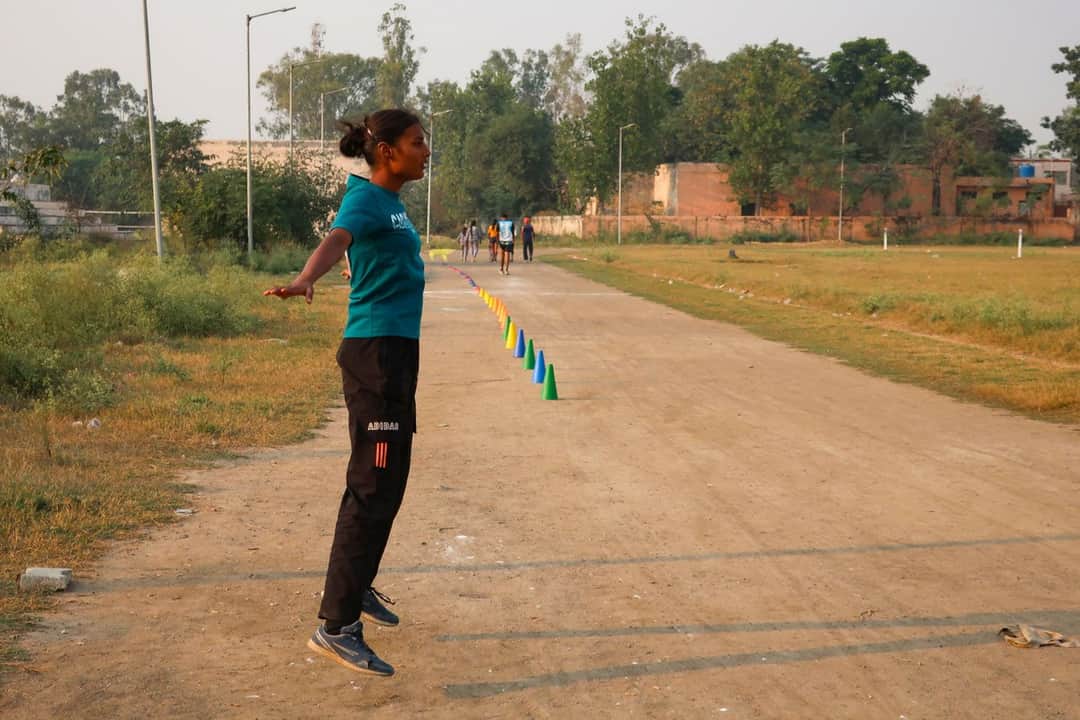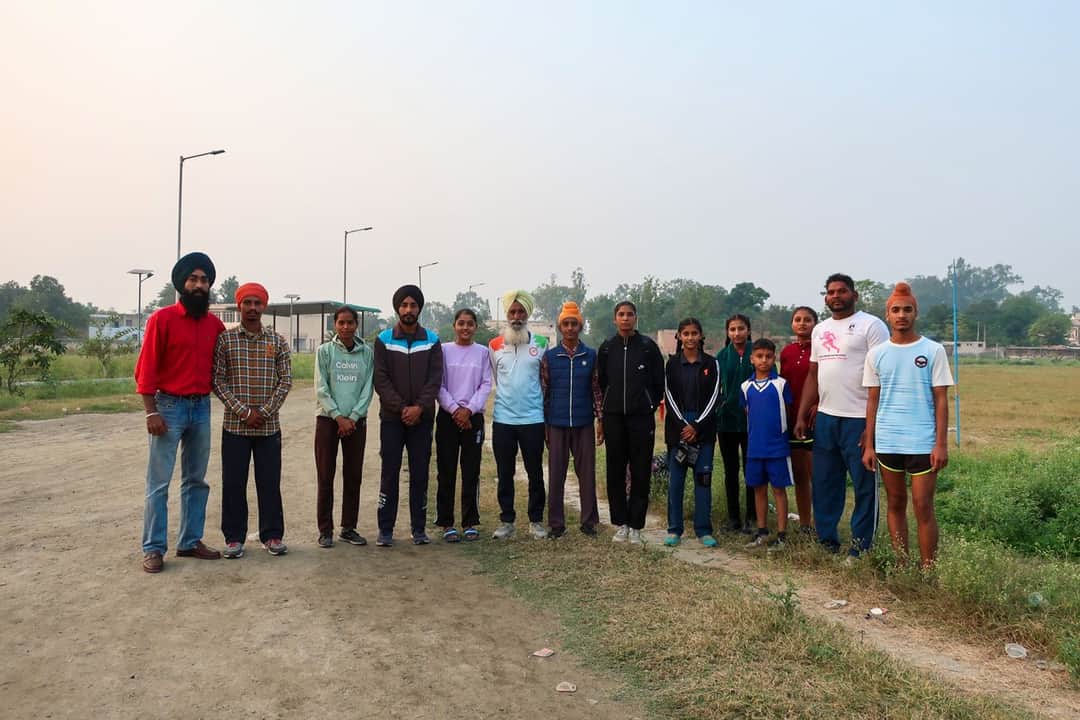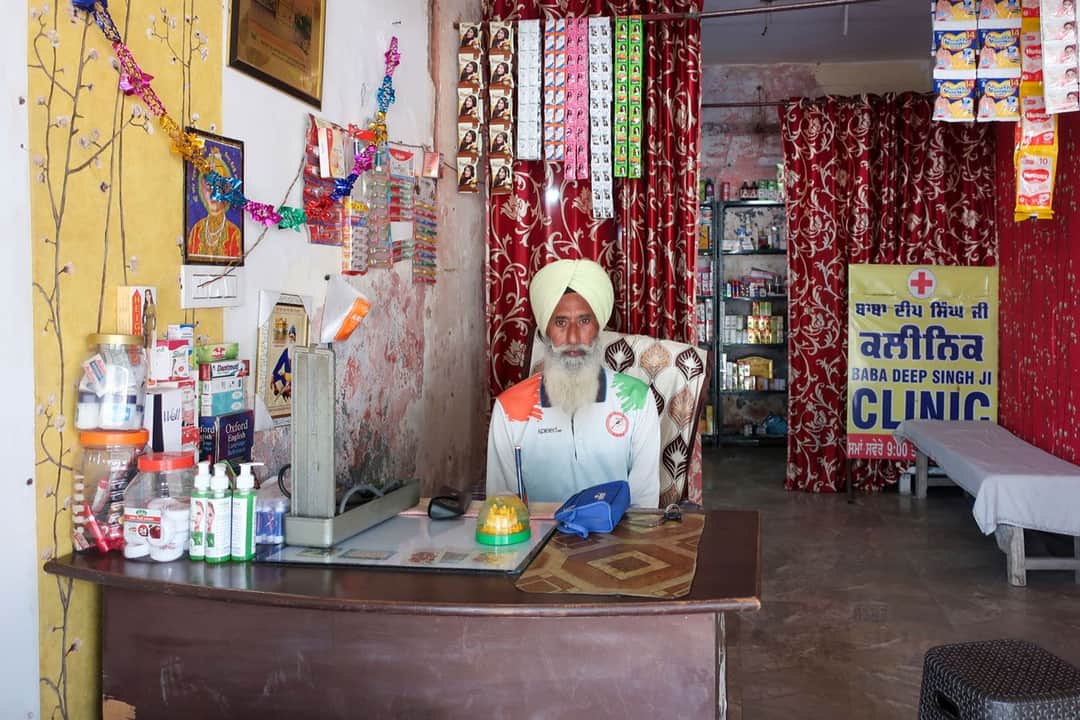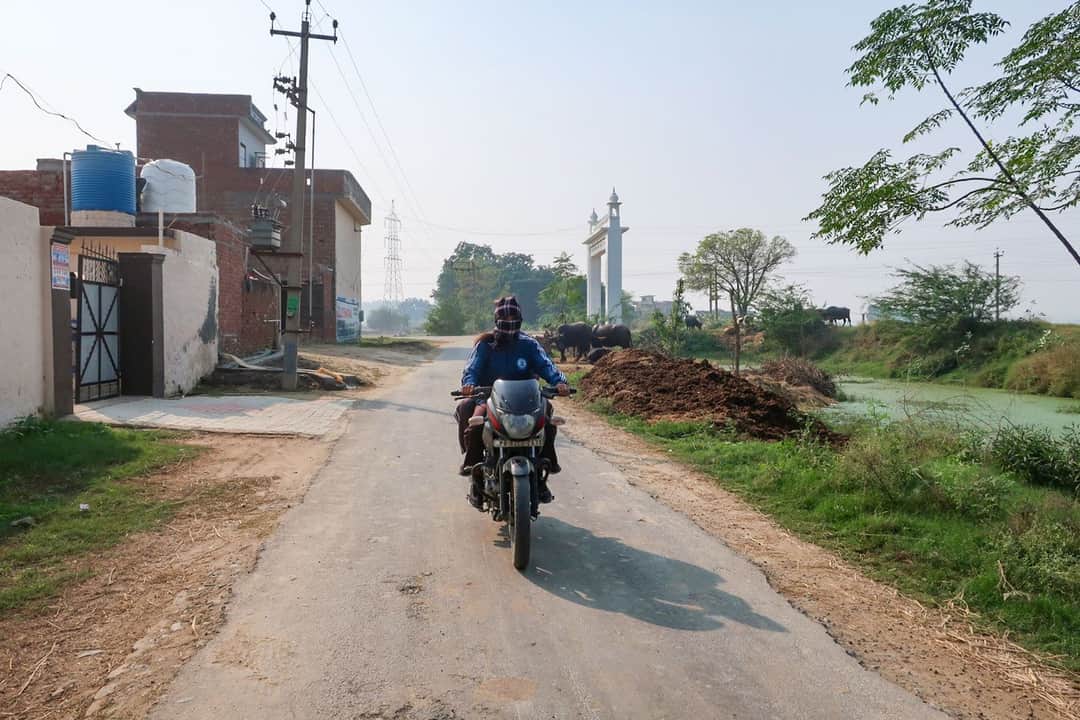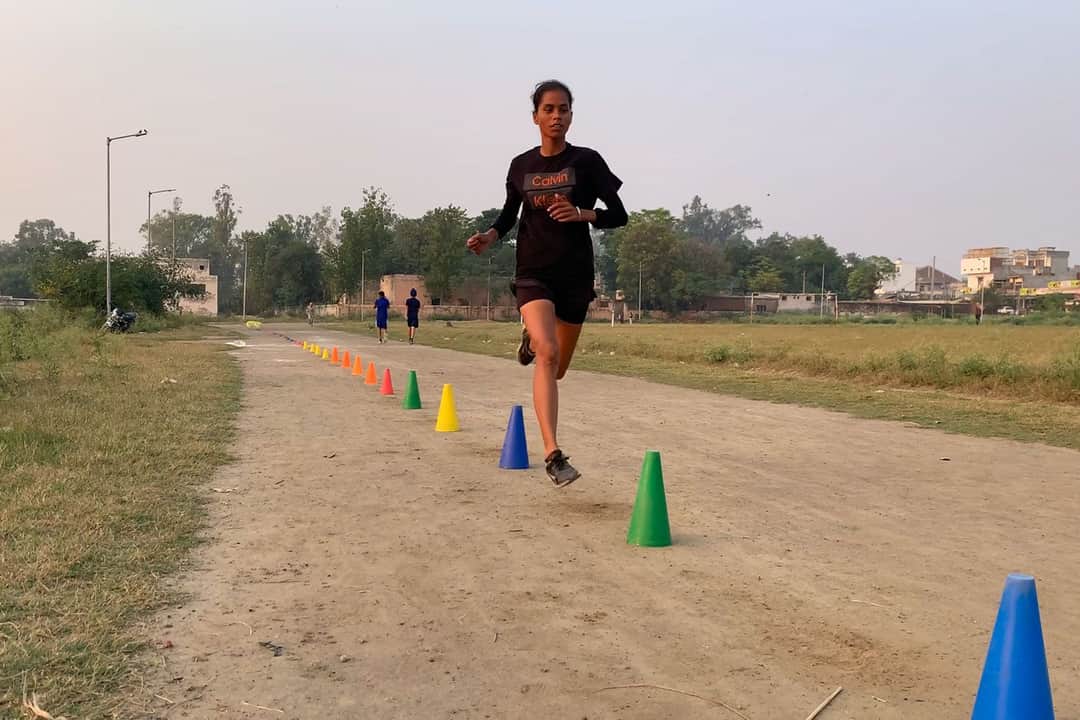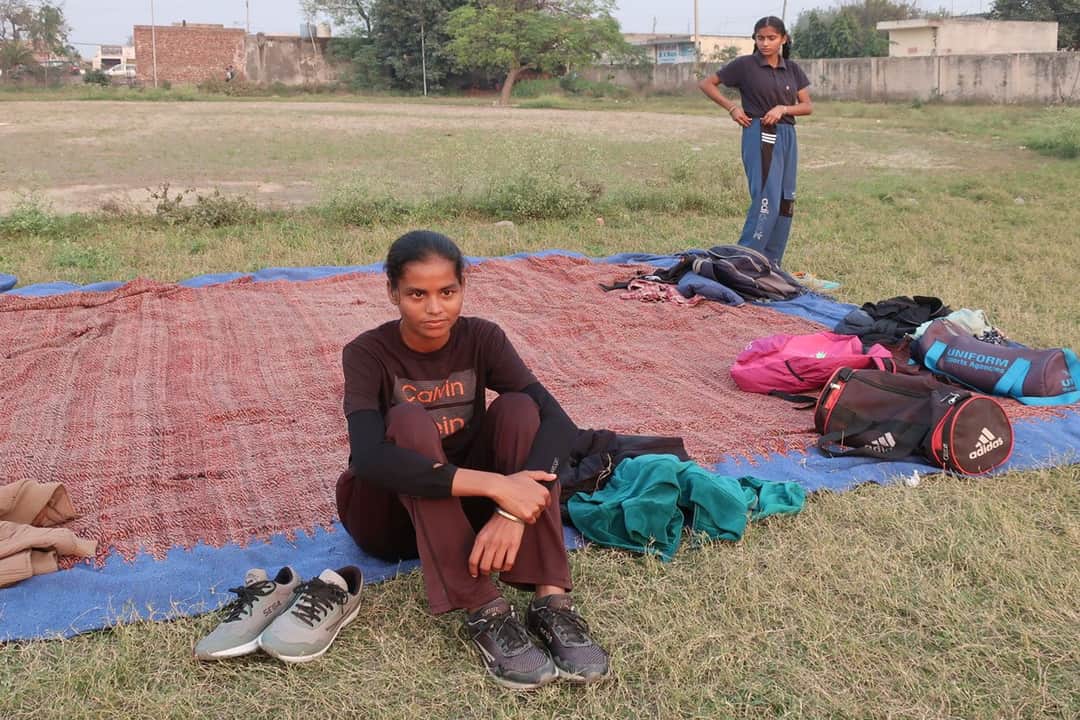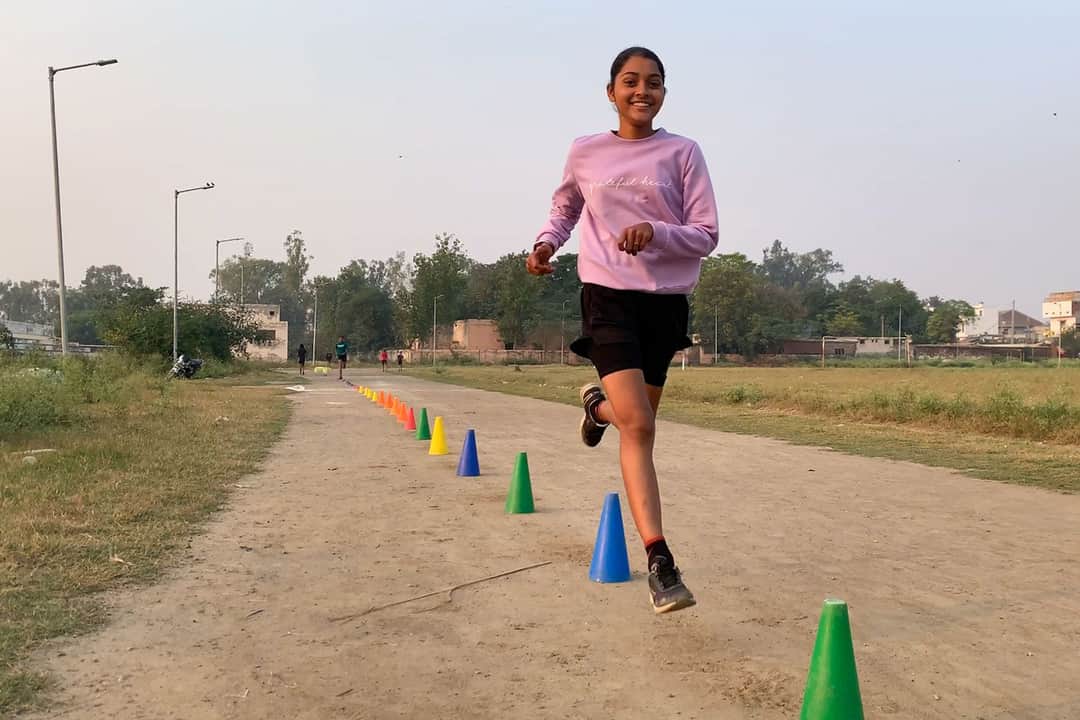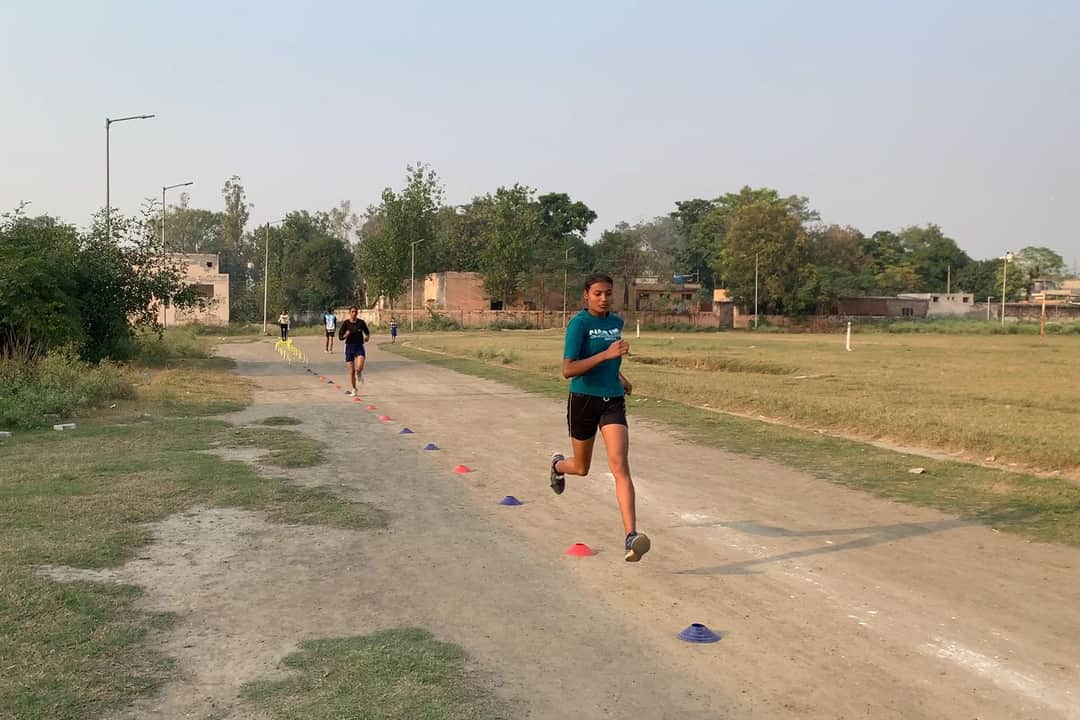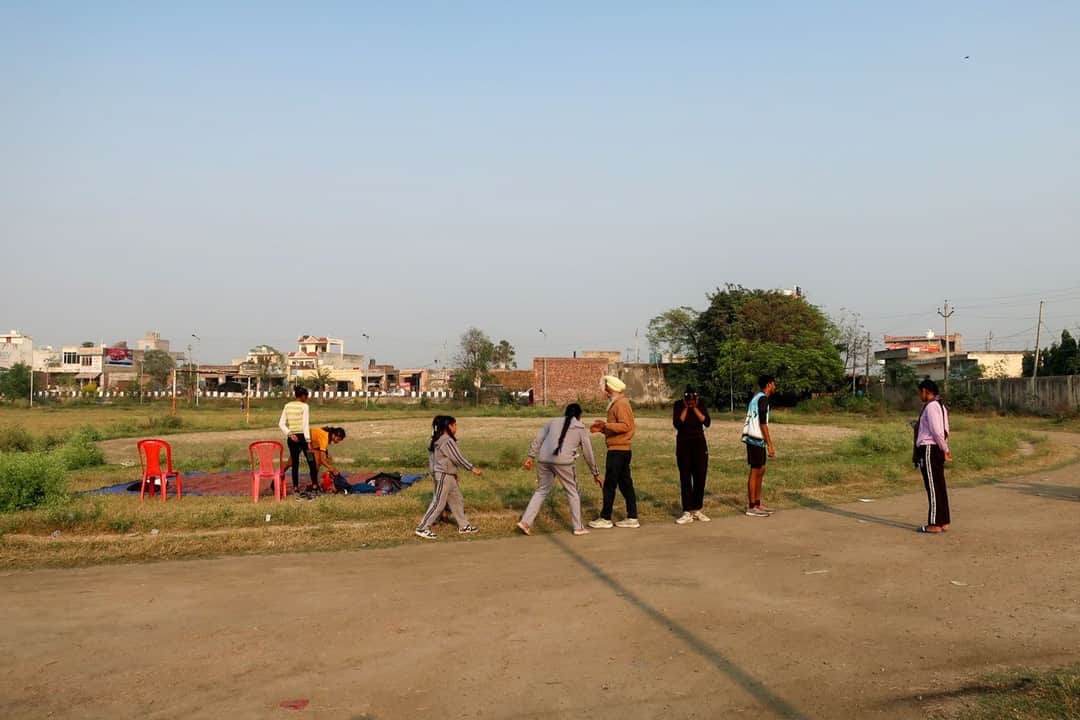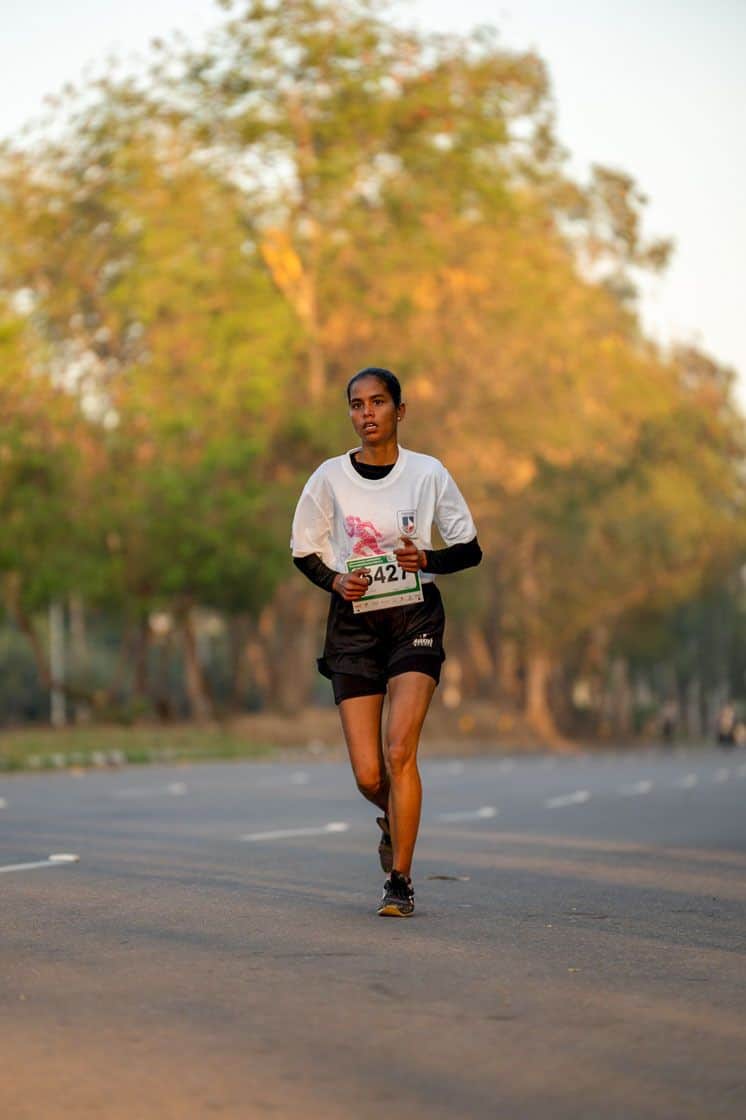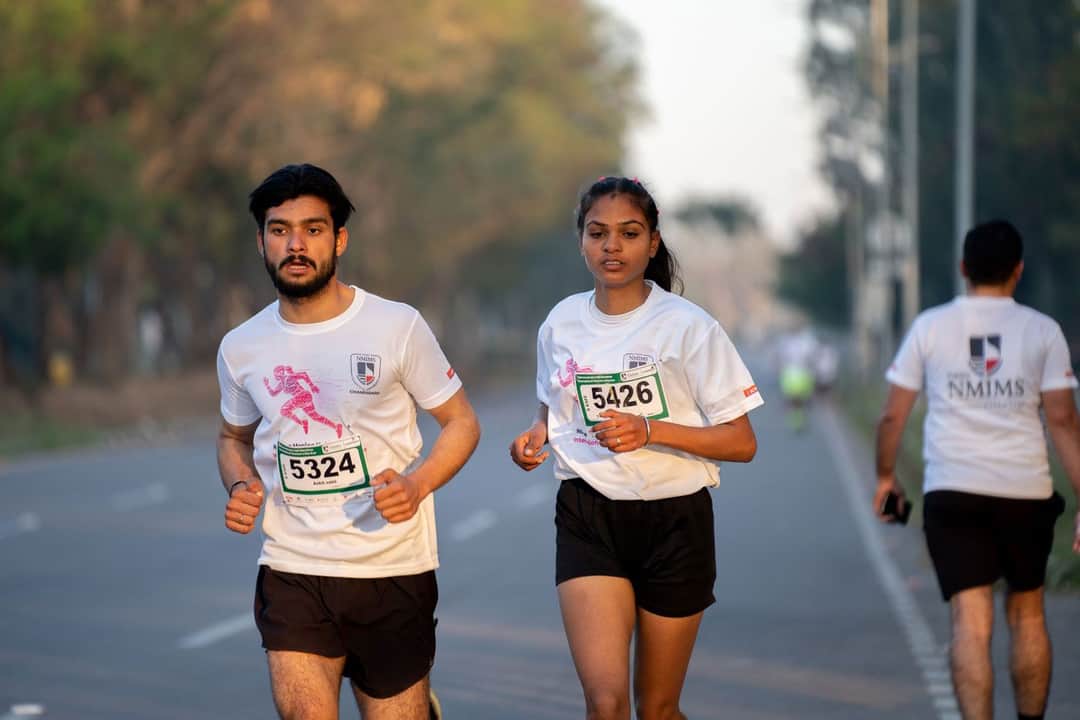

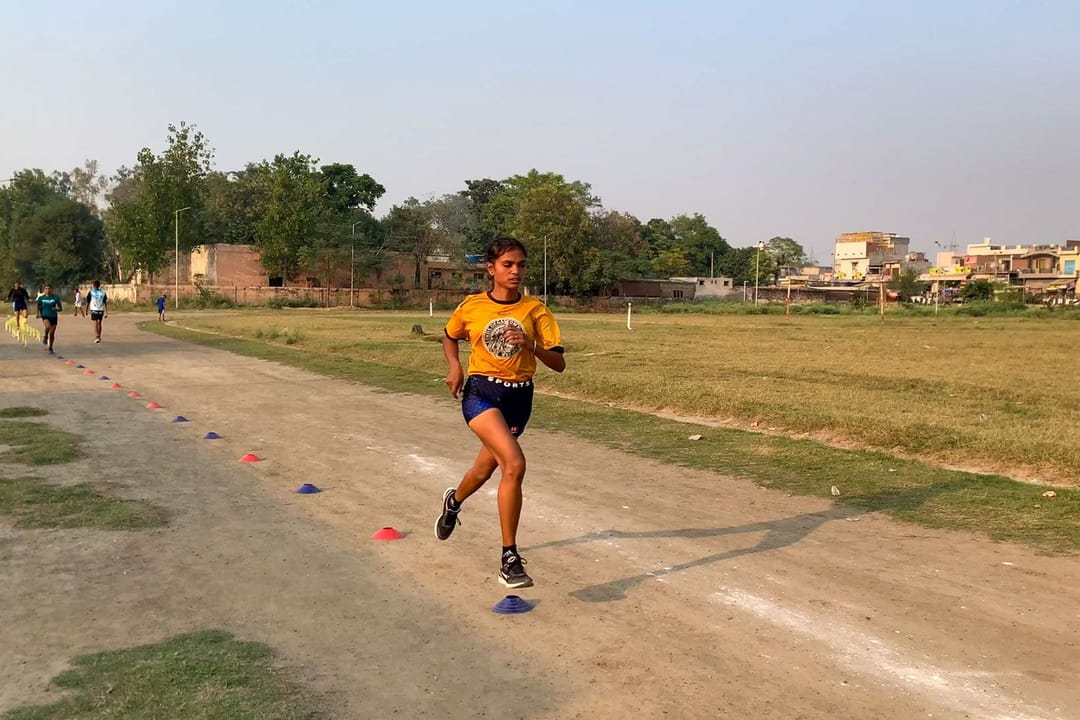
“Eh kise hor nu jita rahe ne, sade agge koi hor kudi nahi si [They are making someone else win, there was no other girl ahead of us].” Athletes Jaspal, Ramadeep and friends are complaining to their coach in one voice. The dozen young runners from Amritsar district travelled 200 kilometres to participate in a marathon in Chandigarh, and they are visibly agitated.
All this is happening even as the name of Jaspal Kaur is being announced from the stage as winner of the second prize in the five kilometre race. They know Jaspal is the winner, not runner-up, as she was leading all the way to the finishing line. But the cash prize of Rs. 5,000 for the winner is being announced in someone else’s name.
Jaspal refuses to go to the stage and accept the second prize, instead she and her coach go from one person to another on and off the stage, questioning the decision of the organisers, narrating their story and seeking help to address the injustice. In the end at the request of her coach Jaspal accepts the second prize, a giant foam board cheque with the figure of Rs. 3,100 written on it.
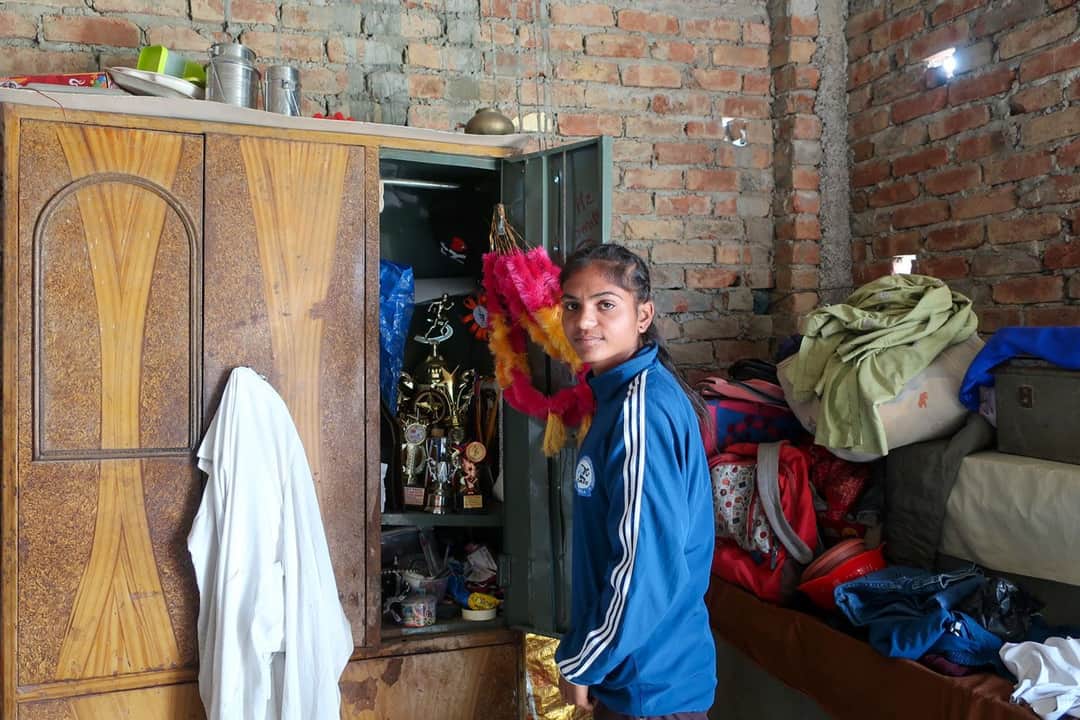
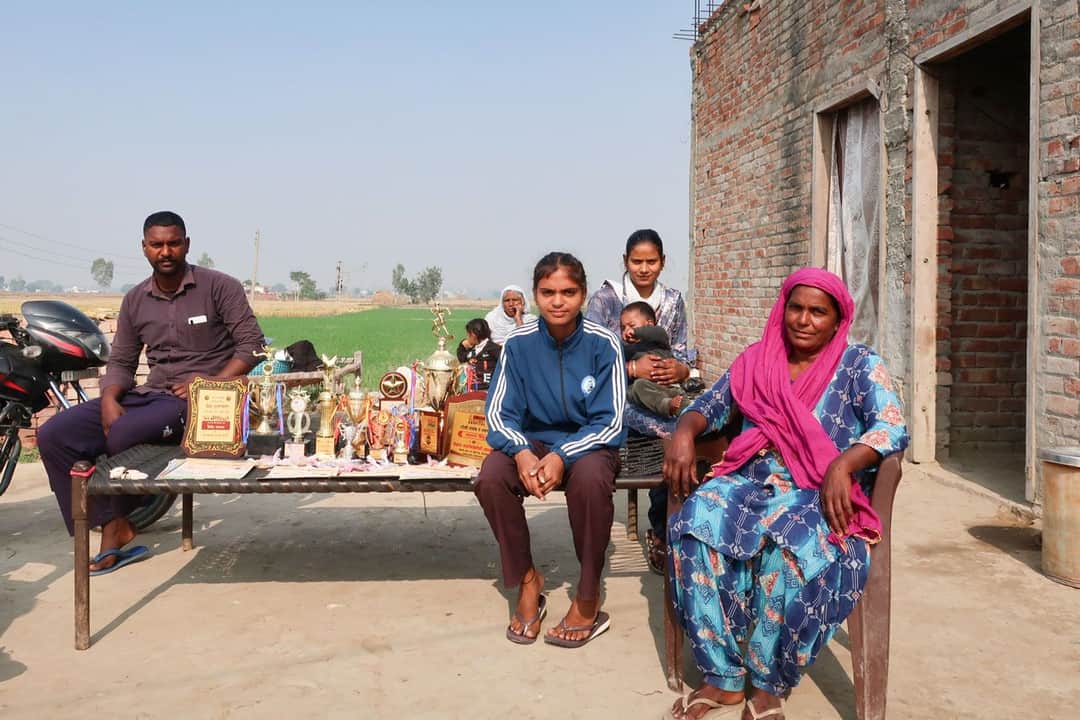
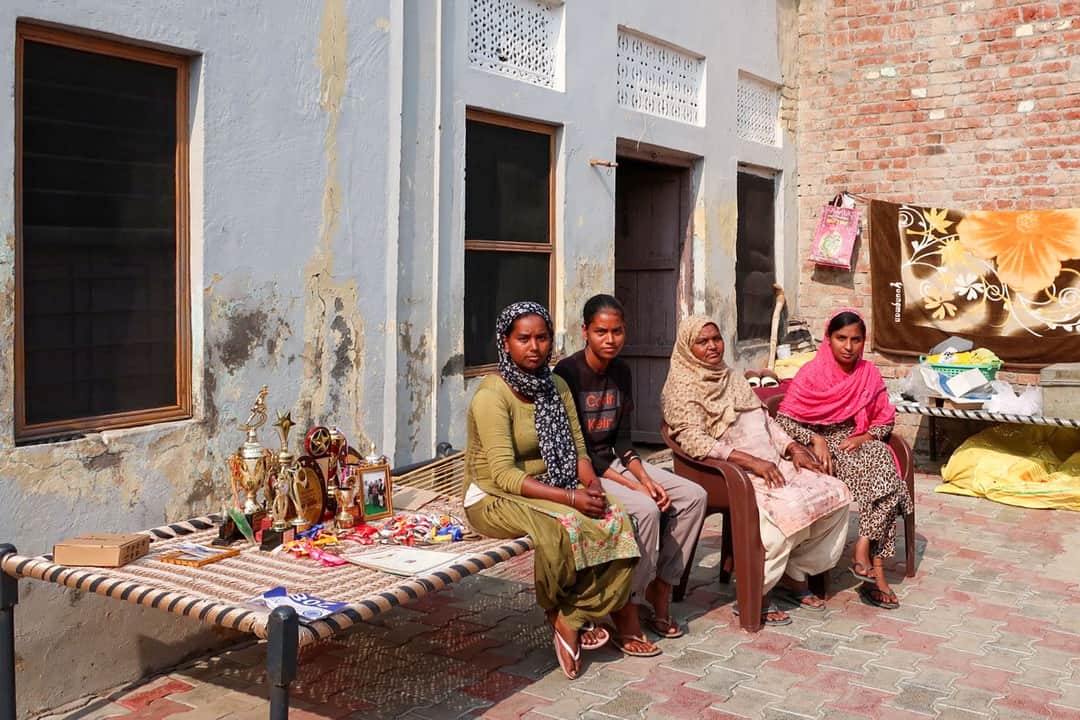
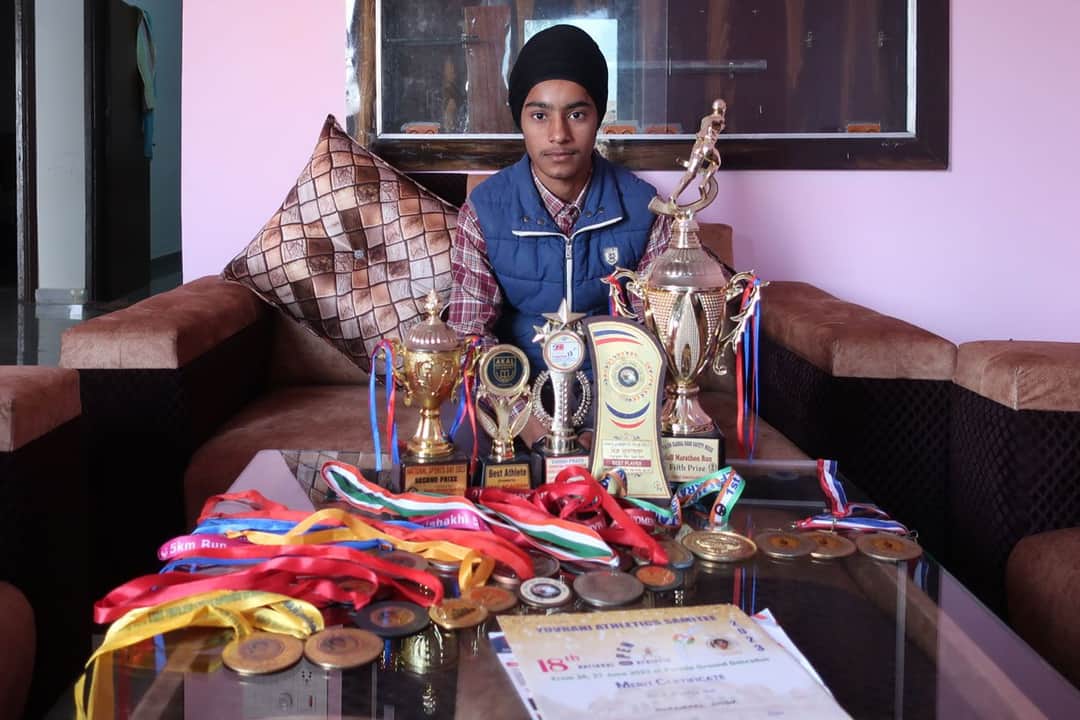
A month later in April 2023 to her surprise, Jaspal finds Rs. 5,000 has been deposited in her account. Nothing is explained to Jaspal and nothing has been reported in any local newspapers. On the result website of Runizen timing systems, her name appears as the winner on the leaderboard for the five-kilometre race with a guntime (race time) of 23.07 minutes. She is not there in the prize distribution photographs for the year. But Jaspal still holds the giant cheque in her possession along with her many medals.
In 2024 while accompanying the girls to the next marathon, this reporter found out from the organisers that they had disqualified Jaspal’s competitor in the race later that year after examining the video footage. They realised the protesting girls had been right. There was some cheating that had taken place with the race bib. That explained the mystery of the cash prize money that came to Jaspal.
Cash prizes are important to Jaspal. If she can save enough money she can go to college again. Two years ago, Jaspal joined an online B.A. programme in a private university. “But I have not been able to finish beyond the first semester,” she says. “I have to pay about 15 thousand rupees every semester to sit in the exam. In the first semester I used the money from cash awards [given by village representatives and the school for winning nationals] to pay the fees. But after that I could not complete another semester since I didn’t have any money.”
Jaspal, 22, is a first-generation college goer in her family and among the very few women from the Mazhabi Sikh community in her village, classified as most disadvantaged Scheduled Caste community in Punjab. Jaspal’s mother Baljinder Kaur, 47, studied till Class 5 and her father Balkar Singh, 50, has never been to school. Her older brother Amritpal Singh, 24, dropped out after Class 12 to help her father in construction labour around their village Kohali; her younger brother Akashdeep Singh,17, has completed Class 12.