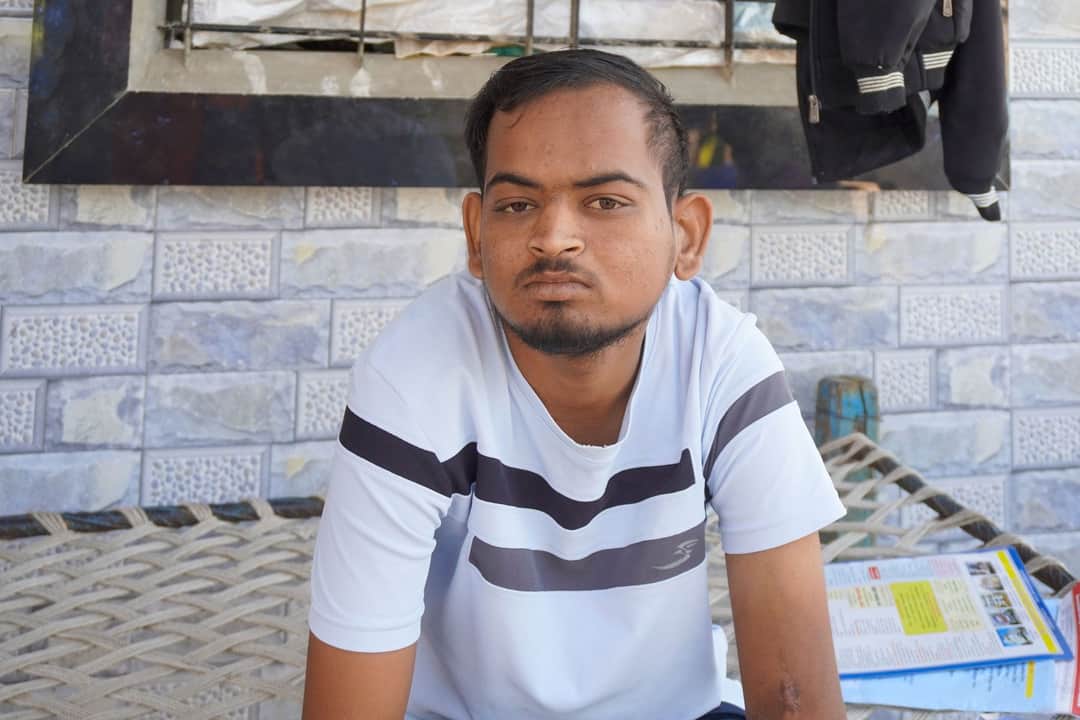


“I had completed my state board exams for Class 12. The arts stream results were due in June. I didn’t know exactly what next then, but I wanted to attend senior college, get a degree,” says Sanket Lokhande wistfully. That was in 2021 when he was, like any other 18-year-old, still full of beans. He sighs as he speaks now, and that itself exhausts him. Fatigue marks his frame as he sits on a woven cot in the courtyard, elbows resting on his knees. It’s been about four days since this week’s dialysis session.
“Breathlessness started a few weeks after the board exams. I would feel washed out after walking just a few steps,” he says. His parents hoping to ensure the best treatment took him to a private hospital in Ahilyanagar (earlier Ahmednagar), about 64 kilometres from their village Nimgaon Bhogi. But by the time Sanket’s results were out, he was home-bound with complete kidney failure.
"The doctors said that the water we consume could be the reason. We all used to drink water from the lake, which must have been contaminated. We never realised it until our son fell sick,” says Sanket’s mother Manisha, 47.
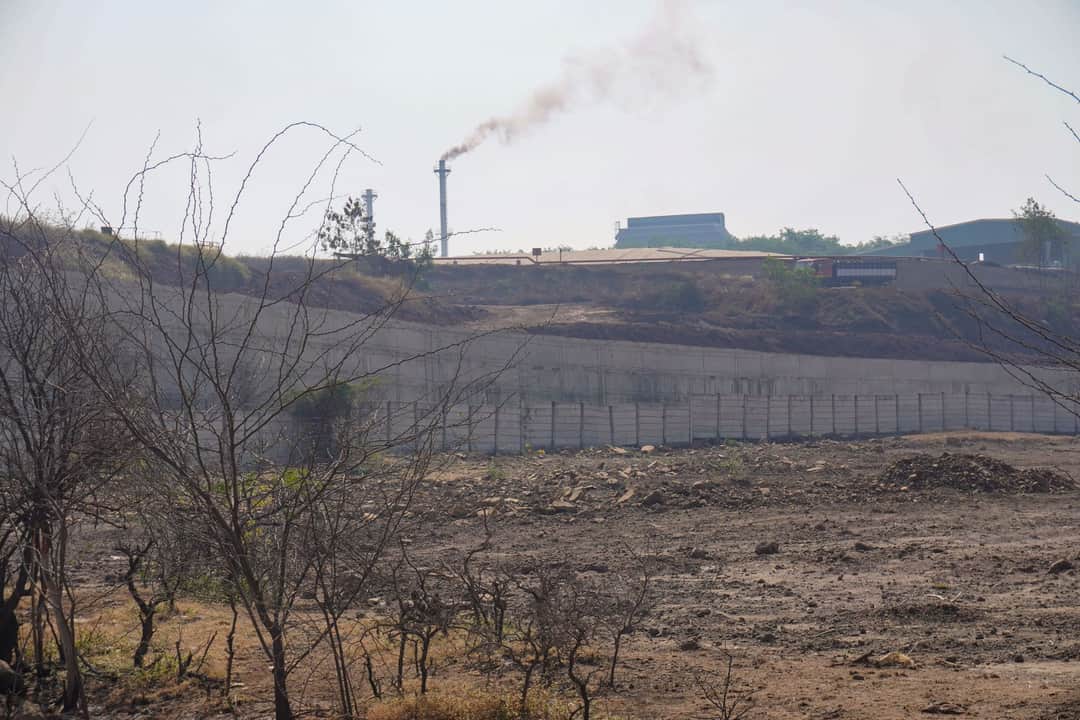
She is referring to Pazar talav – a percolation tank, an artificial earthen water-harvesting structure built across a natural drainage line over half a century ago. The 330 households in the village have depended on this lake for their domestic and agricultural needs. But the last 12 to 15 years have seen a rise in cancer and kidney failure cases across the village.
“Drinking polluted water for a long time damages the kidneys, doctors warned us. Many in our village are suffering from kidney failure," says Manisha. In one reporting trip alone, I met around five families where at least one person is on dialysis.