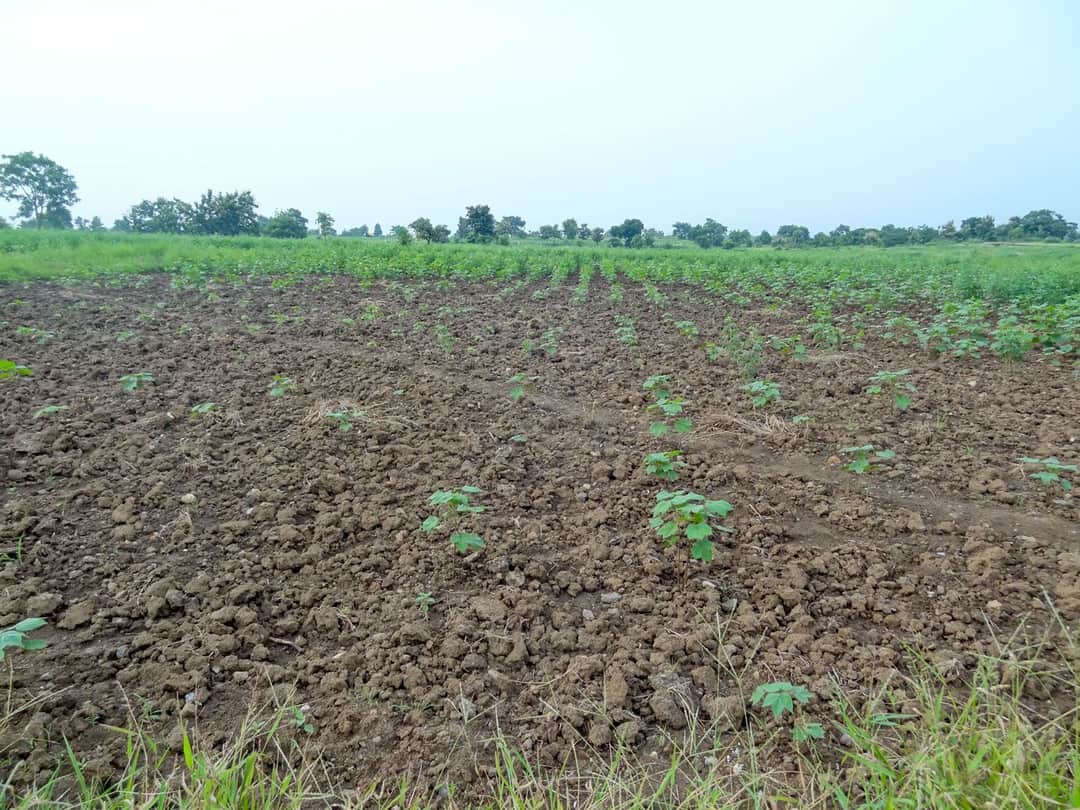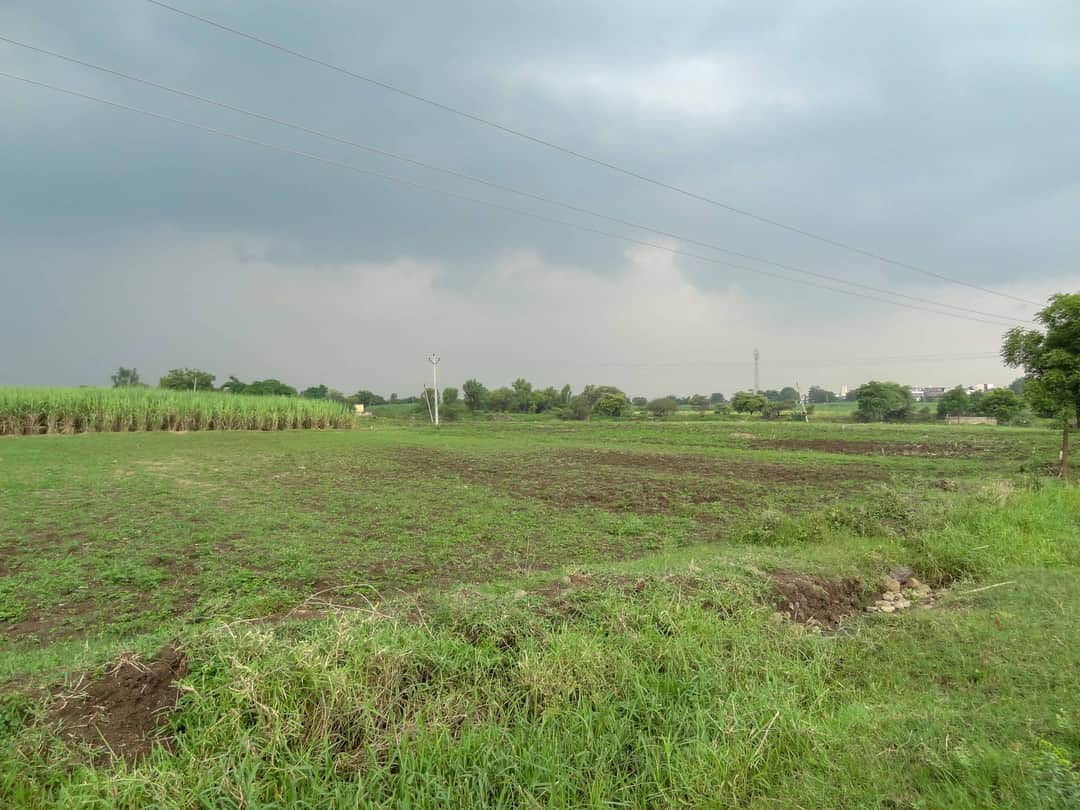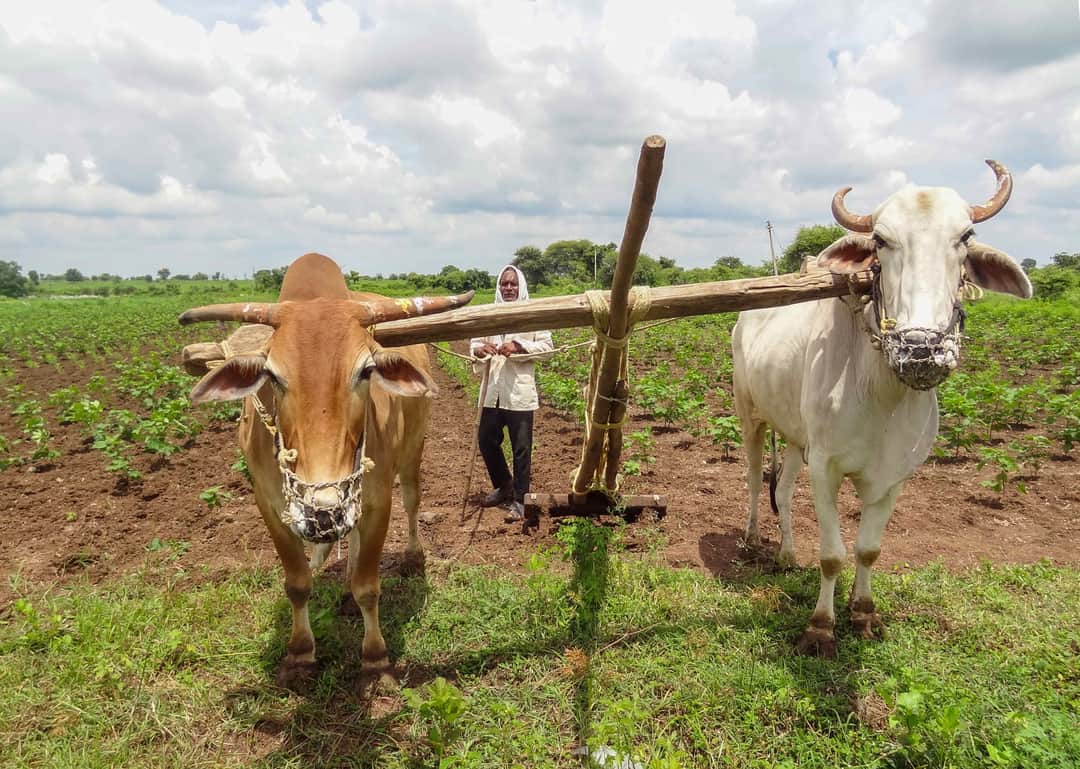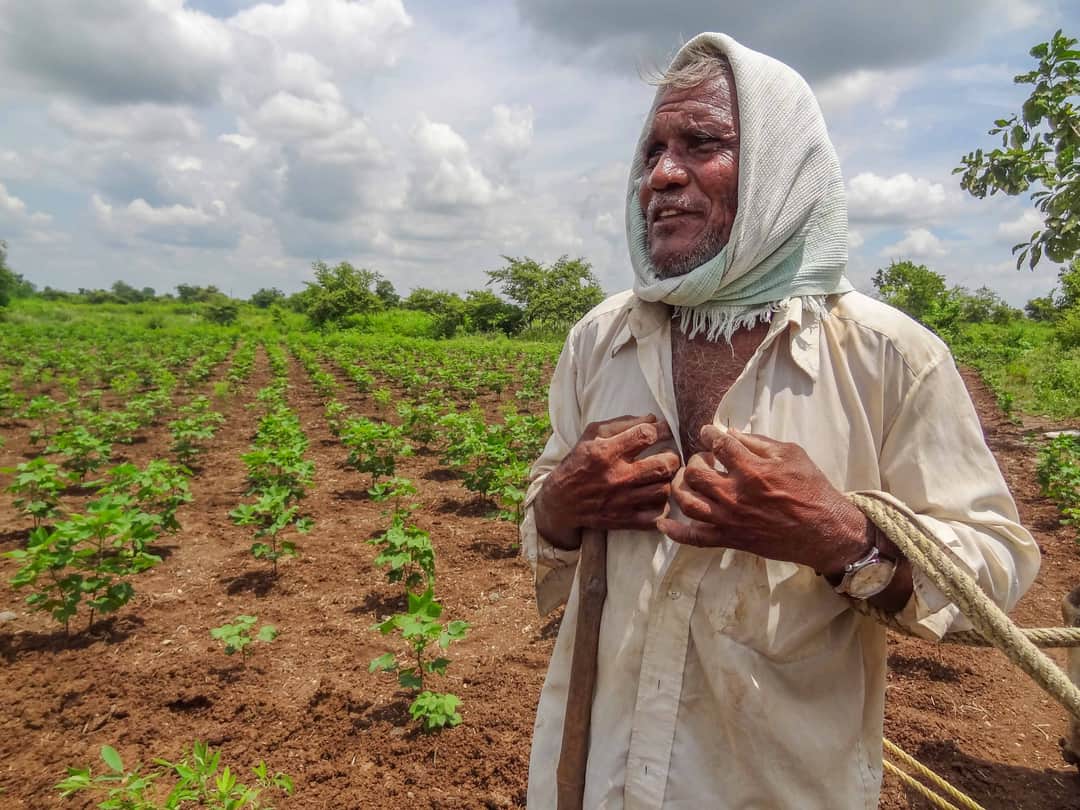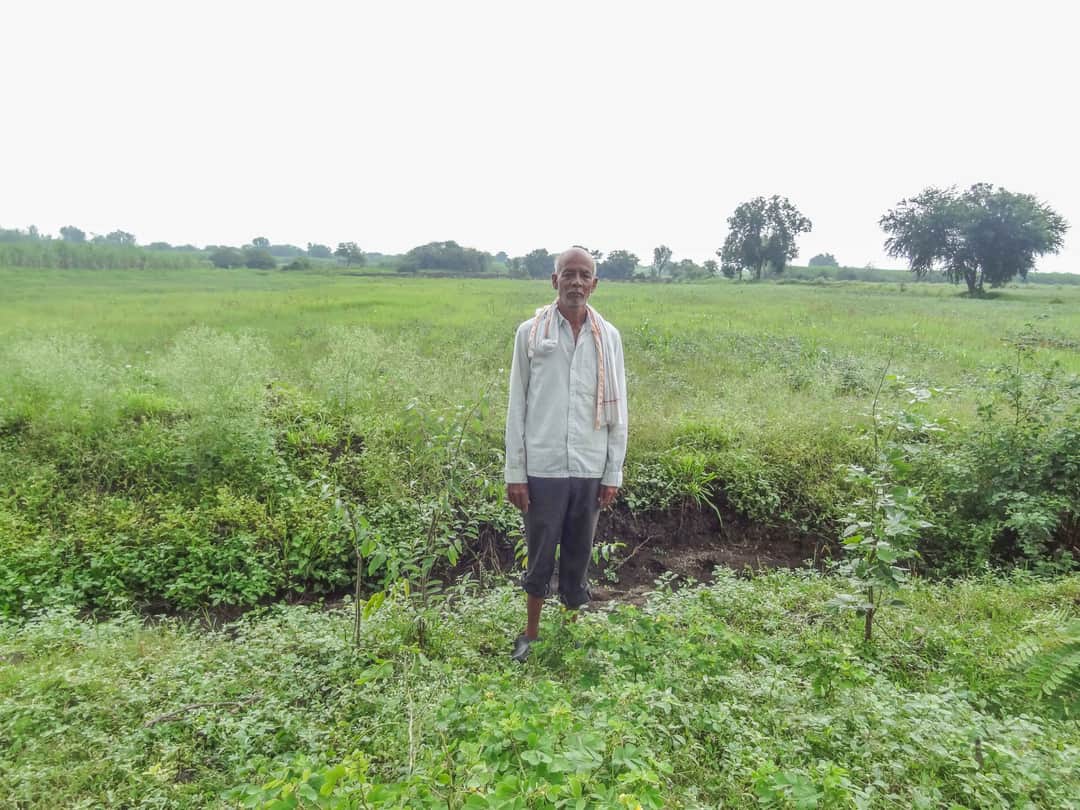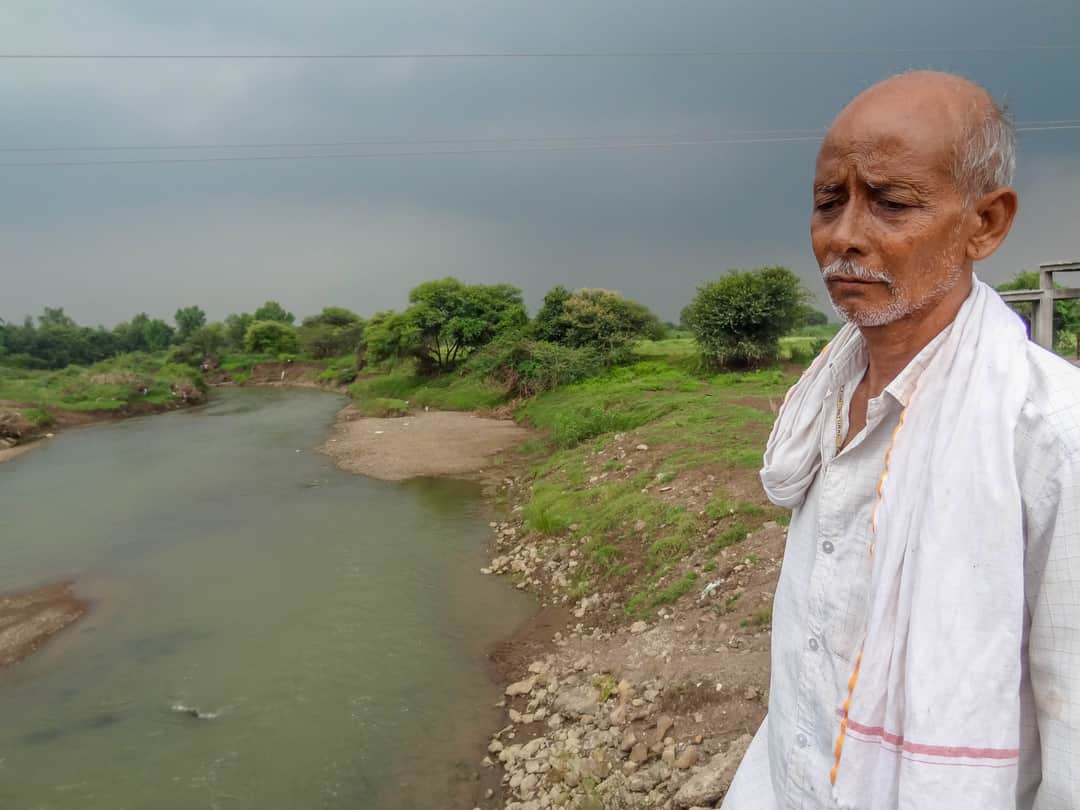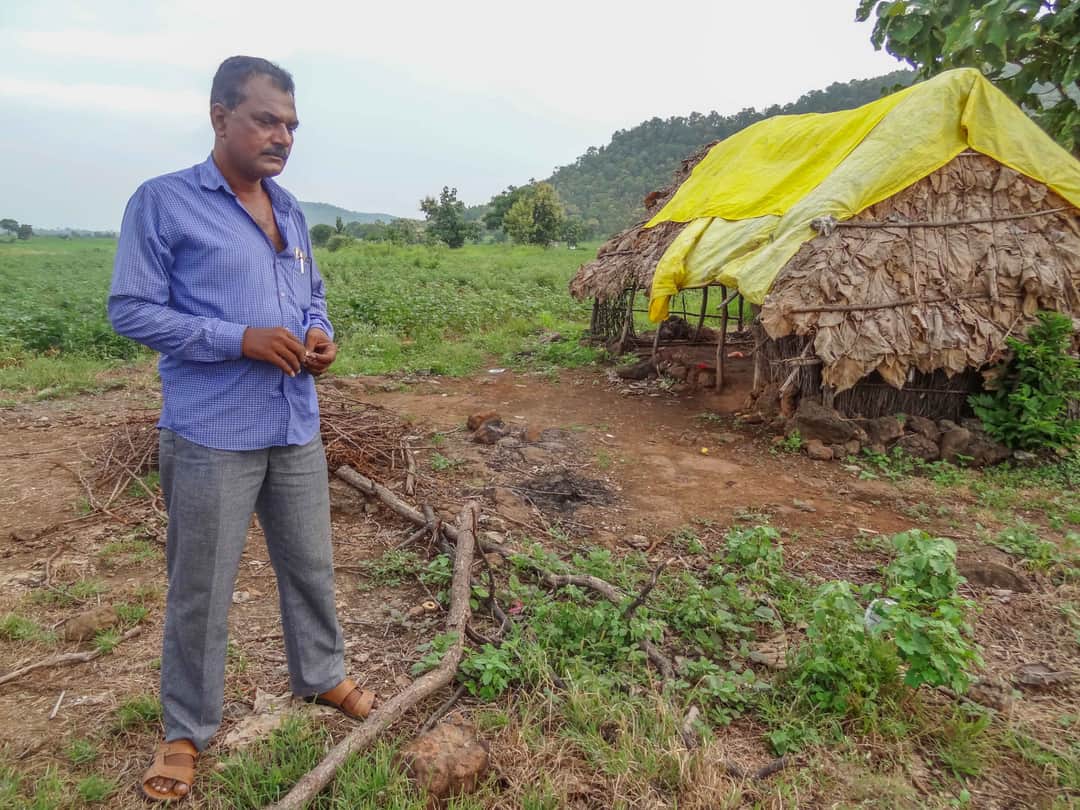

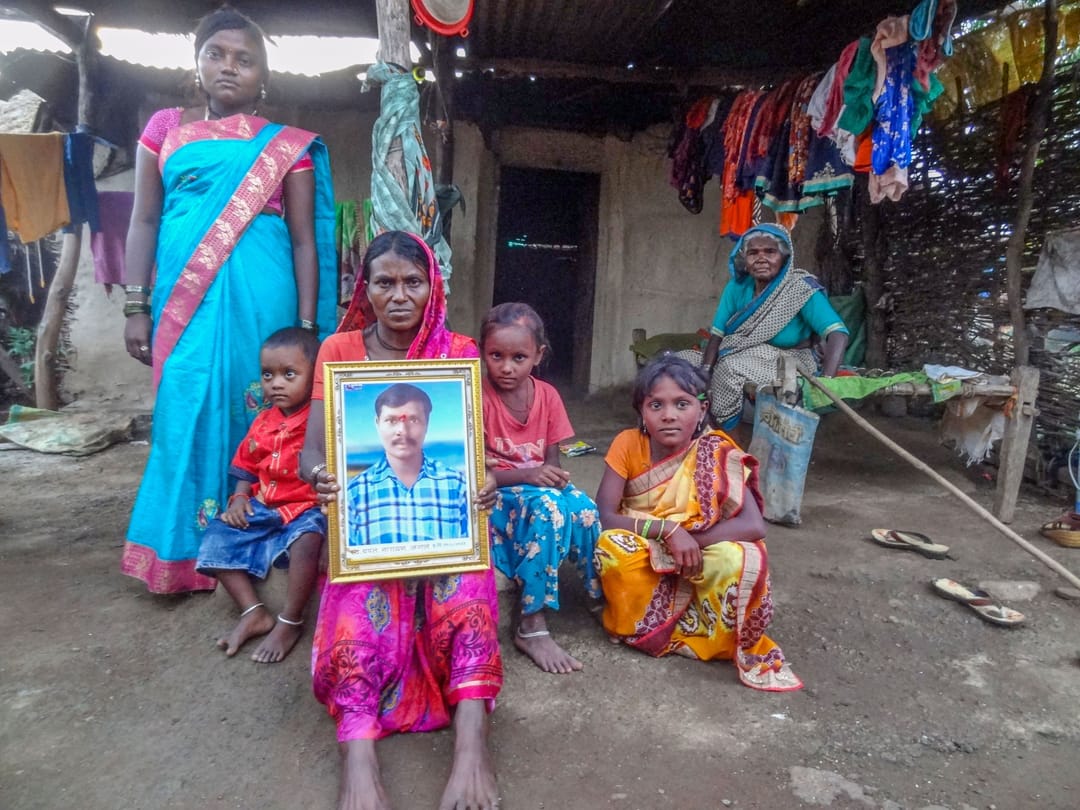
The spot where Champat Narayan Jangle dropped dead is a rocky, forlorn patch of undulating cotton field.
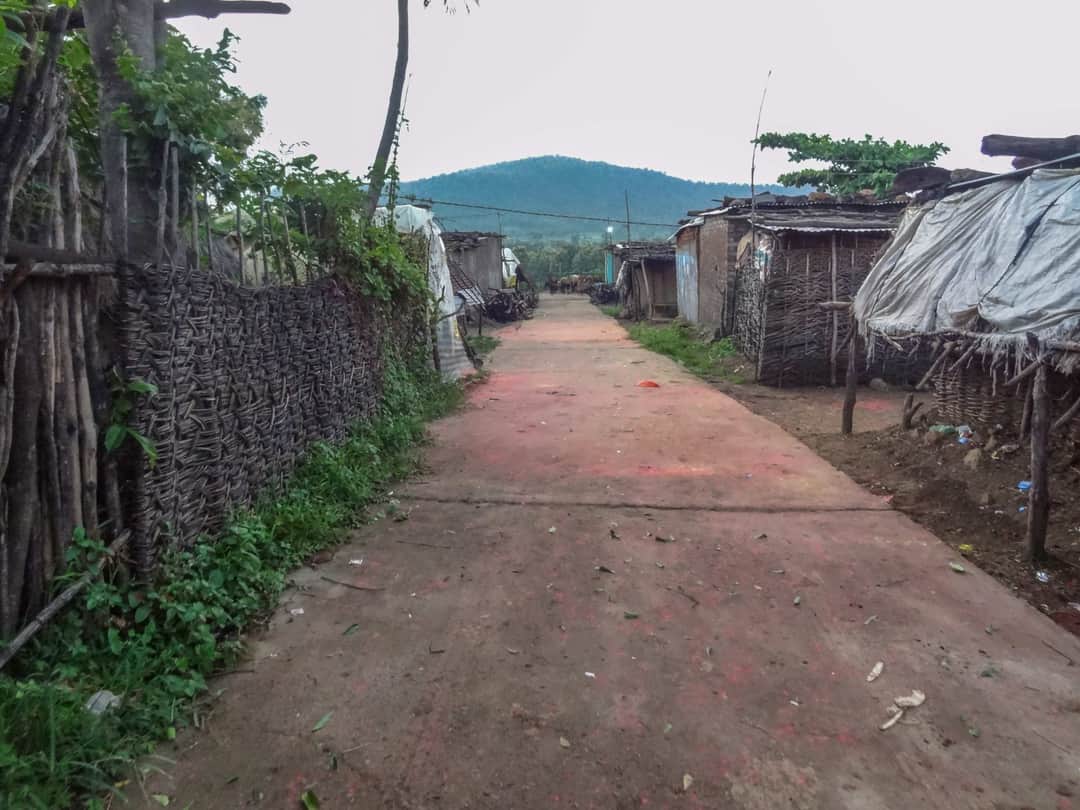
Around these parts of Maharashtra, it is called halki jameen or shallow land. A lush green hillock provides a beautiful backdrop to this undulating canvas of lands belonging to the Andh clan, an isolated patch of farmland away from the village.
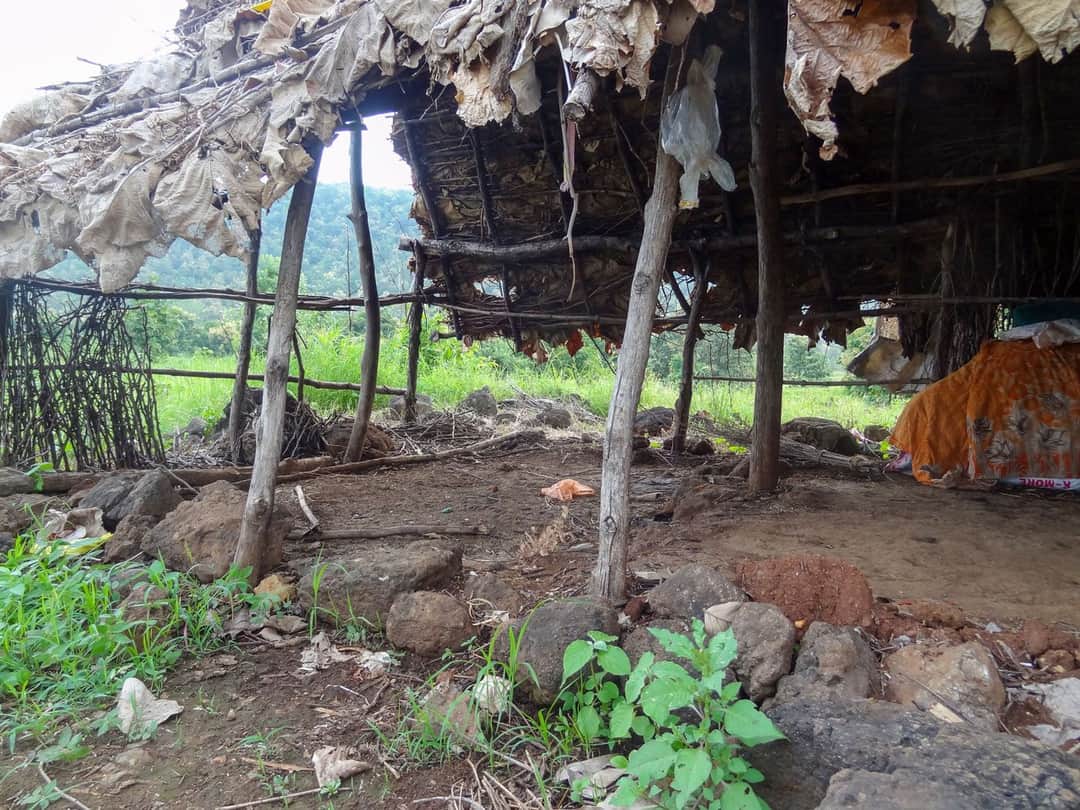
Champat’s thatched canopy – built as a shelter from the harsh sun and rain as he spent days and nights keeping vigil on his farm against marauding wild boars – still stands on this landscape strewn with boulders. He would always be there, tending to his farm, his neighbours remember.
From the canopy, Champat, an Andh tribal farmer in mid-40s, must have had a full view of his farm – and the unending spectre of loss, stunted plants sans bolls, and knee-high pigeon pea plants.
He must have instinctively known that in two months, when harvest began, these fields would yield nothing. He had outstanding loans and the family’s daily expenses to be taken care of. And he had no money.