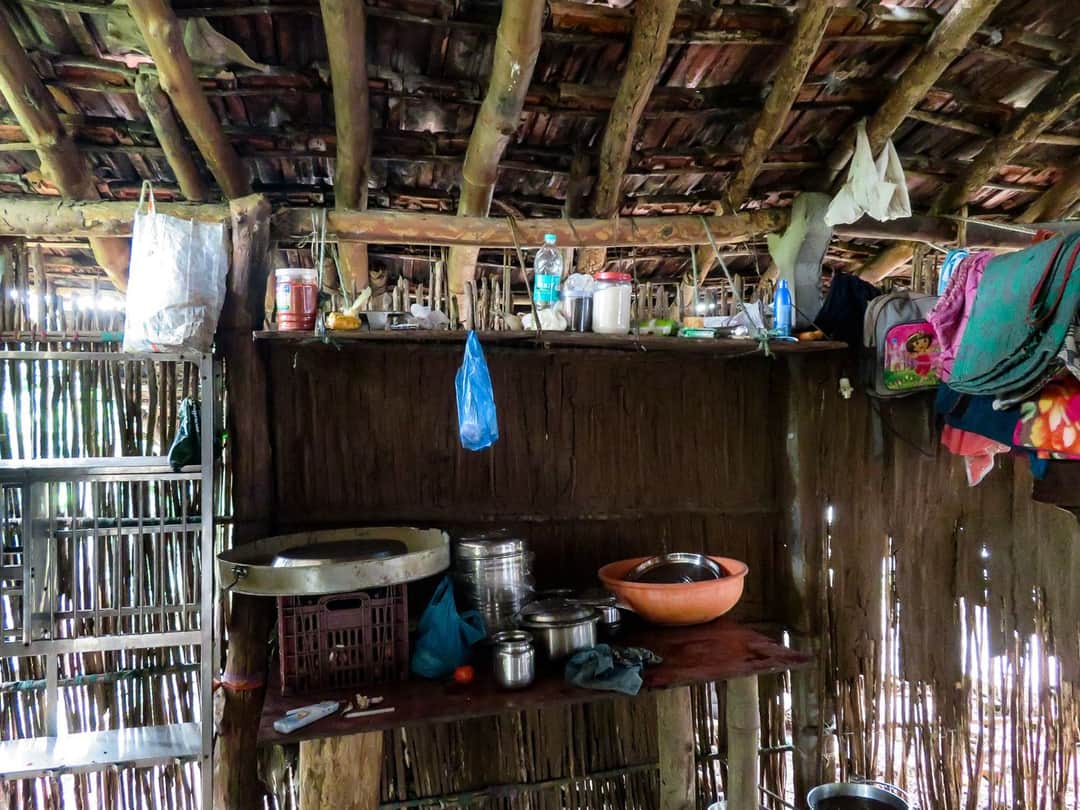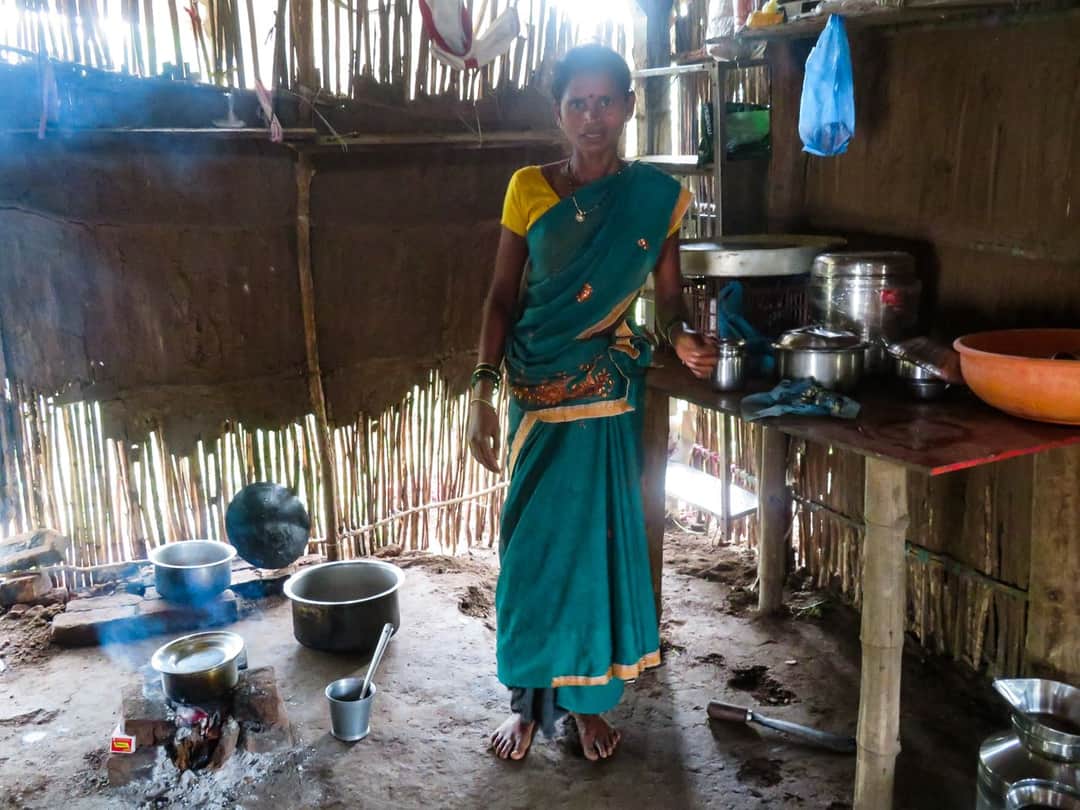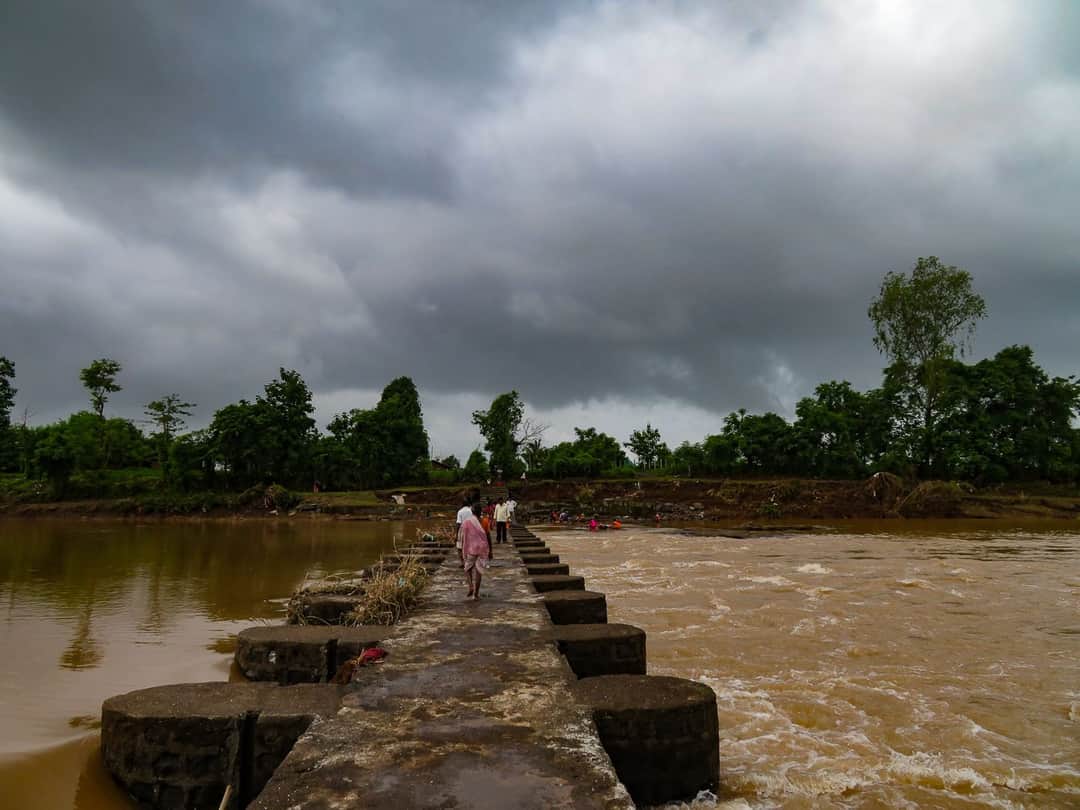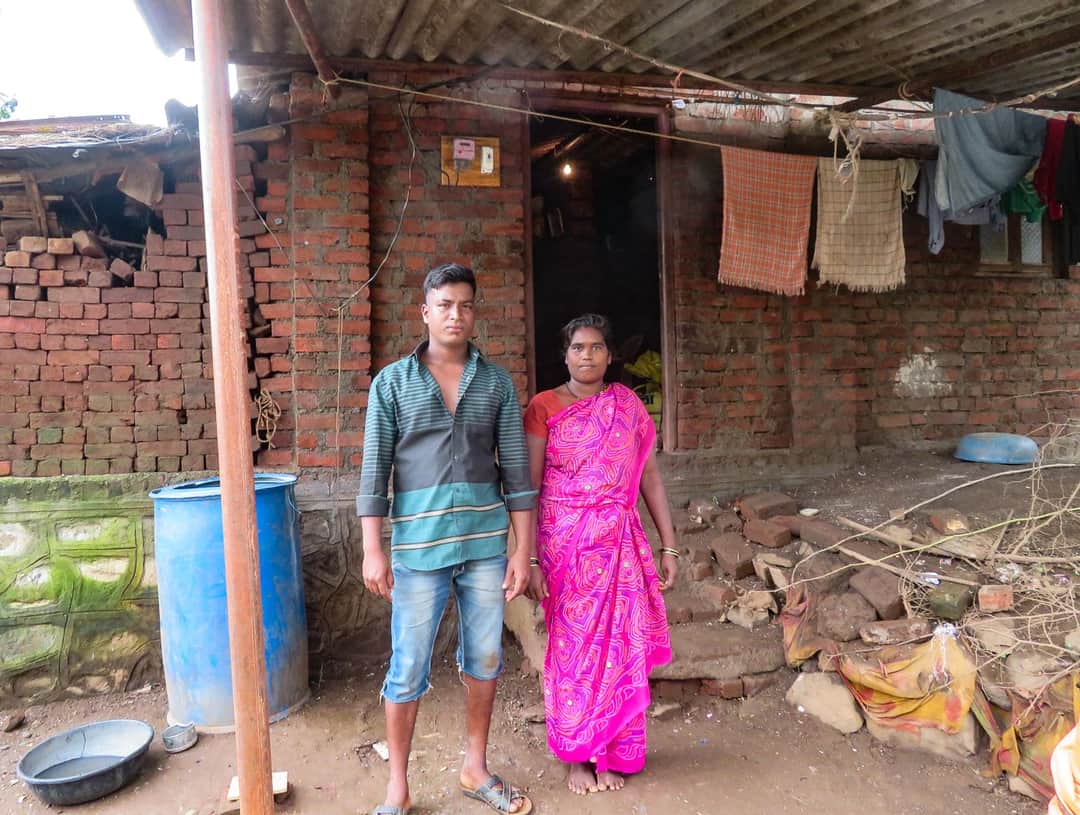

“I have never seen this river so angry in my life,” says 55-year-old Sakubai Wagh. That day, August 4, her 20-year-old son Manoj and she were at home around 10 in the morning. “It was raining heavily outside,” she recalls. “Suddenly a huge wave entered our hut. We were in neck-high water for a while, holding each other’s hands. In no time, everything I had kept carefully, put together with hard-earned money – the water took it all away.”
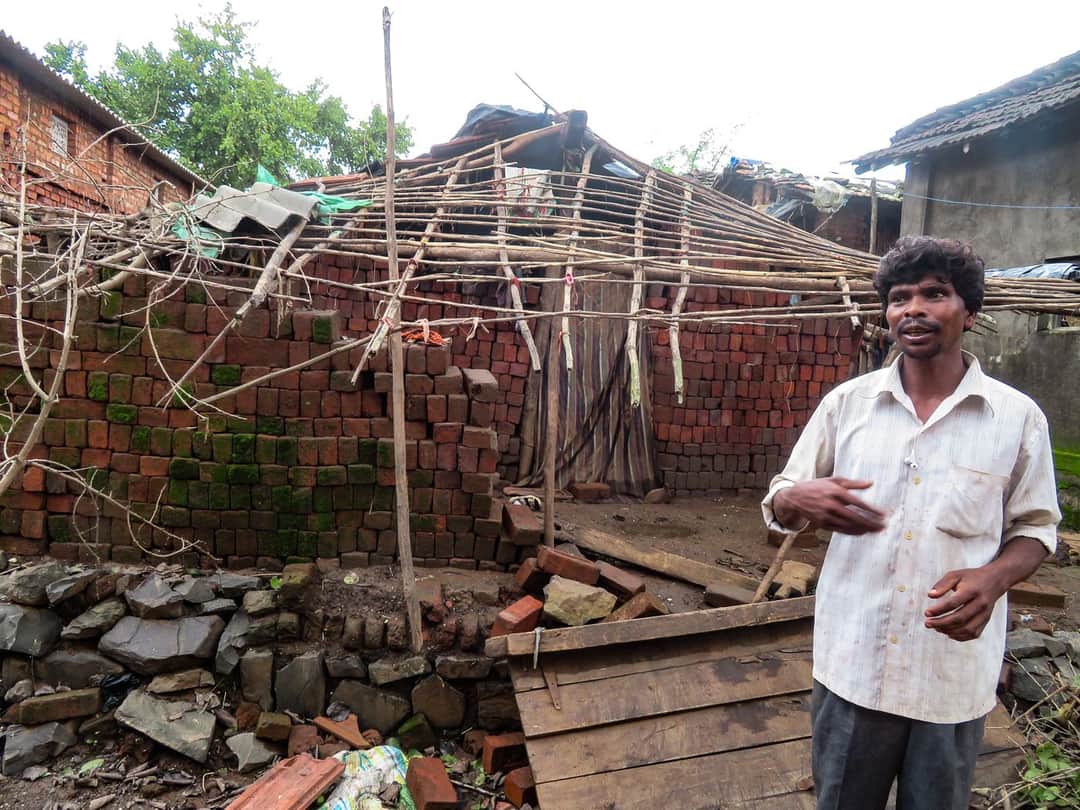
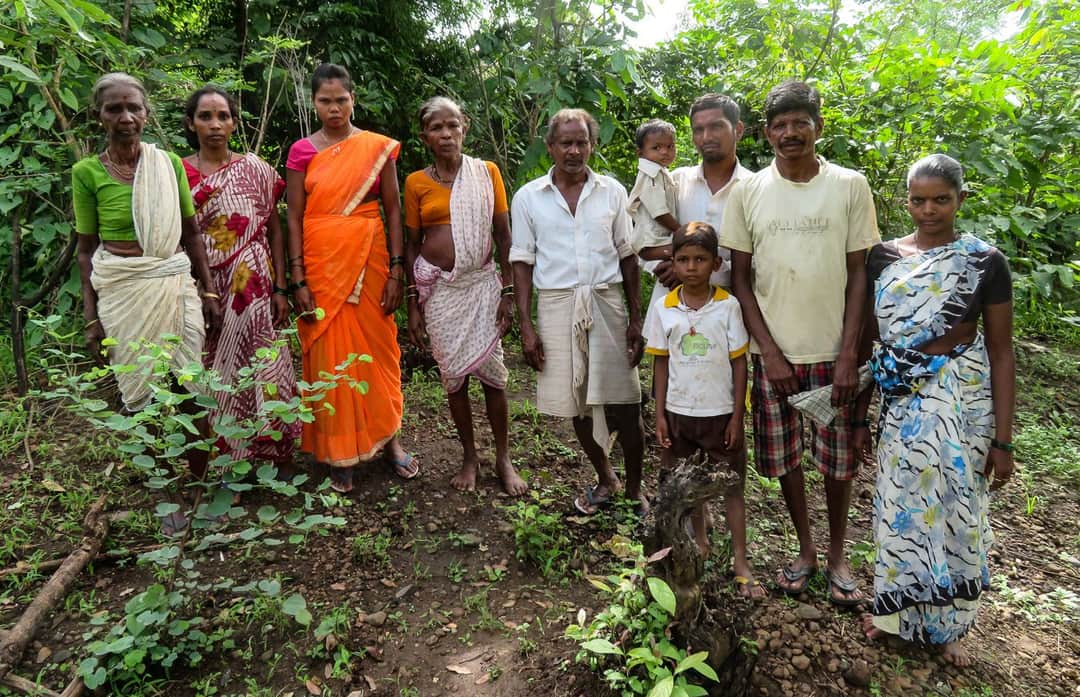
After around terrifying 20 minutes, Sakubai and Manoj managed to wade out to higher ground nearby, from where they watched the destruction. That morning, the water from the Vaitarna river destroyed their hut along with 24 other huts in Gates Kh village of Vada taluka in Maharashtra’s Palghar district. The water receded hours later, by evening.
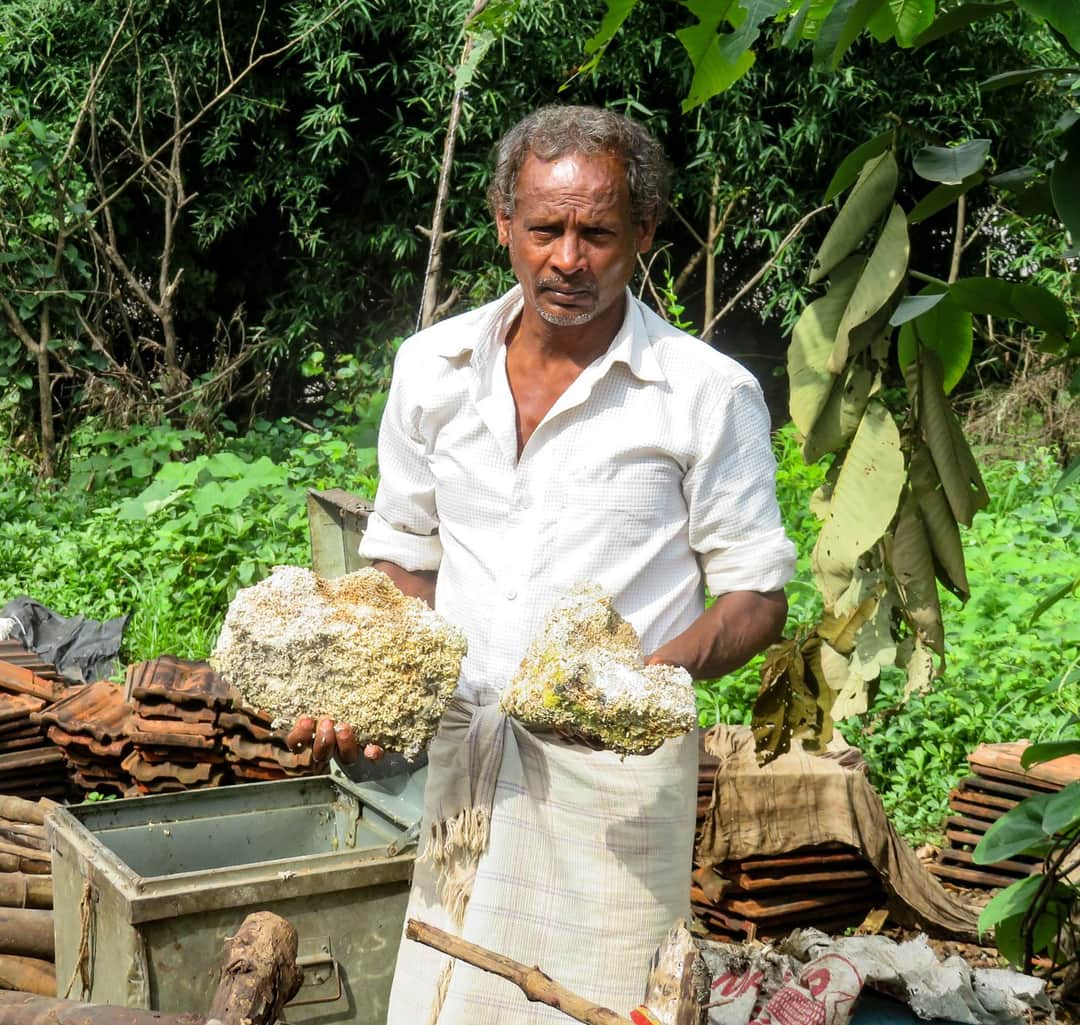
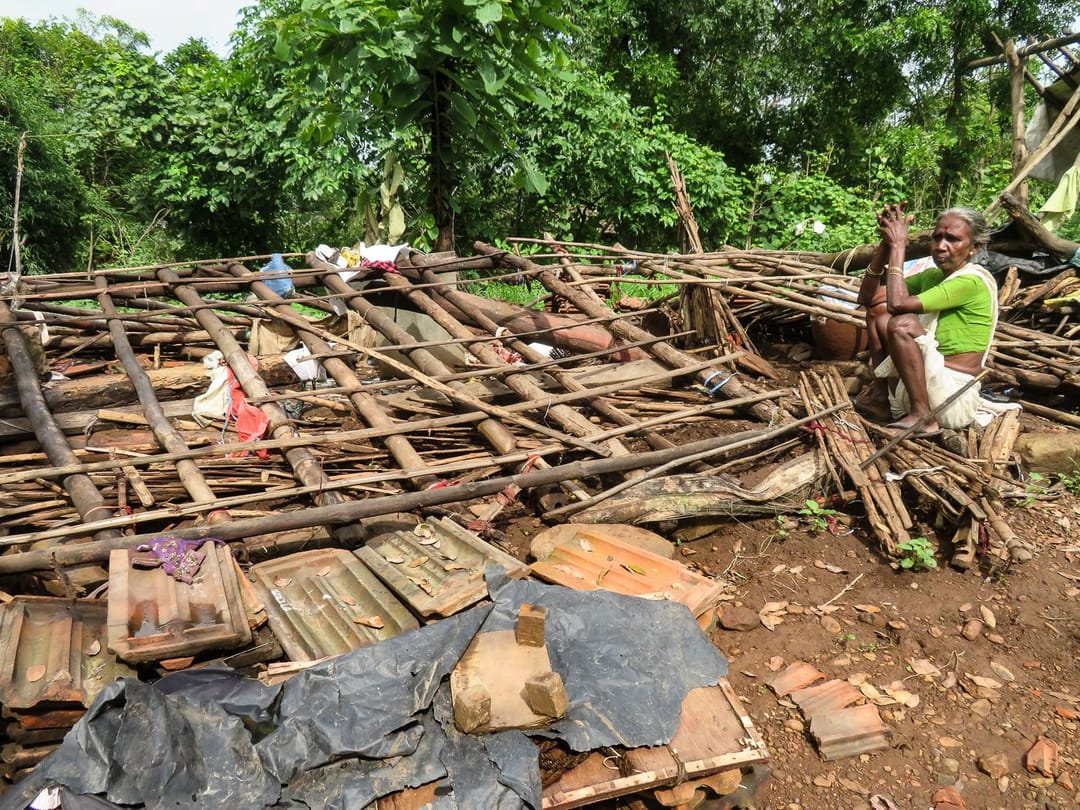
“See, this is my sansar [domestic world],” Sakubai says, pointing to her collapsed hut on the banks of the river. On the muddy ground are broken tiles stacked one above the other, the remnants of the bamboo roof and walls, and tattered tarpaulin sheets. The pungent smell of rotting rice, onions and potatoes, lying in the mud for days, hangs there like a cloud. “I cannot bear this smell, I feel sick,” says Sakubai.