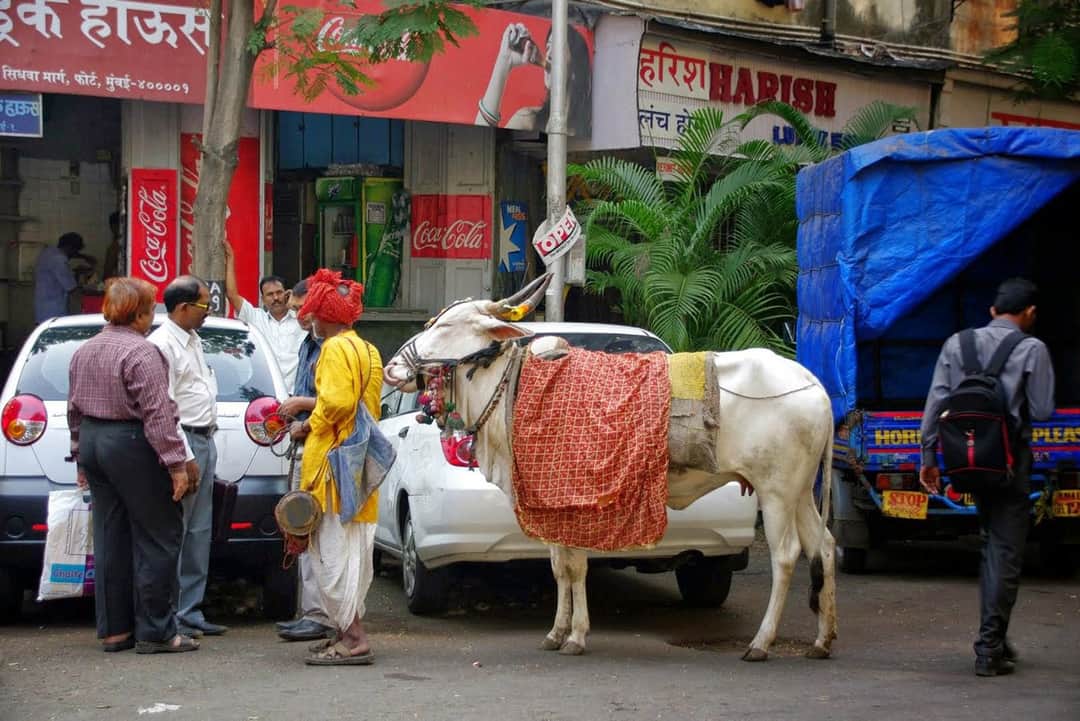

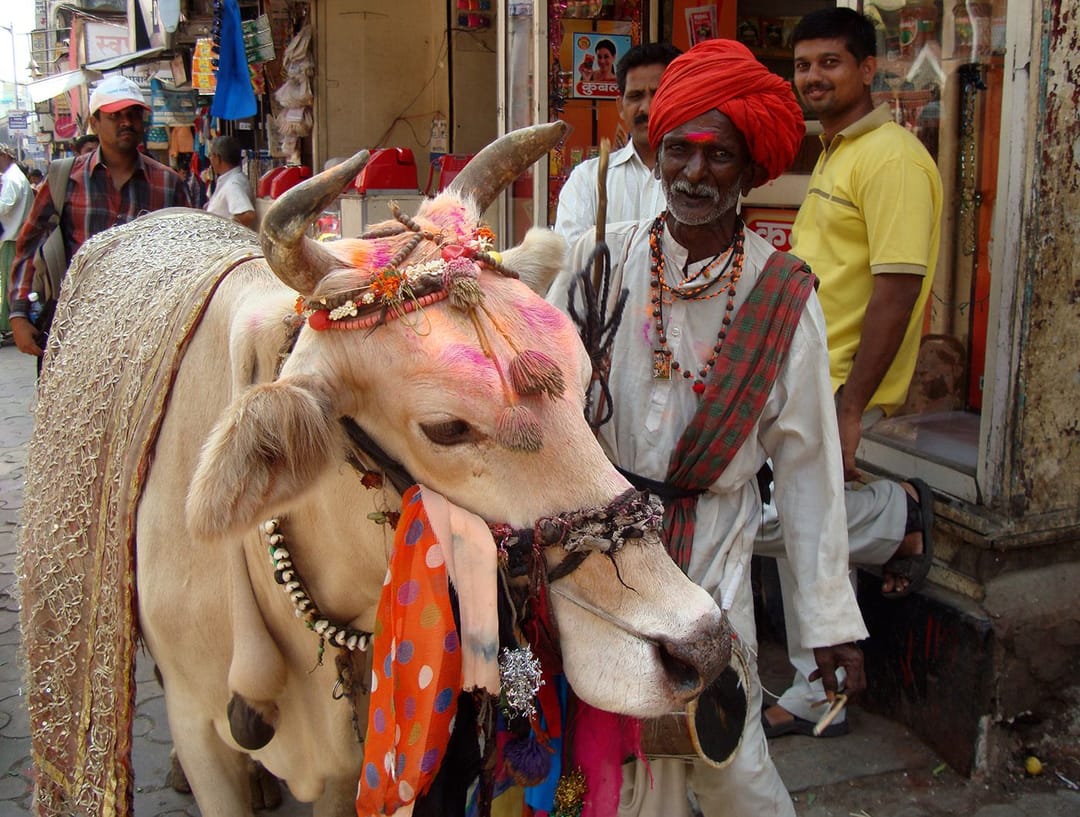
“In the past, our life was no more than a drama. To earn anything, we had to entertain people with our nandi (an ox, considered a carrier of Lord Shiva), moving from village to village, city to city. We never owned a home or land. Because we did not stay in one place, our kids never got an education.”
We’re listening to Bhura Gayakwad of the Tirmali Nandiwale nomadic tribe in Maharashtra’s Beed district. He and around 300 others of this Adivasi group live in Kanadi Budruk village in Ashti taluka , 110 kilometres from Beed town. Their basti is located alongside a road on the outskirts of the village.
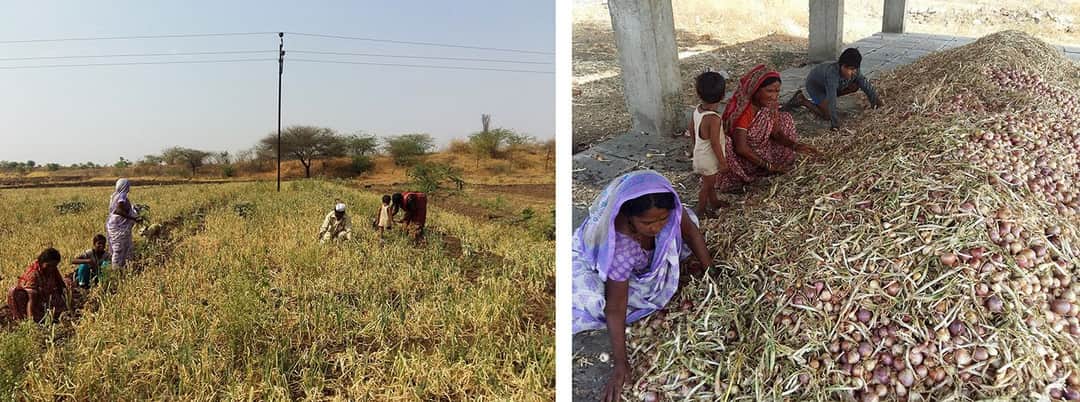
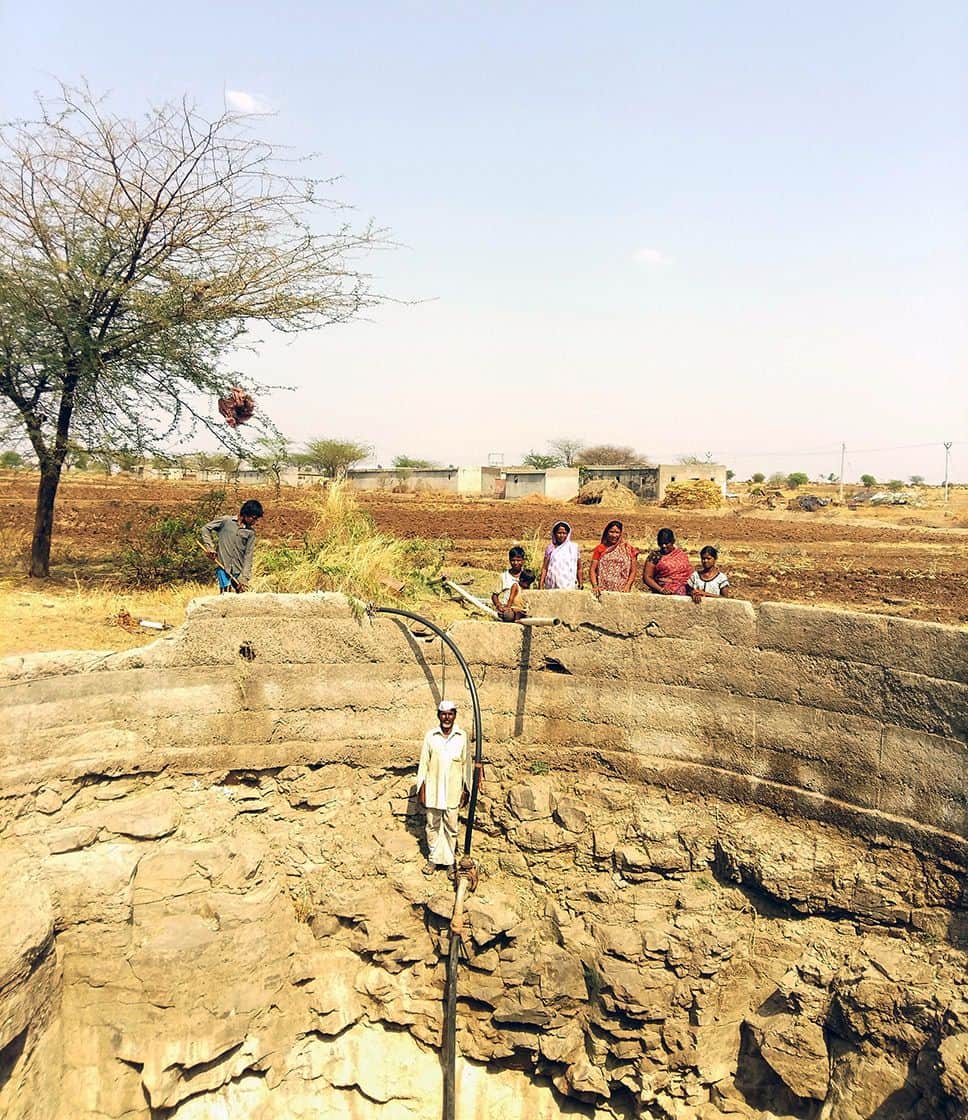
“Giving up wandering 25 years ago, we stopped on this barren land and decided to start farming,” Gayakwad says. But putting down roots in one place was not easy for the former nomads. For one, upper castes in the village of around 3,200 people resented the newcomers. With the help of Adivasi and Dalit rights activists in the area, a case was filed on behalf of the Nandiwale under the Scheduled Castes and Scheduled Tribes (Prevention of Atrocities) Act at the Ashti police station. Eventually, the opposing groups came to an amicable common ground and the case was withdrawn.
But then another problem arose. “We had no real background in cultivation,” Gayakwad says. “So we decided to learn it from others. One day some of us prayed to our neighbours, the Dalit villagers, to teach us about farming. They were really modest, kind and ready to teach us. A new mission in our life began, with agro tools and techniques. We learned through hard work and effort. Our whole community – women and men – worked day and night on the barren land to convert it to green land. Some of our people have now become skilled in agriculture, and we have developed a settled village culture.”