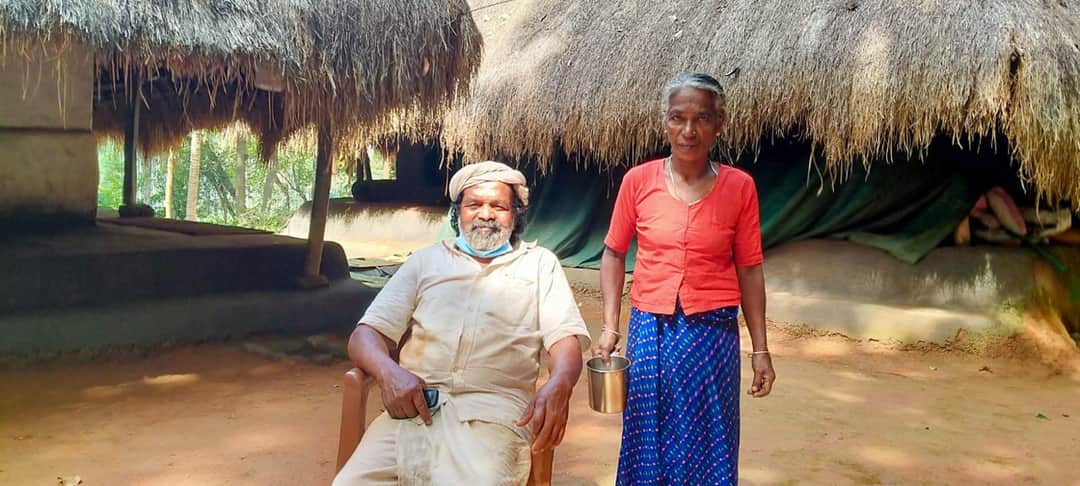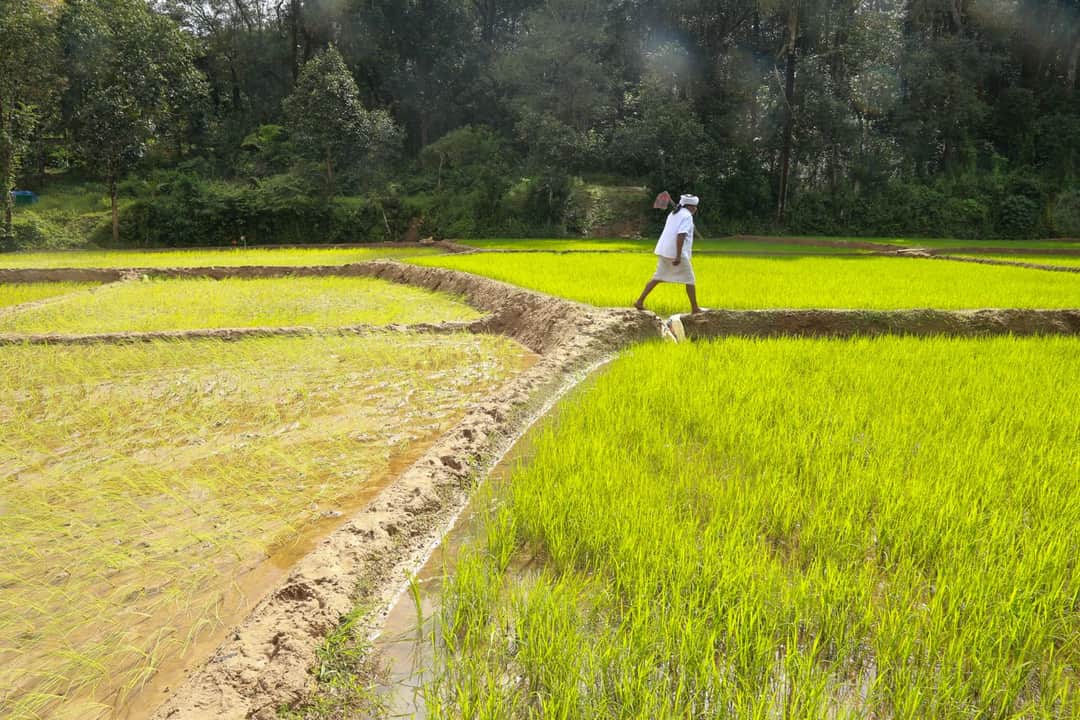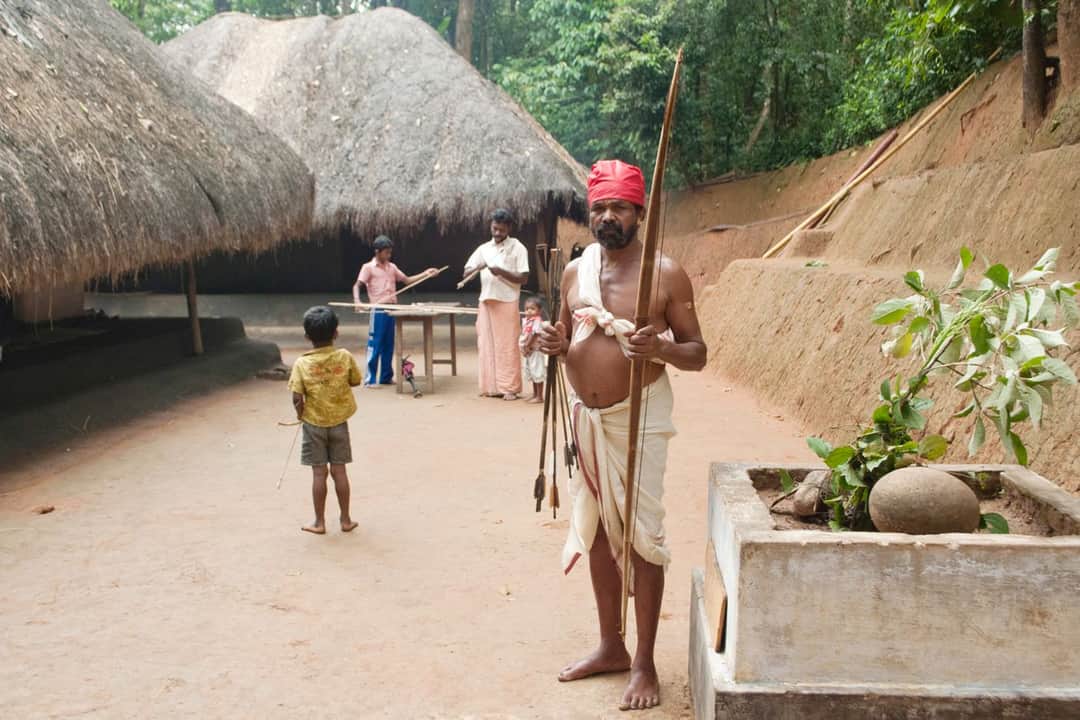

On the slopes of Wayanad, where mist hangs low over green valleys and streams chatter through laterite hills, a house of clay stands stubbornly against time. Its mud walls breathe cool air in summer, its bamboo rafters gently creak in the wind, and heavy rosewood beams bear the weight of 150 monsoons. The floor is smeared with red soil, smoothened over each week with cow dung.
This house, in Kammana village near the town of Mananthavady in Kerala, is where paddy seeds whisper their stories.
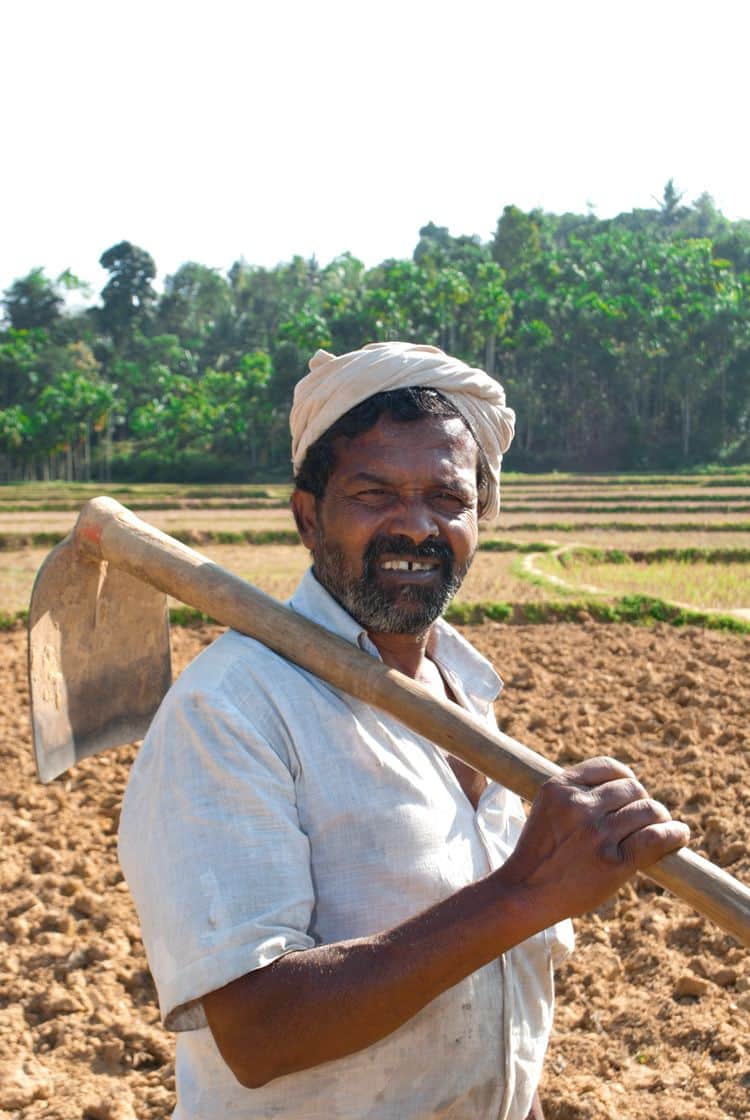
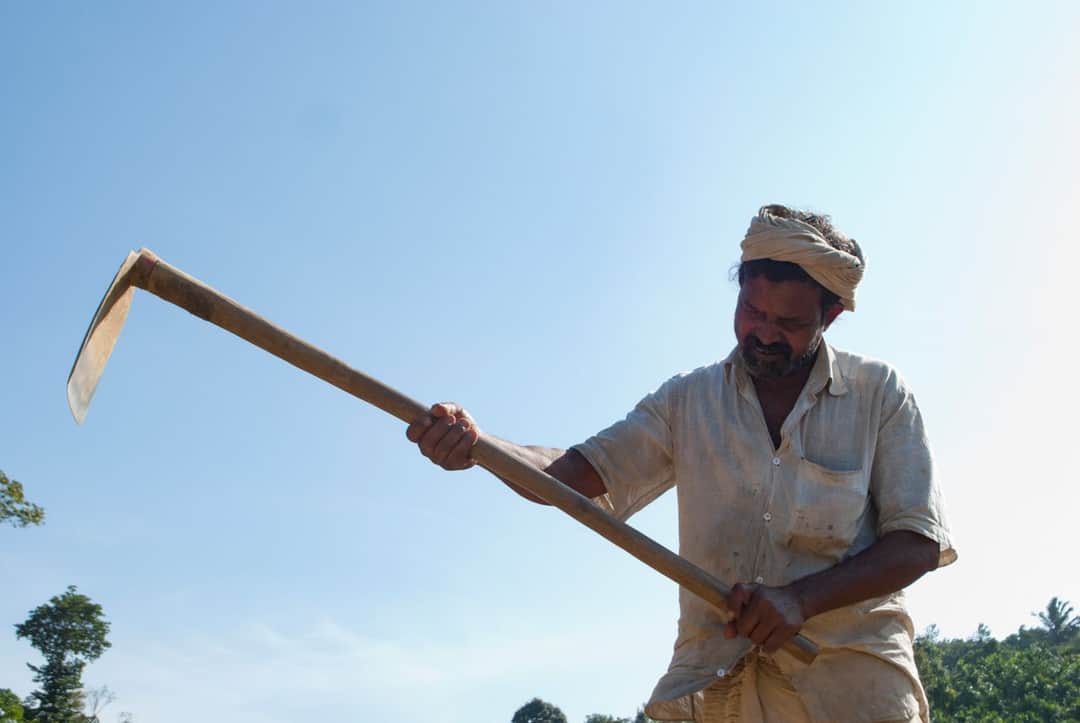
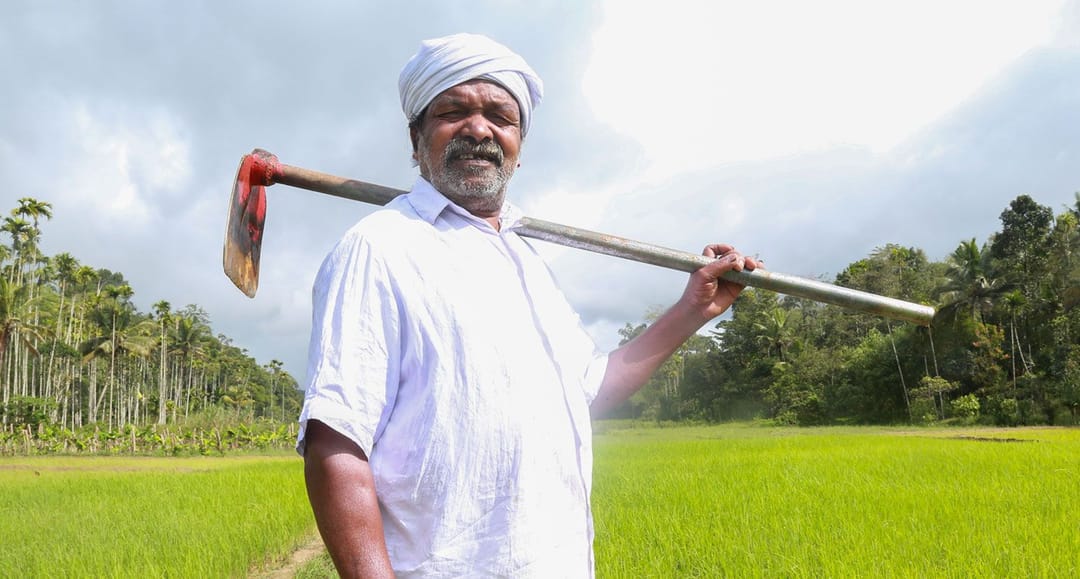
Their custodian is Cheruvayal Raman of the Kurichya community (listed as Scheduled Tribe in the state). His community was once renowned across Malabar for their skill in paddy cultivation. The 73-year-old has preserved traditional seeds through decades of economic hardship, declining health and neglect from state and other organisations.
“They [seeds] are living ancestors,” says Raman, or Ramettan as he is fondly and respectfully addressed. He is celebrated as the keeper of Kerala’s agrarian soul – a land where the wealth of a household was once measured by the varieties of rice stored in its granary.
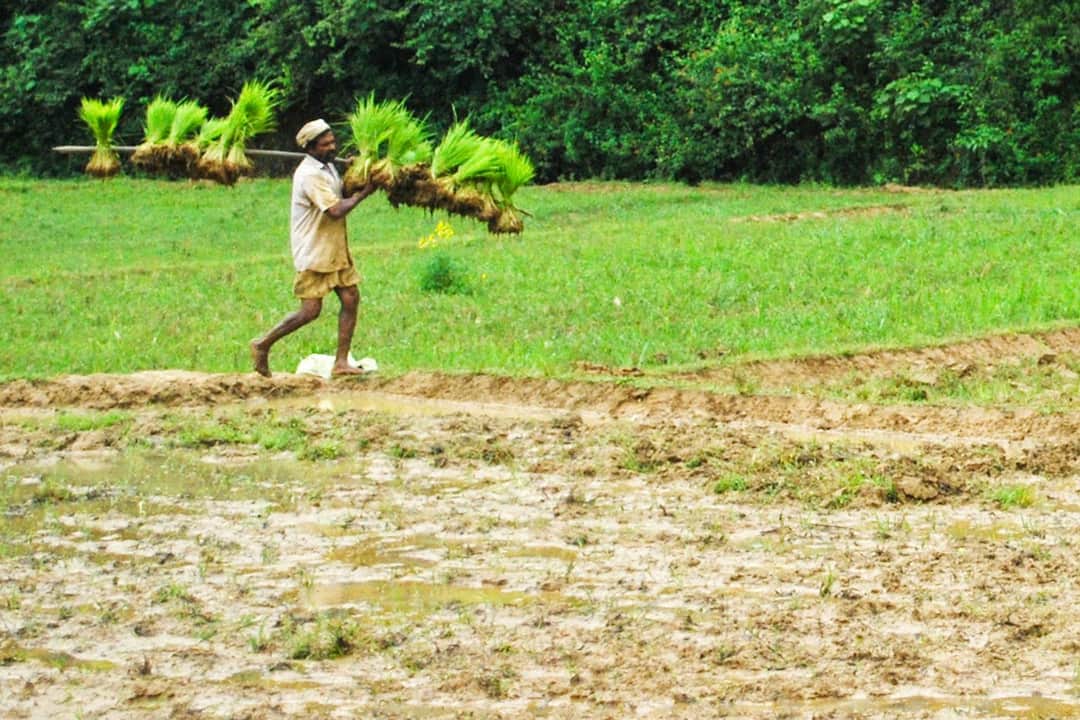
Raman has turned his ancestral holding into a living museum of diversity. His granary holds 50 traditional varieties native to Wayanad and 14 collected from other parts of Kerala. He grows them each season, saves the seeds, and shares them freely with anyone committed to traditional farming — tribal farmers, individual growers, researchers, and institutions. “Each rice has a soul,” he says. “It remembers the soil, the rain, the touch of generations. Lose that, and you lose your history.”
In the dim light of his front room, burlap sacks of rare rice varieties are piled on top of each other – sentinels of history. Each bag is tagged in Malayalam with names that sound like lullabies: Chennelu, Thondi, Chembakam, Veliyan, Gandhakasala, Kayama.
Raman tells PARI how the fragrance of steaming Gandhakasala fills the air with a perfume reminiscent of jasmine and sandalwood; Kayama, also called Jeerakasala, releases a buttery fragrance into the air that defines Malabar’s biryani tradition, and Chembakam has a sweet and delicate flavour, melting into coconut milk when made into payasam, a sweet dessert.