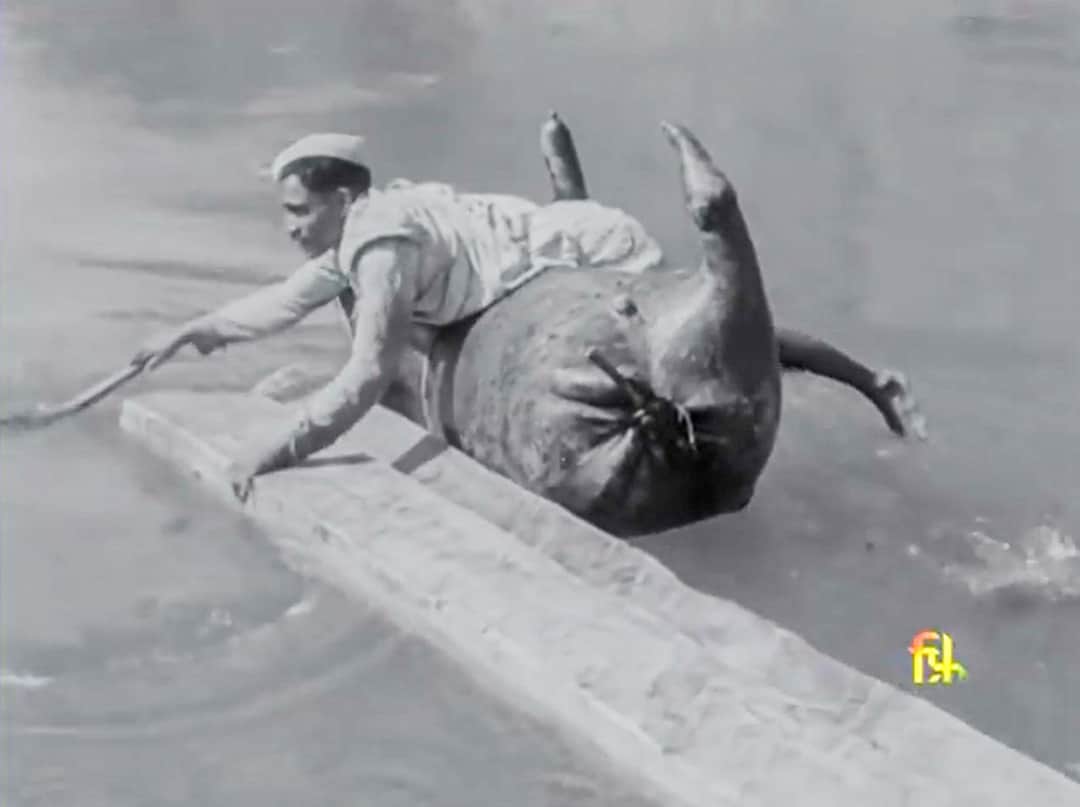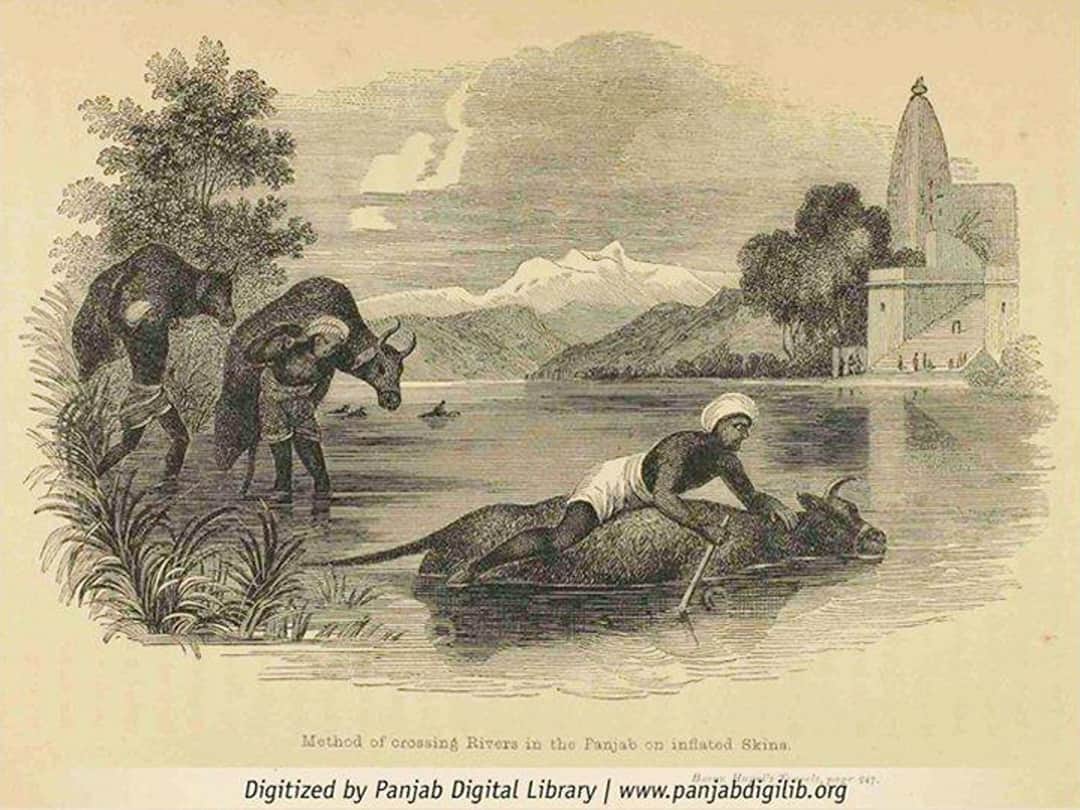

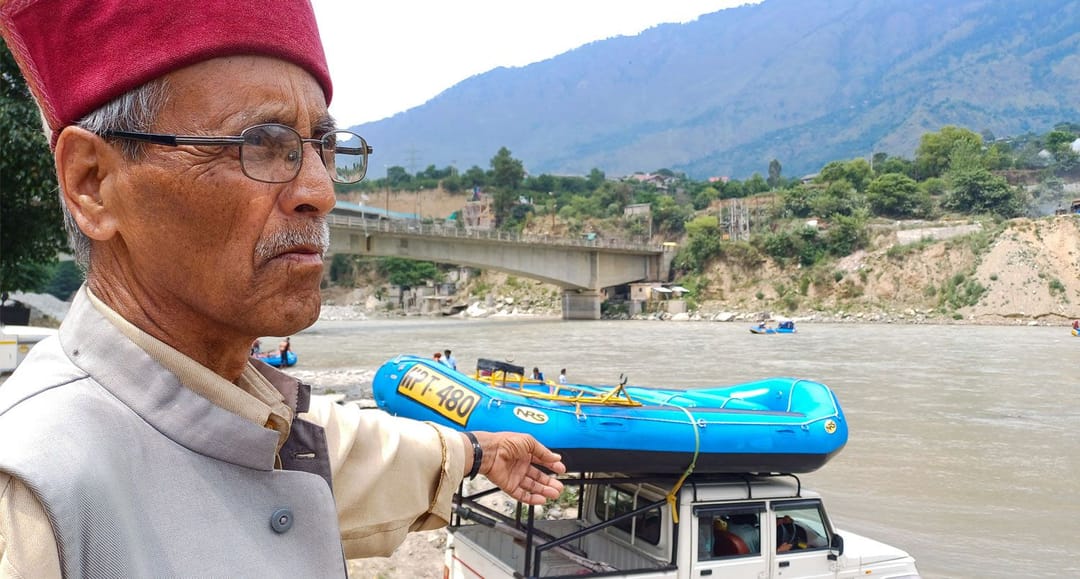
For five and a half decades, a hair’s breadth separated life from death for Sangat Ram. He illustrates the margin by touching the nail of his thumb to that of his index finger and saying, “Even if it loses this much of balance, equal to the breadth of a hair, you drown.” Navigating the ferocious, icy waters of the Beas was not everybody’s game. Certainly not on a wobbly, inflated bullock skin, the only mode of crossing rivers here for centuries.
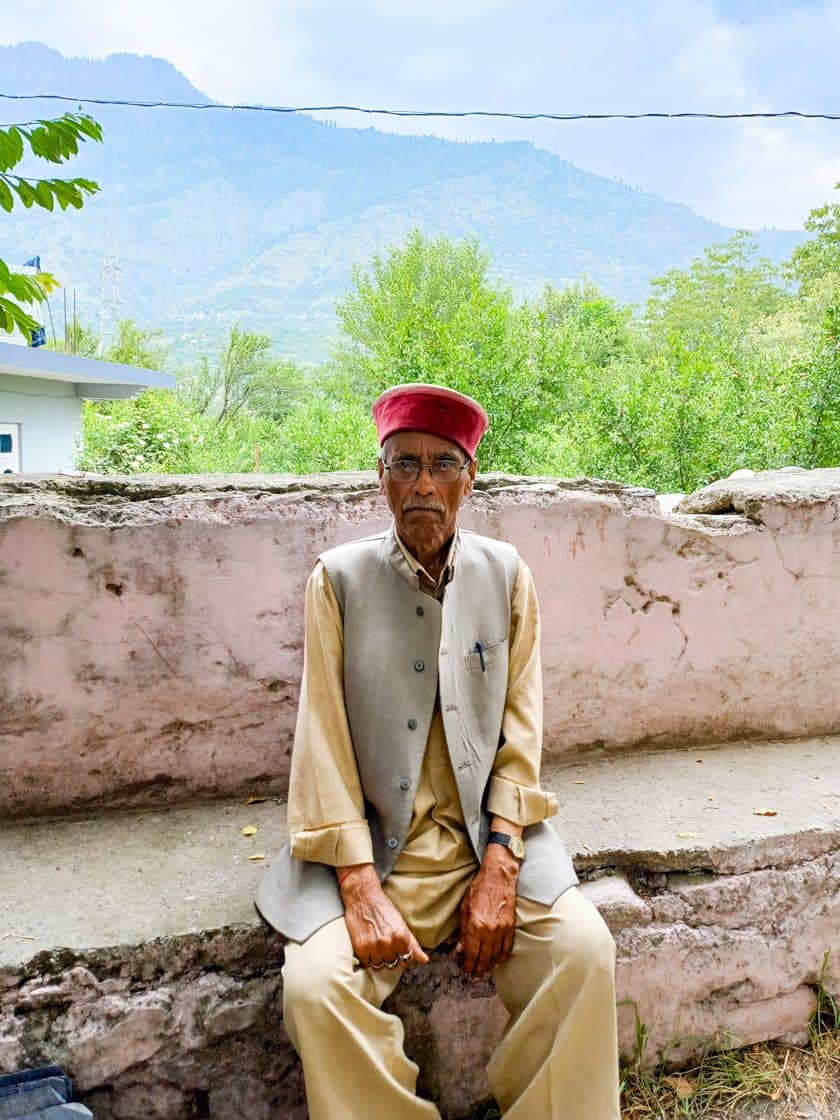
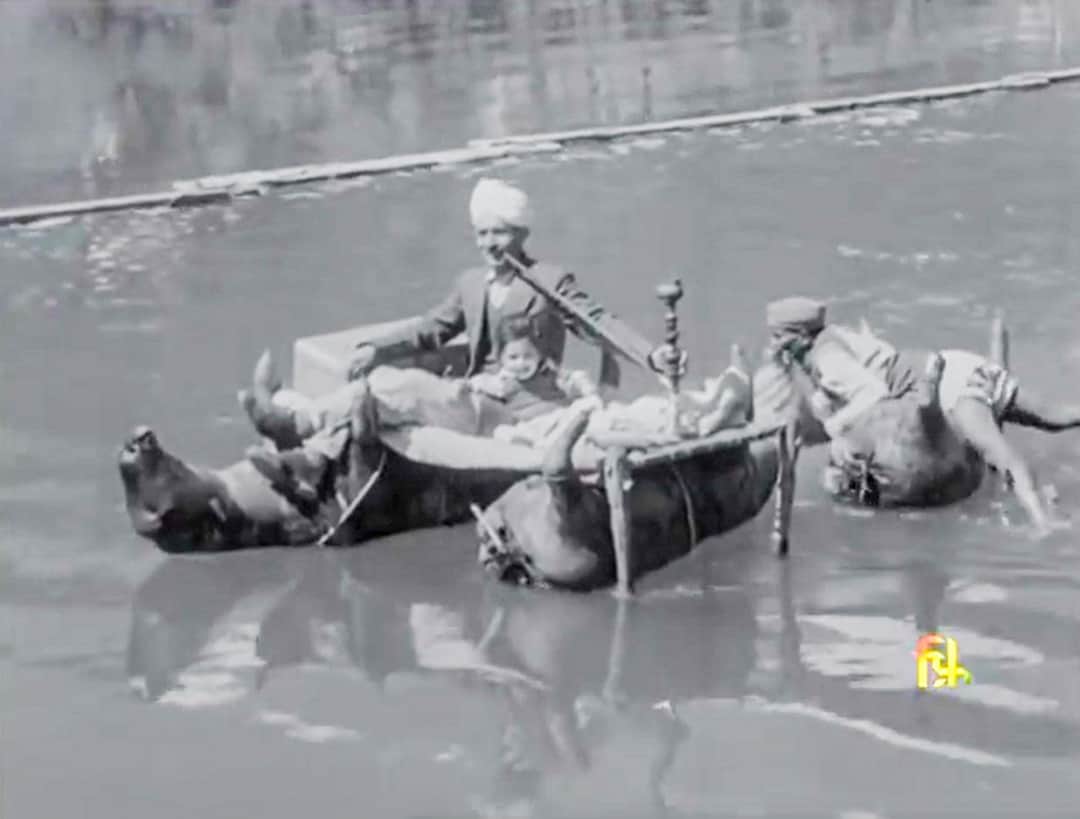
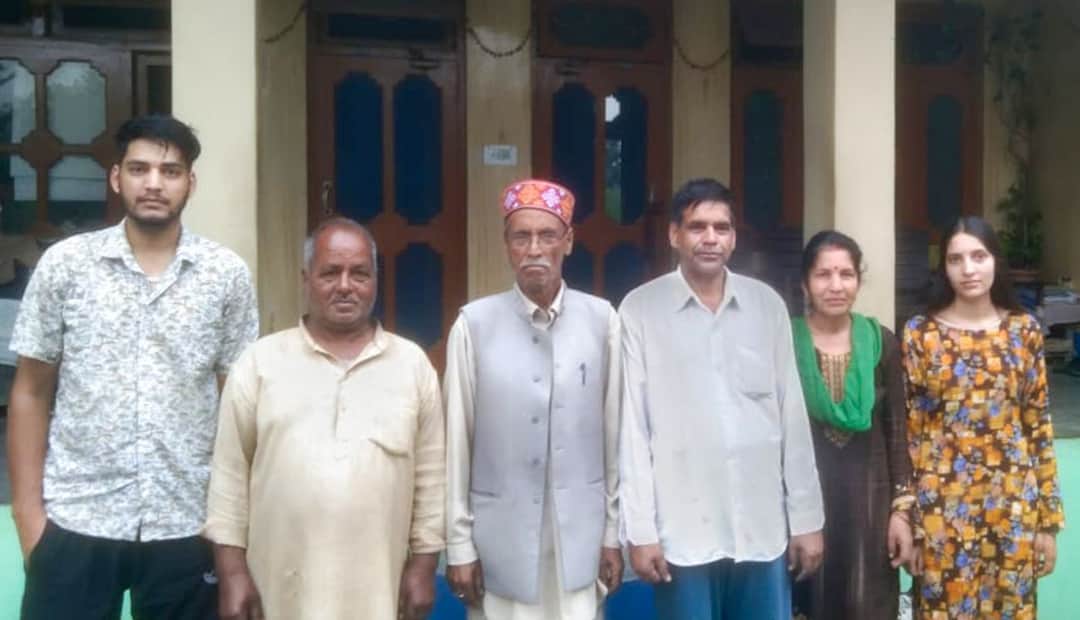
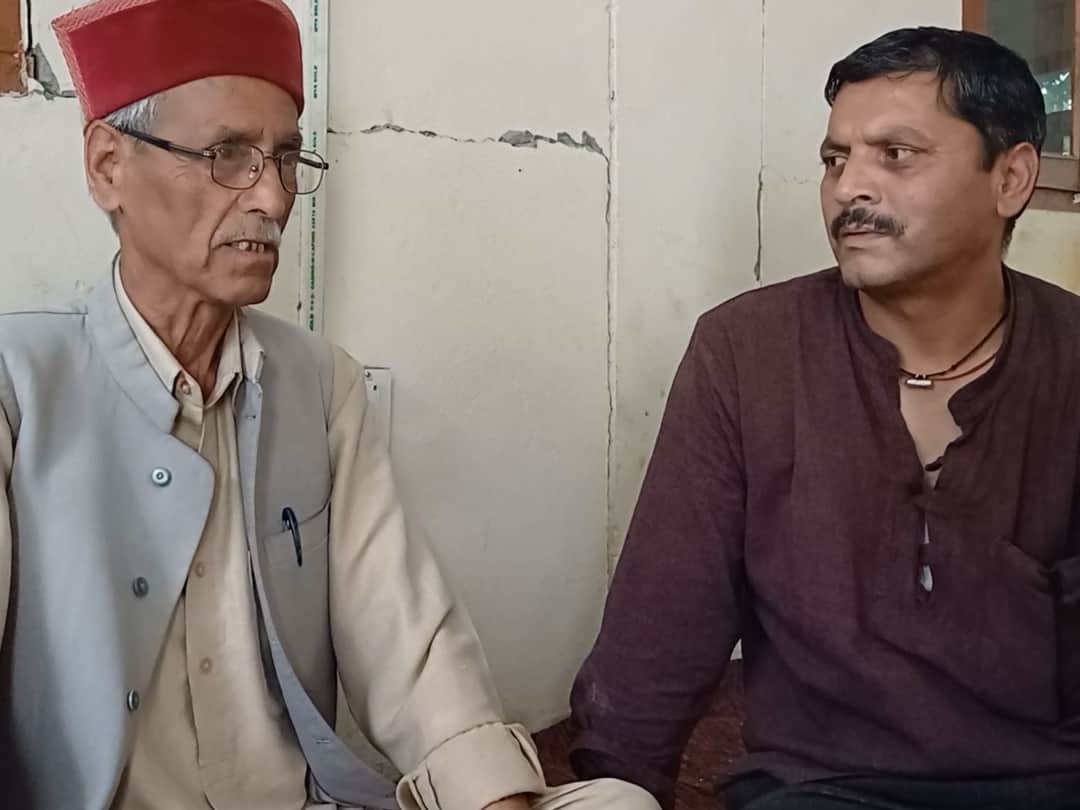
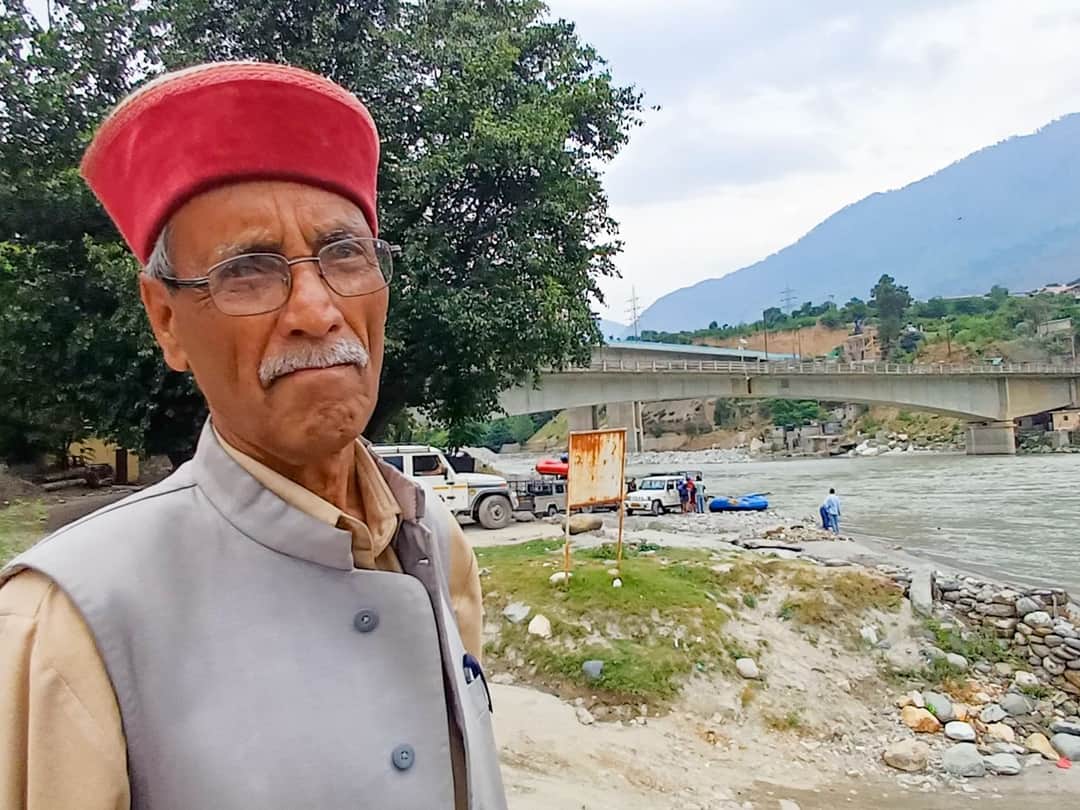
Sangat Ram, 89, is among the last living tarus (river ferrymen) in the Kullu Valley, Himachal Pradesh. His profession died long ago. It started losing relevance in the beginning of this century, when bridges and jhulas (hand-pulled ropeway trolleys) came up at various places. Before that, from local deities to kings, baraats to dead bodies, harvest to timber, he would ferry almost anything under the sky across the river on his ‘diriya.’
The diriya was an inflated bullock skin used as a craft to cross the Beas river. Legends around the diriya date back over two thousand years to when Alexander’s army revolted against proceeding further in India. Folklore speaks of locals plying diriyas even then. The Greeks, on the other hand, thought the ferocious river impossible to cross. The Beas was one of the most difficult obstacles Alexander faced. Some historians assert it marked the eastern-most limit of his invasions in India beyond which he could not move.
For centuries, diriyas piloted by these river ferrymen, perhaps including Sangat Ram’s ancestors, acted as the only bridge between the left and right banks of the Beas. The river originates from the high-altitude alpine lake, the Beas Kund, and covers 470 kilometers before merging with the Sutlej at Harike in the plains of Punjab.