
This story is part of the PARI series on climate change that won the Ramnath Goenka Award for 2019 in the Environment Reporting category.
“It’s past 11.40 this morning, so next comes an update on speed,” announces A. Yashwanth on the Kadal Osai radio station. “For the last one week, or even a month or so, kachaan kaathu [the south wind] was very strong. The speed was as high as 40 to 60 [kilometres per hour]. Today, as if to help fishermen, it is down to 15 [kmph].”
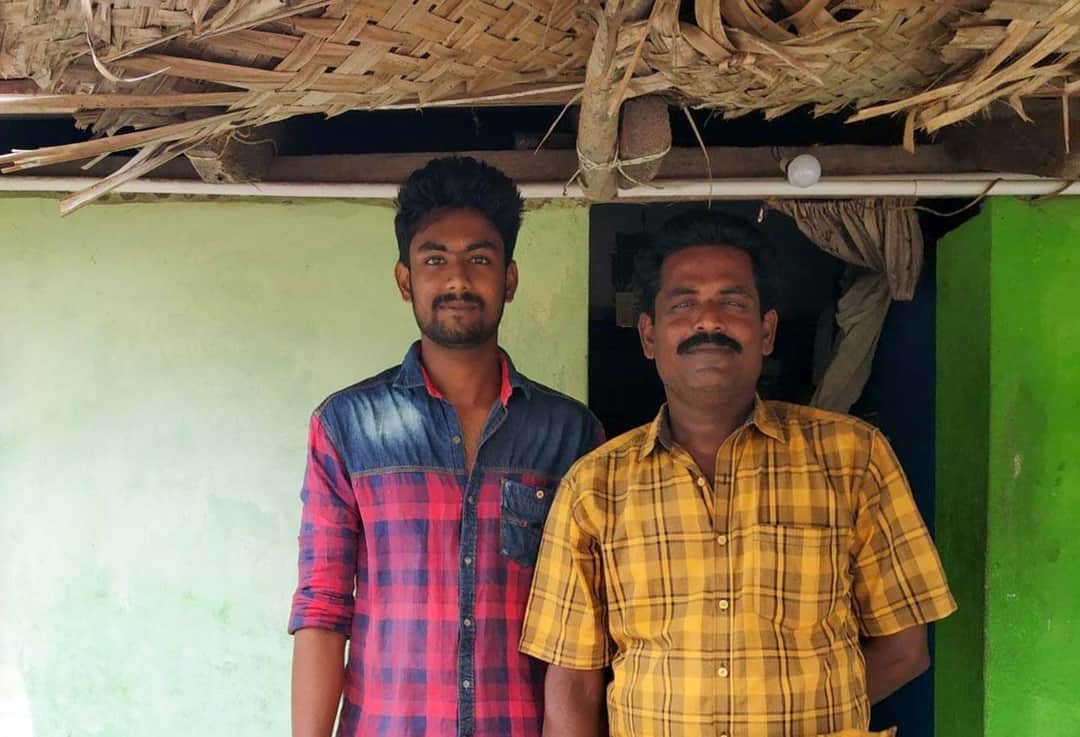
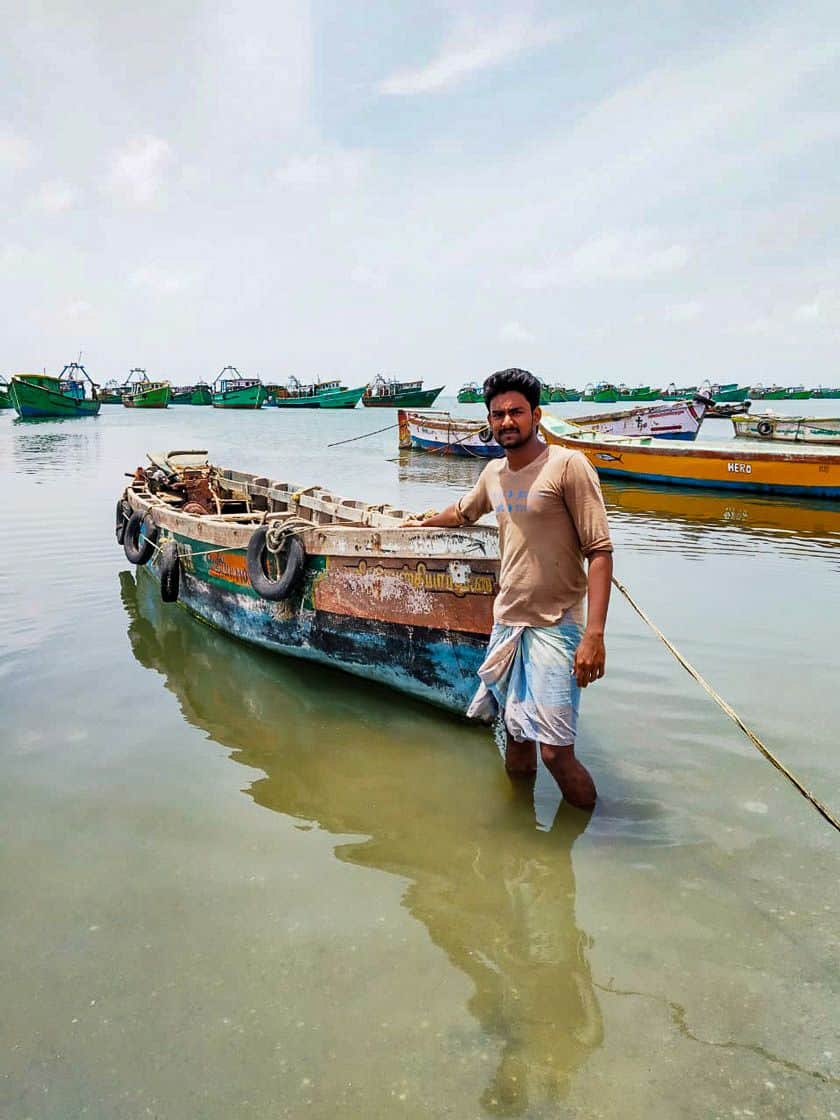
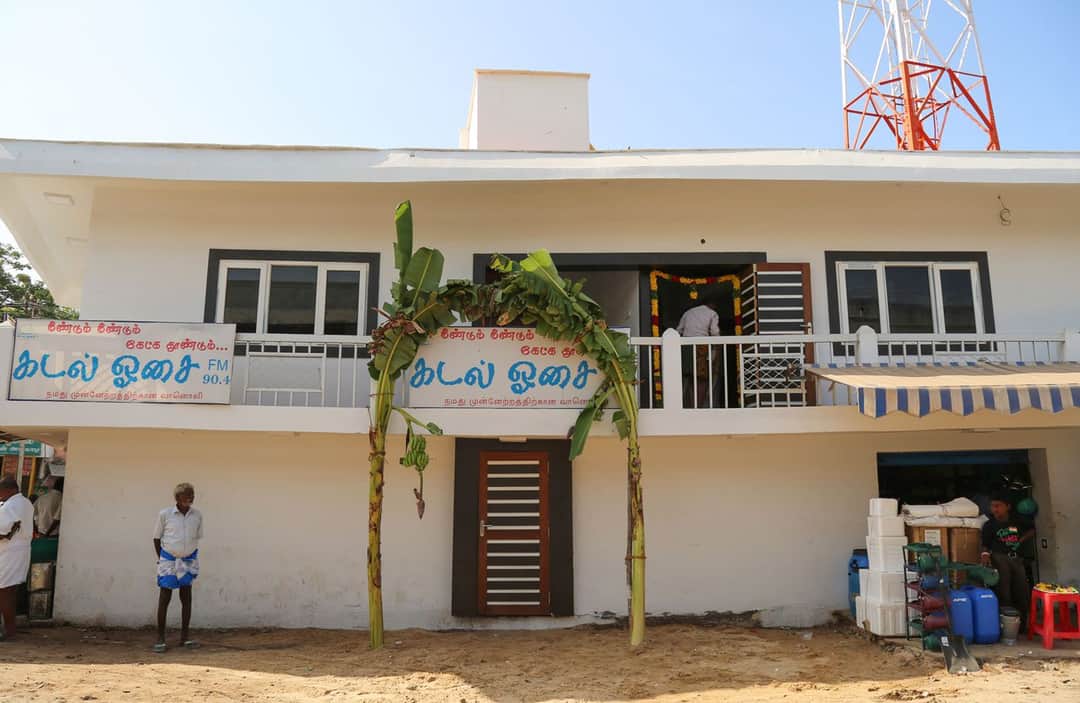
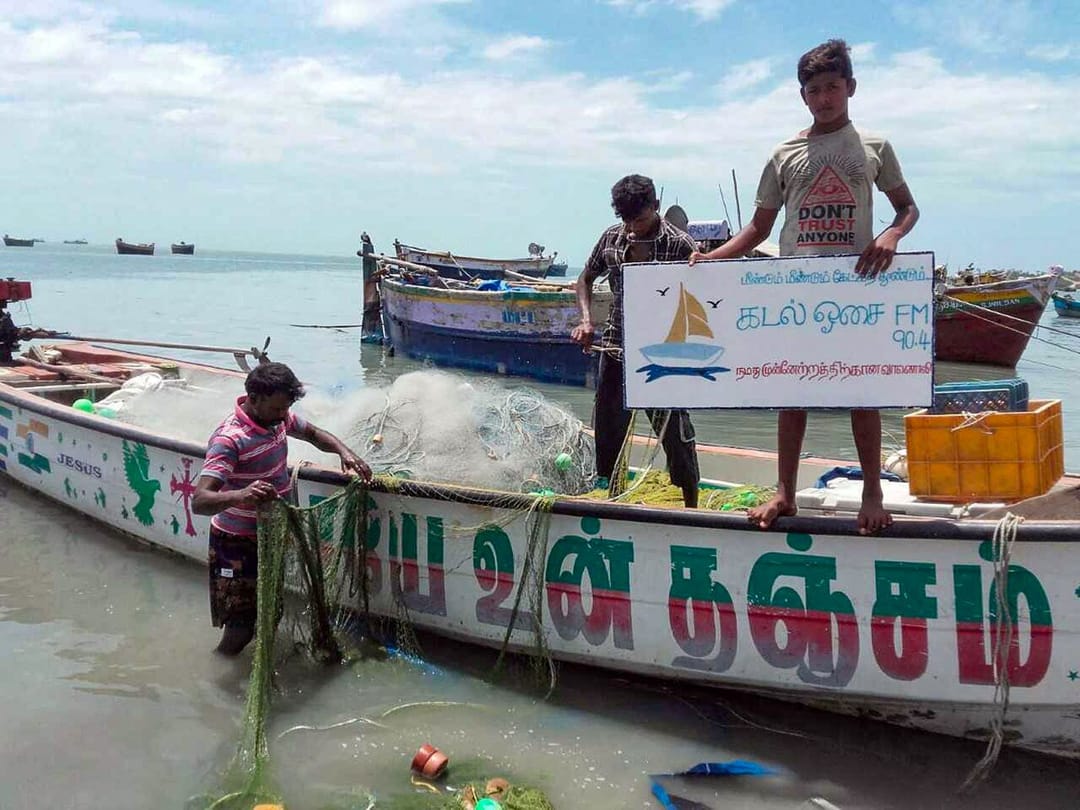
That’s great news for the fisherfolk of Pamban island in Tamil Nadu’s Ramanathapuram district. “It means they can go to sea without any fear,” explains Yashwanth, himself a fisherman. He is also a radio jockey at Kadal Osai (The Sound of the Sea), a neighbourhood station for the community in this region.
As a prelude to a special broadcast on blood donation, Yashwanth reels off the weather report, ending with: “The temperature is at 32 degrees Celsius. So stay hydrated, do not go in the sun.”
It’s a necessary precaution, because Pamban now sees far more hotter days than it did in 1996, when Yashwanth was born. Then, the island could expect at least 162 days a year where temperatures hit or crossed that 32C mark. When his father Anthony Samy Vas – still a full-time fisherman – was born in 1973, that was no more than 125 days annually. Today, those warmer days number at least 180 a year, according to a calculation from an interactive tool on climate and global warming posted online by the New York Times this July.
So Yashwanth and his colleagues are trying hard to understand not just the weather, but also larger issues of climate. His father, fellow fish workers, indeed the close to 83,000 people in Pamban and Rameswaram – the two main towns on the island – are looking to them to make sense of the changes.